
 Predogled
 Pošlji
 Deli
Deli
 Podrobnosti o delu

 Prenesi
 Podobni izdelki
 Rentgenski posnetek
 Predvajaj diaporama
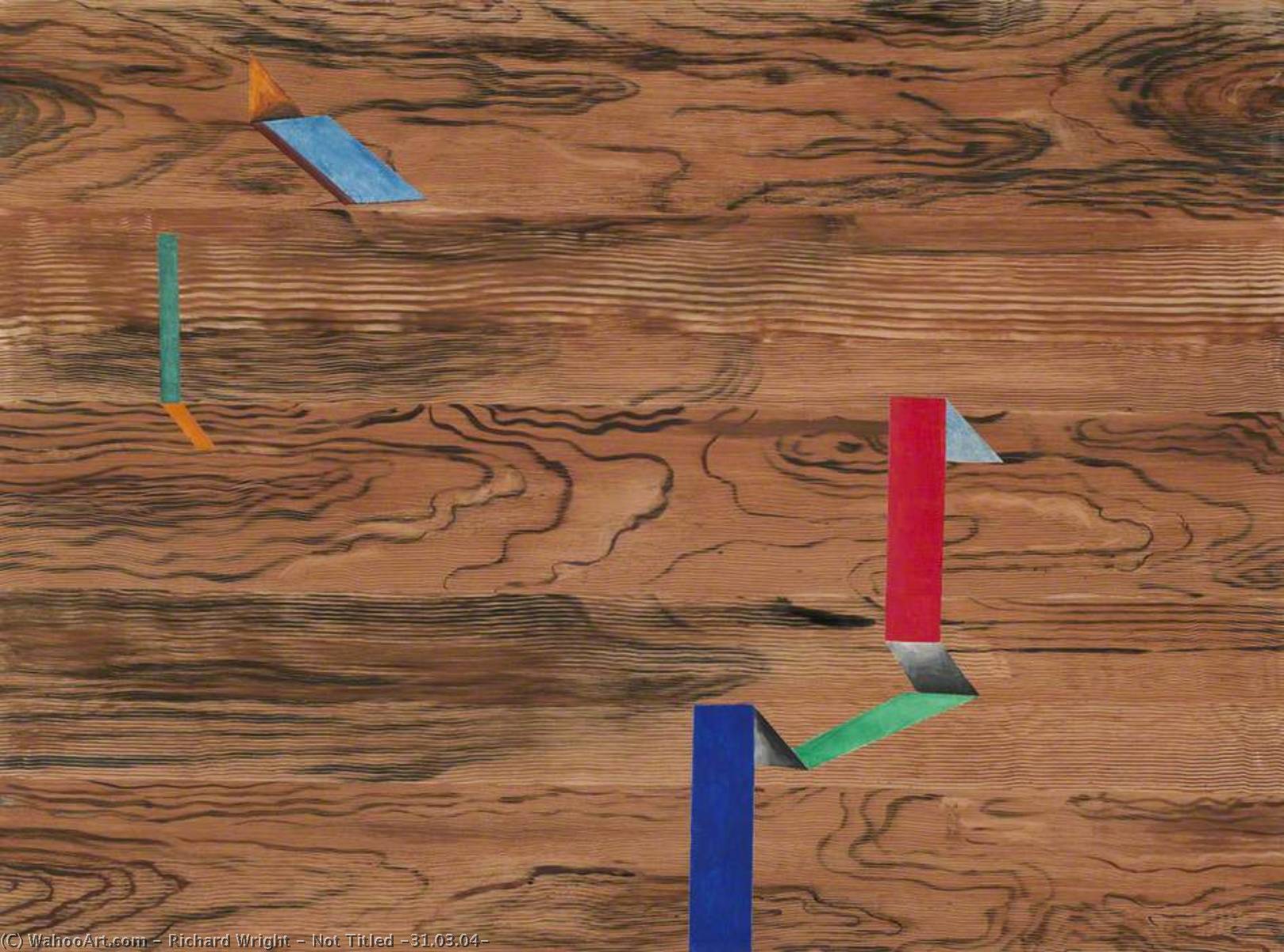
Not Titled (31.03.04)
 2004
2004 77.0 x 103.0 cm
 British Council Collection
 Razviljaj več
Ročno izdelana oljna reprodukcija
Ročno slikano olje na platnu v vaši izbiri velikosti in okvirja, izdelano po naročilu naših umetnikov. ( Kupi tisk Kupi digitalno sliko)




































Izberite eno od naših vnaprej določenih velikosti, ki ustrezajo prvotnim proporcijam umetničkega dela.

Svoje dimenzije lahko vnesete tako, da se prilagodite določenemu okvirju ali prostoru. Če izbrana velikost ne ustreza razmerjem originalne slike, bomo umetniško delo obrezali ali sliko dopolnili z dodatnimi ročno naslikanimi elementi. Pred začetkom proizvodnje vam bo poslan digitalni osnutek v odobritev.
Upoštevajte, da predogled na zaslonu ne odraža dejanskega obrezovanja ali podaljšanja. Le osnutek bo natančno prikazal končno kompozicijo.
Čeprav so na voljo velikosti po meri, priporočamo izbiro dimenzije s preddefiniranega seznama, da ohranimo originalne razmere.
Po oddaji naročila bo ekipa OriginalUniqueArt.com stranki po e-pošti poslala navodila in predogled digitalnega predogleda.
Svetska dostava () za 3/4 nedelje umesto uobičajenih 5 nedelja. (24 avgust). Bez kompromisa po pitanju kvaliteta.

Brezplačna ekspresna dostava po vsem svetu

Visokokakovostno laneno platno

Popolno zavarovanje pošiljke

Garancija povračila carine in uvoznih davkov

Garancija popolnega ujemanja barv

60-dnevna politika vračanja (le v primeru napak)

Garancija 100% povračila denarja

Popust pri večjem naročilu
 Možnost stekla je na voljo le za velikosti pod 110 cm

Not Titled (31.03.04)
Tehnika reprodukcije
Velikost reprodukcije
-


Skupna končna cena
$ 300
Biografija umetnika
The Architect of Light and Transient Beauty
In the realm of contemporary British art, few names evoke as much mystery and luminous wonder as Richard Wright. An artist who defies the traditional boundaries of the canvas, Wright has carved out a singular niche through his practice of architectural painting—a method that transforms gallery walls into breathing, shimmering tapestries of light. Born in London around 1960, his early years were shaped by the rugged landscapes of Scotland, where his family relocated during his childhood. This formative exposure to the textured, atmospheric beauty of the Scottish terrain likely planted the seeds for a lifelong fascination with how light interacts with surface and form.
Wright’s academic journey provided the rigorous foundation necessary for his experimental later works. He studied at the Edinburgh College of Art from 1978 to 1982, before returning to the prestigious Glasgow School of Art for postgraduate studies between 1993 and 1995, where he earned his Master of Fine Art. These years of formal training allowed him to master the classical principles of composition and materiality, which he would eventually deconstruct to create something entirely new: a style that blends the precision of geometric abstraction with the ephemeral nature of site-specific installation.
A Symphony of Gold and Geometry
To encounter a Richard Wright installation is to witness a delicate dance between permanence and decay. His work is famously characterized by intricate, repeating geometric patterns that seem to pulse with an internal energy. However, it is his use of gold leaf that truly elevates his practice into the realm of the transcendent. By overlaying these meticulous designs with shimmering precious metal, Wright creates surfaces that capture and refract light in ever-shifting ways, making each piece feel as though it is caught in a state of constant metamorphosis.
This technique has led critics to describe him through the lens of historical art forms. The Guardian journalist Jonathan Jones famously referred to him as a "modern fresco painter," drawing a parallel between Wright’s wall-based works and the ancient tradition of applying pigment to wet plaster. Much like the frescoes of the Renaissance, Wright’s art is deeply integrated into the architecture it inhabits. His approach rejects the idea of the painting as a portable commodity; instead, he treats the very bones of a building as his medium, injecting complex, vibrant life into often overlooked or mundane architectural spaces.
The Beauty of the Ephemeral
Perhaps the most poignant aspect of Wright’s career is his embrace of transience. For much of his career, his paintings were intentionally short-lived, existing only for the duration of a specific exhibition before being painted over at the conclusion of the show. This radical rejection of the permanent object creates a profound psychological tension for the viewer. There is a heightened sense of presence in knowing that the shimmering gold and complex lines currently before your eyes may never be seen again in quite the same light, or perhaps ever again.
This philosophy of the ephemeral has earned him significant accolades within the international art community:
- Turner Prize Recognition: His innovative approach to space and materiality brought him to the forefront of the British art scene, notably during his recognition by the Turner Prize committee.
- Critical Acclaim: Judges such as Andrea Schlieker have lauded him as a "painter who rejects the canvas," highlighting his role in redefining what constitutes a painting in the modern era.
- Legacy of Permanence: While much of his work was once transient, Wright has transitioned into creating numerous permanent installations that now reside in prestigious collections worldwide, ensuring that his architectural visions endure long after the exhibition lights have dimmed.
Through his mastery of light, geometry, and the very concept of time, Richard Wright remains a visionary force. He reminds us that art is not merely an object to be owned, but an experience to be inhabited—a fleeting moment of brilliance captured in gold and shadow.

Hitri podatki
- Artistic Movement Or Style: Geometric Painting
- Artists Or Movements Influenced By This Artist: ['Pink Floyd']
- Date Of Death: November 28, 1960
- Full Name: Richard Nathaniel Wright
- Nationality: English
- Notable Artworks: ['No Title']
- Place Of Birth: London, England

