
 Predogled v realnem okolju
 Pošlji
 Deli
Deli
 Podrobnosti o delu
 Priročnik

 Prenesi sliko
 Podobni izdelki
 Rentgenski posnetek
 Predvajaj diaporama
 Vprašanja in odgovori
 Statistika
Still Life, Strawberries and Nuts

- 1822.0 x 1822.0 cm


 Preberi več
Giclée tisk / Umetniški tisk
Giclée ali platnati odtis muzejske kakovosti z hitro proizvodnjo in prilagodljivimi možnostmi končne obdelave. ( Kupite ročno slikano delo Preklop na digitalno sliko)




P118B €10

P118H €10

P118W €10

P438Z €10

P508JH €12

P508YH €12

P805H €10

P805Z €10

P919BZ €10

P919G €10

P919XJ €10

P959ZH €10

P968JZ €12

W106C €8

W218G €10

W218JH €8

W218Y €10

W307PJ €10

W316G €10

W316PJ €8

W316Y €10

W398PJ €8

W4111J €10

W500HY €15

W500JH €15

W692G €12

W849H €8

W940BG €15

W953PJ €8




Izberite eno od naših vnaprej določenih velikosti, ki ustrezajo prvotnim proporcijam umetničkega dela.

Vnesite širino in višino, ki jih potrebujete za svoj okvir ali steno. Tiskanje se lahko le odreže, vendar ga ni mogoče narediti večjega od slike, zato format z drugačno obliko pomeni izgubo dela slike. Pred tiskanjem vam pošljemo digitalni predogled za potrditev. Slika, prikazana na tej strani, ne prikazuje dejanskega izrezka — le predogled to omogoča.
Globalna dostava () v 2 tednih namesto standardnih 4/5 tednov. (7 november)

Brezplačna ekspresna dostava po vsem svetu

Visokokakovostno laneno platno

Popolno zavarovanje pošiljke

Garancija povračila carine in uvoznih davkov

Garancija popolnega barvnega ujemanja

100-dnevna politika vračil (le v primeru okvar)

Garancija 100% povračila denarja

Popust pri večjem naročilu
 Možnost stekla je na voljo le za velikosti pod 110 cm

Still Life, Strawberries and Nuts
Giclée tisk / Umetniški tisk
Velikost reprodukcije
-


Skupna cena
€ 72
Raphaelle Peale’s “Still Life, Strawberries and Nuts”: A Window into Early American Domesticity
Raphaelle Peale's "Still Life, Strawberries and Nuts," painted in 1822, is more than just a depiction of fruit and nuts; it’s a meticulously crafted snapshot of early 19th-century American domestic life. Born into the renowned Peale family – a lineage deeply intertwined with natural history and artistic legacy – Raphaelle inherited a profound appreciation for observation and detail, qualities that he brought to bear on his still lifes with remarkable precision. This particular work, housed within the Art Institute of Chicago, offers a rare glimpse into the refined tastes and burgeoning aesthetic sensibilities of the era, showcasing a deliberate departure from the prevailing trends in European art.
Peale’s style is distinctly influenced by the Spanish masters, particularly their penchant for dramatic lighting and carefully arranged compositions. He eschewed the overly ornate or sentimental approaches favored by some of his contemporaries, opting instead for a restrained elegance characterized by crisp forms, balanced arrangements, and a subtle interplay of light and shadow. The painting's palette is dominated by earthy tones – rich browns, deep reds, and muted greens – creating a sense of warmth and intimacy. The arrangement itself—a carefully curated selection of strawberries, nuts, citrus fruits, and a porcelain bowl—is not merely decorative; it speaks to the abundance and prosperity enjoyed by many American households at the time. The inclusion of Chinese export porcelain, a highly prized luxury item, further underscores this sense of affluence and connection to global trade.
The Language of Still Life: Symbolism and Meaning
Still life painting during Peale’s era was deeply rooted in symbolism. Objects were not simply presented for their visual appeal but carefully chosen to convey specific meanings – often religious, moral, or philosophical. Peale's work is no exception; the arrangement of fruits and nuts can be interpreted as a meditation on mortality, abundance, and the fleeting nature of beauty. The presence of raisins, for instance, symbolizes decay and the passage of time, while the vibrant strawberries evoke notions of fertility and renewal. The careful placement of each element within the composition suggests a deliberate attempt to create a harmonious balance between these contrasting themes.
Furthermore, Peale’s choice of objects reflects the evolving role of women in American society. The abundance of fruits and nuts—items typically associated with domesticity and nurturing—can be seen as a subtle celebration of female labor and responsibility within the home. The inclusion of a bowl, a central element in still life arrangements, further emphasizes this theme, suggesting a focus on caretaking and hospitality. It’s important to note that Peale's work was created during a period when women were increasingly excluded from formal artistic training; his meticulous attention to detail and masterful technique served as a powerful assertion of their creative potential.
A Trompe-l'œil Masterpiece: Deception and Illusion
What truly elevates “Still Life, Strawberries and Nuts” is Peale’s daring use of *trompe-l'œil*, or illusionistic painting. The arrangement appears to spill out from the canvas itself, creating a convincing sense of depth and realism. The subtle suggestion of a napkin partially covering a Venus figure adds an element of mystery and intrigue, challenging the viewer to question what is real and what is merely a representation. This technique was particularly innovative for its time, demonstrating Peale’s mastery of perspective and his willingness to push the boundaries of traditional still life painting.
The deliberate concealment of the Venus figure—a nod to classical mythology—is not simply decorative; it serves as a commentary on the idealized image of womanhood prevalent in 19th-century America. By partially obscuring her form, Peale invites the viewer to contemplate the complexities and contradictions inherent in representations of female beauty. The painting’s overall effect is both captivating and thought-provoking, inviting repeated viewing and careful consideration.
Collecting a Legacy: Reproduction and Appreciation
Today, “Still Life, Strawberries and Nuts” stands as a testament to Raphaelle Peale's pioneering role in American art. Its meticulous detail, evocative symbolism, and innovative use of *trompe-l'œil* continue to fascinate viewers and inspire artists alike. High-quality reproductions capture the painting’s rich colors and subtle nuances, allowing art lovers to appreciate its beauty and complexity from afar. Whether displayed as a centerpiece in a formal dining room or incorporated into a curated collection of American still lifes, Peale’s masterpiece offers a timeless glimpse into a bygone era—a reminder of the enduring power of observation, artistry, and the quiet beauty of everyday life.
Vprašanja in odgovori
Kdo prodaja ročno slikane kopije dela "Still Life, Strawberries and Nuts" avtorja Raphaelle Peale?
"Still Life, Strawberries and Nuts" je na voljo kot ročno slikana oljna reprodukcija na lnenem platnu. Naročilo lahko oddate na njegovi strani Ročno slikana reprodukcija, kjer lahko izbirate med različnimi velikostmi.
Kateri umetniški slog pripada "Still Life, Strawberries and Nuts"?
Umetnostni smer, ki jo zastopa "Still Life, Strawberries and Nuts" avtorja Raphaelle Peale, je American Still Life. Ta klasifikacija delo uvršča med sorodne umetnike in umetniška dela.
V kateri umetnostni smernici in v katero dobo je uvrščeno delo "Still Life, Strawberries and Nuts" avtorja Raphaelle Peale?
"Still Life, Strawberries and Nuts" avtorja Raphaelle Peale uvrščamo v smer American Still Life, v obdobje 19. stoletje svojega ustvarjalca.
Biografija umetnika
Pionir ameriške mrtve narave
V razvijajoči se pokrajini ameriške umetnosti zgodnjih devetnajstega stoletja, kjer je portretna slika vladala kot primarno sredstvo za prikaz statusa in dediščine, se je Raphaelle Peale upal usmeriti svoj pogled v tiho, pogosto spregledano lepoto nežive narave. Peale, rojen v Annapolisu leta 1774, ni bil le slikar, temveč pionir, ki je izkoristil specializirano nišo, ki je bila v umetniškem repertoarju mladega naroda prej zanemarjena. Kot sin legendarnega Charlesa Willsona Pealea je bila njegova celotna obstojnost tesno prepletena s pulsom ameriških znanstvenih in umetniških odkritij. Odraščanje v orbiti ene najbolj vplivnih ameriških umetniških dinastij ga je potopilo v okolje, kjer se je natančno opazovanje veljalo tako za visoko umetnost kot za znanstveno nujnost.
Njegova zgodnja izobraževanja sta bila globoko zakoreninjena v tej dvojni tradiciji naturalizma in vrhunskega kroječaštva. Pod budno oko svojega očeta se je Peale naučil videti svet skozi lečo globokih podrobnosti, kar je postalo značilnost njegove pozne umetniške faze. Medtem ko so njegovi bratje in sestre pogosto izbirali pot v medicini ali naturalistični zgodovini, je Raphaelle to dedovano strast do dokumentiranja kanaliziral v medij olja na platnu. Ni se trudil le predstavljati predmetov; želel jih je vzelevati. Z osredotočanjem na teksturo sadja, sijaj porcelana in subtilno propadanje organske snovi je v prehodnost vnesel občutek trajnosti ter preoblikoval preproste kuhinjske predmete v predmete visoke umetnosti.
Obvladovanje teksture in trompe l'oeil
Prava briljantnost Pealevega dela leži v njegovem tehničnem vladanju z lučbo in površino. Postal je mojster tehnike trompe l'oeil — tehnike, zasnovane za "prevaro oči" — s tvorbo iluzij, ki so bile tako prepričljive, da so se gledalci pogosto želeli poseči in dotakniti prikazanih predmetov. Njegove kompozicije, kot so te z breskvami, rozinami ali ribami, so študije taktilne realnosti. Skozi njegovo vrhunsko uporabo glac in senč »viden« je skoraj lahko občutek z velvetno kožo zrele breskve ali hladne, gladke površine keramične vrč.
Pealeov stilski razvoj je močno oblikovala zavednost evropskih tradicij, še posebej vpliv španskih mojstrov, ki so dolgo izpilovali umetnost mrtve narave. Z zmenjavo te sofistike starega sveta z edinstvenim ameriškim občutkom je ustvaril dela, ki so hkrati globoko informirana o svetovnih trendih in lokalno utermeljena. Njegove slike pogosto vključujejo:
- Natančne podrobnosti: Neomajna predanost zajemanju drobnih nepravilnosti narave, od majhnih skaz na jabolku do nežnih ven v listu.
- Dramatična osvetlitev: Uporaba chiaroscuro tehnike za izločenost motivov iz temnih, atmosferičnih ozadij, kar vsakemu predmetu daje skulpturalno prisotnost.
- Kompozicijska uravnoteženost: Skrbno urejanje elementov, ki gledalčevo oko vodi skozi tiho, kontemplativno pripoved o obilju in smrtnosti.
Trajna dediščina v ameriški umetnosti
Čeprav je bila njegova kariera relativno kratka in se je končala z njegovo smrtjo leta 1825, vpliva Raphaelle Pealea na potek ameriške umetnosti ni mogoče presežno oceniti. Razbilo je monopol portretne slike in dokazalo, da so domači in naturalistični motivi vredni najvišje stopnje umetniškega predanosti. S tem je postavil temelje generacijam ameriških slikarjev mrtve narave, ki so sledili njegovim stopinjama in raziskovali teme obilja, propadanja in lepote vsakdana.
Danes se Peale ne spominja le kot člana slavne družine, temveč kot edinstvenega talenta, ki je imel pogum najti veličastnost v malem. Njegova dela ostajajo vitalna pričevanja obdobja ameriške zgodovine, ko država še vedno definiira svojo vizualno identiteto. Skozi njegove črte so preprosta vsebina košar ali skromna postavitev na mizi postali trajni simboli sposobnosti razvijajoče se kulture, da opazuje, cenili in nesmrtno večno dokumentira svet okoli sebe.

Raphaelle Peale
1774 - 1825 , Združene države Amerike
Hitri podatki
- Artistic Movement Or Style: Still Life
- Artists Or Movements Influenced By This Artist: ['Španski mojstri']
- Artists Who Influenced This Artist: ['Charles Willson Peale']
- Date Of Birth: 17. februar 1774
- Date Of Death: 4. marec 1825
- Full Name: Raphaelle Peale
- Nationality: Ameriški
- Notable Artworks:
- Still Life with Raisins, Yellow and Red Apples in Porcelain Basket
- Still Life with Jug and Fish
- Place Of Birth: Annapolis, Združene države
Sorodni članki
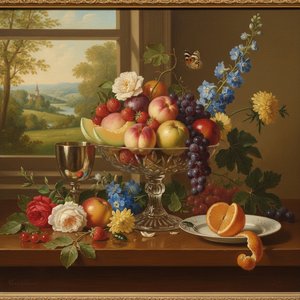
Severin Roesen: Evoking National Identity Through American Still Life Painting
Explore the captivating world of Severin Roesen, a major American still life painter influenced by Dutch masters. Discover his lush compositions and the symbolism within his art – a window into 19th-century America.

The Bountiful Still Life: Symbolism & Artistic Representation of Fruit Across Art History
Explore the rich history of still life painting & the symbolism of fruit across art movements. Discover masterpieces from Caravaggio to Cézanne with OriginalUniqueArt – expert guidance & museum-quality reproductions.
Titian Ramsay Peale II: A Legacy of Botanical Precision & Artistic Innovation
Explore the life & art of Titian Ramsay Peale II, a master of botanical precision and wildlife painting. Discover his legacy bridging art & natural history at OriginalUniqueArt.

American Realism's Defining Works: 10 Masterpieces for Your Home
Explore 10 defining American Realism masterpieces – Hopper, Homer & more. Discover the stories behind these iconic paintings and bring timeless art to your home with OriginalUniqueArt's museum-quality reproductions. Explore the full collection online.

Charles Willson Peale: Portraiture, Enlightenment Ideals & Shaping American Identity
Explore the life & art of Charles Willson Peale – Revolutionary portraitist, scientist, and founder of America’s first museum. Discover his iconic paintings of Washington & the Enlightenment ideals that shaped a nation.