
 Predogled v realnem okolju
 Pošlji
 Deli
Deli
 Podrobnosti o delu
 Priročnik

 Prenesi sliko
 Podobni izdelki
 Rentgenski posnetek
 Predvajaj diaporama
 Vprašanja in odgovori
 Statistika
Athenais

- 101.0 x 61.0 cm


 Preberi več
Giclée tisk / Umetniški tisk
Giclée ali platnati odtis muzejske kakovosti z hitro proizvodnjo in prilagodljivimi možnostmi končne obdelave. ( Kupite ročno slikano delo Preklop na digitalno sliko)




P118B €10

P118H €10

P118W €10

P438Z €10

P508JH €12

P508YH €12

P805H €10

P805Z €10

P919BZ €10

P919G €10

P919XJ €10

P959ZH €10

P968JZ €12

W106C €8

W218G €10

W218JH €8

W218Y €10

W307PJ €10

W316G €10

W316PJ €8

W316Y €10

W398PJ €8

W4111J €10

W500HY €15

W500JH €15

W692G €12

W849H €8

W940BG €15

W953PJ €8




Izberite eno od naših vnaprej določenih velikosti, ki ustrezajo prvotnim proporcijam umetničkega dela.

Vnesite širino in višino, ki jih potrebujete za svoj okvir ali steno. Tiskanje se lahko le odreže, vendar ga ni mogoče narediti večjega od slike, zato format z drugačno obliko pomeni izgubo dela slike. Pred tiskanjem vam pošljemo digitalni predogled za potrditev. Slika, prikazana na tej strani, ne prikazuje dejanskega izrezka — le predogled to omogoča.
Globalna dostava () v 2 tednih namesto standardnih 4/5 tednov. (5 november)

Brezplačna ekspresna dostava po vsem svetu

Visokokakovostno laneno platno

Popolno zavarovanje pošiljke

Garancija povračila carine in uvoznih davkov

Garancija popolnega barvnega ujemanja

100-dnevna politika vračil (le v primeru okvar)

Garancija 100% povračila denarja

Popust pri večjem naročilu
 Možnost stekla je na voljo le za velikosti pod 110 cm

Athenais
Giclée tisk / Umetniški tisk
Velikost reprodukcije
-


Skupna cena
€ 72
A Vision of Classical Splendor
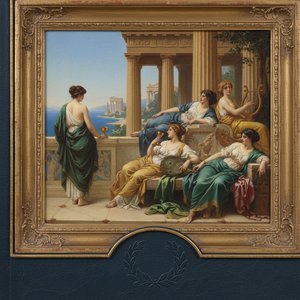
In the luminous realm of Neo-Classicism, few works capture the serene intersection of human grace and architectural grandeur as exquisitely as John William Godward’s Athenais. Painted in 1908, this masterpiece serves as a breathtaking window into a lost era of antiquity, reimagined through the meticulous lens of the late Victorian era. The painting presents us with a central figure of incomparable elegance, draped in a flowing, vibrant red gown that commands the viewer's gaze. As she stands with a poised hand upon her hip, her presence is not merely decorative but foundational to the composition, embodying a sense of quiet confidence and timeless beauty. The rich, crimson hue of her attire creates a striking visual dialogue with the pale, marble textures surrounding her, ensuring that the subject remains the beating heart of this classical dreamscape.
The setting of Athenais is nothing short of theatrical, designed to transport the observer to a world of myth and marble. Godward surrounds his protagonist with an array of sculpted figures—Greek gods and goddesses carved into architectural elements—which lend the scene an air of sacred permanence. These statues, rendered with such precision that one can almost feel the coolness of the stone, provide a structural rhythm to the piece. The inclusion of delicate birds, fluttering near the periphery, introduces a subtle layer of life and movement, breaking the stillness of the marble and infusing the atmosphere with a sense of tranquil harmony. This careful balance between the static permanence of architecture and the fleeting vitality of nature is what makes the work so profoundly captivating.
Mastery of Technique and Light
To behold Athenais is to witness the pinnacle of academic realism and the masterful application of oil on canvas. Godward’s technique is characterized by an extraordinary attention to texture; he layers his pigments with a devotion that allows the viewer to distinguish between the soft, supple folds of silk and the hard, weathered grain of ancient stone. The lighting within the painting is masterfully diffused, casting gentle shadows that sculpt the woman's form and provide a realistic sense of depth. This soft illumination avoids harsh contrasts, instead bathing the entire scene in a warm, nostalgic glow that enhances the romanticism of the subject matter.
The color palette is a sophisticated study in balance, dominated by deep reds, pristine whites, and muted earth tones. These colors work in concert to create a sense of stability and order, reflecting the core tenets of the Neo-Classical movement. The lines are predominantly smooth and flowing, guiding the eye through the organic curves of the human form and into the geometric precision of the classical backdrop. For the discerning collector or interior designer, this painting offers more than just visual beauty; it provides a sophisticated focal point that brings an aura of cultured refinement and historical depth to any space.
Symbolism and Lasting Emotional Resonance
Beyond its aesthetic brilliance, Athenais is steeped in symbolic resonance. The figure herself, often interpreted through the lens of classical mythology, evokes themes of purity, vulnerability, and the eternal nature of beauty. The architectural setting—a monument to civilization and human achievement—serves as a powerful counterpoint to the organic grace of the woman, suggesting a harmonious coexistence between humanity and the enduring legacies of the past. There is a profound sense of nostalgia in Godward's work, a longing for the perceived order and moral seriousness of the ancient world.
For those seeking to adorn their homes with art that inspires contemplation, this painting offers an emotional journey into the sublime. It invites the viewer to pause, to breathe in the stillness of the scene, and to reconnect with the classical ideals of beauty and grace. Whether viewed as a historical document of the late 19th-century academic style or as a timeless piece of decorative art, Athenais remains an enduring testament to the power of the brush to resurrect the splendor of antiquity.
Vprašanja in odgovori
Kakšno stopnjo kontrasta prikazuje "Athenais" avtorja John William Godward?
"Athenais" avtorja John William Godward prikazuje Bold kontrast med svetlim in temnimi cončami.
Kje in za kakšen namen se priporoča "Athenais"?
Za Focal se priporoča "Athenais", priporočena prostorina pa je Living Room.
Kje se priporoča izpostavljanje dela "Athenais" v formatu Tall?
Format (Tall) in priporočena prostor (Living Room) sta dve zapisani podrobnosti glede postavitve za "Athenais" avtorja John William Godward.
Biografija umetnika
John William Godward: Viktorianski neoklasični mojster
Zgodnje življenje in korenine
- Rod: 9. avgusta 1861, Wimbledon, Anglija.
- Umrl: 13. decembra 1922, London, Anglija.
- John William Godward je bil najstarejši iz petih otrok, ki sta jih rodila John Godward, investicijski uradnik, in Sarah Eboral.
- Njegovo zgodnje obdobje je zaznamovalo zavetno in samotno življenje, kar se v veliki meri pripisuje nadmočnim osebnostima njegovih staršev. Ta introvertnost je globoko vplivala na njegovo umetniško občutljivost.
Umetniška razvojnost in vplivi
- Zgodnje izobraževanje: Godward je prejel uradno umetniško izobrazbo, čeprav so specifični podatki redki zaradi uničenja njegove osebne dokumentacije.
- Ključni vplivi: Močno je bil pod vplivom sir Lawrencea Alma-Tademe in Fredericka Leightona, obeh pomembnih postav v viktorianskem neoklasicizmu.
- Podobno kot Alma-Tadema, je Godward pokazal izjemno natančnost pri prikazovanju klasične arhitekture in tekstur. Vendar pa je razvil svoj lasten, ločen slog, ki ga odlikujejo živahne barve in idealizirane predstavitve lepote.
Zgodovina kariere in vrhunska dela
- Razstave na Kraljevi akademiji: Godward se je prvič razstavil na Kraljevi akademiji leta 1887, kar je označilo začetek njegove javne prepoznavnosti.
- Pomembna slika:
- Dolce far Niente (1904): Morda njegovo najbolj znano del, ki ga je leta 1995 kupil Andrew Lloyd Webber.
- When the Heart is Young (1902): Odlično prikazuje Godwardovo sposobnost zajema mladostne nedolžnosti in lepote.
- The Mirror (1899): Razkriva njegovo veščino v kontrastiranju tekstur in ustvarjanju občutka globine.
- In the Tepidarium (1913): Polnomočna figura, ki dokazuje njegovo vsestranost znotraj neklasičnega žanra.
- Athenais: Čudovit primer njegovih idealiziranih ženskih postaci v klasičnem okolju.
- Preselitv v Italijo: Leta 1912 se je Godward preselil v Rim z eno svojimi modelami, kar je bila odločitev, ki je vodila do njegove izobčenosti od družine.
Slog in tematika
- Neoklasičen slog: Godwardovo del zaznamuje zvestoba klasičnem oblikam, temam in estetiki.
- Ponavljajoči se motivi: Pogosto je slikal čudovite ženske v klasičnih oblačilih, pogosto v trenutkih počitka ali razmišljanja.
- Tehnično mojstvo: Godward je bil znan po svoji natančni pozornosti do detajlov, še posebej pri prikazovanju tekstur, kot so marmor, dlake in tkanine. Njegova uporaba živahnih barv je še dodatno ločila njegov slog.
- Pogosto ga opisujejo kot »visokviktorianskega sanjača« zaradi idealizirane in romantične narave njegovih slik.
Tragičen konec in dediščina
- Smrt: Godward je leta 1922 v age 61 tragično pristopil k samomorju.
- Reakcija družine: Njegova družina, sramljena zaradi njegove smrti, je uničila njegove dokumente in poskušala izbrisati njegov spomin.
- Zgodovinski pomen: Kljub poskusom zatiranja njegove dediščine, so Godwardova dela doživela vzpon popularity. Ostaja pomembna figura v viktorianskem neoklasicizmu, slavljen zaradi svoje tehnične izstopajočnosti, idealizirane lepote in evokativnih prikazov klasičnih tem.

John William Godward
1861 - 1922 , Anglija
Hitri podatki
- Datum Rojstva: 1861
- Datum Smrti: 1922
- Državljanstvo: Britanec
- Gibanje: Neoklasicizem, viktorijansko slikarstvo
- Ime: John William Godward
- Pod Vplivom:
- Sir Lawrence Alma-Tadema
- Frederic Leighton
- Znamovitost:
- Dolce far Niente
- When the Heart is Young
- The Mirror
- In the Tepidarium
- Athenais
- Expectancy
Sorodni članki

Neo-Classicism's Greatest Hits: 10 Masterpieces for Your Home |
Journey through Neo-Classicism's finest! Explore 10 iconic masterpieces by David, Ingres & Canova. Discover art history, techniques & timeless beauty – perfect for inspiring your home decor. Find museum-quality reproductions at

The Enduring Allure of the Nude: A Historical & Artistic Exploration of the Human Form
Explore the captivating history of nude art! Discover iconic paintings & artists from classical to modern eras. Uncover symbolism, techniques & find museum-quality reproductions at OriginalUniqueArt.

John Constable: 25 Mojstrovskih Del Angelskega Krajinarja | OriginalUniqueArt.com
Odkrijte 25 mojstrovskih del Johna Constabla, angleškega slikarja romantizma. Preučite zgodbe za ikoničnimi krajinami, tehniko in lepoto narave. Kvalitetne reprodukcije slik na OriginalUniqueArt.com – idealno za dekoracijo doma!
R.B.A. John William Godward: A Study in Neoclassical Sensibility & Decadence
Explore the captivating Neo-Classical world of John William Godward. Discover his exquisite paintings, artistic influences, and investment potential. Expert analysis for discerning collectors.

John Singer Sargent's 25 Masterpieces: Portraits & Beyond | OriginalUniqueArt
Explore 25 iconic John Singer Sargent paintings – from dazzling portraits to Impressionist landscapes. Discover the stories behind Madame X, El Jaleo & more! Find museum-quality art reproductions and elevate your home decor with OriginalUniqueArt.com.