

 Predogled v realnem okolju
 Pošlji
 Deli
Deli
 Podrobnosti o delu
 Priročnik

 Prenesi sliko
 Podobni izdelki
 Rentgenski posnetek
 Predvajaj diaporama
 Q&A
Q&A Statistika
St Anne Altarpiece (central panel)
 Oil On Panel
- WallArt
- Early Netherlandish Renaissance
 1507
1507 224.0 x 219.0 cm
 Musées Royaux des Beaux-Arts
 Preberi več
Giclée tisk / Umetniški tisk
Giclée ali platnati odtis muzejske kakovosti z hitro proizvodnjo in prilagodljivimi možnostmi končne obdelave. ( Kupite ročno slikano delo Preklop na digitalno sliko)




P118B €10

P118H €10

P118W €10

P438Z €10

P508JH €12

P508YH €12

P805H €10

P805Z €10

P919BZ €10

P919G €10

P919XJ €10

P959ZH €10

P968JZ €12

W106C €8

W218G €10

W218JH €8

W218Y €10

W307PJ €10

W316G €10

W316PJ €8

W316Y €10

W398PJ €8

W4111J €10

W500HY €15

W500JH €15

W692G €12

W849H €8

W940BG €15

W953PJ €8




Izberite eno od naših vnaprej določenih velikosti, ki ustrezajo prvotnim proporcijam umetničkega dela.

Vnesite širino in višino, ki jih potrebujete za svoj okvir ali steno. Tiskanje se lahko le odreže, vendar ga ni mogoče narediti večjega od slike, zato format z drugačno obliko pomeni izgubo dela slike. Pred tiskanjem vam pošljemo digitalni predogled za potrditev. Slika, prikazana na tej strani, ne prikazuje dejanskega izrezka — le predogled to omogoča.
Globalna dostava () v 2 tednih namesto standardnih 4/5 tednov. (31 oktober)

Brezplačna ekspresna dostava po vsem svetu

Visokokakovostno laneno platno

Popolno zavarovanje pošiljke

Garancija povračila carine in uvoznih davkov

Garancija popolnega barvnega ujemanja

100-dnevna politika vračil (le v primeru okvar)

Garancija 100% povračila denarja

Popust pri večjem naročilu
 Možnost stekla je na voljo le za velikosti pod 110 cm

St Anne Altarpiece (central panel)
Giclée tisk / Umetniški tisk
Velikost reprodukcije
-


Skupna cena
€ 71
The St Anne Altarpiece: A Window into Renaissance Devotion
Quentin Massys’s “St Anne Altarpiece (central panel),” completed in 1509, is more than just a religious painting; it's a meticulously crafted microcosm of late medieval and early Renaissance ideals. Commissioned by the Confraternity of St Anne in Leuven, Belgium, this monumental work offers a profound glimpse into the spiritual life, social dynamics, and artistic innovations of its time. Measuring an impressive 224 x 219 cm, the central panel immediately commands attention with its rich palette, intricate detail, and carefully orchestrated composition – a testament to Massys’s skill as both a painter and a master of visual storytelling.
The scene depicted is centered around St Anne, the Virgin Mary's mother, revered for her piety and role as a model of domestic virtue. She sits serenely within a grand architectural setting, reminiscent of Italianate design – a deliberate nod to the burgeoning influence of Renaissance architecture on Northern European art. Surrounding her are her family: the infant Jesus nestled in her arms, Mary Cleophas (Mary Magdalene) and Mary Salome, both young women adorned in luxurious fabrics and jewels. The inclusion of these figures isn’t merely decorative; it underscores the importance of lineage, faith, and familial devotion within the context of 16th-century piety. The overall atmosphere is one of dignified reverence, a carefully constructed tableau designed to inspire contemplation and foster a sense of connection with the sacred.
A Symphony of Technique: Massys’s Renaissance Vision
Massys's mastery lies not only in his subject matter but also in his innovative technique. He skillfully employed oil paints – a relatively new medium at the time – to achieve unprecedented levels of realism and luminosity. Note the subtle gradations of color, the delicate rendering of fabrics, and the meticulous detail lavished upon each figure’s face and expression. The use of *sfumato*, a technique borrowed from Leonardo da Vinci, creates an atmospheric haze that softens edges and imbues the scene with a sense of depth and realism. The architectural background, painted in trompe-l'oeil fashion, further enhances this illusionistic effect, blurring the boundaries between reality and representation.
Furthermore, Massys demonstrates a keen understanding of perspective – a key element of Renaissance art. The receding planes of the architecture create a convincing sense of space, drawing the viewer’s eye into the scene. The figures are arranged in a pyramidal composition, lending stability and harmony to the overall design. This careful attention to detail reflects Massys's commitment to capturing not just the outward appearance but also the inner essence of his subjects.
Symbolism and Social Commentary
Beyond its religious subject matter, the altarpiece is rich in symbolic meaning. The inclusion of various saints, prophets, and biblical figures – such as David, representing Christ’s lineage – serves to reinforce the narrative of salvation and divine grace. The presence of wealthy patrons like Joost Vijdt and his wife Lysbette, depicted as donors on the wings of the altarpiece, highlights the close relationship between art and patronage during this period. It also subtly reflects the rising prominence of a new merchant class in Antwerp, eager to demonstrate their piety and social standing through artistic commissions.
The depiction of St Anne’s family is particularly noteworthy. The inclusion of her three daughters – Mary Cleophas, Mary Salome, and the young cousin of Jesus – represents the continuity of faith across generations. Each figure embodies different aspects of womanhood—the devout mother, the penitent Magdalene, and the youthful bride—reflecting the multifaceted roles women played in Renaissance society.
A Legacy of Innovation
The “St Anne Altarpiece” stands as a pivotal work in the development of Flemish painting. Massys’s innovative use of oil paint, his mastery of perspective, and his skillful integration of Italianate architectural elements foreshadowed the emergence of the Antwerp School – a vibrant artistic movement that would profoundly influence generations of artists. This altarpiece is not merely a devotional image; it's a window into a complex and dynamic society—a testament to the enduring power of art to reflect, shape, and inspire.
Vprašanja in odgovori
Kakšno paleto barv in kakšen občutek združuje "St Anne Altarpiece (central panel)"?
Paleta Earthy v delu "St Anne Altarpiece (central panel)" avtorja Quentin Matsijs se dopolnjuje z njegovim Tranquil čustvenim tonom. Barva je eden od načinov, s katerimi umetniško delo izraža čustva.
Kakšno stopnjo kontrasta prikazuje "St Anne Altarpiece (central panel)" avtorja Quentin Matsijs?
"St Anne Altarpiece (central panel)" avtorja Quentin Matsijs prikazuje Statement kontrast med svetlim in temnimi cončami.
Ali so barve dela "St Anne Altarpiece (central panel)" avtorja Quentin Matsijs nasičene ali utemeljene?
"St Anne Altarpiece (central panel)" avtorja Quentin Matsijs ima Balanced Soft saturacijo.
Biografija umetnika
Arhitekt Antverpske šole
V živahni, cveteti pokrajini nizozemskih deželskih dežel šestnadentodecetnega stoletja malo kdo ime odmeva z tako temeljno pomembnostjo kot Quentin Massys. Massys, ki ga pogosto označujejo za pionirja Antverpske šole, je bil slikar, ki je premostil vrzel med natančno, duhovno predano tradicijo zgodnje nizozemske umetnosti in razvijajočim se humanizmom severne renesanse. Rodil se je okoli leta 1466 v Leuvnu, v Belgiji, njegovo zgodnje življenje pa ostaja tapiserija legend in zgodovinskih fragmentov. V zgodovini umetnosti pogosto šepetajo, da je preden je kdajsploh posegel za fin brus, prejel usposobljenje za kovačja železa – podrobnost, ki daje globoko, taktilno težino njegovi kasnejši obvladljivosti tekstur in materialov. Ta ozadje v obdelavi kovine je verjetno v njem vzbudilo edinstevo spoštovanje do fizičnega sveta, kar mu je omogočilo, da je s nepreverljivo natančnostjo prikazal sijaj svila, hladen blisk kovanca in izluženo kožo človeštva.
Ko se je okoli leta 1490 preselil iz akademske atmosfere Leuvna v živahno komercialno središče Antverpa, je Massys v tkanino flamenskega slikarstva začel vpletati svojo lastno, ločeno nit. Njegova zgodnja izobraževanja, morda pod vodstvom Dirka Boutsa, so ga povezala z linijo mojstrov, kot sta Hans Memling in Rogier van der Weyden. Od teh predhodnikov je podarila predanost verisimilitudi – iskanju resničnosti v predstavitvi. Vendar pa Massys ni bil le navadni imitator. Čeprav je ohranil izstopajočo podrobnost, značilno za njegove prednate, je svoje delo napolnil z novo, razvijajočo se vitalnostjo in voljo raziskovanja kompleksnosti človeškega stanja skozi versko dostojnost ter prodoren družbeni komentar.
Obvladljivost pobožnosti in satire
Massysova briljantnost leži v njegovi izjemni sposobnosti navigiranja med dvema očitno neskladoma svetovoma: svetom svetega in svetom profanega. Na eno stran njegove religiozne kompozicije služijo kot globoke meditacije o veri. V delih, kot je Krist na križu z donatorji, zajame surov, čutni gravitacijski pritisk razpotezanosti, pri čemer uporablja občutljivost visoke renesanse, da predstavi sceno, ki je hkrati globoko ganjajoča in tehnično brezhibna. Njegova sposobnost prikazovanja božanstva skozi prizmo človeškega trpljenja je omogočila, da so njegove religiozne teme odmevale z vizceralno intimnostjo, s čimer je duhovno učinil oprijemljivo za gledalca.
Nasprotno pa je bil Massys mojster satiričnega žanra, ki je s svojim črtečom predrl ogled v spreminjajoče se družbene morale njegove dobe. Imel je ostre oko za človeške napake in pogosto ustvarjal scene, ki so združevale realizem z subtilnim, posmehljivim duhom. Ta dvojnost je morda najbolj očitna v njegovem pristopu k portretiranju in žanrskemu slikarstvu, kjer se je lahko premiknil od spokojne lepote Device in otroka do bolj kompleksnih, moralno plastnih prikazov sodobnega življenja. Njegovo del je pogosto raziskovalo teme pohlepe, oholosti in napetosti med materialno bogastvom in duhovno čistostjo, zaradi česar je postal predhodnik velikih žanrskih slikarjev, ki so sledili v prihodnjih stoletjih.
Dediščina in umetniški pomen
Zgodovinskega pomena Quentina Massysa ni mogoče precej podceniti; bil je katalizator umetniške revolucije v Antverpu. Z uvedbo novih motivov in tehnik, hkrati pa z ohranjenostjo v bogatih tradicijah svoje domovine, je postavil temelj za šolo slikarstva, ki bo skozi celo šestnadentodecetno stoletje vladala v Flandriji. Njegov vpliv lahko sledimo skozi razvoj severnoevropske umetnosti, saj je pavedil pot bolj ekspresivnemu, opazovalnemu slogu, ki je sprejel kompleksnost modernizirajočega se sveta.
Danes Massysa spominjamo ne le kot vrhunskega rokodelca, temveč kot pripovedovalca, ki je zajel dušo ene dobe. Njegova dediščina je ohranjena v trajni moči njegove podobe:
- Tehnična inovacija: Brezšivna integracija natančnosti, navdihnogene z obdelavo kovine, z fluidno eleganco renesančnega oljnega slikarstva.
- Edinstvena sposobnost združevanja globoke svetosti religioznih ikon z ostrim, opazovalnim duhom družbene satire.
Preko njegovih rok sta bila duhovno in zemljijsko pripeljena v enoten, zaprepadajoč dialog, kar mu je zagotovilo mesto med resničnimi mojstrivami severne renesanse.

Quentin Matsijs
1466 - 1530 , Belgija
Hitri podatki
- Datum Rojstva: Leuven, Belgija (okoli 1466)
- Datum Smrti: 1530
- Državljanstvo: Flandrijski
- Kraj Rojstva: Leuven, Belgija
- Polno Ime: Quentin Massys
- Pomembna Dela:
- St Anne Altarpiece
- The Moneylender and His Wife
- Umetniki Pod Vplivom: ['Hans Memling']
- Umetniški Smer: Antwerp School
- Vplivi Umetnikov: ['Dirk Bouts']
Sorodni članki

El Greco: 25 Mojstrovin za Navdih v Vašem Domu | OriginalUniqueArt
Odkrijte 25 mojstrovin El Greca! Preučite zgodbe, tehnike in navdih za njegove najbolj znane slike. Renesansa, manierizem & verske teme – vse na OriginalUniqueArt.com. Kupite reprodukcije visoke kakovosti in obogatite svoj dom z umetnostjo.

Giotto di Bondone: 25 Remek del, ki so spremenile svet umetnosti | OriginalUniqueArt
Odkrijte 25 remek del Giotta di Bondone! Freske, zgodovina umetnosti, renesansa. Kupite reprodukcije slik vrhunske kakovosti za vaš dom na OriginalUniqueArt.com. Navdihnite se in preoblikujte prostor z italijansko umetnostjo.

Fra Angelico: 25 Mojstrovin Renesančne Elegance za Vaš Dom | OriginalUniqueArt
Odkrijte 25 čudovitih mojstrovin Fra Angelica – renesančnih fresk, angelčkov in verskih slik. Preučite zgodovino umetnosti in okrasite dom z reprodukcijami vrhunske kakovosti. Raziščite celotno kolekcijo na OriginalUniqueArt.com!

Mastering Detail: A Guide to the Timeless Beauty and Technical Brilliance of Flemish Painting
Explore the exquisite precision of Flemish painting. From Jan van Eyck to Robert Campin, discover the revolutionary oil techniques and rich symbolism that defined the Northern Renaissance and continue to inspire fine art collectors today.
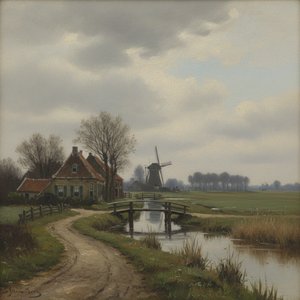
Jacob Henricus Maris: A Master of Dutch Atmospheric Realism & the Intimate Landscape
Explore the captivating world of Jacob Henricus Maris, a leading figure of the Dutch Hague School. Discover his atmospheric landscapes, signature brushstrokes & lasting influence on 19th-century art. Learn more at OriginalUniqueArt.