Gongbi Landscape · 1530
Handscroll (Qiu Ying, 1530)
Qiu Ying (1494–1552) je izdelal Handscroll. Zajema leto 1530. Spada v umetniško smer Gongbi Landscape. Izdelano je iz Acrylic On Canvas. Del se nahaja v muzeju Metropolitanski muzej umetnosti v mestu New York, Združene države Amerike.
- 1530
- Acrylic On Canvas
- Metropolitanski muzej umetnosti, New York

 Predogled v realnem okolju

 Ročno izdelano oljno slikarstvo
 Pošlji
 Deli
 Informacijski list za tjači


 Prenesi sliko
 Podobni izdelki
 Rentgenski posnetek
 Predvajaj diaporama
 Vprašanja in odgovori

 Statistika
Handscroll, na kratek
- Naslov
- Handscroll
- Umetnik
- Qiu Ying (1494–1552)
- Umetnik, rojen v
- Taicang, Ljudska republika Kitajska
- Datum
- 1530
- Tehniko
- Acrylic On Canvas
- Kje je razstavljeno
- Metropolitanski muzej umetnosti, New York, Združene države Amerike
- Gibanje
- Gongbi Landscape
- Obdobje
- Late Medieval
- Tema
- ming dynasty, landscape, scroll, qiu ying, luohans, chinese art
Kaj prikazuje Handscroll?
Qiu Ying’s “Up the River During Qingming”: A Masterpiece of Ming Dynasty Serenity
“Up the River During Qingming,” painted by Qiu Ying during the mid-16th century, is more than just a landscape; it's a carefully constructed meditation on harmony, leisure, and the enduring beauty of nature. Attributed to one of China’s Four Masters of the Ming Dynasty – alongside Shen Zhou, Tang Yin, and Wen Zhengming – this exquisite handscroll offers a rare glimpse into the refined aesthetic sensibilities of Suzhou during that era. The work, currently residing in the collection of the National Gallery of Canada, invites viewers into a tranquil scene brimming with subtle symbolism and masterful brushwork.
Qiu Ying’s artistic journey was remarkably unconventional for his time. Rather than pursuing formal training within established art circles, he began as a lacquer artisan, honing his skills in meticulous detail – a foundation that profoundly influenced the precision and control evident throughout “Up the River During Qingming.” This early experience instilled in him an unparalleled understanding of line and color, qualities he would later translate into his celebrated landscape paintings. His apprenticeship with Zhou Chen in Suzhou further solidified his technical abilities, exposing him to the techniques of the Wu School, known for its emphasis on ink washes and a more expressive approach to nature.
A Symphony of Detail: Technique and Style
The painting’s remarkable quality stems from Qiu Ying's mastery of the gongbi technique – a highly detailed, realistic style that was favored by court painters. Each element—from the meticulously rendered bamboo stalks to the delicate folds of the pavilions—is executed with painstaking precision, creating an illusion of incredible depth and texture. Notice the subtle gradations of color achieved through layering washes of ink and pigment; this creates a luminous quality that brings the scene to life. The composition is carefully balanced, drawing the eye across the landscape in a deliberate and engaging manner. The artist’s use of loose brushwork, particularly in depicting the distant mountains and flowing river, contrasts beautifully with the tightly controlled detail of the foreground elements, demonstrating Qiu Ying's versatility and his ability to seamlessly blend different artistic approaches.
Symbolism Woven into the Landscape
“Up the River During Qingming” is rich in symbolic meaning. The scene depicts a scholar leisurely enjoying a day by the river, surrounded by carefully arranged pavilions and gardens. This imagery reflects the Confucian ideals of scholarly pursuits, contemplation, and harmony with nature – values highly esteemed during the Ming Dynasty. The presence of the tavern and the farmer gathering water vegetables adds a touch of everyday life to the scene, reminding us that even amidst beauty and tranquility, human activity continues. The bamboo grove, a recurring motif in Chinese art, symbolizes resilience, integrity, and longevity—qualities admired in virtuous individuals. The distant mountains represent permanence and stability, while the flowing river embodies fluidity and change.
A Window into Ming Dynasty Culture
Beyond its aesthetic beauty, “Up the River During Qingming” offers a valuable insight into Ming Dynasty culture. It reflects the importance of gardens as spaces for contemplation, artistic expression, and social interaction. The lavish furnishings within the pavilions—including the exquisite celadon vase—demonstrate the wealth and sophistication of the era’s elite. The painting also reveals the influence of philosophical ideas, particularly those associated with Zhou Dunyi, whose “On the Love for the Lotus” inspired the scene's composition and symbolism. Qiu Ying’s ability to seamlessly integrate these diverse elements into a cohesive and harmonious whole is a testament to his artistic skill and cultural awareness.
Collecting a Legacy: Reproduction and Inspiration
Reproductions of “Up the River During Qingming” capture only a fraction of the painting's original impact. The subtle nuances of color, texture, and brushwork are difficult to replicate fully, but high-quality reproductions offer an accessible way to appreciate Qiu Ying’s artistry. This work serves as a powerful reminder of the enduring appeal of Chinese landscape painting—a genre that continues to inspire artists and captivate viewers with its beauty, symbolism, and profound sense of serenity.
V katerem muzeju se nahaja Handscroll?
Metropolitanski muzej umetnosti
New York, Združene države Amerike
Zgodovina in korenine Metropolitanskega muzeja umetnosti Metropolitanski muzej umetnosti se je rodil iz vizije, ki so jo delili poslovni vodje, finančniki ter vrhunski umetniki in misleci. Po ustanovitvi leta 1870 je institucija iskala stalni dom, ki bi pregledal nenehno rastočo zbirko pridobljenih umetniških del. Preden se je muzej dokončno udomovil na svoji trenutni lokaciji, je bil na kratko prisrčen v posestju Douglas Mansion na West 14th Street.


Visokoresolucijske slike dela Handscroll

Javna lastnina: umetnik je umrl leta 1552.
Druge velikosti, izrezave in citiranje →Qiu Ying, Handscroll (1530), Metropolitanski muzej umetnosti. Domen javne lastnine
Odgovori na vprašanja o Handscroll
Kje je danes razstavljeno "Handscroll" avtorja Qiu Ying?
Del "Handscroll" avtorja Qiu Ying je razstavljen v muzeju Metropolitanski muzej umetnosti, New York, Združene države Amerike. Navedba muzeja se nanaša na originalno delo, ne pa na reprodukcije.
Kdaj je bilo ustvarjeno "Handscroll"?
"Handscroll" avtorja Qiu Ying je nastalo leta 1530.
V kateri tehniki je izdelano delo "Handscroll" avtorja Qiu Ying?
Qiu Ying je za delo "Handscroll" uporabil/a tehniko Acrylic On Canvas. Ta tehnika opredeljuje materialno naravo izvirnega dela.
Katere teme se pojavljajo v delu "Handscroll" avtorja Qiu Ying?
Tematika v delu "Handscroll" avtorja Qiu Ying vključuje ming dynasty, landscape, scroll, qiu ying, luohans, chinese art, gongbi, ki skupaj predstavljajo vsebino umetninškega dela.
Ali je "Handscroll" v javni domeni?
Status avtorskih pravic za "Handscroll" avtorja Qiu Ying: del je v javni domeni – avtorska pravica je zastarela. To določa, ali se lahko reprodukcije slike izdelujejo prosto.
Kdo je ustvaril "Handscroll"?
Delo "Handscroll" je ustvaril Qiu Ying. Informacije na tej strani opisujejo izvirno delo umetnika Qiu Ying.
V kateri umetniški smer pripadajo "Handscroll" avtorja Qiu Ying?
"Handscroll" avtorja Qiu Ying pripada gibanju Gongbi Landscape. To gibanje zagotavlja slogovni kontekst dela.
V katero obdobje Qiu Yingove kariere spada delo "Handscroll"?
V okviru kariere umetnika Qiu Ying delo "Handscroll" pripada obdobju Mid-16th Century, kar omogoča primerjavo z ostalimi umetnikovimi deli.
Pri katerih letih je Qiu Ying ustvaril/a "Handscroll"?
Qiu Ying je bil/a star/a 36 let, ko je ustvaril/a "Handscroll" leta 1530. Starost je izračunana na podlagi leta rojstva umetnika, 1494.
O umetniku, Qiu Ying
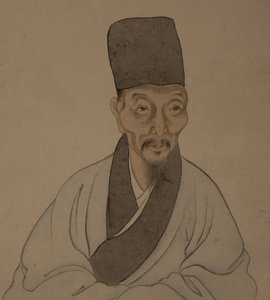
1494–1552, Ljudska republika Kitajska
Qiu Ying
Življenje, oblikovano s črtami: Svet Qiu Yinga Rodjen v skromnih okoliščinah leta 1494 v mestu Taicang, blizu današnje province Jiangsu, je se Qiu Ying vznesel na vrhmednosti kot eden najbolj slavnih slikarjev dinastije Ming. Za razliko od mnogih umetnikov svojega časa, ki so uživali v prednostih učenega vzgoje in formalne izobrazbe v uveljavljenih umetniških krogih, je bila pot Qiu Yinga izjemno samostojna. Svojo umetniško pot se ni začel po tradicionalnih kanalih, temveč kot učenc za lakarske okrasjevalce, kjer je izpiloval svoje veščine pri podrobnejem dekorativnem delu – temelj, ki bo globoko vplival na milimetrsko natančnost, značilno za njegove kasnejše slike. Te zgodnje izkušnje so v njem utrdile mojstrstvo linije in barve, lastnosti, ki jih je kasneje dopolnil pod mentorstvom Zhou Chena v Suzhouu, takratnem živahnem kulturnem središču obdobja Ming.
Tudi dela avtorja Qiu Ying
 Up the River During Qingming1644
 Zhao Mengfu Writing the Heart (Hridaya) Sutra in Exchange for Tea1542
 Lady Su Hui and Her Verse Puzzle501
 The Seven sages of the bamboo grove1552

Eseji o delu Handscroll
 Understanding Chinese Painting: A Comparison of Gongbi and XieyiMaster the differences between Gongbi and Xieyi styles. Discover the history and techniques of Chinese ink painting now.
 25 Must-See Masterpieces at Berlin's Alte NationalgalerieExplore 25 iconic masterpieces from Berlin's Alte Nationalgalerie. From Romanticism to Impressionism, discover them all on OriginalUniqueAr…
 Understanding Chinese Art: Literati Painting and Song Academy PaintingMaster the distinction between Song Academy and Literati painting styles. Explore Chinese art history through expert analysis today.