

 Preverite v realnem okolju
 Pošlji kot čestitko
 Deli
Deli
 Podrobnosti
 Priročnik

 Prenesi
 Podobni artefakti
 Rentgenski posnetek
 Predvajaj diaporama
 Statistika
Galatea (?)
 1509
1509 63.0 x 100.0 cm
 Preberi več
Kupite digitalno sliko visoke ločljivosti z izboljšano kakovostjo, ki je precej višja od spletnega predogleda.
Vsako datoteko naše strokovnjake v ekipi z največjo mero natančnosti pripravijo z uporabo naprednih orodij in strokovne ročne obdelave. Zagotovimo, da je vsaka slika izjemno jasna, barvno natančna in polna finih podrobnosti.
Končna datoteka je po e-pošti dostavljena v 72 urah, optimizirana za takojšnjo uporabo v profesionalnem, uredniškem in tiskarskem okolju. To je kakovost, ki ji zaupajo vrhunska oblikovalna studia, založniki in galerije.
Digitalna slika
Prenesite datoteko visoke ločljivosti za osebno uporabo, tiskanje in kreativne projekte. ( Preklop na tiskanine Naročite ročno slikano reprodukcijo)
Vključeno v vsako naročilo digitalne slike
Zagotovljena strokovna digitalna dostava
Z izbiro OriginalUniqueArt.com ne prejmete le slike – prejmete profesionalno urejeno digitalno umetniško delo, izdelano z največjo natančnostjo in zavestno podprto z garancijo za zadovoljstvo. Tukaj je vse, kar bo z vašim naročilom samodejno priloženo:

Hitra dostava po e-pošti
Vaša digitalna slika visoke ločljivosti bo na vaš e-naslov poslana v roku 72 ur od zaklopa naročila – pripravljena za takojšnjo uporabo.

Digitalna datoteka z uporabo AI
Vaše umetniško delo je strokovno optimizirano z uporabo naprednih orodij umetne inteligence in ročne obdelave, kar zagotavlja največjo stopnjo podrobnosti, jasnosti in barvne natančnosti.

Brezplačna doletna ponovna dostava
Ste datoteko zaradi nespremietne napake izgubili ali izbrisali? Ni težav – vam jo bomo ponovno poslali kadar koli in brezplačno.

Brez uvoznih pristojbin – vedno
Svoje umetniško del uživajte takoj, brez carin, davkov ali stroškov dostave – digitalni prenosi so vedno brezdavčni.

Zagotovilo natančnosti barv
Z uporabo profesionalnih orodij in procesov upravljanja barv zagotavljamo, da vaša digitalna slika čim bolj natančno odraža prvotne barve.

100-dnevna garancija zadovoljstva
Če niste zadovoljni s svojo digitalno sliko, jo bomo uredili ali vam v 100 dneh povrnili 100% denarja – brez kakršnih koli vprašanj.

100% Garancija povračila denarja
Niste zadovoljni? Zagotavljamo vam popoln povračilo sredstev v 100 dneh po prejemu digitalne datoteke – brez dodatnih vprašanj.

Popusti pri večjih naročilih
Kupite 3 slike, prihranite 10% - Kupite 5 slik, prihranite 15% - Kupite 10+ slik, prihranite 20%. Odlično za kreativne projekte, galerije in agencije.
Vprašanja in odgovori
Ali lahko "Galatea (?)" pregledam podrobneje?
X-ray pogled dela "Galatea (?)" avtorja Pinturicchio je na strani Rentgenski pregled umetninine: interaktivno raziskovanje slike skozi enajst optičnih slojev.
Kje lahko kupim tiskanino dela "Galatea (?)" avtorja Pinturicchio?
"Galatea (?)" je na voljo kot umjetnička grafika na bombažnem platnu ali arhivskem papirju za platno. Naročila lahko oddate na strani Kakovostna tiskanina, v velikosti, ki jo izberete.
Kako lahko odkrijem umetniška dela, podobna delu "Galatea (?)" avtorja Pinturicchio?
Umetninice, podobne delu "Galatea (?)" avtorja Pinturicchio, so zbrane na strani Podobna dela te umetnine.
Biografija umetnika
Enigmatična prefinjenost Pinturicchia: Renesansni mojster
Bernardino di Betto, svet mu je pravil Pinturicchio – prijetno priimeljno ime, podano mu zaradi njegove majhne postave – se je leta 1454 pojavil v umetniškem srcu Perugije. Njegovo življenje se je odvijalo v obdobju neizmernega kulturnega previranja, ko je po vsej Italiji cvetela visoka renesansa, vendar je Pinturicchio izoblikoval svojo edinstveno pot, ki je združeval prehodno eleganco gotičnih tradicij z prihajajočimi novostmi dnešnjega časa. Medtem ko so se giganti, kot sta Leonardo da Vinci in Michelangelo, stremili k anatomski popolnosti in dramatičnemu realizmu, je Pinturicchio negoval slog, ki ga odlikuje prefinjena gracioznost, zapletena podrobnost in živahna, dekorativna senzibilnost. Njegova pot ni bila pot revolucionarnih prevratov, temveč izjemne izpiljenosti – spomen njegove veščine pri spreminjanju uveljavljenih oblik v nekaj edinstveno očarljivo.Od umbrijskih delavnic do papalnih naročil
Pinturicchij zgodnji razvoj ostaja deloma zavit v skrivnost, čeprav se verjame, da je svoje znanje izpiloval pod vodstvom manj znanih perujskih mojstrov, kot sta Bonfigli in Fiorenzo di Lorenzo. Ključni trenutek se je zgodil, ko je vstopil v orbit Perugija, svetlobno sivo znamenitega voditelja umbrijske šole. Po pričevanjih Giorgio Vasarija je Pinturicchio služil kot Perugijev asistent, kar je nedvomno oblikovalo njegov umetniški razvoj. Ta povezava se je izkazala ključna pri pridobivanju naročila za Sistino kapelo v Rimu v začetku 16. stoletja. Ob delu z nekaterimi najslavnejšimi umetniki tistega časa – med njimi Botticellijem, Ghirlandaiojem in Signorellijem – je Pinturicchio prispeval k temu monumentalnemu projektu, čeprav so njegove freske žal kasneje uničili, da bi naredili prostor za Michelangelovo Zadnji boj. Ta izkušnja pa je služila kot pomembna stopnica, ki ga je izpostavila novim vplivom in utrdila njegovo ugled.Plodno obdobje: Rim in Borgia apartmaji
Leta med 1484 in 1492 so za Pinturicchia predstavljala obdobje intenzivne produktivnosti, osredotočeno predvsem v Rimu. Prejel je naročila prestižnih družin, kot je bila Della Rovere, s svojim značilnim slogom pa je okrasil kapelce v cerkvi Santa Maria del Popolo. Ta dela so prikazala njegovo mojstvo v tehniki freske, ki jo odlikujejo nežne figure, bogato okrasljeni ozadji in nagnjenost k zapletenim dekorativnim motivom. Vendar pa je prav njegovo del za papeža Aleksandra VI. – Rodrigo Borgia – v resnici utrdilo njegovo mesto v umetnostni zgodovini. Ko je med letoma 1av 1492 in 1494 naročen na dekoracijo Borgia apartmajev v Vatikanu, je Pinturicchio ustvaril sklop sob, ki so bili obilno okrasjeni s freskami, prikazujočimi mitološke scene, portrete in alegorične predstavitve. Ti apartmaji, čeprav kontroverzni zaradi povezave z infamous družino Borgia, stoji kot izjemen primer renesančne dekorativne umetnosti, ki razkriva Pinturicchijovo sposobnost združevanja klasičnih motivov z njegovo lastno edinstveno estetsko senzibilnostjo. Uporaba zlata, živahnih barv in iluzionističnih tehnik je ustvarila vzdušje obilnega sjaja, ki odraža moč in ambicioznost papalnega dvora.Dediščina in trajni vpliv
Pinturicchij umetniški dediščini sta prefinjena eleganca in natančno виконавstvo. Čeprav morda ni dosegel iste stopnje slavnosti kot nekateri njegovi sodobniki, je njegov vpliv na naslednje generacije umetnikov neoidemljiv. Njegov edinstveni slog – harmonija gotične gracioznosti in renesanšne inovativnosti – je odmeval pri tistih, ki so cenili subtilnost in podrobnost. Demonstriral je izjemno sposobnost ustvarjanja vizualno osupljivih kompozicij, ki so bile tako estetsko prijetne kot intelektualno stimulativne. Njegovo del v knjižnici Piccolomini v Sieni, dokončano tik pred njegovo smrtjo leta 1513, stoji kot spomen njegove trajne talente. Freske, ki prikazujejo scene iz življenja pape Pio II., prikazujejo jasnost oblike in barve, ki napoveduje slog visoke renesanse. Pinturicchijeva umetnost še danes očarava gledalce in ponuja vpog v svet lepote, prefinjenosti in umetniškega mojstva – svet, kjer je nežna roka "maleega slikarja" pustila neizbrisno sled v panorami italijanske renesančne umetnosti.- Pomembna dela: Freske v Sistinski kapeli (uničene), Borgia apartmaji v Vatikanu, knjižnica Piccolomini v Sieni.
- Vplivi: Perugino, umbrijska šola slikarstva, gotične tradicije.
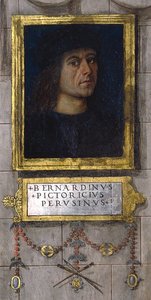
Pinturicchio
1454 - 1513 , Italija
Kratek pregled
- Datum Rojstva: 1454
- Datum Smrti: 1513
- Mesto Rojstva: Perugia, Italija
- Narodnost: italijanski
- Polno Ime: Bernardino di Betto
- Umetniki Ali Gibanja, Ki So Bila Pod Vplivom Tega Umetnika: ['Rafael']
- Umetniki, Ki So Vplivali Na Tega Umetnika:
- Perugino
- Bonfigli
- Fiorenzo di Lorenzo
- Umetniška Smer Ali Slog: Renesanca
- Znana Umetniška Dela:
- Freske v Sistinski kapeli
- Okrasitev Borgia stanovanj
- Svet Avgustin
- Breznaslovno (739)