
 Predogled v realnem okolju
 Pošlji
 Deli
Deli
 Podrobnosti o delu
 Priročnik

 Prenesi sliko
 Podobni izdelki
 Rentgenski posnetek
 Predvajaj diaporama
 Vprašanja in odgovori
 Statistika
Merry Company

- 64.0 x 74.0 cm


 Preberi več
Giclée tisk / Umetniški tisk
Giclée ali platnati odtis muzejske kakovosti z hitro proizvodnjo in prilagodljivimi možnostmi končne obdelave. ( Kupite ročno slikano delo Preklop na digitalno sliko)




P118B €10

P118H €10

P118W €10

P438Z €10

P508JH €12

P508YH €12

P805H €10

P805Z €10

P919BZ €10

P919G €10

P919XJ €10

P959ZH €10

P968JZ €12

W106C €8

W218G €10

W218JH €8

W218Y €10

W307PJ €10

W316G €10

W316PJ €8

W316Y €10

W398PJ €8

W4111J €10

W500HY €15

W500JH €15

W692G €12

W849H €8

W940BG €15

W953PJ €8




Izberite eno od naših vnaprej določenih velikosti, ki ustrezajo prvotnim proporcijam umetničkega dela.

Vnesite širino in višino, ki jih potrebujete za svoj okvir ali steno. Tiskanje se lahko le odreže, vendar ga ni mogoče narediti večjega od slike, zato format z drugačno obliko pomeni izgubo dela slike. Pred tiskanjem vam pošljemo digitalni predogled za potrditev. Slika, prikazana na tej strani, ne prikazuje dejanskega izrezka — le predogled to omogoča.
Globalna dostava () v 2 tednih namesto standardnih 4/5 tednov. (3 november)

Brezplačna ekspresna dostava po vsem svetu

Visokokakovostno laneno platno

Popolno zavarovanje pošiljke

Garancija povračila carine in uvoznih davkov

Garancija popolnega barvnega ujemanja

100-dnevna politika vračil (le v primeru okvar)

Garancija 100% povračila denarja

Popust pri večjem naročilu
 Možnost stekla je na voljo le za velikosti pod 110 cm

Merry Company
Giclée tisk / Umetniški tisk
Velikost reprodukcije
-


Skupna cena
€ 72
A Moment of Quiet Revelry: Pieter de Hooch’s “Merry Company”
Pieter de Hooch's "Merry Company," painted around 1600, isn’t merely a depiction of a gathering; it’s a carefully constructed tableau brimming with subtle symbolism and the quiet elegance characteristic of Dutch Golden Age art. This remarkable work, now housed within the Museum’s collection, offers a captivating glimpse into the social life of Amsterdam during its burgeoning prosperity – a world where commerce, artistry, and refined leisure intertwined. De Hooch, a master of capturing fleeting moments and intimate interiors, elevates an everyday scene to a level of profound observation, inviting us to contemplate the complexities of human interaction and the nuances of wealth and status. The painting’s enduring appeal lies not just in its technical brilliance but also in its ability to evoke a sense of understated charm and intellectual curiosity.The Composition: A Dance of Light and Gesture
At first glance, “Merry Company” presents a seemingly simple scene: a group of individuals assembled around a richly appointed table within a warmly lit room. However, closer inspection reveals a meticulously orchestrated composition. De Hooch’s masterful use of light is immediately striking – a soft, diffused illumination that washes over the figures and subtly defines their forms. The light source, cleverly positioned to suggest an unseen window, creates a sense of depth and atmosphere, drawing the viewer into the heart of the gathering. Notice how he employs chiaroscuro—the dramatic contrast between light and shadow—to emphasize key elements, such as the faces of those engaged in conversation and the details of the table setting. The figures themselves are rendered with remarkable sensitivity, each exhibiting a unique posture and expression that hints at their individual personalities and relationships. The arrangement isn’t haphazard; it's carefully balanced, creating a harmonious visual experience.Symbolism Within the Scene: Five Senses and Allegory
Beyond its surface beauty, “Merry Company” is rich in symbolic meaning. The painting has been interpreted as a meditation on the five senses – a concept central to Renaissance thought. The presence of food and drink clearly represents taste and touch, while music (implied by the instruments) speaks to hearing. However, the most intriguing element lies above the fireplace: a depiction of Ganymede, the mythological abduction of the beautiful youth by Zeus in the form of an eagle. This scene, often interpreted as a reference to the concept of the Five Senses, is not merely decorative; it adds a layer of complexity and perhaps even a touch of eroticism or theological allegory to the composition. Some critics suggest that Ganymede embodies the human soul, elevated by divine will, while others see a veiled commentary on earthly desires. The inclusion of this mythological episode elevates the scene beyond a simple depiction of social interaction, transforming it into a visual riddle inviting contemplation.Historical Context and Artistic Style
Pieter de Hooch’s work is firmly rooted in the Dutch Golden Age (1600-1700), a period of unprecedented economic prosperity and artistic innovation. His paintings reflect the values and aspirations of the emerging middle class – a society that valued both material wealth and intellectual pursuits. De Hooch was particularly renowned for his “room scenes,” capturing intimate moments within domestic interiors with remarkable realism and psychological insight. Unlike the grand, heroic narratives favored by some of his contemporaries, de Hooch focused on the everyday lives of ordinary people, offering a nuanced portrayal of their social interactions and emotional experiences. His style is characterized by its meticulous attention to detail, naturalism, and use of light – qualities that distinguish him from other artists of his time. The painting’s composition echoes works by earlier masters like Jacob van der Meer, but de Hooch imbues it with a distinctly personal touch, creating a unique and unforgettable image.A Timeless Appeal: Reproduction and Interior Design
“Merry Company” continues to resonate with audiences today, not only for its artistic merit but also for its evocative portrayal of human connection. Reproductions of this masterpiece offer a beautiful addition to any interior space, bringing a touch of Dutch Golden Age elegance and intellectual curiosity into the home. The painting’s subtle color palette, masterful composition, and rich symbolism create a visually stimulating experience that invites contemplation and conversation. Consider pairing a reproduction with warm, inviting furnishings – perhaps a richly upholstered armchair or a vintage wooden table – to further enhance its atmosphere. “Merry Company” is more than just a painting; it's an invitation to slow down, observe, and appreciate the beauty of everyday life.Vprašanja in odgovori
Ali je "Merry Company" znano umetniško delo v slogu Dutch Golden Age?
"Merry Company" avtorja Pieter De Hooch je razvrščeno kot Recognized in pripada gibanju Dutch Golden Age.
Ali se "Merry Company" avtorja Pieter De Hooch nahaja v matični državi umetnika?
Ne – umetniško delo se nahaja v tujini. Rodna država umetnika Pieter De Hooch je Nizozemska, original dela "Merry Company" pa se nahaja v muzeju v državi Portugal.
い哪種媒介是用來創作 "Merry Company" avtorja Pieter De Hooch 的?
Pieter De Hooch je za delo "Merry Company" uporabil/a tehniko Oil On Canvas. Ta tehnika opredeljuje materialno naravo izvirnega dela.
Biografija umetnika
zgodnje življenje in izobraževanje
Pieter de Hooch, izstopajoča osebnost nizozemskega zlate dobe, se je rodil 20. decembra 1629 v Rotterdamu na Nizozemskem. Kot najstarejši iz petih otrok Hendricksa Hendricksza de Hoocha, zdrugarja, in Annetge Pieters, porodnice, je odmakon od zgodovinskih zapisov o svojem zgodnjem obdobju. Verjamemo le, da je svoje umetniško pot preživeti v mestih Rotterdam, Delft in Amsterdam. Njegovo umetniško izobraževanje se je odvijalo v Haarlemu pod mentorstvom pejzažnika Nicolaesa Berchema, ob ይቀobu Ochterveltu. To obdobje je postavilo temelje za njegov prihodnji uspeh kot mojstra tihih domačih scen, ki jih zaznamajo odprta vrata in globina prostora.umetnični slog in teme
De Hoochovo delo prepoznavamo po izjemni pozornosti do detajlov, naturalizmu in virtuozni uporabi svetlobe. Njegove slike pogosto prikazujejo vsakdanje življenje, ki odraža vrednote in aspiracije vzrastajočega srednjega razreda. Odlično pričedo temu slogu je "dvorišče hiše v Delftu" (1658), ki s svojo subtilnostjo prikaže njegovo sposobnost zajema preprostih trenutov vsakdana. Čeprav de Hoochovo delo deli podobne teme in kompozicije z umetnikom, kot je Emanuel de Witte, ga njegova osredotočenost na ljudi in njihove medsebojne odnose loči od drugih. Ta človečnost je jasno vidna v delih, kot sta "dojenje ženske" (1658) in "ženska z dojenčkom v utrinah" (1658), ki dokazujeta njegovo globoko zanimanje za intimo domačega življenja.pomembna dela in dediščina
Med najprepoznavnejša de Hoochova umetniška dosežka lahko štejemo:- "veseli pijalec" (okoli leta 1650)
- "igralci kart v osvetljeni sobi" (1658)
- "ženska, ki pripravlja kruh in maslo za boya" (1661)
muzeji in zbirke
De Hoochova dela so razpršena po številnih prestižnih muzejih, vključno s Koninklijk Museum voor Schone Kunsten v Antwerpenu v Belgiji, ki v svojo zbirko vključuje obsežno evropsko umetnost od 15. do 20. stoletja. Odkrijte več o Pieterju de Hoochu in njegovih delih na OriginalUniqueArt: [https://OriginalUniqueArt.com/@/pieter-de-hooch](https://OriginalUniqueArt.com/@/pieter-de-hooch) /sl/art/show/art-d3b4kt-sl/ (spoznajte vrhunska dela iz Koninklijk Museum voor Schone Kunsten, Belgija)
Pieter De Hooch
1629 - 1694 , Nizozemska
Hitri podatki
- Artistic Movement Or Style: Delftska šola, Nizozemsko zlato dobe
- Artists Or Movements Influenced By This Artist: ['Jan Vermeer']
- Artists Who Influenced This Artist: ['Nicolaes Berchem']
- Date Of Birth: 20. december 1629
- Full Name: Pieter Hendricksz de Hooch
- Nationality: Nizozemski
- Notable Artworks:
- Prazna steklenica
- Ženska, ki bere list
- Igralci kart v osvetljeni sobi
- Ženska, ki pripravlja kruh in maslo
- Place Of Birth: Rotterdam, Nizozemska
Sorodni članki

About Us
Discover our story! We bring world-class art into your life through expert curation, personalized creations, and free previews. Trusted by individuals and businesses since 2000.
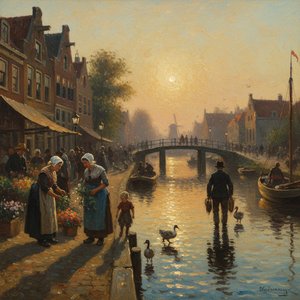
Wilhelmus de Zwart: Capturing Dutch Life Through the Lens of Realism & Impressionism
Explore the captivating world of Wilhelmus de Zwart, a Dutch master bridging Realism & Impressionism. Discover his landscapes, cityscapes, and unique technique – a compelling study for art enthusiasts and collectors.

Willem van de Velde the Elder: Master of Maritime Painting & Chronicler of the Dutch Golden Age
Discover the captivating maritime paintings of Willem van de Velde the Elder, a master chronicler of the Dutch Golden Age. Explore his unparalleled realism and lasting influence on naval art history.

Francisco Goya: 25 Mojstrovin Španskega Slikarja za Vaš Dom | OriginalUniqueArt
Odkrijte 25 mojstrovin Francisca Goye – od portretov do Črne serije. Preberite zgodbe za vsako sliko, tehnike in navdih. Kvalitetne reprodukcije slik za vaš dom na OriginalUniqueArt.com! Raziskajte celotno zbirko online.
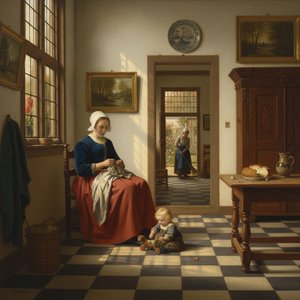
Pieter de Hooch: Illuminating Dutch Domestic Life & Golden Age Charm
Explore the captivating world of Pieter de Hooch, a master of Dutch Golden Age painting. Discover his innovative use of light, intimate domestic scenes, and lasting influence on art history. Learn more at OriginalUniqueArt.
