

 Preverite v realnem okolju
 Pošlji kot čestitko
 Deli
Deli
 Podrobnosti
 Priročnik

 Prenesi
 Podobni artefakti
 Rentgenski posnetek
 Predvajaj diaporama
 Statistika
A Musical Party
 Oil On Canvas
- WallArt
- Dutch Golden Age
 1675
1675- Early Modern
 106.0 x 137.0 cm
 English Heritage
 Preberi več
Giclée tisk / Umetniški tisk
Giclée ali platnati odtis muzejske kakovosti z hitro proizvodnjo in prilagodljivimi možnostmi končne obdelave. ( Naročite ročno slikano reprodukcijo Preklop na digitalno sliko)




P118B $10

P118H $10

P118W $10

P438Z $10

P508JH $12

P508YH $12

P805H $10

P805Z $10

P919BZ $10

P919G $10

P919XJ $10

P959ZH $10

P968JZ $12

W106C $8

W218G $10

W218JH $8

W218Y $10

W307PJ $10

W316G $10

W316PJ $8

W316Y $10

W398PJ $8

W4111J $10

W500HY $15

W500JH $15

W692G $12

W849H $8

W940BG $15

W953PJ $8




Izberite eno od naših vnaprej določenih velikosti, ki ustrezajo prvotnim proporcijam umetničkega dela.

Svoje dimenzije lahko vnesete sami, da bodo ustrezne za določen okvir ali prostor. Če izbrana velikost ne bo skladna z razmerji izvirne slike, bomo umetniško delo orezali ali podaljšali s pomočjo ogledalnega odraza ali barvno polnega roba. Pred začetkom proizvodnje vam bomo poslali digitalni predogled za potrditev.
Upoštevajte, da predogled na zaslonu ne prikazuje dejanskega orezovanja ali podaljševanja. Le digitalni predogled bo natančno prikazal končno kompozicijo.
Čeprav so na voljo prilagojene velikosti, priporočamo izbiro dimenzije s predhodno določenega seznama, da ohranite prvotna razmerja.
Globalna dostava () v 2 tednih namesto standardnih 4/5 tednov. (26 september)

Brezplačna ekspresna dostava po vsem svetu

Visokokakovostno laneno platno

Popolno zavarovanje pošiljke

Garancija povračila carine in uvoznih davkov

Garancija popolnega barvnega ujemanja

Politika vračila v 100 dneh (le v primeru okvar)

Garancija 100% povračila denarja

Popust pri večjem naročilu
 Možnost stekla je na voljo le za velikosti pod 110 cm

A Musical Party
Giclée tisk / Umetniški tisk
Velikost reprodukcije
-


Skupna cena
$ 80
The Luminous Heart of Domestic Merriment
To gaze upon this depiction of "A Musical Party" is to step directly into the warm, glowing embrace of the Dutch Golden Age. Pieter de Hooch masterfully captures not merely an event, but a palpable atmosphere—a moment suspended in time where conviviality and artistry intertwine. The scene unfolds within a richly appointed interior, suggesting the comfortable elegance of a prosperous household from 1675. It is a tableau vivant of social grace; one can almost hear the vibrant strains of the violin echoing through the room, mingling with hushed laughter and murmured conversation. De Hooch’s genius lies in his ability to elevate the everyday gathering into something mythic, suggesting that true beauty resides within shared human experience.
Mastery of Light and Domestic Space
Technically, this work is a profound study in light. Pieter de Hooch was renowned for his unparalleled handling of natural illumination, and here it shines through with breathtaking clarity. The light seems to pour in from unseen sources—perhaps an open doorway just beyond the frame—illuminating dust motes dancing in the air and casting those characteristic, gentle shadows that define Dutch genre painting. Notice how the light catches the polished wood of the dining table and reflects softly off the gathered figures. This meticulous attention to naturalism is what makes the scene feel so immediate; it breathes. The composition guides the eye effortlessly across the assembled company—the musicians, the attentive listeners, even the casually placed pets, such as the watchful dogs and the resting cat—all contributing to a sense of ordered, yet joyful, chaos.
A Glimpse into 17th-Century Society
Historically, this painting offers an intimate window into the life of the burgeoning middle class in the Netherlands. These were not scenes of royal excess, but rather celebrations rooted in culture, music, and community—the hallmarks of a society that valued domestic tranquility alongside artistic pursuit. The inclusion of so many figures suggests a gathering of friends or family enjoying leisure time, an activity highly prized during this era. It speaks to a life lived with refinement, where the arts were not mere entertainment, but integral components of social bonding. For the modern admirer, it serves as a poignant reminder of the enduring power of shared cultural moments.
Symbolism and Enduring Warmth
Beyond the surface gaiety, there is a subtle symbolism at play. The music itself acts as the emotional conduit; it binds the disparate individuals into one collective experience. The presence of domestic animals—the dogs and the cat—grounds the lofty celebration in tangible reality, suggesting that life’s greatest joys are often found amidst the familiar comforts of home. When considering this piece for a collector's wall or an interior design focal point, one is not simply acquiring paint on canvas; one is adopting a feeling—a deep, resonant sense of belonging and cultured warmth that transcends the centuries.
Biografija umetnika
zgodnje življenje in izobraževanje
Pieter de Hooch, izstopajoča osebnost nizozemskega zlate dobe, se je rodil 20. decembra 1629 v Rotterdamu na Nizozemskem. Kot najstarejši iz petih otrok Hendricksa Hendricksza de Hoocha, zdrugarja, in Annetge Pieters, porodnice, je odmakon od zgodovinskih zapisov o svojem zgodnjem obdobju. Verjamemo le, da je svoje umetniško pot preživeti v mestih Rotterdam, Delft in Amsterdam. Njegovo umetniško izobraževanje se je odvijalo v Haarlemu pod mentorstvom pejzažnika Nicolaesa Berchema, ob ይቀobu Ochterveltu. To obdobje je postavilo temelje za njegov prihodnji uspeh kot mojstra tihih domačih scen, ki jih zaznamajo odprta vrata in globina prostora.umetnični slog in teme
De Hoochovo delo prepoznavamo po izjemni pozornosti do detajlov, naturalizmu in virtuozni uporabi svetlobe. Njegove slike pogosto prikazujejo vsakdanje življenje, ki odraža vrednote in aspiracije vzrastajočega srednjega razreda. Odlično pričedo temu slogu je "dvorišče hiše v Delftu" (1658), ki s svojo subtilnostjo prikaže njegovo sposobnost zajema preprostih trenutov vsakdana. Čeprav de Hoochovo delo deli podobne teme in kompozicije z umetnikom, kot je Emanuel de Witte, ga njegova osredotočenost na ljudi in njihove medsebojne odnose loči od drugih. Ta človečnost je jasno vidna v delih, kot sta "dojenje ženske" (1658) in "ženska z dojenčkom v utrinah" (1658), ki dokazujeta njegovo globoko zanimanje za intimo domačega življenja.pomembna dela in dediščina
Med najprepoznavnejša de Hoochova umetniška dosežka lahko štejemo:- "veseli pijalec" (okoli leta 1650)
- "igralci kart v osvetljeni sobi" (1658)
- "ženska, ki pripravlja kruh in maslo za boya" (1661)
muzeji in zbirke
De Hoochova dela so razpršena po številnih prestižnih muzejih, vključno s Koninklijk Museum voor Schone Kunsten v Antwerpenu v Belgiji, ki v svojo zbirko vključuje obsežno evropsko umetnost od 15. do 20. stoletja. Odkrijte več o Pieterju de Hoochu in njegovih delih na OriginalUniqueArt: [https://OriginalUniqueArt.com/@/pieter-de-hooch](https://OriginalUniqueArt.com/@/pieter-de-hooch) /sl/art/show/art-d3b4kt-sl/ (spoznajte vrhunska dela iz Koninklijk Museum voor Schone Kunsten, Belgija)
Pieter De Hooch
1629 - 1694 , Nizozemska
Ključne informacije
- Artistic Movement Or Style: Delftska šola, Nizozemsko zlato dobe
- Artists Or Movements Influenced By This Artist: ['Jan Vermeer']
- Artists Who Influenced This Artist: ['Nicolaes Berchem']
- Date Of Birth: 20. december 1629
- Full Name: Pieter Hendricksz de Hooch
- Nationality: Nizozemski
- Notable Artworks:
- Prazna steklenica
- Ženska, ki bere list
- Igralci kart v osvetljeni sobi
- Ženska, ki pripravlja kruh in maslo
- Place Of Birth: Rotterdam, Nizozemska
Sorodni članki

Francisco Goya: 25 Mojstrovin Španskega Slikarja za Vaš Dom | OriginalUniqueArt
Odkrijte 25 mojstrovin Francisca Goye – od portretov do Črne serije. Preberite zgodbe za vsako sliko, tehnike in navdih. Kvalitetne reprodukcije slik za vaš dom na OriginalUniqueArt.com! Raziskajte celotno zbirko online.

Golden Light & Dutch Skies: The Timeless Magic of Dutch Golden Age Landscapes
Discover the breathtaking beauty of Dutch Golden Age landscapes. Explore the mastery of light, chiaroscuro, and 17th-century realism through an expert art history lens, celebrating the enduring legacy of the Dutch Masters for discerning collectors and art lovers.
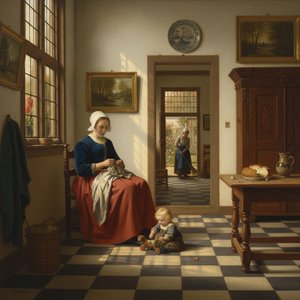
Pieter de Hooch: Illuminating Dutch Domestic Life & Golden Age Charm
Explore the captivating world of Pieter de Hooch, a master of Dutch Golden Age painting. Discover his innovative use of light, intimate domestic scenes, and lasting influence on art history. Learn more at OriginalUniqueArt.

Willem van de Velde the Elder: Master of Maritime Painting & Chronicler of the Dutch Golden Age
Discover the captivating maritime paintings of Willem van de Velde the Elder, a master chronicler of the Dutch Golden Age. Explore his unparalleled realism and lasting influence on naval art history.

10 Mojstrovin Nizozemske Zlate dobe: Umjetnost, ki je definirala svojo dobo
Odkrijte 10 mojstrovin Nizozemske zlate dobe! Rembrandt, Vermeer & več – spoznajte zgodbe za temi ikoničnih umetnin. Inspirirajte se za notranji dizajn in poiščite reprodukcije na OriginalUniqueArt.com!
