Preverite v realnem okolju
 Pošlji kot čestitko
 Deli
Deli
 Podrobnosti
 Priročnik

 Prenesi
 Podobni artefakti
 Rentgenski posnetek
 Predvajaj diaporama
 Statistika
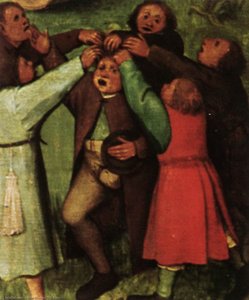
Desidia (Sloth), 1557


 Preberi več
Giclée tisk / Umetniški tisk
Giclée ali platnati odtis muzejske kakovosti z hitro proizvodnjo in prilagodljivimi možnostmi končne obdelave. ( Naročite ročno slikano reprodukcijo Preklop na digitalno sliko)




P118B €10

P118H €10

P118W €10

P438Z €10

P508JH €12

P508YH €12

P805H €10

P805Z €10

P919BZ €10

P919G €10

P919XJ €10

P959ZH €10

P968JZ €12

W106C €8

W218G €10

W218JH €8

W218Y €10

W307PJ €10

W316G €10

W316PJ €8

W316Y €10

W398PJ €8

W4111J €10

W500HY €15

W500JH €15

W692G €12

W849H €8

W940BG €15

W953PJ €8




Izberite eno od naših vnaprej določenih velikosti, ki ustrezajo prvotnim proporcijam umetničkega dela.

Vnesite širino in višino, ki jih potrebujete za svoj okvir ali steno. Tiskanje se lahko le odreže, vendar ga ni mogoče narediti večjega od slike, zato format z drugačno obliko pomeni izgubo dela slike. Pred tiskanjem vam pošljemo digitalni predogled za potrditev. Slika, prikazana na tej strani, ne prikazuje dejanskega izrezkov — le predogled to omogoča.
Globalna dostava () v 2 tednih namesto standardnih 4/5 tednov. (23 oktober)

Brezplačna ekspresna dostava po vsem svetu

Visokokakovostno laneno platno

Popolno zavarovanje pošiljke

Garancija povračila carine in uvoznih davkov

Garancija popolnega barvnega ujemanja

Politika vračila v 100 dneh (le v primeru okvar)

Garancija 100% povračila denarja

Popust pri večjem naročilu
 Možnost stekla je na voljo le za velikosti pod 110 cm

Desidia (Sloth), 1557
Giclée tisk / Umetniški tisk
Velikost reprodukcije
-


Skupna cena
€ 70
A Tapestry of Inertia: The World Within Bruegel’s Desidia
In the vast, swirling landscape of Pieter Bruegel the Elder’s 1557 masterpiece, Desidia (Sloth), the viewer is not merely presented with a painting, but rather invited into a profound psychological state. At first glance, the composition appears to be a bustling tableau of Northern Renaissance life, yet beneath the surface of this lively scene lies a biting critique of human stagnation. Bruegel, a master of capturing the intricate dance between the mundane and the moral, utilizes a sprawling landscape to house a multitude of figures—men, women, animals, and even aquatic life—all caught in various states of aimless existence. It is a world where movement exists without purpose, and activity serves only to mask a deeper, more unsettling stillness.
The technique employed by Bruegel is nothing short of miraculous, showcasing a meticulous attention to detail that draws the eye through an endless labyrinth of narrative threads. Every brushstroke contributes to a sense of overwhelming abundance; one might find themselves mesmerized by the texture of a distant boat laden with goods or the subtle, weary expression on a figure lost in thought. This level of precision creates a sensory experience that is both immersive and exhausting, mirroring the very concept of sloth—a heavy, inescapable weight that settles over the landscape. For the collector or designer, this complexity offers an unparalleled depth, as the artwork reveals new secrets upon every subsequent viewing.
Symbolism and the Weight of the Human Condition
To gaze upon Desidia is to engage with the intellectual ferment of the mid-16th century. Created during a period where the High Renaissance was transitioning into the more stylized Mannerism, Bruegel’s work stands as a humanist observation of vice and virtue. The painting serves as a moralizing mirror, reflecting the anxieties of a society grappling with newfound wealth and the temptations of material luxury. The central personification of Sloth—often depicted through dozing figures or sluggish animals like the iconic donkey—acts as a focal point for a broader commentary on the loss of spiritual and civic purpose. Bruegel masterfully weaves visual proverbs into the scenery, where even a man stuck in a house or a group of gamblers at a tavern becomes a symbol of the soul's inertia.
There is an undeniable emotional resonance in how Bruegel balances the grotesque with the beautiful. He does not shy away from portraying the unpolished or the unsightly, yet he imbues the entire composition with a rhythmic, almost musical quality. This duality makes the piece particularly compelling for modern interiors; it possesses the gravitas of a historical document while maintaining a vibrant, living energy. It is an artwork that demands contemplation, challenging the viewer to reflect on their own relationship with ambition, productivity, and the quiet, often dangerous, allure of doing nothing at all.
An Eternal Masterpiece for the Discerning Eye
For those seeking to curate a space with profound narrative power, a high-quality reproduction of Desidia offers more than just decoration; it provides a window into the Renaissance mind. The painting’s ability to anchor a room with its historical weight and intricate storytelling makes it an ideal centerpiece for libraries, studies, or sophisticated living areas. It is a piece that speaks to the intellect and stirs the imagination, bridging the gap between the 16th-century Flemish landscape and the contemporary aesthetic of thoughtful, curated living.
Owning a tribute to Bruegel’s genius allows one to preserve the legacy of Northern European expression. Whether viewed as a study in Renaissance technique or as a profound philosophical statement on the nature of human behavior, Desidia remains an enduring icon of art history—a timeless reminder that even in our most idle moments, there is a complex and beautiful story unfolding.
Vprašanja in odgovori
Kateri prostor se ujema z barvami dela "Desidia (Sloth), 1557" avtorja Pieter Bruegel Starejši?
Z svojo paleto Neutrals je delo "Desidia (Sloth), 1557" avtorja Pieter Bruegel Starejši priporočljivo za Living Room. Barve so eden razlogov za to predlog.
Ali je "Desidia (Sloth), 1557" avtorja Pieter Bruegel Starejši svetlo ali temno umetniško delo?
"Desidia (Sloth), 1557" avtorja Pieter Bruegel Starejši je zabeležen z jasnostjo brilliant in luminanco Bright Balance.
Kakšne so pravice do reprodukcije dela "Desidia (Sloth), 1557" v muzeju Albertina?
Status avtorske pravice za "Desidia (Sloth), 1557" avtorja Pieter Bruegel Starejši je jasen: del pripada v javni domeni – njegova avtorska pravica je zastarela. Njegova prisotnost v muzeju Albertina ta status ne spreminja.
Biografija umetnika
Pieter Bruegel the Elder (c. 1525–1569)
Pieter Bruegel starejši je bil najpomembnejši nizozemski umetnik stoletja XVI., ki sta mu najbolj poznana krajinska umetnost in živahna, pogosto šaljna scena ljudskega življenja. Živel je v Bruslu od mladosti do smrti, kjer je postal voditelj gledališča svetega Luka leta 1551 in 1552, kar pomeni profesionalno neodvisnost in ga je priznano umetnico postavilo v središče živahnega umetniškega okolja mesta. Van Aelstova delavnica ni bila le mesto umetniške izobrazbe; bila je križ pota, kjer so tradicionalne tehnike srečevale nove ideje, oblikovala Brueglova prihodnja vizija.Wanderings and the Forging of a Unique Vision
Po diplomi je Bruegel začel razširjene potovanje, ki sta mu nedvoma zaznamala umetniško razvoj. Med leti 1551 in 1553 je potoval Francijo, Švicarsko Italijo, skuščal opazovati različne kulture. Te ni bila samo turistična ekskurzija; šlo je za ekspedicijo opazovanja znanja. Italiji Bruegel srečal umetnike Renesanse, vendar njegova umetniška temperament ostaja zelo severnoevropska. Ni samo sprejel italijanskih stilov ampak jih je absorbiral njihovo vlogo in jih filtriral skozi svojo edinstveno čustveno zaznavanje. Alpe so pustili nedvoma pečat na kompozicijski strukturo atmosferske perspektive, ki jo najdemo v mnogih njegovih kasnejših krajinskih slikah. Po vrnitvi v Antwerp leta 1553 je bil sprejet kot prosti mojster gledališča svetega Luka, kar pomeni profesionalno neodvisnost in ga je priznano umetnico postavilo v središče živahnega umetniškega okolja mesta.Beyond Myth and Religion: A New Focus for Art
Bruegelova prava inovacija je bila predmet umetnosti. Pogosto je odpravil svojo pozornost od ustaljenih konvencij renesanse, ki so pogosto koncentrirale pozornost na verske narative ali klasično mitologijo. Namesto tega se je obrnil k življenju običajnih ljudi – ljudjem dela v poljih, državljanima praznovanja festivalov lovcem sprehajajočim se po snežnih krajinskih slikah. To ni bila zavrnitev tradicionalnih tem ampak vzravnavanje vsakdanjega življenja na raven visokega umetnosti. Krajinske slike niso bile samo ozadje; aktivno so sodelovala pri zgodbi, pogosto obložene simbolskim pomenom in odražale globoko razumevanje moči narave lepote. *Krajinska slika z padcem Ikarusa* je primer Brueglove inovacije – umetniški izdelek v olju na tabli, ki ga je leta 1562 naslikal nizozemski renesančni umetnik Pieter Bruegel starejši. Slika je velika 117 cm x 162 cm in je trenutno v Kraljevih muzejih likovnih umetnosti v Bruslju. Slika prikazuje Luciferja skupaj z drugimi padlimi angeli, ki so bili pregnani iz nebes. Angeli padajo s sonca zloženi skupaj z brezbožnimi bitji, ki jih je ustvaril Bruegel. Ta Brueglova slika je bila prej pripisana Hieronymusu Boschu. Na Bruegla so vplivali različni umetniki, kot so Albrecht Dürer, Frans Floris in Hieronymus Bosch. Ideje za ustvarjanje svojih bitij je dobil tudi v svojih prejšnjih delih, Poslednja sodba in Nora Meg (Dulle Griet). Slika je razcepljena pokrajina, pri čemer so zgornji del nebesa, spodnji pa predstavlja pekel. Nebesa ponazarjajo svetlo modra živahne barve obkrožena z letečimi angeli, medtem ko je pekel veliko temnejši od nebes. To ponazori s temnimi toni in demonskimi bitji, da določi razliko med obema. Ves prostor je zapolnjen zelo malo praznega prostora.Lasting Legacy: An Influence Across Centuries
Pieter Bruegel starejši je ostal vpliven na naslednje generacije umetnikov nedvoumnosti. Pogosto je postavil temelje za nizozemsko zlato obdobje umetnosti, navdihovala umetnika kot Isaac van Ostade Adriaen Brouwer z njegovimi realističnimi prikazovanjmi ljudskega življenja. Njegova inovativna metoda krajinske umetnosti je tudi odprla pot kasnejšim razvojem žanra, vplivala na umetnike, ki so iskali zajemanje lepote in veličanstva narave. Poleg slike Bruegelovo delo še danes resonira z modernimi gledalci pojavlja se v filmih Andrei Tarkovskega Solaris (1972) Lars von Trierja Melancholia (2011), kar dokazuje vztrajno moč njegove slike. Slikovne mojstrovstva Brueglova ponazarjajo časovno odrazo človeške kondicije – naš odnos z naravo naše borbe smrtjo sposobnost radosti in žalosti. Njegove slike ponujajo brezčasno odražanje človeške kondicije.
Pieter Bruegel Starejši
1525 - 1569 , Nizozemska
Ključne informacije
- Artistic Movement Or Style: Renaissance painting
- Artists Or Movements Influenced By This Artist: ['Dutch Golden Age painting']
- Artists Who Influenced This Artist: ['Hieronymus Bosch']
- Date Of Birth: c. 1525
- Date Of Death: 1569
- Full Name: Pieter Bruegel the Elder
- Nationality: Flemish
- Notable Artworks:
- Landscape with the Flight into Egypt
- The Triumph of Death
- Peasant Wedding
- Hunters in the Snow
- Place Of Birth: Breda, Netherlands
Sorodni članki

Pieter Bruegel the Elder: A Master of Genre, Landscape & Social Commentary
Explore the life & art of Pieter Bruegel the Elder, a pivotal figure of the Renaissance. Discover his groundbreaking genre scenes, symbolic landscapes, and lasting influence on art history. Learn more at OriginalUniqueArt.

Early Netherlandish Masters: 10 Paintings That Revolutionized Art & Decor
Journey into the world of Early Netherlandish painting! Explore 10 masterpieces by Jan van Eyck, Rogier van der Weyden & more. Discover stunning detail, symbolism & Renaissance art for your home decor. Find museum-quality reproductions on OriginalUniqueArt.com

Idyllic Visions: Exploring the Pastoral Scene in Art History – From Arcadia to Modern Interpretations
Explore the captivating history of pastoral art from classical Arcadia to modern masterpieces. Discover key artists like Millet & Cole at OriginalUniqueArt. Find serene landscape paintings for your home.
Jan Brueghel the Elder: A Master of Flemish Landscape & Allegory – Exploring Innovation & Influence
Explore the captivating world of Jan Brueghel the Elder, a Flemish Baroque master renowned for his stunning landscapes & allegorical paintings. Discover his collaborations with Rubens and lasting artistic legacy.
Idyllic Visions: Exploring the Pastoral Tradition in Western Art – Themes, Techniques & Enduring Appeal
Explore the rich history of pastoral art from classical Arcadia to contemporary interpretations. Discover key artists, themes & collecting tips at OriginalUniqueArt.