Meni

() ·

A painting made for you, by hand

George Weimer

Ročno izdelana oljna reprodukcija

Ročno slikano olje na platnu v vaši izbiri velikosti in okvirja, izdelano po naročilu naših umetnikov. ( Preklop na tiskanine Preklop na digitalno sliko)

Opis zbirateljskega predmeta

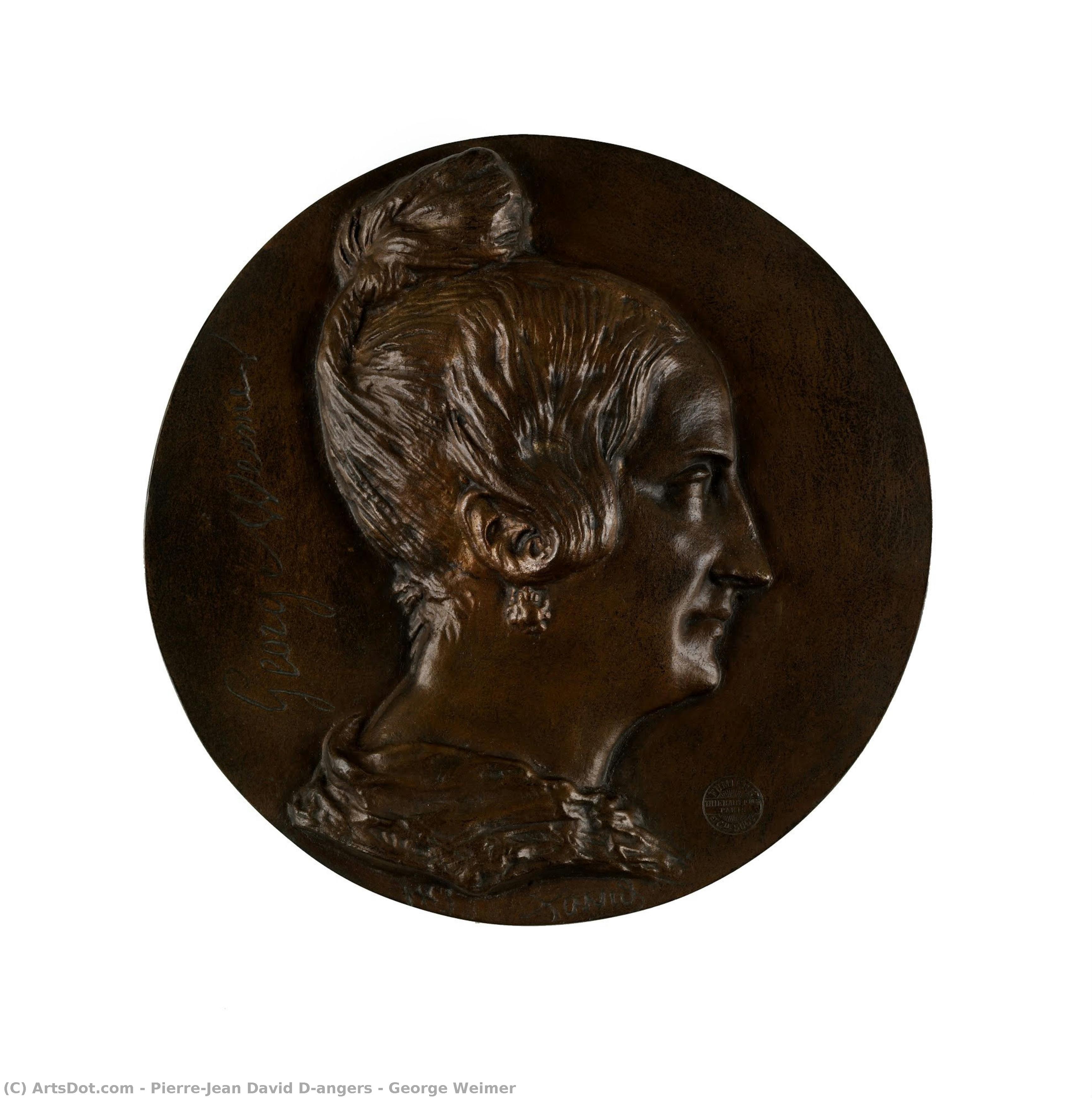
A striking bronze coin portrait of George Weimer, sculpted by Pierre-Jean David d’Angers. This piece captures the dramatic intensity of the French actress's life and legacy.

Biografija umetnika

Pierre-Jean David d'Angers (1788-1856): Francoski kipar in medalist, znan po neoklasičnih portretih, monumentalnih delih, kot je friz na Panteonu, in heroičnih figurah. Raziskujte njegovo dediščino!

from ·

Chapter 1

How large should it be?

Slide to change the size; the picture on the left shows the frame at its real width. The proportions of the original are kept.

Standardna velikost
po meri
CM
INCH

Izberite eno od naših vnaprej določenih velikosti, ki ustrezajo prvotnim proporcijam umetničkega dela.

širina
višina

Vnesite širino in višino, ki jih potrebujete, da se slika prilega vašemu okviru ali steni. Ker je delo ročno slikano, lahko umetnik pri različnih oblikih slik pri robovih doda malo več barve ali pa jih malo odreže — izberite sami. Pred začetkom slikanja vam pošljemo digitalni predogled za potrditev. Slika, prikazana na tej strani, ni končni rezultat — le predogled prikazuje dejansko podobo.

Chapter 2

How should it arrive?

Choose the edges of the stretched canvas

Choose your frame

Corner sample of the WhiteWrap canvas edge finish, stretched on masivno drevo bars
White €1
Corner sample of the BlurSideWrap canvas edge finish, stretched on masivno drevo bars
Blurside €1
Corner sample of the ExtendedWrap canvas edge finish, stretched on masivno drevo bars
Extended €1
Corner sample of the P118B picture frame: izoblit polistiren, 5 cm wide and 3 cm thick
P118B €10
Corner sample of the P118H picture frame: izoblit polistiren, 5 cm wide and 3 cm thick
P118H €10
Corner sample of the P118W picture frame: izoblit polistiren, 5 cm wide and 3 cm thick
P118W €10
Corner sample of the P438Z picture frame: izoblit polistiren, 5.5 cm wide and 3.5 cm thick
P438Z €10
Corner sample of the P508JH picture frame: izoblit polistiren, 7 cm wide and 3.5 cm thick
P508JH €12
Corner sample of the P508YH picture frame: izoblit polistiren, 7 cm wide and 3.5 cm thick
P508YH €12
Corner sample of the P805H picture frame: izoblit polistiren, 5 cm wide and 3.5 cm thick
P805H €10
Corner sample of the P805Z picture frame: izoblit polistiren, 5 cm wide and 3.5 cm thick
P805Z €10
Corner sample of the P919BZ picture frame: izoblit polistiren, 7 cm wide and 3.5 cm thick
P919BZ €10
Corner sample of the P919G picture frame: izoblit polistiren, 7 cm wide and 3.5 cm thick
P919G €10
Corner sample of the P919XJ picture frame: izoblit polistiren, 7 cm wide and 3.5 cm thick
P919XJ €10
Corner sample of the P959ZH picture frame: izoblit polistiren, 5 cm wide and 3 cm thick
P959ZH €10
Corner sample of the P968JZ picture frame: izoblit polistiren, 6 cm wide and 4 cm thick
P968JZ €12
Corner sample of the W106C picture frame: masivno drevo, 5 cm wide and 3 cm thick
W106C €8
Corner sample of the W218G picture frame: masivno drevo, 5 cm wide and 3 cm thick
W218G €10
Corner sample of the W218JH picture frame: masivno drevo, 5 cm wide and 3 cm thick
W218JH €8
Corner sample of the W218Y picture frame: masivno drevo, 5 cm wide and 3 cm thick
W218Y €10
Corner sample of the W307PJ picture frame: masivno drevo, 6 cm wide and 3 cm thick
W307PJ €10
Corner sample of the W316G picture frame: masivno drevo, 6 cm wide and 3 cm thick
W316G €10
Corner sample of the W316PJ picture frame: masivno drevo, 6 cm wide and 3 cm thick
W316PJ €8
Corner sample of the W316Y picture frame: masivno drevo, 6 cm wide and 3 cm thick
W316Y €10
Corner sample of the W398PJ picture frame: masivno drevo, 5 cm wide and 3 cm thick
W398PJ €8
Corner sample of the W4111J picture frame: masivno drevo, 6.5 cm wide and 3.5 cm thick
W4111J €10
Corner sample of the W500HY picture frame: masivno drevo, 7 cm wide and 5 cm thick
W500HY €15
Corner sample of the W500JH picture frame: masivno drevo, 7 cm wide and 5 cm thick
W500JH €15
Corner sample of the W692G picture frame: masivno drevo, 8 cm wide and 4 cm thick
W692G €12
Corner sample of the W849H picture frame: masivno drevo, 5 cm wide and 3 cm thick
W849H €8
Corner sample of the W940BG picture frame: masivno drevo, 7.5 cm wide and 4.5 cm thick
W940BG €15
Corner sample of the W953PJ picture frame: masivno drevo, 6 cm wide and 3.5 cm thick
W953PJ €8
Corner sample of the H24-GOLD picture frame: gravirano leseno okvopje z gessoem, 10 cm wide and 6 cm thick
H24-GOLD €30
Corner sample of the H24-SILVER picture frame: gravirano leseno okvopje z gessoem, 10 cm wide and 6 cm thick
H24-SILVER €30
Corner sample of the H36-GOLD picture frame: gravirano leseno okvopje z gessoem, 15 cm wide and 6.5 cm thick
H36-GOLD €45
Corner sample of the H36-SILVER picture frame: gravirano leseno okvopje z gessoem, 15 cm wide and 6.5 cm thick
H36-SILVER €45
Predogled okvirja
V okviru

Moulding: . Overall size with the frame: .

Chapter 3

Who paints it, and should anything change?

Examples of what can be changed: Replace face with customer photo; Add pet (e.g., replace cat with dog); Include hidden message in background; Change background landscape or elements.
After order, OriginalUniqueArt.com team will email client for instructions and provide a mockup preview

Mednarodna dostava () v 3/4 tednih namesto običajnih 5 tednov. (30 oktober). Brez kompromisov pri kakovosti.

Chapter 4

The finishing touches

A nameplate, as in a museum?

Podrobnosti o gravirani bronasti plošči

This elegant plaque features the artist's name and the title of the artwork, finely engraved for a timeless presentation.

It is made from bronze with a refined, elegant finish. The text is precisely laser-engraved for a sharp and permanent result. Measuring 9x2 cm, the plaque is compact yet easy to read. It's built to be durable and scratch-resistant, offering a professional, museum-quality look. Mounting is simple thanks to the included adhesive backing.

Podrobnosti o transparentni akrilni plošči

The plaque includes essential engraved details such as the artist's name, the title of the artwork, the date it was created, the type of media used-like oil on canvas or watercolor-a brief description of the piece, and a QR code that links to the complete artwork information.

It is crafted from clear acrylic, offering a sleek, modern appearance. The text is UV-engraved in black to ensure strong visual contrast. With a size of 10x15 cm, it ensures optimal readability. It comes equipped with two metal hooks for secure wall mounting. The plaque is designed to be weather-resistant, making it suitable for various environments, and it includes interactive features that work seamlessly with smartphone scanning.

Podrobnosti o črni akrilni plošči

This elegant plaque includes engraved information such as the artist's name, the title of the artwork, the date it was created, the type of media used (like oil on canvas or watercolor), a short description of the artwork, and a QR code for quick access to more information.

The plaque itself is made from refined black acrylic with a premium finish. The text is laser-engraved in white for high contrast and readability. Its size is 10x15 cm, designed to be easy to read. It comes with two metal hooks for professional mounting. The design is sleek and fits any interior style. It is also weather-resistant and durable, with built-in digital integration for mobile compatibility.

A protective varnish?

When do you need it?

Chapter 5

Your painting, as you ordered it

George Weimer

Tehnik reprodukcije

Velikost reprodukcije

-

Izbor vrhunskih umetnikov

Več podrobnosti, dovršenosti in dodatnega časa za izdelavo

-

Okvir za reprodukcijo

-

-

Za umetniška dela ali reprodukcije, ki so po katerikoli strani širše od 105 cm (približno 41 palč), bo okvir poslan v razstavljeni obliki kot komplet. Ta metoda zagotavlja varno dostavo in preprečuje poškodbe med transportom.

Potrebna je profesionalna montaža – to ni izdelek za DIY izdelavo.
Komplet mora sestaviti in platno napeti izkušen profesionalni okvirjest, pri čemer bo uporabil lepil za les (ni vključeno), klešče za napetje platna in spone, da bi ohranil pravokotnost letev med sušenjem lepila. Nepravilna montaža ali neenakomerna napetost platna lahko trajno poškoduje umetniško del in ni pokrita z našo garancijo.

  • Vključene so vse letve iz masivnega lesa, natančno izrezane po meri.

  • Montaža poteka s priloženimi vijaki, vendar je za kotiče potrebna lepil za les, ki ga ni v kompletu in ga mora zagotoviti vaš okvirnik.

  • Za uporabo so potrebna profesionalna orodja, ki niso vključena: klešče za napinjanje platna (napetnik) in sponke za ohranjanje pravokotnosti letev med sušenjem lepila.

Pomembno:
Za stike v kotih potrebujete lepil za les, nosilce je treba z spenjačami držati, dokler se lepil popolnoma ne suši, za zategovanje platna na sestavljenem okvirju pa potrebujete spenjače za platno. Noben od teh pripomočkov ni vključen v komplet. Pred naročilom te velikosti, prosimo, poskrbite za izkušenega profesionalnega okvirja.

Značka z imenom

-

-

Zaščitni lak

Sijajni lak (poudarja barve ter zagotavlja zaščito pred svetlobo in vlago)

-

Prilagodi svoje umetniško delo

Primeri možnih prilagoditev: zamenjava obraza s fotografijo kupca; dodajanje hišnega ljubljenčka (npr. zamenjava mačke s psom); vključitev skritega sporočila v ozadje; sprememba krajšave ali elementov ozadja.

-

Hitra dostava

Mednarodna dostava () v 3/4 tednih namesto običajnih 5 tednov. (30 oktober). Brez kompromisov pri kakovosti.

-

Hitra dostava

Globalna dostava () v 5 tednih. (6 november).

Vključeno v ceno

Skupna cena

€ 265

Skupna cena € 265

Možnost stekla je na voljo le za velikosti pod 110 cm

Included with every order

  • Brezplačna ekspresna dostava po vsem svetu
  • Visokokakovostno laneno platno
  • Popolno zavarovanje pošiljke
  • Garancija povračila carine in uvoznih davkov
  • Garancija popolnega barvnega ujemanja
  • 100-dnevna politika vračil (le v primeru okvar)
  • Garancija 100% povračila denarja
  • Popust pri večjem naročilu

A Portrait of Romanticism: George Weimer by Pierre-Jean David d'Angers

The image before you isn’t merely a depiction of a man; it’s a window into the heart of 19th-century France, a poignant study in melancholy and quiet dignity. This captivating portrait of Marguerite-Josephine Weimer, known as Mademoiselle George, is a masterful work by Pierre-Jean David d'Angers, executed around 1833, and now meticulously reproduced for discerning collectors and admirers of Romantic art. David’s skill lies not just in capturing likeness, but in imbuing his subject with an almost palpable sense of introspection – a quiet sorrow that resonates deeply even across the centuries.

The composition itself is deceptively simple. A close-up view focuses on Weimer's face, rendered with exquisite detail. The bronze coin serves as a compelling backdrop, its smooth surface and intricate design offering a subtle contrast to the softness of her features. Her gaze, directed downward, speaks volumes – it’s not a look of defiance or anger, but rather one of quiet resignation, perhaps reflecting the challenges faced by a woman navigating the demanding world of Parisian theatre in an era where female performers often struggled for recognition and respect. The pearl necklace, a symbol of elegance and status, hints at her past successes, while the hat adds a touch of formality, suggesting a life lived within the constraints of societal expectations.

The Artist and His Time

Pierre-Jean David d'Angers (1788-1856) was a pivotal figure in French art during a period of dramatic social and political change. Born in Angers, he initially trained as a woodcarver before being drawn to the burgeoning world of sculpture. His early apprenticeship with Jacques-Louis David, the celebrated neoclassical painter, provided him with a rigorous foundation in artistic technique and a deep understanding of classical ideals. However, David d’Angers quickly developed his own distinctive style, embracing the emotional intensity and dramatic narratives characteristic of the Romantic movement. His work frequently explored themes of heroism, tragedy, and the human condition – subjects that mirrored the turbulent times he inhabited.

The portrait itself was created during a period of intense artistic experimentation and social upheaval. The Napoleonic era had left France profoundly changed, and artists were grappling with questions of identity, national pride, and the role of art in shaping public opinion. David d’Angers's decision to adopt the name “David d’Angers” – a deliberate homage to his master while asserting his own artistic lineage – reflects this complex interplay between tradition and innovation.

Symbolism and Emotional Resonance

Beyond its technical brilliance, the portrait is rich in symbolic meaning. The downward gaze of Weimer suggests introspection and perhaps a sense of isolation—a common theme within Romantic art. The coin, with its intricate details, could represent fleeting beauty or the ephemeral nature of fame. It’s a subtle reminder that even the most celebrated figures are ultimately subject to time and decay. The choice of bronze as the medium further enhances this sense of permanence and timelessness – a material chosen for its durability and ability to capture both form and texture with remarkable fidelity.

The portrait's emotional impact is undeniable. It’s not a celebratory depiction of beauty, but rather a poignant exploration of human vulnerability. Weimer’s expression invites the viewer to contemplate her story – her struggles, her triumphs, and ultimately, her enduring legacy as a captivating performer in a world that often failed to recognize her worth.

A Legacy Reimagined

This meticulously crafted reproduction captures not only the visual details of David d’Angers's original masterpiece but also its profound emotional resonance. Whether adorning a grand salon or a more intimate space, this artwork offers a captivating glimpse into the heart of Romanticism – a testament to the enduring power of art to illuminate the human experience. The quality of the reproduction ensures that every nuance of the original is faithfully preserved, allowing you to appreciate the artist’s skill and the subject's story with unparalleled clarity.

Consider this piece as more than just decoration; it’s an investment in a timeless work of art—a conversation starter, a source of inspiration, and a beautiful addition to any collection.

Vprašanja in odgovori

Kakšna barvna paleta je uporabljena v delu "George Weimer" avtorja Pierre-Jean David D'Angers?

Barve dela "George Weimer" tvorijo Neutrals paleto. Ta klasifikacija opisuje prevladujoče barvne družine.

Ali je "George Weimer" v celotnosti bolj svetel ali bolj temen?

"George Weimer" ima v celoti brilliant, njegova luminanca pa znaša Luminous.

Katera so priporočena prostora za izpostavo dela "George Weimer", glede na njegovo barvno paleto?

Barvna paleta dela "George Weimer" avtorja Pierre-Jean David D'Angers, ki vključuje barve Neutrals, se popolnoma ujema z priporočeno vrsto prostora: Living Room.

More about this painting

Predogled v realnem okolju Predogled v AR Preklop na tiskanine Preklop na digitalno sliko Pošlji
Podrobnosti o delu Priročnik Dodaj v priljubljene Prenesi sliko Podobni izdelki Rentgenski posnetek Predvajaj diaporama Q&A Statistika

In numbers

  • 1833the year it was painted
  • 29frames to choose from
  • standard sizes, in its own proportions
  • 5weeks to paint and deliver it
Pierre-Jean David D'Angers

Pierre-Jean David D'Angers

1788 - 1856, Francija

Quick facts about Pierre-Jean David D'Angers

  • Artistic Movement Or Style: Neoklasicizem
  • Artists Who Influenced This Artist:
    • Jacques-Louis David
    • Philippe-Laurent Roland
  • Date Of Birth: 1788
  • Date Of Death: 1856
  • Full Name: Pierre-Jean David d'Angers
  • Nationality: Francoz
  • Notable Artworks:
    • Zranjeni Filopomen
    • La Douleur
    • Epaminondas
  • Place Of Birth: Angers, Francija

Biografija umetnika

Dedstvo v kamnu: Življenje in umetnost Pierre-Jeana Davida d’Angersa

Rodjen v francijskem Angersu leta 1788, je Pierre-Jean David začel svojo umetniško pot v vzdušju republikanskega navdušenja, ki bo kasneje zaznamovalo velik del njegovega življenja in dela. Kot učenec lokalnega lesarja – svojega očeta – je mladi David hitro pokazal izjemno nujnost za oblikovanje, ki ga je pognal k višjim ambicijam. V Pariz je prišel leta 1808, v mesto, polno klasične tradicije in revolucionarnega duha, kjer je pod mentorstvom Philippe-Laurenta Rolanda na École des Beaux-Arts iskal znanje. To obdobje je bilo ključno za njegovo oblikovanje, saj ga je utrdilo v neoklasičnih načelih, hkrati pa ga je izpostavilo vzrastajoči romantični gibanju. Prelomni trenutek je prišel leta 1809, ko je vstopil v studio Jacquesa-Louisa Davida in sprejel ime “David d’Angers” – ne le kot profesionalno oznako, temveč kot zavestno izkazovanje lastnega dediščine in umetniških ambicij, ločitev od njegovega slavnega mojstra. Ta odločitev je sinala željo po ustvarjanju lastne poti, kljub priznanju globokemu vplivu najboljšegatedanjega slikarja. Čeprav so njegove parizske leta zaznamovale zgodnje težave, je vztrajal in si prislužil priznanje z deli, kot je bil “Othryades” leta zględno 1810, in končno prestižni Prix de Rome leta 1811 za svojo skulpturo "Epaminondas."

Od rimskih sanj do neoklasičnega mojstraštva

Bežalica petih let, ki jih je David d’Angers preživel v Rimu med letoma 1811 in 1816, se je izkazala za preobrazbno. Potopljen v svet klasične antike in pod vplivom mojstrov, kot je bil Antonio Canova, je njegova umetniška vizija dojrala. Vpojil se je idealom grške skulpture – njenim poudarkom na idealizirani obliki, heroični narativi in čustveni vzdržnosti – a te načeli je začel prepletati z izrazito osebno občutljivostjo. To obdobje ni bilo le akademsko študiranje; bila je tudi doba političnega prebujanja. Obnovitev Bourbonove monarhije v Franciji je okrenila senco na njegov vrnitev, kar je povzročilo kratek izlet v Anglijo, kjer se je soočil z občudanjem in sumnjo zaradi svoje povezave z Jacquesom-Louisom Davidom, ki je bil povezan z revolucionarnim režimom. Ob vrnitvi v Pariz pa je njegov talent hitro našel naklonjenost. Postal je znan po svojih portretnih medaljonih – izjemno podrobni in psihološko globoki predstavitvah pomembnih oseb – ter monumentalnih skulpturah, ki so slavile državljansko vrlino in narodne junake. Njegovo del na Arco de Triomphe in v Louvru je dokazalo zgodnje mojstrastvo pri velikih projektih, s čimer se je uveljavil kot kipar, sposoben se soočiti z najpreglednejšimi naročili.

Kipar herojev in idealov

Umetniška tvorba Davida d’Angersa je bila izjemno raznolika, vključevala je statue, bas-reliefe, grobove in, najbolj opazno, portretne medaljone. Imel je izredno sposobnost, da je zajel ne le fizično podobnost, temveč tudi notranji karakter svojih subjektov. Njegoviခြင်း portreti niso bili le prikazi; bili so interpretacije – prepojene z občutkom dostojanstva, inteligence in moralne moči. Med njegovimi slavnimi deli so “Oranjeni Philopoemen”, shranjen v Louvru, ki je ganljiv prikaz tragične usode grškega generala, ter "La Douleur", ki prikazuje njegovo mojstvo čustvene izraznosti. Vendar pa so ravno njegova monumentalna naročila utrdila njegovo ugled. Pedimentalna skulptura za Panthéon v Parizu stoji kot verjetno njegova najpomembnejša dosežek – razmejen alegorični prikaz francoskega patriotizma in intelektualne dediščine. Druga izpostavljena dela vključujejo spomenik Gutenberg v Estrburgu in konni spomenik generalu Gobertu na pokopališču Père Lachaise, ki sta oba dokaz njegove veščine pri prenajanju moči in dinamike skozi skulpturirano obliko. Ustvaril je tudi bust Lafayette za Конгрес Združenih držav, ki služi kot simbol francosko-ameriškega prijateljstva.

Trajen vpliv: Dediščina in zgodovinski pomen

Pierre-Jean David d’Angers je bil več kot le kipar; bil je izdelek svojega časa – priča revoluciji, imperiju in restavraciji. Njegova umetnost odraža politične in intelektualne viharje, ki so oblikovali francijo 19. stoletja. Obpremal je republikanske ideale, slavil pa je osebe, ki so utelemile pogum, integriteto in predanost javnemu služništvu. Čeprav je bil trdno zakoreninjen v neoklasični tradicijo, je njegovo del napovedovalo tudi pojav romantizma z njegovim poudarkom na čustveni intenzivnosti in dramatični narativi. Njegov vpliv se je širil izven področja skulpture, navdihoval generacije umetnikov in oblikoval vizualno pokrajavo Francije. Danes njegova dela lahko najdemo v prestižnih muzejih po vsem svetu, vključno z The Walters Art Museum v Baltimoru in The Metropolitan Museum of Art v New Yorku. Musée David v Angers služi kot posvečena arhiv njegova umetnosti, ki varuje njegovo dediščino za prihodnje generacije. David d’Angers ostaja očarljiva figura – kipar, ki ni le zajel podobnosti herojev, temveč je utelesil samega duha ene dobe. Njegova sposobnost združevanja klasične oblike z romantično izraznostjo še vedno odmeva pri današnjem občinstvu in utrjuje njegovo mesto med najpomembnejšimi in najbolj trajnimi francoskimi umetniki.

Ključni podatki

  • Influences: Romanticism
  • Movement: Neoclassical
  • Year: 1833
  • Title: George Weimer
  • Artistic style: Portraiture

Umetniški kviz

Pri vsakem vprašanju je na voljo le eden pravilen odgovor.

Vprašanje 1:
What is the primary subject depicted in Pierre-Jean David d’Angers’ painting, ‘George Weimer’?
Vprašanje 2:
Marguerite-Josephine Weimer, the subject of this artwork, was best known for her role as:
Vprašanje 3:
According to the provided text, in what year was the painting ‘George Weimer’ acquired by Henry Walters?
Vprašanje 4:
Pierre-Jean David d’Angers is known for his work in which artistic medium besides sculpture?
Vprašanje 5:
The bronze coin featured in the artwork depicts:



































