

 Predogled
 Pošlji
 Deli
Deli
 Podrobnosti o delu

 Prenesi
 Podobni izdelki
 Rentgenski posnetek
 Predvajaj diaporama
 Statistika
Prihod ženite v posteljo
 Akril na platnu
- Stenska umetnost
- Rococo
 1767
1767 36.0 x 31.0 cm
 National Gallery of Canada
 Razviljaj več
Giclée tisk / Umetniški tisk
Giclée ali platnati odtis muzejske kakovosti z hitro proizvodnjo in prilagodljivimi možnostmi končne obdelave. ( Kupi ročno naslikano sliko Preklop na digitalno sliko)




P118B $10

P118H $10

P118W $10

P438Z $10

P508JH $12

P508YH $12

P805H $10

P805Z $10

P919BZ $10

P919G $10

P919XJ $10

P959ZH $10

P968JZ $12

W106C $8

W218G $10

W218JH $8

W218Y $10

W307PJ $10

W316G $10

W316PJ $8

W316Y $10

W398PJ $8

W4111J $10

W500HY $15

W500JH $15

W692G $12

W849H $8

W940BG $15

W953PJ $8




Izberite eno od naših vnaprej določenih velikosti, ki ustrezajo prvotnim proporcijam umetničkega dela.

Svoje dimenzije lahko vnesete sami, da bodo ustrezne za določen okvir ali prostor. Če izbrana velikost ne bo skladna z razmerji izvirne slike, bomo umetniško delo orezali ali podaljšali s pomočjo ogledalnega odraza ali barvno polnega roba. Pred začetkom proizvodnje vam bomo poslali digitalni predogled za potrditev.
Upoštevajte, da predogled na zaslonu ne prikazuje dejanskega orezovanja ali podaljševanja. Le digitalni predogled bo natančno prikazal končno kompozicijo.
Čeprav so na voljo prilagojene velikosti, priporočamo izbiro dimenzije s predhodno določenega seznama, da ohranite prvotna razmerja.
Globalna dostava () v 2 tednih namesto standardnih 4/5 tednov. (16 september)

Brezplačna ekspresna dostava po vsem svetu

Visokokakovostno laneno platno

Popolno zavarovanje pošiljke

Garancija povračila carine in uvoznih davkov

Garancija popolnega ujemanja barv

Politika vračilo v 100 dneh (le v primeru okvar)

Garancija 100% povračila denarja

Popust pri večjem naročilu
 Možnost stekla je na voljo le za velikosti pod 110 cm

Prihod ženite v posteljo
Giclée tisk / Umetniški tisk
Velikost reprodukcije
-


Skupna končna cena
$ 80
Bringing the Bride to Bed: A Rococo Intimacy Captured by Baudouin
Pierre-Antoine Baudouin’s “Bringing the Bride to Bed,” painted in 1767, is more than just a depiction of domestic life; it's a masterful distillation of Rococo aesthetics and psychological nuance. Executed with gouache over red chalk and subtle graphite traces on laid paper, this intimate scene transports viewers back to the opulent salons of Parisian aristocratic circles during the reign of Louis XV. Gavin Hamilton’s meticulous attention to detail—evident in the richly ornamented room and the expressive faces of its figures—reflects a broader fascination with capturing fleeting emotions and idealized beauty characteristic of the era. The painting centers around a woman lying serenely on a bed, surrounded by her female companions. The composition is carefully balanced, utilizing geometric principles to create a sense of calm and order despite the palpable warmth radiating from the group. Baudouin skillfully employs chiaroscuro—the dramatic interplay of light and shadow—to sculpt the figures’ forms and heighten their emotional impact. Notice how the soft glow illuminating the woman's face contrasts sharply with the darker recesses of the room, emphasizing her vulnerability and conveying a profound sense of tenderness. Beyond its visual beauty, “Bringing the Bride to Bed” speaks volumes about societal expectations surrounding marriage and femininity during the Rococo period. The presence of these women—likely friends or family members—suggests a supportive environment where the bride receives counsel and encouragement as she prepares for her nuptials. Baudouin’s use of color is restrained yet deliberate, favoring pastel hues that evoke feelings of delicacy and refinement. The subtle shades of pink and cream contribute to the painting's ethereal quality, mirroring the idealized vision of marital bliss prevalent in Rococo art. The artist’s technique—particularly his masterful blending of red chalk and gouache—allowed him to achieve remarkable tonal gradations and textural richness. Red chalk provided a foundational layer of detail, capturing the contours of drapery and facial features with precision, while gouache added luminous color washes that softened the overall effect. Hamilton's dedication to recreating the atmosphere of his time is palpable in every brushstroke. This artwork’s enduring appeal lies not only in its aesthetic splendor but also in its ability to evoke empathy and contemplation. Baudouin successfully conveys a moment of profound intimacy—a celebration of love, friendship, and the anticipation of new beginnings—making “Bringing the Bride to Bed” a timeless testament to Rococo artistry and human emotion. It’s a piece that invites viewers to consider themes of domestic harmony, female solidarity, and the idealized beauty of romantic relationships – concepts still relevant today.Biografija umetnika
The Master of Miniature Pleasures
In the shimmering, decadent atmosphere of mid-18th century Paris, few artists captured the ephemeral essence of Rococo intimacy quite like Pierre-Antoine Baudouin. Born in 1723 to an engraver, Baudouin emerged not merely as a painter, but as a chronicler of the era's most private and whispered moments. His life was deeply entwined with the very fabric of French high society and its artistic elite; through his marriage to Marie-Elisabeth, the daughter of the legendary François Boucher, he became more than just a pupil of the Rococo master—he became an extension of Boucher’s own aesthetic legacy. This connection granted him access to the most refined circles of the French court, where the boundaries between art and life were often blurred by grace, wit, and a touch of scandal.
Baudouin’s artistic development was characterized by a remarkable mastery of delicate mediums. While many of his contemporaries sought the permanence of oil on canvas, Baudouin found his true voice in the ephemeral textures of watercolors, gouache, and crayons. His technique allowed for a luminous, almost translucent quality that perfectly suited his subject matter: idyllic landscapes, soft boudoir scenes, and the playful, often erotic, encounters of the aristocracy. There is a certain breathlessness to his work, a sense that one is catching a fleeting glimpse through a silk curtain. His ability to render the softness of skin, the sheen of satin, and the gentle light of a Parisian afternoon made him a favorite among collectors who sought art that felt as much like a secret as a possession.
A Controversial Legacy of Light and Shadow
Despite his technical brilliance and his prestigious election to the Académie Royale in 1763, Baudouin’s reputation was never without its shadows. He occupied a complex position in the cultural landscape of the 1760s, caught between the frivolous elegance of the Rococo and the rising tide of moralistic scrutiny. The famous critic Denis Diderot, known for his biting assessments of the Salons, famously cast Baudouin in a harsh light. While acknowledging his talent, Diderot condemned him as a "painter-preacher of bad morals," contrasting him unfavorably with Jean-Baptiste Greuze, whom he viewed as a moralizing force. To Diderot, Baudouin’s work—with its focus on rakes and houses of ill repute—represented the decadent decay of a society losing its ethical compass.
This tension between aesthetic pleasure and moral judgment defines much of Baudouin's historical significance. His oeuvre serves as a vital, if controversial, window into the libertine culture of pre-revolutionary France. Whether he was painting a historical subject like his reception piece, Hyperides pleading the cause of Phryne before the Areopagus, or a more intimate miniature, there was always an underlying pulse of worldly sophistication. His life ended prematurely in 1769, amidst rumors that linked his early death to the very lifestyle of pleasure he so exquisitely depicted. Today, Baudouin is remembered not just as a follower of Boucher, but as a singular artist who dared to elevate the miniature and the erotic to a level of profound, delicate artistry, leaving behind a legacy that remains as captivating as it is provocative.

pierre-antoine baudouin
1723 - 1769 , France
Hitri podatki
- Artistic Movement Or Style: Neoclassical history painter
- Artists Or Movements Influenced By This Artist:
- Jacques-Louis David
- Thomas Blackwell
- Artists Who Influenced This Artist:
- Agostino Masucci
- Sir Joshua Reynolds
- Date Of Birth: 1723
- Date Of Death: 1798
- Full Name: Gavin Hamilton
- Nationality: Scottish
- Notable Artworks:
- Death of Lucretia
- Homer's Iliad cycle
- Place Of Birth: Lanarkshire, Scotland
Sorodni članki
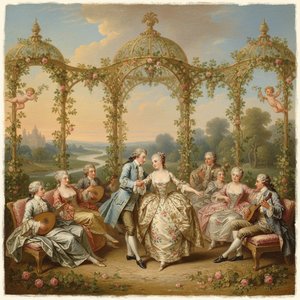
Jean-Baptiste Pater: Rococo Charm & Ephemeral Beauty of 18th-Century France
Explore the captivating world of Jean-Baptiste Pater, a master of Rococo painting. Discover his elegant *fête galante* scenes and shimmering portraits – a glimpse into 18th-century French aristocracy. Learn about his legacy & find high-quality reproductions.
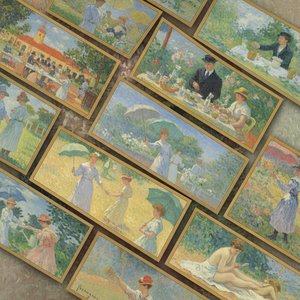
Pierre-Auguste Renoir: 25 Mojstrovskih Del Impresionizma za Vaš Dom | OriginalUniqueArt
Odkrijte 25 čudovitih del Pierre-Augusta Renoira – mojstrovine impresionizma, polne svetlobe in življenja. Preberite zgodbe za slikami, tehnike ter navdih za dekoracijo doma. Kvalitetne reprodukcije na OriginalUniqueArt.com!

The Rococo Aesthetic: Opulence, Rebellion & the Pursuit of Pleasure in 18th-Century Art
Explore the opulent world of Rococo art! Discover its origins, key artists like Watteau & Boucher, and lasting influence on design. Expert insights for collectors & enthusiasts.
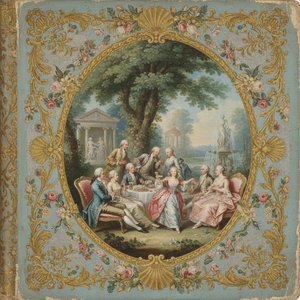
The Rococo Style: Aristocratic Leisure & the Pursuit of Delight in 18th-Century Art
Explore the opulent world of Rococo art! Discover Watteau, Boucher & Nattier's masterpieces. Expert insights for collectors seeking museum-quality reproductions and custom portraits at OriginalUniqueArt.

Rokojska mojstrovin: 10 umetnin, ki so definirale eleganco
Odkrijte 10 mojstrovin, ki so definirale rokokoj! François Boucher, Fragonard & Watteau – potopite se v svet elegance, pastelnih barv in prefinjenega sloga. Najboljše umetnine rokokoja na OriginalUniqueArt.com - za navdih in reprodukcije vrhunske kakovosti.
