
 Predogled v realnem okolju
 Pošlji
 Deli
Deli
 Podrobnosti o delu
 Priročnik

 Prenesi sliko
 Podobni izdelki
 Rentgenski posnetek
 Predvajaj diaporama
 Vprašanja in odgovori
 Statistika
The Horse Fair

- 64.0 x 88.0 cm


 Preberi več
Giclée tisk / Umetniški tisk
Giclée ali platnati odtis muzejske kakovosti z hitro proizvodnjo in prilagodljivimi možnostmi končne obdelave. ( Kupite ročno slikano delo Preklop na digitalno sliko)




P118B €10

P118H €10

P118W €10

P438Z €10

P508JH €12

P508YH €12

P805H €10

P805Z €10

P919BZ €10

P919G €10

P919XJ €10

P959ZH €10

P968JZ €12

W106C €8

W218G €10

W218JH €8

W218Y €10

W307PJ €10

W316G €10

W316PJ €8

W316Y €10

W398PJ €8

W4111J €10

W500HY €15

W500JH €15

W692G €12

W849H €8

W940BG €15

W953PJ €8




Izberite eno od naših vnaprej določenih velikosti, ki ustrezajo prvotnim proporcijam umetničkega dela.

Vnesite širino in višino, ki jih potrebujete za svoj okvir ali steno. Tiskanje se lahko le odreže, vendar ga ni mogoče narediti večjega od slike, zato format z drugačno obliko pomeni izgubo dela slike. Pred tiskanjem vam pošljemo digitalni predogled za potrditev. Slika, prikazana na tej strani, ne prikazuje dejanskega izrezka — le predogled to omogoča.
Globalna dostava () v 2 tednih namesto standardnih 4/5 tednov. (7 november)

Brezplačna ekspresna dostava po vsem svetu

Visokokakovostno laneno platno

Popolno zavarovanje pošiljke

Garancija povračila carine in uvoznih davkov

Garancija popolnega barvnega ujemanja

100-dnevna politika vračil (le v primeru okvar)

Garancija 100% povračila denarja

Popust pri večjem naročilu
 Možnost stekla je na voljo le za velikosti pod 110 cm

The Horse Fair
Giclée tisk / Umetniški tisk
Velikost reprodukcije
-


Skupna cena
€ 72
A Symphony of Motion: The Spirit of the Dutch Golden Age
In the heart of the seventeenth century, amidst the burgeoning prosperity of the Netherlands, Philips Wouwerman captured a moment of vibrant, unbridled energy in his masterpiece, The Horse Fair. This expansive oil on canvas, dating from 1665, serves as more than just a depiction of commerce; it is a window into the soul of the Dutch Golden Age. As one gazes upon the scene, the viewer is immediately swept into a bustling open field where the rhythmic pulse of life is palpable. Wouwerman, a master of the genre, orchestrates a complex ballet of equine grace and human industry, creating a composition that feels both spontaneous and meticulously balanced. The sheer variety of horses—ranging from powerful, muscular stallions to more delicate breeds—adds a layer of dynamic tension, suggesting a world in constant motion, where every creature and character plays a vital role in the unfolding drama of the fair.
The technical brilliance of Wouwerman is most evident in his ability to render texture and light with breathtaking precision. Each brushstroke contributes to the tactile reality of the scene, from the shimmering coats of the horses to the heavy, period-specific fabrics worn by the gathered crowd. The artist employs a sophisticated palette that balances earthy, grounded tones with sudden bursts of brilliance, drawing the eye across the canvas in a choreographed journey. Notice how the overcast sky, filled with soft, billowing clouds, provides a diffused light that eliminates harsh shadows, allowing for a subtle interplay of luminosity across the landscape. This mastery of light not only defines the forms within the painting but also imbues the atmosphere with a sense of atmospheric depth, pulling the viewer toward the distant body of water and the quiet silhouettes of trees that anchor the horizon.
A Tapestry of Social Narrative and Artistic Legacy
Beyond the aesthetic splendor, The Horse Fair functions as a rich social document. The figures scattered throughout the landscape—traders negotiating prices, riders guiding their mounts, and peasants carrying baskets—represent a cross-section of seventeenth-century society. There is a profound sense of narrative potential in every interaction; one can almost hear the low murmur of bartering voices and the heavy thud of hooves against the earth. Wouwering uses these human elements to ground his grander landscapes in a relatable, earthly reality. The inclusion of such detailed character studies elevates the work from a mere landscape to a genre painting of significant psychological depth, where the themes of trade, status, and the shared experience of the marketplace are explored through the lens of animal husbandry.
For the discerning collector or interior designer, this reproduction offers an unparalleled opportunity to introduce a sense of historical grandeur and classical elegance into a contemporary space. The painting’s ability to command attention while maintaining a harmonious presence makes it a versatile centerpiece for any curated collection. It evokes a feeling of timelessness, bridging the gap between the historical splendor of the Haarlem school and the sophisticated tastes of the modern era. To possess such a work is to hold a piece of art history that celebrates the beauty of movement, the dignity of labor, and the enduring allure of the natural world, making it an evocative choice for those looking to inspire awe and contemplation within their homes or galleries.
Vprašanja in odgovori
Kje lahko najdem statistične podatke o "The Horse Fair" avtorja Philips Wouwerman?
Stran Statistika pregledov za delo "The Horse Fair" avtorja Philips Wouwerman prikazuje statistiko javnih obiskov: mesečne število ogledov tega dela, primerjavo z najbolj ogledanimi deli tega umetnika in izvor obiskovalcev.
Kako lahko kupim tiskano kopijo dela "The Horse Fair" avtorja Philips Wouwerman?
Tisk dela "The Horse Fair" avtorja Philips Wouwerman lahko naročite neposredno na njegovi strani Kakovostna umetniška tiskanina: umetniška grafika na bombažnem platnu ali arhivskem papirju za platno.
Z kakšno tehniko je izdelano "The Horse Fair"?
Tehnika za delo "The Horse Fair" avtorja Philips Wouwerman je Oil On Canvas. Različice imajo za namen natančno prikazati videz te tehnike.
Biografija umetnika
Življenje in umetniški razvoj Philipsa Wouwermana
Philips Wouwerman, rojen v Haarlemu leta 1619 in umrl tam leta 1668, je bil eden najplodnejših in vsestranskih nizozemskih slikarjev Zlate dobe. Njegovo ime je sinonim za živahne prizore lovov, bujne krajine in dramatične bitke, ki so ga uvrstile med pomembne predstavnike tega izjemnega obdobja v zgodovini umetnosti. Wouwerman ni bil le slikar; bil je kronist svojega časa, mojster pripovedovanja zgodb s platna in virtuozni upodabljavec konj, ki so postali njegov prepoznavni znak.
Njegovo potovanje se je začelo v družinski umetniški delavnici – oče Pouwels Joostsz Wouwerman je bil prav tako slikar, čeprav manj znan kot sin. Podrobnosti o njegovem zgodnjem izobraževanju so nekoliko nejasne, vendar verjetno je prejel temeljne lekcije pri Fransu Halsu, priznanem portretistu iz Haarlema. Čeprav Halsův značilen slog ni močno vplival na Wouwermanovo poznejše delo, je bila ta podlaga nedvomno dragocena. Že v zgodnjih letih se je navdihoval pri *bambocciantih*, skupini slikarjev, ki so se posvečali vsakodnevnemu življenju in žanrskim scenam, predvsem pa delom Pietra van Laerja, katerega osredotočenost na preprosto lepoto in realistične prizore je pustila globok pečat.
Umetniški slog in značilnosti
Wouwermanov slog se je postopoma razvijal. V zgodnjih delih so prevladovali motivi vsakodnevnega življenja, ki so odražali vpliv *bambocciantov*. Sredi 1640-ih let pa se je začela oblikovati njegova značilna kompozicijska zasnova – diagonalni pobočje pogosto spremljeno z drevesom, ki deluje kot *repoussoir*, pripomočkom za ustvarjanje globine in perspektive. Figure, pogosto v družbi konj, so naselile te prostrane pokrajine. V obdobju med 1650-1660 je Wouwerman dosegel vrh svoje umetniške zrelosti. Njegovo platno so krasili žanrski prizori, krajine s popotniki, jahalne bitke, vojaški tabori in veseli srečanja vaščanov.
Vendar pa je bila njegova največja strast in izjemna spretnost upodabljanje konj. Konji različnih pasem v dinamični akciji so postali njegov prepoznavni znak. Umetnostni zgodovinar Frederik J. Duparc ga je upravičeno imenoval za "nedvomno najbolj dovršenega in uspešnega nizozemskega slikarja konj 17. stoletja". Njegovi konji niso bili le anatomsko pravilni, temveč so izražali moč, eleganco in živahnost. Wouwerman je mojstrsko ujel subtilne odtenke gibanja, mišičaste oblike in različne karakterje teh veličastnih živali.
Pomembna dela in zapuščina
Wouwermanova dela so bila že med njegovim življenjem zelo iskana. Njegove slike so našle pot v ugledne zbirke po Evropi, vključno s knjižnicami knežjih dvorov v Dresdnu in Sankt Peterburgu, kar dokazuje široko priznanje njegovega umetniškega talenta. Izjemna plodnost je bila ena izmed njegovih značilnosti – zgodnji katalogi so navajali okoli 800 del pripisanih njemu, kasneje pa se je to število povečalo na več kot 1200. Nedavnejši katalog raisonné (Schumacher, 2006) identificira približno 570 avtentičnih del, kar priznava številne sleditelje in imitatorje, ki so ustvarjali dela v njegovem slogu.
Njegova družina je bila prav tako umetniška – brata Jan (1629–1666) in Pieter (1623–1682) sta bila slikarja. Čeprav so bili prvotno pripisani Philipsu, sta razvila lastne prepoznavne sloge. Pieter je jasno odražal vpliv brata, medtem ko se je Jan uveljavil kot avtonomni krajinski slikar.
Vpliv in zgodovinska pomembnost
Wouwermanov vpliv na poznejše generacije umetnikov je bil izjemen. Med tistimi, ki so ga občudovali in posnemali, so bili Jan van Huchtenburgh (1647–1733), brata Jan Frans in Joseph van Bredael (1688–1739) ter Carel van Falens (1683–1733). Njegovo članstvo v Haarlemski cehu sv. Luke, kjer je opravljal več uradnih funkcij, pa tudi služba kot posrednik za nepremičnine v Haarlemu, dokazujeta njegovo aktivno vlogo v lokalni skupnosti.
Philips Wouwermanov prispevek k nizozemski Zlati dobi je izjemen. Njegova sposobnost zajeti širok spekter prizorov – od živahnih trgov in lovskih ekspedicij do dramatičnih bojišč in mirnih krajin – z neverjetnimi podrobnostmi in dinamiko, ga je uvrstila med najbolj priznane in vplivne slikarje svojega časa. Retrospektivna razstava v Kasslu in Haagu (2009/2010) je dodatno poudarila njegovo trajno zapuščino.

Philips Wouwerman
1619 - 1668 , Nizozemska
Hitri podatki
- Artistic Movement Or Style: Zlata doba slikarstva
- Artists Or Movements Influenced By This Artist: ['Jan van Huchtenburgh']
- Artists Who Influenced This Artist:
- Pieter van Laer
- Frans Hals
- Date Of Birth: 24. maj 1619
- Date Of Death: 19. maj 1668
- Full Name: Philips Wouwerman
- Nationality: Nizozemec
- Notable Artworks:
- Dva konja
- Konjeniki v taboru
- Peščena pokrajina
- Place Of Birth: Haarlem, Nizozemska
Sorodni članki

Golden Light & Dutch Skies: The Timeless Magic of Dutch Golden Age Landscapes
Discover the breathtaking beauty of Dutch Golden Age landscapes. Explore the mastery of light, chiaroscuro, and 17th-century realism through an expert art history lens, celebrating the enduring legacy of the Dutch Masters for discerning collectors and art lovers.
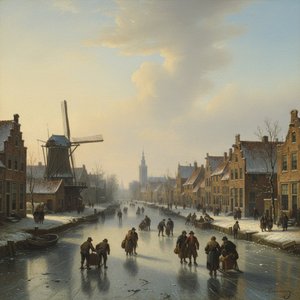
Charles Leickert: Capturing the Dutch Golden Age Light – A Comprehensive Study of Technique, Context, and Legacy
Explore the captivating winter landscapes of Charles Leickert, a master of Dutch Golden Age light & atmosphere. Discover his techniques, symbolism, and lasting legacy – a comprehensive study for art enthusiasts and collectors.
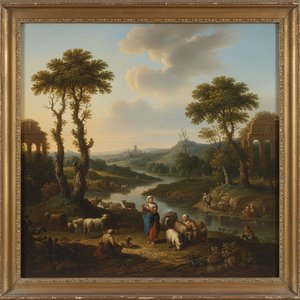
Nicolaes Berchem: Dutch Golden Age Pastoralism & the Evolution of Landscape Painting
Explore the captivating world of Nicolaes Berchem, a leading Dutch Golden Age painter. Discover his idyllic landscapes, masterful technique & lasting influence on art history. Learn more at OriginalUniqueArt.

Golden Light & Dutch Skies: Bringing the Magic of Dutch Golden Age Landscapes into Your Home
Transform your home with the breathtaking light of Dutch Golden Age landscapes. Discover how hand-painted oil reproductions of masterworks like Ruisdael and Vermeer bring timeless elegance, atmosphere, and soulful texture to modern interiors. Elevate your space with museum-quality art.

10 Mojstrovin Nizozemske Zlate dobe: Umjetnost, ki je definirala svojo dobo
Odkrijte 10 mojstrovin Nizozemske zlate dobe! Rembrandt, Vermeer & več – spoznajte zgodbe za temi ikoničnih umetnin. Inspirirajte se za notranji dizajn in poiščite reprodukcije na OriginalUniqueArt.com!