
 Predogled v realnem okolju
 Pošlji
 Deli
Deli
 Podrobnosti o delu
 Priročnik

 Prenesi sliko
 Podobni izdelki
 Rentgenski posnetek
 Predvajaj diaporama
 Q&A
Q&A Statistika
Pauline Morton Sabin

- 59.0 x 73.0 cm


 Preberi več
Giclée tisk / Umetniški tisk
Giclée ali platnati odtis muzejske kakovosti z hitro proizvodnjo in prilagodljivimi možnostmi končne obdelave. ( Kupite ročno slikano delo Preklop na digitalno sliko)




P118B €10

P118H €10

P118W €10

P438Z €10

P508JH €12

P508YH €12

P805H €10

P805Z €10

P919BZ €10

P919G €10

P919XJ €10

P959ZH €10

P968JZ €12

W106C €8

W218G €10

W218JH €8

W218Y €10

W307PJ €10

W316G €10

W316PJ €8

W316Y €10

W398PJ €8

W4111J €10

W500HY €15

W500JH €15

W692G €12

W849H €8

W940BG €15

W953PJ €8




Izberite eno od naših vnaprej določenih velikosti, ki ustrezajo prvotnim proporcijam umetničkega dela.

Vnesite širino in višino, ki jih potrebujete za svoj okvir ali steno. Tiskanje se lahko le odreže, vendar ga ni mogoče narediti večjega od slike, zato format z drugačno obliko pomeni izgubo dela slike. Pred tiskanjem vam pošljemo digitalni predogled za potrditev. Slika, prikazana na tej strani, ne prikazuje dejanskega izrezka — le predogled to omogoča.
Globalna dostava () v 2 tednih namesto standardnih 4/5 tednov. (31 oktober)

Brezplačna ekspresna dostava po vsem svetu

Visokokakovostno laneno platno

Popolno zavarovanje pošiljke

Garancija povračila carine in uvoznih davkov

Garancija popolnega barvnega ujemanja

100-dnevna politika vračil (le v primeru okvar)

Garancija 100% povračila denarja

Popust pri večjem naročilu
 Možnost stekla je na voljo le za velikosti pod 110 cm

Pauline Morton Sabin
Giclée tisk / Umetniški tisk
Velikost reprodukcije
-


Skupna cena
€ 71
Pauline Morton Sabin – A Portrait of Elegance in the Jazz Age
Philip Alexius de László’s 1926 painting, “Pauline Morton Sabin,” is more than just a portrait; it's a meticulously crafted snapshot of a moment within the opulent social landscape of the early 20th century. The canvas, measuring 59 x 73 cm, immediately draws the eye to its subject – Pauline Morton Sabin – a woman radiating quiet confidence and understated glamour. De László’s masterful technique, honed through years of studying academic traditions alongside contemporary portraiture trends, results in an image brimming with realism and a palpable sense of atmosphere.
- Subject & Composition: The painting centers on Pauline Sabin, depicted in a pose that suggests both formality and relaxed engagement. Her blonde hair is elegantly styled, complemented by a delicate pearl necklace – a symbol of wealth and status prevalent during this era. The inclusion of the fur coat, a hallmark of fashionable attire at the time, further emphasizes her privileged position.
- The Supporting Figures: Intriguingly, Sabin isn't alone. Two other individuals are present in the scene, positioned on either side of her. Their interaction, whether observation or conversation, adds layers of narrative and invites speculation about the context of this portrait session. This compositional choice elevates the work beyond a simple likeness, hinting at social dynamics and relationships within the elite circles De László frequented.
De László’s Technique: Realism and Atmospheric Depth
De László was renowned for his ability to capture not just physical appearance but also the very essence of his subjects. His technique involved meticulous layering of thin glazes, building up color gradually to achieve a luminous effect – a signature characteristic of his work. This approach is particularly evident in the rendering of Pauline’s skin tones, which possess a remarkable softness and depth. The subtle gradations of light and shadow create an almost three-dimensional quality, drawing the viewer into the scene.
- Brushwork: His brushstrokes are generally smooth and controlled, contributing to the overall sense of realism. However, he skillfully employs variations in pressure and direction to suggest texture – the plushness of the fur coat, the sheen of the pearl necklace, and the delicate flow of her hair.
- Color Palette: The color palette is restrained yet sophisticated, dominated by warm tones—ochres, browns, and creams—that evoke a sense of luxury and refinement. These colors are expertly balanced to create harmony and visual interest.
Historical Context & Symbolism
Painted in 1926, “Pauline Morton Sabin” reflects the vibrant social scene of the Jazz Age. The period was marked by economic prosperity, technological advancements, and a burgeoning fascination with modernity. Portraits like this one were commissioned not just to commemorate individuals but also to solidify their place within the established order. The inclusion of the fur coat, a symbol of wealth and status, underscores the subject's belonging to an elite social class.
- Social Portraiture: De László’s portraits were often commissioned by wealthy families and prominent figures, serving as visual records of their lives and achievements.
- The Role of the Artist: The artist himself played a crucial role in shaping the subject's image, carefully considering pose, expression, and attire to create a portrait that was both flattering and representative of the individual’s character.
Emotional Impact & Artistic Legacy
"Pauline Morton Sabin" transcends a simple depiction of a woman; it is an evocative portrayal of elegance, confidence, and social grace. De László's ability to capture not just physical likeness but also the subtle nuances of personality ensures that this painting continues to resonate with viewers today. This piece exemplifies De László’s enduring legacy as one of the most celebrated portrait painters of his time, a testament to his technical skill, artistic vision, and profound understanding of human character.
Vprašanja in odgovori
Ali obstaja vodnik za "Pauline Morton Sabin" avtorja Philip Alexius De László?
Vodnik za "Pauline Morton Sabin" je stran Informacije za učence umetninine – natisljiv informativni list, ki prikazuje umetnino z njenim naslovom, izvorom in identifikacijsko tabelo (umetnik, datumi, tehnika, prvotna velikost, kolekcija).
Kakšna je medsebojna skladnost barv v delu "Pauline Morton Sabin"?
"Pauline Morton Sabin" avtorja Philip Alexius De László prikazuje Strong Color Unity barvno harmonijo.
Kakšna je barvna intenzivnost dela "Pauline Morton Sabin" avtorja Philip Alexius De László?
"Pauline Morton Sabin" avtorja Philip Alexius De László prikazuje Balanced intenzivnost barv.
Biografija umetnika
Philip Alexius de László: Življenje in dediščina
Zgodnje življenje in izobraževanje
Philip Alexius de László, rojen kot Fülöp Laub 30. aprila 1869 v Budapešti na Madžarskem, se je iz skromnih začetkov vznesel v slavnega portretista evropskih kraljev in aristokracije. Njegovi starši, Adolf in Johanna Laub, sta bila krepar in šiva j евrejskega izvora. Svoje umetniške študije je začel z učeništvom pri fotografu, nato pa se je vstopil v Nacionalno akademijo umetnosti v Budapešti, kjer je pridobival znanje pod mentorstvom Bertalana Székelyja in Károlyja Lotza. Kasnejše študije v Münchenu in Parizu so mu pomagale širiti umetnične obzorja in oblikovati njegov svet.
Umetniška razvojnost in vplivi
De Lászlójeva zgodnja dela so izkazovala izjemno oko za detajle in razvijajoče se mojstvo realizma. Njegove umetniške poti so oblikovale akademske tradicijo, ki jo je osvajal na akademiji, ter prevladujoči trende v portretni slikarstvu konca 19. in začetka 20. stoletja. Hitro se je izkazal z sposobnostjo, da na platno ujet ne le fizično podobnost, temveč tudi osebnost in družbeni status svojih modelov. Ključni trenutek v njegovi karieri je nastopil leta 1900, ko mu je portret pape Leo XIII prinesel Veliko zlato medaljo na mednarodni izložbi v Parizu, s čimer je trdno utrdil svoj mednarodni ugled.
Kariera in največje dosežki
Po uspehu v Parizu se je de László leta 1903 presel v Dunaj, nato pa se je leta 1907 dokončno udomovil v Londonu, kjer je ostal do konca življenja. Postal je izjemno iskan portretist med evropsko elitom, njegova stranka pa je vključevala monarhe, plemiče, industrialiste, znanstvenike in druge vplivne osebe iz različnih področij.
- Pomembni modeli: Sir Alfred East, Winifred Cavendish-Bentinck (vrtnica Portland), Lady Louise Mountbatten (kraljica Švedske), Vita Sackville-West, pape Leo XIII, Augusta Victoria (nemška cesarica), Princess Alice of Battenberg in mnogi drugi.
- Stihi in priznanja: Leta 1909 ga je kralj Edward VII imenoval za člana Kraljevega vikinškega reda (MVO). Leta 1912 ga je madžarski kralj Franz Joseph I povzdignil v plemištvo, s čimer je sprejel priimek “de László de Lombos.”
Osebno življenje in izzivi
Leta 1900 se je de László poročil z Lucy Madeleine Guinness, pripadnico prestižne bankirske družine. Njuna družina je postala velika, saj sta imela šest otrok in sedemnajst vnukov. Po poroki se je sprejel v anglikansko cerkev, čeprav je pred tem izkazoval zanimanje za katolištvo. Kljub britanskemu državljanstvu in udejstvovanju v Angliji je med prvo svetovno vojno (1917–1918) zaradi sumov okoli svojih avstrijskih povezav doživdel interniranje, kar je bilo obdobje velikih trpljenj.
Umetniški slog in teme
De Lászlójev slog zaznamuje realizem, natančnost detajlov in živahna barvna paleta. S pfladenjem tekstur tkanin, draguljev in barve kože je znal popolnoma oživeti portret. Njegova dela pogosto prenašajo občutek elegance, sofisticiranosti in družbene pripadnosti. Čeprav je bil predvsem znan po portretni slikarstvu, je ustvarjal tudi pejzaže in žanrske scene.
Zgodovinski pomen in dediščina
Delo Philipa de Lászlója ponuja dragocen vpogled v življenja in videz evropske visoke družbe konca 19. in začetka 20. stoletja. Njegovi portreti služijo kot zgodovinski dokumenti, ki zajamejo določeno dobo in njeno družbeno dinamiko. Čepode je včasih kritiziran zaradi svoje osredotočenosti na družbeni portret, je njegova tehnična izvedba in sposobnost zajema karaktera neobrnljiva. Njegov opus obsega skoraj 4.000 del, vključno s risbami, trenutno pa je v pripravi katalog raisonné. Umrl je 22. novembra 1937 v Londonu, za pustil pa trajno dediščino enega najbolj izstopajočih portretistov svojega časa.

Philip Alexius De László
1869 - 1937 , Madžarska
Hitri podatki
- Birth Date: 1869
- Birth Place: Budapest, Madžarska
- Death Date: 1937
- Influenced By:
- Bertalan Székely
- Károly Lotz
- Movement: Realizem, Portretistika
- Name: Philip Alexius de László
- Nationality: Madžar, Britanec
- Notable Works:
- Portret pape Leo XIII
- Portreti evropskih vladarjev in aristokracije
Sorodni članki
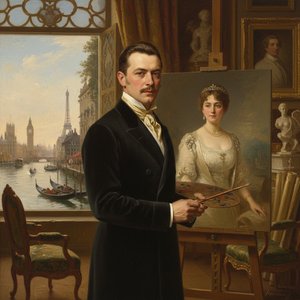
Philip de László: A Portrait of Aristocratic Society & the Cosmopolitan Painter's Evolution
Explore the life & art of Philip de László, master portraitist of European aristocracy. Discover his stunning paintings, royal commissions, and enduring legacy. A guide for discerning collectors.

The Enduring Legacy of Oil on Canvas: Technique, History & Aesthetic Impact
Explore the rich history & techniques of oil painting – from Renaissance masters to Impressionism. Discover pigments, layering methods, and why this timeless medium endures. Expert insights for artists & art enthusiasts.

Francisco Goya: 25 Mojstrovin Španskega Slikarja za Vaš Dom | OriginalUniqueArt
Odkrijte 25 mojstrovin Francisca Goye – od portretov do Črne serije. Preberite zgodbe za vsako sliko, tehnike in navdih. Kvalitetne reprodukcije slik za vaš dom na OriginalUniqueArt.com! Raziskajte celotno zbirko online.

About Us
Discover our story! We bring world-class art into your life through expert curation, personalized creations, and free previews. Trusted by individuals and businesses since 2000.

Oil on Canvas: A Historical & Technical Exploration of a Timeless Artistic Medium
Explore the rich history & enduring techniques of oil painting on canvas. Discover the science behind its longevity, conservation practices, and contemporary relevance. Expert insights for art enthusiasts.