Preklop na tiskanine
 Preberi več







































 Za umetniška dela ali reprodukcije, ki so po katerikoli strani širše od 105 cm (približno 41 palč), bo okvir poslan v razstavljeni obliki kot komplet. Ta metoda zagotavlja varno dostavo in preprečuje poškodbe med transportom.


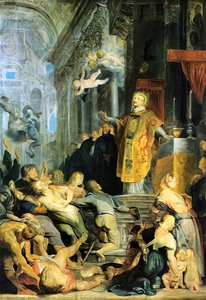
Daniel in the Lion's Den: A Baroque Masterpiece by Peter Paul Rubens
- Artist: Peter Paul Rubens
- Date: 1615
- Size: 224 x 330 cm
- Style: Baroque
A Dramatic Biblical Scene
Peter Paul Rubens' "Daniel in the Lion's Den" is a monumental work of art, capturing a pivotal moment from the Book of Daniel. The painting depicts the biblical prophet Daniel, unjustly condemned by jealous rivals and cast into a den filled with lions. Rubens masterfully portrays this scene of peril and divine intervention, showcasing his exceptional skill in composition, color, and dramatic storytelling. The narrative centers on Daniel's unwavering faith and reliance on God for protection, even amidst imminent danger. This painting is not merely a depiction of an event; it’s a powerful exploration of faith, courage, and the triumph of good over evil.
Baroque Style and Technique
The artwork exemplifies the hallmarks of Baroque art, characterized by its dynamic energy, intense emotion, and theatricality. Rubens utilizes a dramatic use of light and shadow (tenebrism) to heighten the tension and create a sense of immediacy. The composition is asymmetrical, drawing the viewer's eye directly to Daniel, who stands as a beacon of serenity amidst the surrounding chaos. Rubens’ technique involves layering paint with rich, vibrant colors, creating a palpable texture and depth. His brushwork is both bold and precise, capturing the muscularity of the lions and the delicate folds of Daniel’s garments. The sheer scale of the painting (224 x 330 cm) further amplifies its impact, enveloping the viewer in the scene.
Symbolism and Interpretation
Beyond the literal depiction of the biblical story, "Daniel in the Lion's Den" is rich with symbolism. Daniel’s white garment represents purity and innocence, contrasting sharply with the dark, powerful forms of the lions. The lions themselves symbolize both earthly power and potential destruction, but also, within the context of the narrative, divine protection. The rocky landscape and blue sky in the background provide a naturalistic setting while subtly hinting at the vastness of God’s domain. Daniel's posture – kneeling in prayer with eyes raised towards heaven – signifies his unwavering devotion and trust in divine intervention. The painting serves as a visual testament to the power of faith and the belief that righteousness will ultimately prevail.
Historical Context and Rubens' Influence
Created in 1615, "Daniel in the Lion’s Den" reflects the religious fervor of the Counter-Reformation era. Rubens, a leading figure of the Flemish Baroque, was commissioned to create works that reinforced Catholic beliefs and inspired piety. This painting, along with his other biblical and mythological scenes, contributed significantly to the artistic landscape of 17th-century Europe. Rubens’ influence on subsequent generations of artists is undeniable; his dynamic compositions, vibrant colors, and dramatic use of light continue to inspire awe and admiration.
Vprašanja in odgovori
Ali je delo "Daniel v lavji" avtorja Peter Pavel Rubensov v javni lastini in zakaj?
Status avtorske pravice za "Daniel v lavji" – v javni domeni – avtorska pravica je zastarela – izhaja iz smrti umetnika v letu 1640.
Ali je "Daniel v lavji" avtorja Peter Pavel Rubensov svetlo ali temno umetniško delo?
V smislu zaznane svetlobnosti je "Daniel v lavji" avtorja Peter Pavel Rubensov globoke sence.
Za kakšno vrsto umetniškega dela velja "Daniel v lavji" avtorja Peter Pavel Rubensov?
V katalogu je delo "Daniel v lavji" avtorja Peter Pavel Rubensov razvrščeno kot Stenska umetnost. Ta kategorija omogoča iskanje podobnih del.
 Predogled v realnem okolju
 Pošlji
 Deli
Deli
 Podrobnosti o delu
 Priročnik

 Prenesi sliko
 Podobni izdelki
 Rentgenski posnetek
 Predvajaj diaporama
 Vprašanja in odgovori
 Statistika