

 Preverite v realnem okolju
 Pošlji kot čestitko
 Deli
Deli
 Podrobnosti
 Priročnik

 Prenesi
 Podobni artefakti
 Rentgenski posnetek
 Predvajaj diaporama
 Statistika
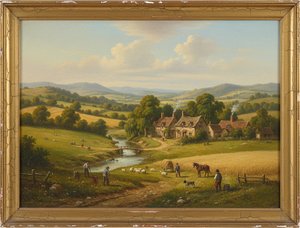
On the Road to Church


 Preberi več
Giclée tisk / Umetniški tisk
Giclée ali platnati odtis muzejske kakovosti z hitro proizvodnjo in prilagodljivimi možnostmi končne obdelave. ( Naročite ročno slikano reprodukcijo Preklop na digitalno sliko)




































Izberite eno od naših vnaprej določenih velikosti, ki ustrezajo prvotnim proporcijam umetničkega dela.

Svoje dimenzije lahko vnesete sami, da bodo ustrezne za določen okvir ali prostor. Če izbrana velikost ne bo skladna z razmerji izvirne slike, bomo umetniško delo orezali ali podaljšali s pomočjo ogledalnega odraza ali barvno polnega roba. Pred začetkom proizvodnje vam bomo poslali digitalni predogled za potrditev.
Upoštevajte, da predogled na zaslonu ne prikazuje dejanskega orezovanja ali podaljševanja. Le digitalni predogled bo natančno prikazal končno kompozicijo.
Čeprav so na voljo prilagojene velikosti, priporočamo izbiro dimenzije s predhodno določenega seznama, da ohranite prvotna razmerja.
Globalna dostava () v 2 tednih namesto standardnih 4/5 tednov. (27 september)

Brezplačna ekspresna dostava po vsem svetu

Visokokakovostno laneno platno

Popolno zavarovanje pošiljke

Garancija povračila carine in uvoznih davkov

Garancija popolnega barvnega ujemanja

Politika vračila v 100 dneh (le v primeru okvar)

Garancija 100% povračila denarja

Popust pri večjem naročilu
 Možnost stekla je na voljo le za velikosti pod 110 cm

On the Road to Church
Giclée tisk / Umetniški tisk
Velikost reprodukcije
-


Skupna cena
$ 80
Biografija umetnika
Early Life and Artistic Foundations
Peet Aren, born on June 29th, 1889, in the small Estonian village of Odiste, emerged from a landscape steeped in rural tradition and burgeoning national identity. His early life was profoundly shaped by the natural world—the ancient forests and isolated farmlands of Viljandi County instilled within him a deep connection to his homeland that would resonate throughout his artistic career. This formative period laid the groundwork for a sensibility attuned to both realism and an emerging sense of Estonian cultural pride. In 1908, at the age of nineteen, Aren embarked on a pivotal journey to St. Petersburg, enrolling in the prestigious Society for the Encouragement of Artists. This marked his formal entry into the world of art, where he honed his skills in painting and began to explore the possibilities of artistic expression.
A Multifaceted Career: Teaching and Graphic Design
Following his studies, Aren returned to Estonia during a period of newfound independence (1918-1940). He quickly established himself as a versatile artist, embracing roles beyond that of a painter. From 1920 to 1925, he shared his knowledge and passion as a teacher at the State Industrial Art School in Tallinn, nurturing the next generation of Estonian artists. He then moved to Tartu, taking on a teaching position at the esteemed Pallas Art School from 1926 to 1930. However, it was during the 1930s that Aren truly distinguished himself as a graphic artist—a medium through which he could most effectively contribute to the visual language of his nation. This period saw him designing iconic emblems and symbols that became deeply intertwined with Estonian cultural identity.
Symbols of a Nation: The Drama Theatre Emblem and the Cross of Liberty
Aren’s impact on Estonia extends far beyond individual canvases; he left an indelible mark on the very fabric of its national consciousness. Perhaps his most enduring legacy lies in his design of the emblem for the Estonian Drama Theatre, a symbol that continues to represent the heart of Estonian performing arts. Even more profoundly, Aren was commissioned to create the design for the Cross of Liberty—a powerful and poignant award recognizing valor and sacrifice during Estonia’s struggle for independence. This commission speaks volumes about the trust placed in his artistic vision and his ability to encapsulate complex national narratives within a single, striking image. The Cross of Liberty is not merely a decorative object; it embodies the spirit of Estonian resilience and self-determination.
Exile and Artistic Adaptation: New York Years
The shadow of World War II loomed large over Estonia, disrupting lives and reshaping destinies. In 1944, facing increasing turmoil and health concerns, Aren made the difficult decision to flee his homeland, seeking refuge first in Germany before ultimately settling in New York City in 1949. This relocation marked a significant turning point in his artistic journey. Adapting to a new environment and urban landscape, Aren shifted his focus towards paintings of the cityscape—a stark contrast to the rural scenes that had characterized much of his earlier work. Despite the challenges of exile, he continued to paint prolifically until his death on January 26th, 1970, at the age of eighty.
Legacy and Enduring Influence
Peet Aren’s artistic legacy is one of remarkable versatility, unwavering dedication, and a deep-seated commitment to Estonian cultural identity. His work seamlessly blended elements of Expressionism with graphic precision, creating a unique visual language that continues to resonate today. He was not simply an artist; he was a cultural architect, shaping the symbols and imagery that defined a nation. While his paintings capture moments in time and evoke specific emotions, it is perhaps his graphic designs—the emblem of the Estonian Drama Theatre and the Cross of Liberty—that have secured his place as one of Estonia’s most important artists. His innovative approach to art continues to inspire generations of Estonian creatives, ensuring that his vision endures.

peet aren
1889 - 1970 , Estonia
Ključne informacije
- Artistic Movement Or Style: Realism, Expressionism
- Date Of Birth: June 29, 1889
- Date Of Death: January 26, 1970
- Full Name: Peet Aren
- Nationality: Estonian
- Notable Artworks: ['On the Road to Church']
- Place Of Birth: Tallinn, Estonia
Sorodni članki

Romantična pokrajina: 10 mojstrovin, ki so definirale gibanje | Umetnost za vaš dom z OriginalUniqueArt.com
Odkrijte 10 mojstrovin romantizma v slikarstvu! Caspar David Friedrich, Turner in drugi. Preučite zgodbe, tehnike in čustva teh ikoničnih krajinskih slik. Kvalitetne reprodukcije za vaš dom na OriginalUniqueArt.com
Evocations of Rural Life: A Historical Journey Through Landscape Painting
Explore the rich history of rural life in painting! Discover Impressionist masterpieces, Italian Macchiaioli scenes & the enduring appeal of pastoral landscapes. Find your perfect artwork at OriginalUniqueArt.

John Constable: 25 Mojstrovskih Del Angelskega Krajinarja | OriginalUniqueArt.com
Odkrijte 25 mojstrovskih del Johna Constabla, angleškega slikarja romantizma. Preučite zgodbe za ikoničnimi krajinami, tehniko in lepoto narave. Kvalitetne reprodukcije slik na OriginalUniqueArt.com – idealno za dekoracijo doma!

Cultivating Visions: A Historical Journey Through Rural Landscapes in Art
Explore the rich history of rural landscape painting with OriginalUniqueArt. Discover Impressionist masterpieces, key artists & movements. Find your perfect serene artwork and bring nature's beauty home.

Evocations of Place: A Historical Journey Through Landscape Art
Explore the rich history of landscape art with OriginalUniqueArt. Discover renowned artists, movements like Impressionism & Romanticism, and expert guidance for collecting timeless pieces. Find your perfect serene escape today!