
 Predogled v realnem okolju
 Pošlji
 Deli
Deli
 Podrobnosti o delu
 Priročnik

 Prenesi sliko
 Podobni izdelki
 Rentgenski posnetek
 Predvajaj diaporama
 Vprašanja in odgovori
 Statistika
VUE D'ALTONA


 Preberi več
Giclée tisk / Umetniški tisk
Giclée ali platnati odtis muzejske kakovosti z hitro proizvodnjo in prilagodljivimi možnostmi končne obdelave. ( Kupite ročno slikano delo Preklop na digitalno sliko)




P118B €10

P118H €10

P118W €10

P438Z €10

P508JH €12

P508YH €12

P805H €10

P805Z €10

P919BZ €10

P919G €10

P919XJ €10

P959ZH €10

P968JZ €12

W106C €8

W218G €10

W218JH €8

W218Y €10

W307PJ €10

W316G €10

W316PJ €8

W316Y €10

W398PJ €8

W4111J €10

W500HY €15

W500JH €15

W692G €12

W849H €8

W940BG €15

W953PJ €8




Izberite eno od naših vnaprej določenih velikosti, ki ustrezajo prvotnim proporcijam umetničkega dela.

Vnesite širino in višino, ki jih potrebujete za svoj okvir ali steno. Tiskanje se lahko le odreže, vendar ga ni mogoče narediti večjega od slike, zato format z drugačno obliko pomeni izgubo dela slike. Pred tiskanjem vam pošljemo digitalni predogled za potrditev. Slika, prikazana na tej strani, ne prikazuje dejanskega izrezka — le predogled to omogoča.
Globalna dostava () v 2 tednih namesto standardnih 4/5 tednov. (3 november)

Brezplačna ekspresna dostava po vsem svetu

Visokokakovostno laneno platno

Popolno zavarovanje pošiljke

Garancija povračila carine in uvoznih davkov

Garancija popolnega barvnega ujemanja

100-dnevna politika vračil (le v primeru okvar)

Garancija 100% povračila denarja

Popust pri večjem naročilu
 Možnost stekla je na voljo le za velikosti pod 110 cm

VUE D'ALTONA
Giclée tisk / Umetniški tisk
Velikost reprodukcije
-


Skupna cena
€ 72
A Storm Unleashed: Peder Balke’s “VUE D’ALTONA”
Peder Balke's "VUE D’ALTONA," a dramatic seascape rendered in oil on canvas, isn’t merely a depiction of a coastal view; it’s an immersion into the raw, untamed heart of Norway. Painted around 1849, during a period of intense artistic and social change within the nation, this work embodies the Romantic spirit—a profound engagement with nature's power, coupled with a deep exploration of human emotion. The scene unfolds against a bruised and turbulent sky, dominated by swirling greys and blues that seem to writhe with an almost palpable energy. Below, the dark waters of the North Sea reflect this drama, punctuated by the distant silhouette of Altona, a Prussian fortress town nestled on a promontory – a strategic point caught in the eye of the storm. The inclusion of this fortified city hints at the political tensions simmering across Europe during Balke’s time, adding a layer of subtle commentary to the purely visual experience. The painting's scale is modest, yet its impact is monumental, drawing the viewer into the heart of the tempest.A Masterclass in Atmospheric Technique
Balke’s genius lies not just in his subject matter but in his masterful execution. He employs a loose, expressive brushstroke—an impasto technique where thick layers of paint are applied directly to the canvas—to create a remarkable sense of texture and movement. The sky isn't simply painted; it feels sculpted, with each cloud rendered as a dynamic mass of color and form. Notice how he uses atmospheric perspective – the subtle lightening and desaturation of colors in the distance – to convincingly convey depth and scale. This technique is particularly effective in depicting the distant cityscape, which appears almost spectral, swallowed by the swirling mist. The shoreline itself is treated with a more restrained hand, suggesting the ruggedness of the Norwegian coastline without overwhelming the drama of the sky. The careful layering of colors and the visible brushwork contribute to an immediate sense of immediacy, as if we are standing on that very shore, feeling the spray of the waves and the bite of the wind.Echoes of Romanticism and a Personal Journey
“VUE D’ALTONA” firmly places Balke within the tradition of Northern European landscape painting, echoing the works of J.M.W. Turner while retaining a distinctly Norwegian sensibility. Like Turner, Balke sought to capture not just the appearance of nature but its emotional resonance. However, unlike many of his contemporaries, Balke’s work is deeply rooted in the lived experience of Norway—a nation grappling with poverty, social upheaval, and the challenges of asserting its national identity. Born on a remote island in the middle of Lake Mjøsa, Balke's early life was marked by hardship and deprivation, experiences that profoundly shaped his artistic vision. His travels throughout Norway, meticulously documented through sketches and paintings like this one, were not merely expeditions but deeply personal journeys of discovery—a quest to understand and represent the soul of his homeland.Symbolism in Storm and Silhouette
Beyond its technical brilliance, “VUE D’ALTONA” is rich in symbolic meaning. The storm itself can be interpreted as a metaphor for inner turmoil or uncertainty – reflecting perhaps Balke's own struggles with poverty and artistic recognition. The distant silhouette of Altona, a Prussian fortress town, adds another layer of complexity. It represents the political tensions of the era, the threat of foreign invasion, and the precariousness of life in a small nation facing powerful empires. The painting’s overall mood is one of melancholy and awe—a reminder of humanity's vulnerability in the face of nature's overwhelming power. Yet, within this darkness, there’s also a sense of beauty and resilience – a testament to the enduring spirit of Norway.Bringing “VUE D’ALTONA” into Your Space
Today, "VUE D’ALTONA" stands as a powerful symbol of Norwegian Romanticism and a captivating example of Balke's unique artistic vision. OriginalUniqueArt offers high-quality reproductions that faithfully capture the painting’s dramatic intensity and atmospheric depth. Whether you are an art collector seeking to expand your collection or an interior designer looking for a statement piece, a reproduction of “VUE D’ALTONA” will bring a touch of Nordic drama and emotional resonance to any space. Consider its scale – a larger reproduction can dominate a wall, while a smaller one offers a more intimate connection to this evocative masterpiece. Explore the available sizes and formats on our website to find the perfect way to experience the power of Balke’s vision.Vprašanja in odgovori
Kje lahko najdem statistične podatke o "VUE D'ALTONA" avtorja Peder Balke?
Za delo "VUE D'ALTONA" je na voljo stran Statistika pregledov. Ta prikazuje mesečno število obiskov tega dela in drugih del umetnika, s razdelitvijo po državah in jezikih.
Na kakšen način "VUE D'ALTONA" avtorja Peder Balke povezuje Romanticism z domovino umetnika?
"VUE D'ALTONA" povezuje gibanje Romanticism s Norveška skozi rodno mesto svojega ustvarjalca.
Ali si lahko ogledam "VUE D'ALTONA" avtorja Peder Balke pred naročilom?
Predogled dela "VUE D'ALTONA" avtorja Peder Balke si lahko ogledate na strani Predogled dela za to umetniško delo.
Biografija umetnika
Norveški romantični vizionar: Življenje in umetnost Pederja Balkea
Peder Andersen Balke, rojen leta 1804 na skromnem otoku Helgøya v Norveški, se je izrinjal kot globoko originalen glas v tradiciji pejzažne slikarstva 19. stoletja. Njegova življenjska zgodba je zgodba o vztrajnem umetniškem iskanju na ozadju podeželskih težav in družbenih omejitev. Odraščanje med neustrašno lepoto norveške kmetije mu je vdel globoko povezanost z naravo, ki je postala ključna značilnost njegovega dela. Čeprav je bil rojen v kmetijski družini, je njegova vročen talent prepoznala lokalna skupnost, ki je zbrala sredstva za podporo njegovi umetniški izobrazbi – kar je dokaz vrednosti, ki se pripisuje ustvarjalnosti tudi v skromnih razmerah. To zgodnje spodbujanje ga je usmerilo v formalno izobraževanje, najprej pri Heinrichu Augustu Groschu in Jacobu Munchu, nato pa je odšel dlje, da bi študiral na Kraljevi švedski akademiji lepih umetnosti v Stockholmu pod vodstvom Carla Johana Fahlcrantza, in kasneje izpiljal svoje veščine ob strani Johana Christiana Dahla.
Oblikovanje edinstvenega sloga
Balkeva umetniška razvojna pot je bila zaznamovana z nemirnim raziskovanjem tehnike in izrazljivosti. Ni se zadovoljil le s ponavljanjem vizualnega sveta; namesto tega je želel zajeti njegovo čustveno bistvo, njegovo vzvišano moč. Njegove slike so takoj prepoznavne zaradi dramatične svetlobe, ki pogosto prikazuje scene, navlažene v eteričnem sijaju ali zavite v atmosferično temnoto. Ta fascinacija s svetlobo – še posebej z prehodnimi učinki mesečine in sumraka – je postala značilnost njegovega sloga. Razvil je značilen način uporabe črte, ki ga odlikujejo teksturirani poteze in nekonvencionalna uporaba barv, kar ustvarja sanlično kakovost, ki njegovo delo loči od bolj konvencionalnih romantičnih pejzažev. Zdi se, kot da ni slikal le tisto, kar je videl, temveč tisto, kar je čutil v prisotnosti narave.
Pejzaži Norveške: Nacionalna identiteta na platnu
Balke je najbolj znan po svojih vzburjajočih prikazih norveške pokrajine, temati, ki se ji je skozi svojo kariero neizmerno veliko vezes.
Dela, kot je Vue de Christiania (danes Oslo), naslikana leta 1872, ponujajo prepričljiv vpogled v urban lif norveške prestolnice, vendar tudi tukaj naravni svet prevladuje,ta okvirja mestno pokrajino in gledalca opominja na njeno povezanost z okoliško divjino. The Harbor at Skjervøy (1846) prikazuje njegovo natančno pozornost do detajlov ob hkrati sposobnosti zajema živahne energije obalnega pristanišča. Old Trees (1840), s svojo ostričino zimskih prizorov in močno svetlobo, je primer njegove mojstra v ustvarjanju vzdušja in razpoloženja. Seascape (1845) in The North Cape by Moonlight (1848) dodatno dokazujeta njegovo sposobnost prenosa surobre lepote in neukrotjenega duha norveške obale in severnih območij. To niso bili le slikoviti razgledi; to so bile izjave o nacionalni identiteti, proslavljanje edinstvene naravne dediščine Norveške.
Več kot platno: Družbena zavest
Peder Balke je bil več kot le umetnik; bil je predan družbeni reformator, ki se je aktivno vključeval v perečljive vprašanja svojega časa. Verjel je v uporabo svojih virov in vpliva za izboljšanje življenja drugih, najbolj skozi projekt Balkeby – novo predmestje Osla, zasnovano za zagotavljanje ustreznih življenih razmer delovnemu razredu. Podpiral je s krediti in zahteval stroge gradbene predpise, s čimer je pokazal praktično predanost družbeni pravičnosti. Poleg tega je Balke neustrašno zagovarjal finančno podporo umetnikom, s poudarkom na grantih in pensionih za moške in ženske, saj je prepoznal ključno vlogo, ki jo ustvarjalnost igra v družbi. Ta predanost družbenim zadevam razkriva sočutnega in napreden človeka, ki je umetnost videl kot neločljivo povezano z človeško blaginjo.
Ponovno odkritje in dediščina
Kljub svojim pomembnim prispevom je bilo Balkejevo del v mnogih letih po njegovi smrti leta 1887 v veliki meri spregledano. Šele konec 20. in začetek 21. stoletja sta se pojavila nova priznanja njegove edinstvene vizije. Glavne izložbe v prestižnih institucijah, kot sta Nacionalna galerija v Londonu (2014–2015) in Metropolitan Museum of Art (2017), so njegove slike predstavile širši javnosti, kar je sprožilo kritično priznanje in znanstveno zanimanje. Danes je Peder Balke prepoznan kot ključna figura v norveški umetnostni zgodovini, umetnik, čeprav so njegovi dramatični pejzaži in čustvena globina še vedno močno odmevali pri gledalcih. Njegov vpliv lahko opazimo v delih kasnejših nordskih umetnikov, kar utrjuje njegovo mesto pravega vizionarja, ki je na platnu zajel dušo Norveške.
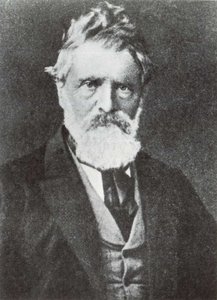
Peder Balke
1804 - 1887 , Norveška
Hitri podatki
- Artistic Movement Or Style: Romantična pokrajina
- Artists Or Movements Influenced By This Artist:
- Nordijska umetnost
- Romantizem
- Artists Who Influenced This Artist:
- Heinrich Grosch
- Jacob Munch
- Carl Fahlcrantz
- Johan Dahl
- Date Of Birth: 1804
- Date Of Death: 1887
- Full Name: Peder Balke
- Nationality: Norveški
- Notable Artworks:
- Vue de Christiania
- Luka v Skjervøy
- Stara drevesa
- Morska panorama
- Fredrikshald
- Severni vrh pod mesečino
- Place Of Birth: Hegøy, Norveška
Sorodni članki

Romantična pokrajina: 10 mojstrovin, ki so definirale gibanje | Umetnost za vaš dom z OriginalUniqueArt.com
Odkrijte 10 mojstrovin romantizma v slikarstvu! Caspar David Friedrich, Turner in drugi. Preučite zgodbe, tehnike in čustva teh ikoničnih krajinskih slik. Kvalitetne reprodukcije za vaš dom na OriginalUniqueArt.com

John Constable: 25 Mojstrovskih Del Angelskega Krajinarja | OriginalUniqueArt.com
Odkrijte 25 mojstrovskih del Johna Constabla, angleškega slikarja romantizma. Preučite zgodbe za ikoničnimi krajinami, tehniko in lepoto narave. Kvalitetne reprodukcije slik na OriginalUniqueArt.com – idealno za dekoracijo doma!
Capturing Stillness: A Curated Exploration of the Most Iconic Lake Landscapes in Art History
Journey through art history's most serene lake landscapes. From Romantic vistas to light-drenched Impressionist waters, discover the stories behind these iconic masterpieces and find museum-quality, hand-painted oil reproductions for your private collection.

Johan Christian Dahl: Pioneering Norwegian Romantic Landscape Painting
Explore the life & art of Johan Christian Dahl, Norway's first great Romantic painter. Discover his iconic landscapes, cultural impact, and lasting legacy with OriginalUniqueArt.

Evocations of Place: A Historical Journey Through Landscape Art
Explore the rich history of landscape art with OriginalUniqueArt. Discover renowned artists, movements like Impressionism & Romanticism, and expert guidance for collecting timeless pieces. Find your perfect serene escape today!
