

 Preverite v realnem okolju
 Pošlji kot čestitko
 Deli
Deli
 Podrobnosti
 Priročnik

 Prenesi
 Podobni artefakti
 Rentgenski posnetek
 Predvajaj diaporama
 Statistika
The Grammar


 Preberi več
Ročno izdelana oljna reprodukcija
Ročno slikano olje na platnu v vaši izbiri velikosti in okvirja, izdelano po naročilu naših umetnikov. ( Preklop na tiskanine Preklop na digitalno sliko)




P118B €10

P118H €10

P118W €10

P438Z €10

P508JH €12

P508YH €12

P805H €10

P805Z €10

P919BZ €10

P919G €10

P919XJ €10

P959ZH €10

P968JZ €12

W106C €8

W218G €10

W218JH €8

W218Y €10

W307PJ €10

W316G €10

W316PJ €8

W316Y €10

W398PJ €8

W4111J €10

W500HY €15

W500JH €15

W692G €12

W849H €8

W940BG €15

W953PJ €8




Izberite eno od naših vnaprej določenih velikosti, ki ustrezajo prvotnim proporcijam umetničkega dela.

Vnesite širino in višino, ki jih potrebujete, da se slika prilega vašemu okviru ali steni. Ker je delo ročno slikano, lahko umetnik pri različnih oblikih slik pri robovih doda malo več barve ali pa jih malo odreže — izberite sami. Pred začetkom slikanja vam pošljemo digitalni predogled za potrditev. Slika, prikazana na tej strani, ni končni rezultat — le predogled prikazuje dejansko podobo.
Po oddaji naročila bo ekipa OriginalUniqueArt.com stranki po e-pošti poslala navodila in predogled digitalnega predogleda.
Mednarodna dostava () v 3/4 tednih namesto običajnih 5 tednov. (26 oktober). Brez kompromisov pri kakovosti.

Brezplačna ekspresna dostava po vsem svetu

Visokokakovostno laneno platno

Popolno zavarovanje pošiljke

Garancija povračila carine in uvoznih davkov

Garancija popolnega barvnega ujemanja

Politika vračila v 100 dneh (le v primeru okvar)

Garancija 100% povračila denarja

Popust pri večjem naročilu
 Možnost stekla je na voljo le za velikosti pod 110 cm

The Grammar
Tehnika reprodukcije
Velikost reprodukcije
-


Skupna cena
€ 263
The Grammar: A Pioneering Exploration of Abstraction
Paul Sérusier’s “Grammar,” painted in 1892, stands as a pivotal work not just within the artist's oeuvre but also as a foundational piece in the development of modern art. More than simply a portrait, it’s an intensely personal and experimental exploration of color, form, and the very nature of representation – a bold step towards abstraction that profoundly influenced generations of artists to come. The painting depicts a woman seated on the ground, absorbed in reading a book, a scene rendered with remarkable intimacy and a deliberate departure from traditional academic styles.
Sérusier’s artistic journey was deeply intertwined with the burgeoning Nabis movement, a group of Symbolist painters who sought to move beyond mere imitation of nature towards expressing inner emotions and spiritual truths. He initially studied at the Académie Julian, but it was his summer sojourn in Pont-Aven, Brittany, that proved transformative. There, under the tutelage of Paul Gauguin – a figure whose influence extended far beyond technique – Sérusier encountered the revolutionary approach of Cloisonnism, championed by Gauguin himself. This style, characterized by sharply defined outlines and areas of flat color applied in small, separate strokes, aimed to mimic the appearance of stained glass, creating a sense of luminous clarity and symbolic resonance.
Cloisonnism and the Language of Color
“Grammar” exemplifies this Cloisonnism technique with striking precision. The woman’s figure is not rendered through subtle gradations of tone but rather defined by bold, distinct outlines – a deliberate simplification that prioritizes color and form over meticulous detail. Sérusier employs a vibrant palette, dominated by deep blues, greens, and ochres, creating an atmosphere both serene and slightly melancholic. The colors aren’t blended; instead, they are applied in small, separate strokes, building up layers of hue and texture. This technique, combined with the flattened perspective, creates a sense of immediacy and directness, as if the painting is capturing a fleeting moment of contemplation.
Crucially, Sérusier’s use of color isn't merely descriptive; it carries symbolic weight. The blues evoke a sense of introspection and mystery, while the greens suggest connection to nature – a key theme in Symbolist art. The muted ochres contribute to the painting’s overall feeling of quietude and contemplation. The deliberate choice of colors, rather than realistic representation, is central to the work's expressive power.
A Study in Form and Abstraction
Beyond its technical mastery, “Grammar” represents a significant shift towards abstraction. While not entirely devoid of recognizable forms – the woman’s figure, the book, the surrounding objects – the painting prioritizes the exploration of color and form over strict representation. The simplified shapes, flattened perspective, and emphasis on pure color anticipate later developments in abstract art, foreshadowing the work of artists like Kandinsky and Mondrian. It's a deliberate move away from photographic realism towards a more subjective and expressive approach to visual language.
The painting’s title, “Grammar,” is particularly intriguing. It suggests that Sérusier was not simply depicting a scene but rather exploring the fundamental building blocks of artistic expression – the elements of color, line, and form – in a way that transcends traditional representation. The book itself becomes a symbol of knowledge and contemplation, inviting the viewer to engage with the painting on a deeper level.
Legacy and Inspiration
“Grammar” remains a vital work in the history of modern art, demonstrating Sérusier’s pioneering spirit and his profound influence on subsequent generations. It's a testament to the power of abstraction to convey emotion, ideas, and spiritual truths. Reproductions of this evocative painting continue to inspire artists and collectors alike, offering a glimpse into the heart of artistic innovation and the enduring quest for new forms of visual expression.
Vprašanja in odgovori
Kdaj je nastalo in kateri slog predstavlja "The Grammar" avtorja Paul Sérusier?
"The Grammar" avtorja Paul Sérusier datira v 1892 in pripada obdobju Cloisonnism / Nabis.
Kateri umetniški slog zastopa "The Grammar" avtorja Paul Sérusier?
Umetnostni smer, povezana z delom "The Grammar" avtorja Paul Sérusier, je Cloisonnism / Nabis. Ta klasifikacija delo uvršča med sorodne umetnike in umetniška dela.
Kako lahko "The Grammar" avtorja Paul Sérusier uporabite pri oblikovanju domačega interierja?
Za Reflective se priporoča "The Grammar", priporočena prostorina pa je Living Room.
Biografija umetnika
Zgodnje življenje in umetniški začetki Paula Sérusierja
Paul Sérusier, rojen 9. novembra 1864 v Parizu, je bil francoski slikar, ki se ga danes spominjamo kot pomembnega pionirja abstraktne umetnosti in navdihovalca avantgardnega gibanja Nabis. Že v mladosti je pokazal zanimanje za likovno ustvarjanje, zato se je vpisal na Académie Julian, kjer je kmalu postal monitor. Ta korak je pomenil začetek njegove umetniške poti, ki ga bo vodila k revolucionarnim idejam in tehnikam, odpirajoč vrata novim smerem v slikarstvu – sintetizmu in klavzonizmu. Njegova zgodnja dela so bila sicer še vedno tesno povezana s tradicionalnimi postopki, vendar se je že takrat kazala njegova želja po eksperimentiranju z barvo in formo.Pont-Aven in rojstvo novega sloga
Poletja 1888 je Sérusier odpotoval v Pont-Aven na Bretaniji, kjer se je pridružil majhni skupini umetnikov okoli Paula Gauguina. To srečanje je bilo ključno za njegov umetniški razvoj. Pod Gauguinovo budnim očesom je ustvaril sliko *Le Talisman*, ki jo lahko smatramo za izjemno vajo v klavzonizmu, skorajda pa se približuje čisti abstrakciji. Sérusier je s tem delom pokazal svojo inovativnost in pripravljenost preizkušati nove pristope k slikanju. *Le Talisman* ni bil le slika; to je bila manifestacija novega načina gledanja na svet, kjer so barve in oblike prevzele primarno vlogo, podreditev naravnega prikaza pa je postala namerna izbira. Ta slika je postala simbol gibanja Nabis, ki se je zavzemalo za odmik od naturalizma in poudarek na subjektivni viziji umetnika.Nabis in iskanje novega jezika
Kot postimpresionistični slikar je bil Sérusier del skupine Les Nabis – Pierre Bonnard, Édouard Vuillard, Maurice Denis in drugi. Čeprav ni bil tako odmeven kot nekateri njegovi sodobniki, so bili njegovi prispevki k razvoju abstraktne umetnosti nesporni. Skupina je bila znana po svojem eksperimentiranju z barvami, vzorci in dekorativnimi elementi. Sérusier se je v tem kontekstu posvetil iskanju novega vizualnega jezika, ki bi izražal notranje občutke in ideje. Njegova dela so bila pogosto intimna in kontemplativna, odlikovala pa jih je subtilnost barvne palete in harmonična kompozicija.Pomembna dela in umetniški vpliv
Med pomembnejša Sérusierjeva dela spadajo:- L'Averse (1893), Musée d’Orsay, Pariz
- Portret Paula Ransona (1890), Musée d’Orsay, Pariz
- Melancholy (1890)
- The Snake Eaters (1894), Muzeum Narodowe, Varšava
Zapuščina Paula Sérusierja
Ključna ugotovitev: Paul Sérusier je bil francoski slikar, ki je utriral pot abstraktni umetnosti in navdihnil gibanje Nabis. Študiral je na Académie Julian in kasneje poučeval na Académie Ranson. Na njegovo delo so vplivali klavzonizem, stil, ki se odlikuje z drznimi in ploskimi oblikami. Sérusierjeva dela so bila pomembna za razvoj moderne umetnosti in so navdihnila številne umetnike po vsem svetu. Njegova prispevek k razumevanju barve kot nosilke samostojnega pomena je neprecenljiv, njegov opus pa ostaja vir navdiha za ustvarjalce danes.
Paul Sérusier
1864 - 1927 , Francija
Ključne informacije
- Datum Rojstva: 9. november 1864
- Datum Smrti: 7. oktober 1927
- Državljanstvo: Francoz
- Kraj Rojstva: Pariz, Francija
- Polno Ime: Louis-Paul-Henri Sérusier
- Pomembna Dela:
- Talisman
- L'averse
- Umetniški Smer: Post-Impresionizem
- Vpliv Na Umetnost: ['Nabis gibanje']
- Vplivi Umetnikov: ['Paul Gauguin']
Sorodni članki

Absolutni Izrazi: 10 Mojstrin Del, Ki So Definirali Gibanje
Odkrijte 10 mojstrin del abstraktnega ekspresionizma! Pollock, Rothko & De Kooning - zgodbe za kulise ikoničnih umetnin. Inspirirajte se in poiščite reprodukcije na OriginalUniqueArt.com!

Geometrična Abstraktna Umetnost: 10 Mojstrovin za Vaš Dom | OriginalUniqueArt.com
Odkrijte 10 mojstrovin geometrične abstrakcije! Mondrian, Malevich, Kandinsky in drugi. Zgodbe umetnikov, tehnike ter navdih za vaš dom. Kvalitetne reprodukcije slik na OriginalUniqueArt.com. Raziskajte celotno zbirko online!

Paul Cézanne: 25 Mojstrovin, ki so spremenile svet umetnosti | OriginalUniqueArt
Odkrijte 25 mojstrovin Paula Cézanna – od impresionističnih krajin do revolucionarnih tihožitij. Preberite zgodbe za vsako sliko, tehnike in navdih. Kvalitetne reprodukcije slik na OriginalUniqueArt.com!
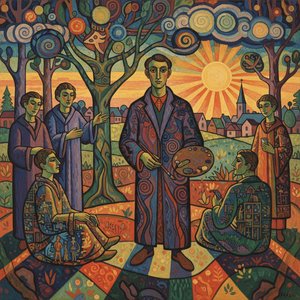
Paul Sérusier: Pioneering Synthetism & The Nabis’ Symbolic Revolution
Discover Paul Sérusier's pivotal role in the Nabis movement & the birth of Synthetism. Explore 'The Talisman,' his influence on modern art, and a deeper understanding of this symbolic revolution. Expert analysis & insights.
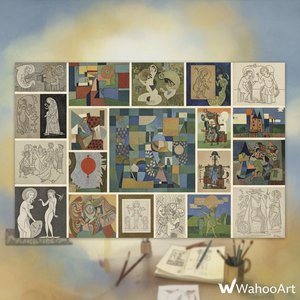
Paul Klee: 25 Mojstrovin za Navdih v Vašem Domu | OriginalUniqueArt
Odkrijte 25 mojstrovin Paula Kleeja – od ekspresionizma do abstraktnih kompozicij. Preberite zgodbe za vsako sliko, tehniko in navdih. Reprodukcije slik visoke kakovosti za vaš dom na OriginalUniqueArt.com! Raziskajte celotno zbirko online.