

 Preverite v realnem okolju
 Pošlji kot čestitko
 Deli
Deli
 Podrobnosti
 Priročnik

 Prenesi
 Podobni artefakti
 Rentgenski posnetek
 Predvajaj diaporama
 Statistika
Solomon

 Preberi več
Ročno izdelana oljna reprodukcija
Ročno slikano olje na platnu v vaši izbiri velikosti in okvirja, izdelano po naročilu naših umetnikov. ( Preklop na tiskanine Preklop na digitalno sliko)




P118B €10

P118H €10

P118W €10

P438Z €10

P508JH €12

P508YH €12

P805H €10

P805Z €10

P919BZ €10

P919G €10

P919XJ €10

P959ZH €10

P968JZ €12

W106C €8

W218G €10

W218JH €8

W218Y €10

W307PJ €10

W316G €10

W316PJ €8

W316Y €10

W398PJ €8

W4111J €10

W500HY €15

W500JH €15

W692G €12

W849H €8

W940BG €15

W953PJ €8




Izberite eno od naših vnaprej določenih velikosti, ki ustrezajo prvotnim proporcijam umetničkega dela.

Vnesite širino in višino, ki jih potrebujete, da se slika prilega vašemu okviru ali steni. Ker je delo ročno slikano, lahko umetnik pri različnih oblikih slik pri robovih doda malo več barve ali pa jih malo odreže — izberite sami. Pred začetkom slikanja vam pošljemo digitalni predogled za potrditev. Slika, prikazana na tej strani, ni končni rezultat — le predogled prikazuje dejansko podobo.
Po oddaji naročila bo ekipa OriginalUniqueArt.com stranki po e-pošti poslala navodila in predogled digitalnega predogleda.
Mednarodna dostava () v 3/4 tednih namesto običajnih 5 tednov. (25 oktober). Brez kompromisov pri kakovosti.

Brezplačna ekspresna dostava po vsem svetu

Visokokakovostno laneno platno

Popolno zavarovanje pošiljke

Garancija povračila carine in uvoznih davkov

Garancija popolnega barvnega ujemanja

Politika vračila v 100 dneh (le v primeru okvar)

Garancija 100% povračila denarja

Popust pri večjem naročilu
 Možnost stekla je na voljo le za velikosti pod 110 cm

Solomon
Tehnika reprodukcije
Velikost reprodukcije
-


Skupna cena
€ 263
Solomon Receives the Queen of Sheba
The engraving depicts King Solomon seated upon an ornate throne amidst meticulously carved architectural elements—a grand palace or temple setting—underscored by a palpable sense of regal authority and solemn contemplation. Gustave Doré’s masterful rendition captures not merely a historical narrative but embodies the very essence of Romanticism, prioritizing dramatic detail and expressive tonal variations over mere representation. The composition centers around Solomon's figure, positioned centrally flanked by towering columns adorned with intricate carvings, directing the viewer’s gaze towards his commanding presence. A substantial open book rests upon the steps before him—a deliberate symbol representing Solomon’s erudition and unwavering devotion to wisdom—while he holds scrolls in each hand, signifying royal decrees and proclamations intended to inspire awe and reverence. Doré's stylistic choices are profoundly rooted in Romantic ideals: an obsession with capturing emotion and grandeur alongside a meticulous attention to realism. The monochromatic palette—primarily shades of gray—serves as a canvas for hatching and cross-hatching techniques that generate texture and depth, simulating the appearance of stone and parchment alike. These painstaking lines aren’t merely decorative; they convey a profound understanding of light and shadow, sculpting volume and creating an atmosphere of solemn dignity. The engraving's deliberate perspective subtly recedes into the background architecture, enhancing the illusion of space and reinforcing Solomon’s dominion over his surroundings. The image resonates with symbolic significance—the open book representing Solomon’s intellectual prowess, the throne embodying his royal status, and the scrolls proclaiming his unwavering commitment to justice and righteousness. Doré's artistic vision transcends mere depiction; it aspires to evoke a feeling of reverence for biblical grandeur and to communicate the profound moral lessons embedded within the tale of Solomon and Sheba—a narrative that continues to inspire contemplation centuries later.- Artist: Gustave Doré
- Year: Unknown
- Medium: Engraving
- Style: Romanticism
The Judgment of Solomon
This monumental engraving portrays King Solomon presiding over a pivotal moment in biblical history—the famed Judgment of Solomon, wherein he arbitrated a dispute between two brothers vying for possession of their deceased father’s inheritance. Doré's depiction is characterized by an astonishing level of detail and dramatic flair, reflecting the Romantic preoccupation with conveying emotion through visual representation. The composition emphasizes Solomon’s central role as mediator, surrounded by figures representing justice and righteousness—a testament to his unwavering moral compass. The engraving’s meticulous rendering captures not only the physical setting but also the psychological tension inherent in the scene. Doré skillfully employs hatching and cross-hatching to sculpt the faces of Solomon and his advisors, conveying expressions of solemn deliberation and profound seriousness. The architectural backdrop—a grand courtroom adorned with ornate carvings—further amplifies the drama, establishing a visual framework that underscores the gravity of the decision at hand. Doré’s masterful use of tonal variation contributes significantly to the engraving's emotive impact, creating an atmosphere of suspense and anticipation. Doré’s technique exemplifies the Romantic commitment to capturing reality with uncompromising accuracy while simultaneously elevating it to artistic grandeur. The painstaking process of engraving—cutting lines into a metal plate and transferring them onto paper—allowed for unparalleled precision in tonal rendering and textural detail. This meticulous craftsmanship ensures that every nuance of Solomon's countenance and the surrounding environment is faithfully reproduced, inviting viewers to immerse themselves in the narrative’s emotional core.- Artist: Gustave Doré
- Year: Unknown
- Medium: Engraving
- Style: Romanticism
Solomon
Doré's portrayal of Solomon is imbued with a palpable sense of melancholy and introspection—a hallmark of Romantic art’s exploration of human emotion. The engraving captures Solomon in repose, seated upon his throne amidst an austere architectural space that speaks to the solitude inherent in leadership and contemplation. Doré’s masterful use of hatching and crosshatching creates a textured surface reminiscent of stone and fabric, conveying both physical realism and psychological depth. The artist's attention to detail extends beyond mere representation; it seeks to convey Solomon’s inner life—his unwavering devotion to wisdom and righteousness, his profound understanding of human nature. Doré skillfully employs tonal variation to sculpt Solomon’s face and robes, capturing subtle nuances of expression that reveal the weight of responsibility borne by a monarch tasked with upholding justice and safeguarding the realm. The engraving's subdued palette reinforces this mood of solemn contemplation, inviting viewers to contemplate the complexities of moral decision-making and the enduring legacy of biblical grandeur. Doré’s artistic vision transcends mere depiction; it aspires to evoke empathy for Solomon—a figure revered as a symbol of divine wisdom and unwavering moral integrity. The engraving stands as a testament to Doré's mastery of Romantic technique, demonstrating his ability to transform historical narrative into emotionally resonant visual art.- Artist: Gustave Doré
- Year: Unknown
- Medium: Engraving
- Style: Romanticism
- Technique: Engraving
- Materials: Copper plate, etching tools, ink, paper
- Historical Context: Romanticism
- Symbolism: Throne, Open Book
Vprašanja in odgovori
Kakšno vzdušje ima "Solomon"?
"Solomon" ima Romantično vzdušje.
Katera barva prevladuje v kompoziciji dela "Solomon" avtorja Gustave Dore?
Barva, ki najbolj izstopa v delu "Solomon", je Bež s sivim odtenkom (#c5c2bb). Prevladujoča barva je koristna pri združevanju umetniškega dela z notranjo opremo.
Kako je opisan barvni spekter dela "Solomon" avtorja Gustave Dore?
Barve dela "Solomon" tvorijo Nevtralne barve paleto. Ta klasifikacija opisuje prevladujoče barvne družine.
Biografija umetnika
Življenje v Senci in Svetlobi: Gustave Doré
Paul Gustave Louis Christophe Doré, bolj znan kot Gustave Doré, je bila izjemna osebnost, ki je s presenetljivo virtuoznostjo združevala ilustracijo, slikarstvo in kiparstvo. Rodil se je leta 1832 v Strasbourgu in njegovo življenje potekalo v obdobju velikih družbenih in umetniških sprememb, ko je romantični idealizem počasi odstopal novim trendom realizma in simbolizma. Že kot otrok je razkazoval izjemen talent – ne le za risanje, ki ga je začel zelo zgodaj, ampak tudi osebnost, ki je napovedovala dramatično noto, ki jo je zaznamovala njegova dela. Legende pripovedujejo o mladostniškem željnem raziskovanju sveta in izzivih avtoriteti, ki so presenetili z dozorelostjo ter napovedovali kompleksne in pogosto melanholične teme, ki so se prepletale skozi njegovo umetnost. Že pri petnajstih letih je začel svojo poklicno pot kot karikaturist za francoski časopis *Le Journal pour rire*, kjer je brusil svoje veščine opazovanja in kompozicije v živahnem svetu pariškega satire.Od Karikature do Literarnih Velikanov: Vzpon Ilustratorja
Njegove zgodnje naloge so tlakovale pot k prihodnji slavi. Dela, kot so *Les Travaux d'Hercule* (1847), *Trois artistes incompris et mécontents* (1851) in *Les Dés-agréments d'un voyage d'agrément* (1851), so razkazovala njegov talent za dinamično kompozicijo in mojstrsko uporabo svetlobe in sence, celo v teh relativno skromnih začetkih. Globoko ga je navdihoval J.J. Grandville, katerega fantastične podobe in satirični pristop so resonirali z Doréjevim razvijajočim se slogom. Vendar pa je bila to sodelovanje z literarnimi velikani tisto, kar mu je prineslo resnično priznanje. Leta 1853 je prejel naročilo za ilustracijo del lorda Byrona, kar mu je odprlo vrata do številnih prestižnih projektov. Sledila je monumentalna naloga ilustriranja Biblije, projekt, ki je utrdil njegov ugled in njegovo umetnost predstavil široki mednarodni občinstvu. Njegove ilustracije Cervantesa *Don Quixote* v šestdesetih letih 19. stoletja so bile posebej izjemne, globoko pa so vplivale na kasnejše interpretacije likov in pripovedi. On ni le ilustriral teh zgodb; jih je ponovno ustvarjal, napolnil z dramatično intenzivnostjo, ki je osredotočila domišljijo bralcev po vsem svetu. Obsejna izdaja Edgarja Allana Poea “The Raven”, zaključena leta 1883, mu je prinesla kar 30.000 frankov od Harper & Brothers, kar dokazuje komercialni uspeh in umetniško priznanje, ki ga je dosegel. Njegovo sodelovanje z Blanchardom Jerroldom pri *London: A Pilgrimage* (1872) je bilo posebej ganljivo in kontroverzno delo, ki je prikazovalo surove realnosti viktorijanske revščine Londona in sprožilo razprave o družbenih razmerah.Mojster Tehnike: Lesorez in Romantični Vidik
Doréjeva umetniška genialnost ni le v njegovem domišljavskem vidiku, temveč tudi v tehničnem mojstrstvu, zlasti pri lesorezu. Imel je izjemno sposobnost ustvarjanja izredno podrobnih in dramatičnih slik s to tehniko, kar mu je omogočalo množično proizvodnjo in široko razširjanje njegovega dela. Njegove kompozicije so zaznamovane z dinamiko, močnimi kontrasti med svetlobo in senco – tehnika, znana kot chiaroscuro – ter občutkom veličine, ki pogosto vzbuja čudenje ali celo strah. Pogosto je zaposloval veliko ekipo rezalcev blokov, da bi njegove načrte pretvorili v lesoreze, kar je omogočalo učinkovitost proizvodnje, potrebno za izpolnitev zahtev založnikov in bralcev. Njegov slog trdno temelji na romantični tradiciji, ki poudarja čustva, domišljijo in sublimnost – fascinacijo z močjo narave in človeškega stanja. On ni le posnel prizorov; jih je interpretiral skozi prizmo povečanih čustvenosti in dramatičnega sloga. Ta pristop, čeprav ga je slavilo veliko ljudi, je spodbudil tudi kritike, ki so njegovemu stilu očitali pretiranost ali senzacionalizem.Zapuščina in Trajni Vpliv
Gustave Doré je prejel čast, da je bil leta 1861 imenovan za Chevalierja Legije časti s strani francoske vlade, kar je dokaz njegovega vse večjega priznanja v umetniških krogih. Kljub temu se njegova prava zapuščina razteza daleč onkraj nagrad in odlikovanj. Njegove ilustracije so imele globok vpliv na vizualno kulturo, navdihujoč umetnike in bralce že generacije. Vincent van Gogh je bil med tistimi, ki so bili močno navdihnjeni z Doréjevim delom, zlasti s prikazi trpljenja in stiske, kjer je prepoznal skupno občutljivost do usode človeštva. Kljub nekaterim kritikami v času njegovega življenja – nekateri so našli njegov slog pretiran ali brez subtilnosti – Doréjevo delo zdaj cenijo zaradi umetniške vrednosti in zgodovinske pomembnosti. Njegove ilustracije še vedno oblikujejo naše razumevanje klasične literature in viktorijanske družbe, ponujajo močan vizualni interpretaciji brezčasnih zgodb in trajnih tem. Umrl je 23. januarja 1883 in za seboj pustil obsežno delo, ki še vedno očara in navdihuje. Njegova umetnost ostaja priča moči ilustracije ne le prikazati, ampak tudi interpretirati in transformirati svet okoli nas.Znana dela
- Prodajalci cvetja v Londonu (1875): Ganljivo upodabljanje viktorijanske revščine in odpornosti, ki prikazuje družbene vezi sredi stiske.
- Krščanski mučenci: Dramatično mojstrovina, ki prikaže vero in preganjanje z močnim čustvom.
- Ilustracije za Dantejevo Inferno: Morda njegovo najbolj ikonično delo, te gravure so oživele strašne vizije Dantejeve peklene doline s primerljivo intenzivnostjo.
- Ilustracije za Miltonov Izgubljeni raj: Doréjeva interpretacija tega epskega pesništva je znana po svoji veličini in dramatičnem slogu.
- Šežeči Jud (1856): Priljubljeno delo, čeprav vsebuje antisemitistične podtome, ki odražajo obdobje.
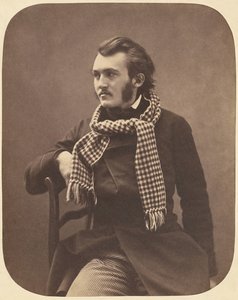
Gustave Dore
1832 - 1883 , Francija
Ključne informacije
- Datum Rojstva: 6. januar 1832
- Kraj Rojstva: Strasbourg, Francija
- Nacionalnost: Francoska
- Pod Vplivom: ['Vincent van Gogh']
- Polno Ime: Paul Gustave Doré
- Umetniški Slog: Romantizem
- Vplivneži: ['J.J. Grandville']
- Znani Dela:
- Don Kihot
- Havran
- London: Pomenovanje
- Biblija
- Inferno Dantovega
Sorodni članki
Gustav Klimt: 25 Mojstrovin, ki Očarajo – Umetnost za Vaš Dom | OriginalUniqueArt
Odkrijte 25 čudovitih del Gustava Klimta – od zlate secesije do portretov in simbolizma. Preberite zgodbe za vsako umetnino in poiščite popolno reprodukcijo za vaš dom na OriginalUniqueArt.com.

Engraving: A Historical Survey of Technique, Artistic Expression & Enduring Legacy
Explore the rich history of engraving with OriginalUniqueArt. Discover techniques, iconic artists like Dürer & Callot, collecting tips, and expert guidance for preserving your art investment. Learn about intaglio printing & more!
Paul Gustave Doré: A Master of Romantic Realism & the Illustrated Imagination
Explore the captivating world of Gustave Doré, master of Romantic realism & iconic illustrator. Discover his dramatic wood engravings, paintings, and sculptures – a legacy shaping art history. Learn more at OriginalUniqueArt.

The Intricate World of Engraving: A Historical Survey of Technique, Artistic Expression & Enduring Legacy
Explore the rich history of engraving with OriginalUniqueArt. Discover techniques, iconic artists like Dürer & Callot, collecting tips, and expert guidance for preserving your art investment. Learn about intaglio printing & more!
Engraving's Golden Age: 10 Masterpieces That Redefined Art | OriginalUniqueArt
Journey through art history with our Top 10 Legendary Engravings! Explore masterpieces by Dürer, Rembrandt & Goya. Discover the stories behind these iconic prints and find museum-quality reproductions for your home at OriginalUniqueArt.com.


