

 Predogled
 Pošlji
 Deli
Deli
 Podrobnosti o delu

 Prenesi
 Podobni izdelki
 Rentgenski posnetek
 Predvajaj diaporama
Morphine Addicts
 Acrylic On Canvas
- WallArt
- Impressionism
 1887
1887 24.0 x 37.0 cm
 Metropolitanski muzej umetnosti
 Razviljaj več
Kupite digitalno sliko visoke ločljivosti z izboljšano kakovostjo, ki je precej boljša od spletnega predogleda.
Vsaka datoteka je pod natančnim nadzorom naših strokovnjakov, ki uporabljajo napredna orodja in strokovno ročno obdelavo. Zagotovimo, da ima vsaka slika izjemno jasnost, natančnost barv in fine podrobnosti.
Končna datoteka je po e-pošti dostavljena v 72 urah, optimizirana za takojšnjo uporabo v profesionalnem, uredniškem in tiskarskem okolju. To je kakovost, ki ji zaupajo vrhunska oblikovalna studia, založniki in galerije.
Digitalna slika
Prenesite datoteko visoke ločljivosti za osebno uporabo, tiskanje in kreativne projekte. ( Kupi tisk Kupi ročno naslikano sliko)
Vključeno v vsako naročilo digitalne slike
Zagotovljena strokovna digitalna dostava
Ko izberete OriginalUniqueArt.com, ne prejmete le slike – prejmete digitalno umetniško delo, ki je profesionalno urejeno, izdelano z natančnostostjo in zavestno zagotovljeno z garancijo za zadovoljstvo. Tukaj je vse, kar samodejno prejmete z vašim naročilom:

Hitra dostava prek e-pošte
Vaša digitalna slika visoke ločljivosti bo na vaš e-naslov poslana v roku 72 ur od zaklopa naročila – pripravljena za takojšnjo uporabo.

Digitalna datoteka z umetno inteligenco
Vaše umetniško delo je strokovno optimizirano z uporabo naprednih orodij umetne inteligence in ročne obdelave, kar zagotavlja največjo stopnjo podrobnosti, jasnosti in barvne natančnosti.

Brezplačna ponovna dostava za vse življenje
Ste zaradi nespremietne napake izgubili ali izbrisali svojo datoteko? Ni težav – vam jo bomo ponovno poslali kadar koli in brezplačno.

Brez uvoznih pristojbin – vedno
Uživajte v svojem umetniškem delu takoj, brez carin, davkov ali stroškov dostave – digitalni prenosi so vedno brezdavčni.

Zagotovilo natančnosti barv
Z uporabo profesionalnih orodij in upravljanja barv zagotavljamo, da vaša digitalna slika čim bolj natančno odraža prvotne barve.

100-dnevna garancija zadovoljstva
Če niste zadovoljni s svojo digitalno sliko, jo bomo uredili ali povrnili 100% zate v 100 dneh – brez kakršnih koli vprašanj.

100% Garancija povračila denarja
Niste zadovoljni? Zagotavljamo vam popoln povračilo sredstev v 100 dneh po prejemu digitalne datoteke – brez dodatnih vprašanj.

Popusti pri večjem številu naročil
Kupite 3 slike, prihranite 10% - Kupite 5 slik, prihranite 15% - Kupite 10+ slik, prihranite 20%. Odlično za kreativne projekte, galerije in agencije.
Paul Albert Besnard - Morphine Addicts
Paul Albert Besnard (1849-1934) stands as a singular figure in French art of the late nineteenth and early twentieth centuries—a painter who stubbornly resisted categorization while simultaneously achieving remarkable success across diverse artistic mediums. Born in Paris, he possessed an innate talent nurtured by formal training at the École des Beaux-Arts under Jean Bremond and profoundly shaped by the pioneering spirit of Alexandre Cabanel, whose meticulous realism served as a cornerstone for Besnard’s initial artistic explorations. His academic grounding provided a disciplined foundation upon which he would later forge his own distinctive path, one characterized by an unwavering fascination with color and light—concepts championed by the Impressionists. Despite eschewing the overtly dramatic aesthetic favored by his contemporaries, Besnard skillfully adapted Impressionistic techniques to monumental decorative pro Besnard’s oeuvre is marked by a profound sensitivity to human emotion and psychological nuance, particularly evident in his portraits of women – figures rendered with exquisite detail and imbued with an aura of melancholy. “Morphine Addicts,” completed in 1887, exemplifies this artistic approach, presenting two women presented in a starkly lit laboratory setting—a juxtaposition that immediately invites contemplation on themes of illness, addiction, and the complexities of human experience. The artist’s masterful command of etching technique contributes significantly to the artwork's expressive power, capturing subtle tonal variations and textural nuances with remarkable precision. The composition itself is deliberately restrained, focusing intently on the faces and upper bodies of the subjects—a stylistic choice that underscores Besnard’s commitment to realism while simultaneously conveying a sense of intimacy. The figures are positioned slightly off-center, creating visual balance and drawing the viewer's gaze towards their expressive eyes. A table laden with scientific glassware serves as a grounding element, anchoring the scene within its clinical context and subtly hinting at the underlying narrative. Besnard’s meticulous hatching and crosshatching techniques—inherited from Cabanel’s influence—are employed to build up areas of shadow, enhancing depth and creating an atmosphere of quiet contemplation. Color plays a crucial role in conveying emotion, though Besnard eschews vibrant hues characteristic of Impressionism, opting instead for a monochrome palette dominated by shades of grey and white. This tonal scheme amplifies the artwork’s melancholic mood, emphasizing the vulnerability of the subjects and fostering a connection with the viewer on an emotional level. The artist skillfully utilizes light and shadow to sculpt the forms of the women's faces, highlighting their expressions and conveying subtle nuances of emotion—a testament to Besnard’s artistic prowess. Ultimately, “Morphine Addicts” transcends mere visual representation; it functions as a poignant meditation on human suffering and resilience. Besnard’s stylistic blend of academic realism with Impressionistic sensibilities captures the essence of his era—a period marked by intellectual curiosity and an exploration of psychological states. The artwork's enduring appeal lies in its ability to provoke reflection on themes of addiction, vulnerability, and the profound beauty found within moments of quiet introspection. It remains a compelling example of Besnard’s artistic vision and a testament to the power of art to communicate complex emotions with grace and subtlety.Biografija umetnika
Luminostno dedstvo Paula Alberta Besnarda
Paul Albert Besnard (1849–1934) izstopa kot edinstvena figura v tapiseriji francijske umetnosti, slikar, ki je skozi spreminjajoče se valove konca devetnajstega in začetka dvajsetega stoletja plujal z edinstično, neklasificirlno eleganco. Rod v Parizu, je svojo umetniško pot začel v strogih okvirih École des Beaux-Arts, kjer je študiral pod mentorstvom Jeana Bremonda. Njegov zgodnji razvoj je močno oblikoval natančen realizem Alexandre Cabanela, vpliv, ki je Besnardu zagotovil disciplinirano akademsko temelj. Vendar pa se pod to klasično izobrazbo je pretelesalo srce modernizatorja, umetnika, ki bi sčasoma presegel rigidne meje tradicije, da bi objel prehodno lepoto svetlobe in atmosfere.
Ko se je njegova kariera zrela, je Besnard začel premoščati vrzel med strukturiranim svetom akademske slikarstva in živopisnimi, čutnimi raziskavami impresionizma. Čeprav forme ni popolnoma opustil zaradi čiste abstrakcije, je postal mojster barv, uporabljajoč paleto, ki je delovala hkr luminostno in globoko čustveno. Njegovo del zaznamuje neomajna fascinacija nad tem, kako svetloba vstopa v interakcijo z površinami, naj gre za nežno kožo na portretu ali za širinske arhitektonske razsege njegovih največjih naročil. Ta sposobnost združevanja monumentalnega z intimnim mu je omogočila, da je presegel oznake svojega obdobja in ustvaril slog, ki je deloval hkr brezčasno in osušljivo sodoben.
Mojster razsežnosti in duha
Besnardov pravi genij je bil morda najbolj viden v njegovi sposobnosti, da moderne občutke prevede v veličastno, dekorativno razsežnost. On ni le slikal slike; on je transformiral prostore. Njegove ambiciozne freske, ki krasijo nekatere najugodnejše francenske institucije, služijo kot spomenik njegovi viziji umetnosti kot javnega, poglobljenega izkušnje. Ta dela lahko najdemo na takšnih lokacijah, kot so:
- Sorbona, kjer njegovi potezni lanci vdirajo življenje v akademski veličastnost.
- Šola za farmacevtiko (École de Pharmacie), ki prikazuje njegovo sposobnost integracije umetnosti z funkcionalno arhitekturo.
- Dvorana znanosti v Comédie Française, triumf dekorativnega pripovedovanja.
- Mestna občina (Hôtel de Ville), ki odraža občinsko ponost in estetsko sofisticiranost Pariza.
- Kapela bolnišnice v Bercku, kjer so njegove Stations of the Cross ponovno interpretirale religiozno ikonografijo skozi moderno, humanistično lečo.
V teh masivnih podvigi se je Besnard izognil pretirano dramatični ali teatralni estetiki, ki so jo izbrali mnogi njegovi sodobniki. Namesto tega je uporabil bolj subtilen, atmosferičen pristop, ki je omogočil svetlobi, da vodi oko gledalca, s čimer je zagotovil, da so tudi najobnejše kompozicije ohranile občutek poetične intimnosti in duhovne globine.
Portretna slikarstvo in intimnost forme
Poza širimi razgledi njegovih fresk je bil Besnard plodni ustvarjalec veliko bolj osebnih del. Imel je izjemno sposobnost zajeti psihološko bistvo svojih motivov z oljami, akvareli, pastelami in etringom. Njegovi portreti so slavljeni ne le zaradi svoje tehnične natančnosti, temveč zaradi njihove globoke čustvene resonance. V njegovem prikazu Madame Georges Rodenbach najdemo drzne raziskovanje lepote, ki izziva konvencionalne norme, ter prikazuje njegovo veščino oblikovanja teksture in značaja z enako strastjo.
Njegova vsestranskost kot grafika in riskarca mu je omogočila eksperimentiranje z interakcijo senče in svetlobe na veliko bolj nežni ravni. Ne glede na to, ali je zajemal kraljevsko prisotnost kralja in kraljice Belgije ali tišino pokrajine, Besnardovo del ostaja navezano na vpliv, ki spominja na Thomasa Gainsboroughja — določeno eleganco in ritmično pretočnost, ki dviguje vsebino. Končno, pomen Paula Alberta Besnarda leži v tej dvojnosti: bil je umetnik, ki je lahko vladal največjim dvoranam Francije, hkrati pa je znal zajeti najprehodnejše, najnežnejše šepete svetlobe.
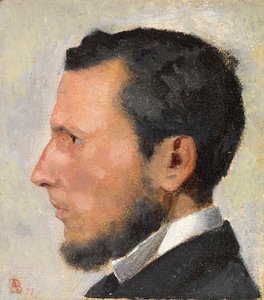
Paul Albert Besnard
1849 - 1934 , Francija
Ključne informacije
- Artistic Movement Or Style: Impresionizem
- Artists Or Movements Influenced By This Artist: ['Akademsko slikarstvo']
- Artists Who Influenced This Artist:
- Alexandre Cabanel
- Thomas Gainsborough
- Date Of Birth: Pariz, Francija (1849)
- Date Of Death: 1934
- Full Name: Paul Albert Besnard
- Nationality: Francoz
- Notable Artworks:
- Smrt Timofana
- Mir z ločitevijo
- Portret Madame Georges Rodenbach
- Place Of Birth: Pariz