- Domov

- Digitalna slika
- Odilon Redon
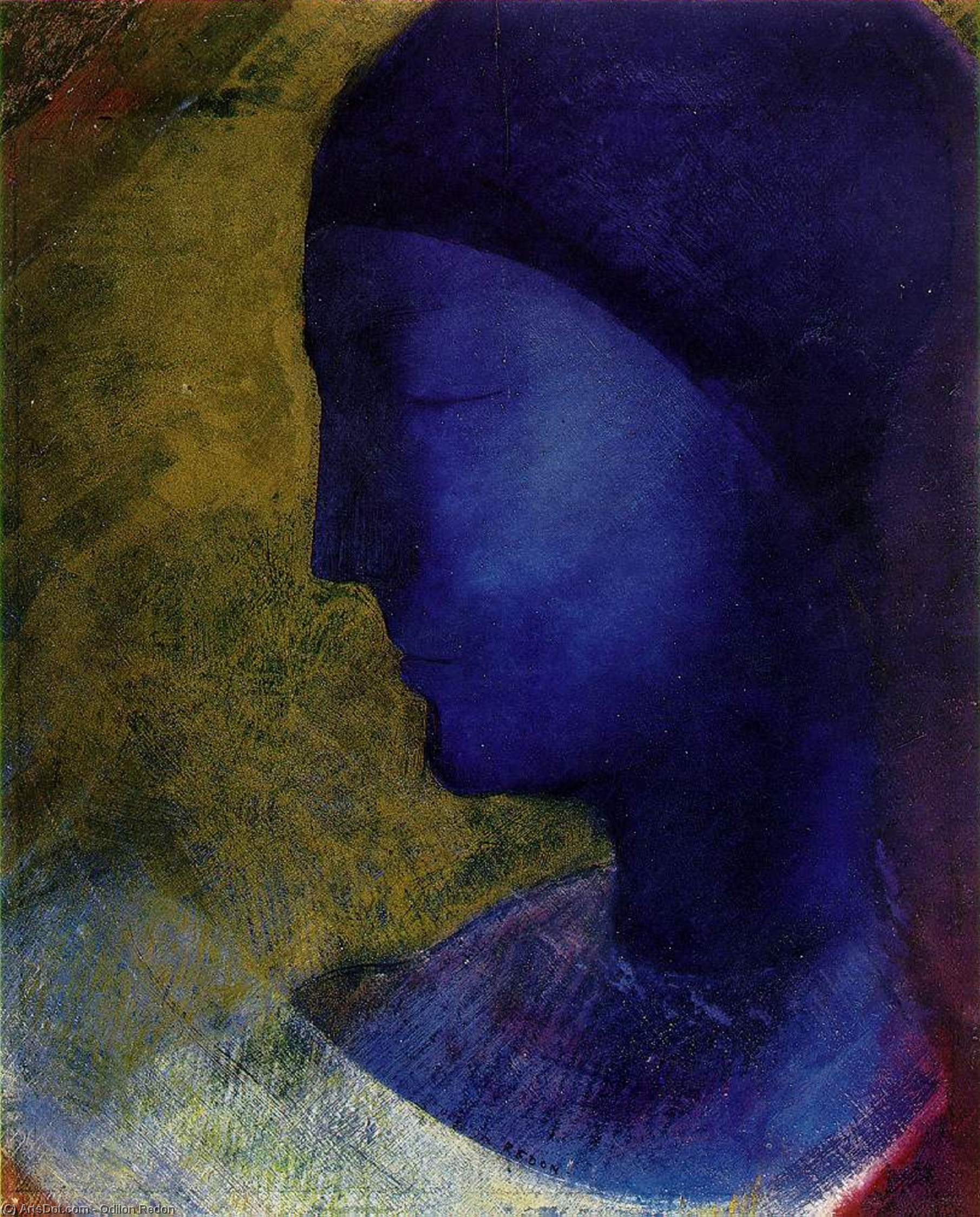
- The Golden Cell
 Kupi tiskanino Naročite reprodukcijo
 Pošlji
 Deli
Deli
 Podrobnosti o delu
 Dodaj v priljubljene

 Prenesi
 Podobni izdelki
 Rentgenski posnetek
 Predvajaj diaporama
The Golden Cell


 Razviljaj več
Kupite digitalno sliko visoke ločljivosti z izboljšano kakovostjo, ki je precej boljša od spletnega predogleda.
Vsaka datoteka je pod natančnim nadzorom naših strokovnjakov, ki uporabljajo napredna orodja in strokovno ročno obdelavo. Zagotovimo, da ima vsaka slika izjemno jasnost, natančnost barv in fine podrobnosti.
Končna datoteka je po e-pošti dostavljena v 72 urah, optimizirana za takojšnjo uporabo v profesionalnem, uredniškem in tiskarskem okolju. To je kakovost, ki ji zaupajo vrhunska oblikovalna studia, založniki in galerije.
Digitalna slika
Prenesite datoteko visoke ločljivosti za osebno uporabo, tiskanje in kreativne projekte.
Vključeno v vsako naročilo digitalne slike
Zagotovljena strokovna digitalna dostava
Ko izberete OriginalUniqueArt.com, ne prejmete le slike – prejmete digitalno umetniško delo, ki je profesionalno urejeno, izdelano z natančnostostjo in zavestno zagotovljeno z garancijo za zadovoljstvo. Tukaj je vse, kar samodejno prejmete z vašim naročilom:

Hitra dostava prek e-pošte
Vaša digitalna slika visoke ločljivosti bo na vaš e-naslov poslana v roku 72 ur od zaklopa naročila – pripravljena za takojšnjo uporabo.

Digitalna datoteka z umetno inteligenco
Vaše umetniško delo je strokovno optimizirano z uporabo naprednih orodij umetne inteligence in ročne obdelave, kar zagotavlja največjo stopnjo podrobnosti, jasnosti in barvne natančnosti.

Brezplačna ponovna dostava za vse življenje
Ste zaradi nespremietne napake izgubili ali izbrisali svojo datoteko? Ni težav – vam jo bomo ponovno poslali kadar koli in brezplačno.

Brez uvoznih pristojbin – vedno
Uživajte v svojem umetniškem delu takoj, brez carin, davkov ali stroškov dostave – digitalni prenosi so vedno brezdavčni.

Zagotovilo natančnosti barv
Z uporabo profesionalnih orodij in upravljanja barv zagotavljamo, da vaša digitalna slika čim bolj natančno odraža prvotne barve.

60-dnevna garancija zadovoljstva
Če niste zadovoljni s svojo digitalno sliko, jo bomo uredili ali vam v 60 dneh povrnili 100% denarja – brez kakršnih koli vprašanj.

100% Garancija povračila denarja
Niste zadovoljni? Zagovрите popoln povračilo sredstev v 60 dneh po prejemu digitalne datoteke – brez kakršnih koli vprašanj.

Popusti pri večjem številu naročil
Kupite 3 slike, prihranite 10% - Kupite 5 slik, prihranite 15% - Kupite 10+ slik, prihranite 20%. Odlično za kreativne projekte, galerije in agencije.
Opis digitalnega artefakta
A Glimpse into the Subconscious Mind
Odilon Redon’s The Golden Cell, painted in 1892, is not merely a portrait; it is an invitation into the labyrinthine corridors of the human psyche. The subject—a woman rendered with striking blue tones against a luminous, almost ethereal yellow background—captures a moment suspended between deep thought and quiet revelation. Her downward gaze suggests introspection, as if she is contemplating secrets only visible in the stillness of her own mind. Redon, forever drawn to the unseen realms of imagination, uses this composition to transport the viewer beyond the tangible reality into a space rich with symbolic weight.
Symbolism and the Allure of Blue
The interplay of color is central to the painting's mesmerizing effect. The vibrant blue dominating the woman’s attire and features contrasts sharply yet harmoniously with the radiant yellow ground, creating an immediate visual tension that draws the eye inward. In Symbolist art, such colors often carry profound emotional resonance. Blue frequently speaks to melancholy, spirituality, or mystery, while gold tones suggest enlightenment or a sacred enclosure—the titular "Golden Cell." This juxtaposition hints at a soul contained within a moment of brilliant, yet perhaps isolating, contemplation. The elongated neck adds an almost sculptural quality to the figure, emphasizing her thoughtful detachment from the bustling world outside the canvas.
Mastery in Technique and Style
As a key exponent of Symbolism, Redon eschewed the straightforward narratives of academic art for something more suggestive and dreamlike. While his early work explored etching and lithography, The Golden Cell showcases his painterly ability to evoke atmosphere. The technique allows the edges to soften, blurring the line between solid form and surrounding ether. It is a masterful handling of light against shadow, giving the entire piece an almost phosphorescent quality. For those who appreciate art that whispers rather than shouts its meaning, this work exemplifies the delicate balance between detailed portraiture and pure emotional abstraction.
Creating an Atmosphere for Modern Spaces
For collectors and interior designers alike, The Golden Cell offers more than just aesthetic beauty; it provides a focal point of profound contemplation. Its rich, jewel-toned palette—the deep blues against the warm gold—makes it exceptionally versatile. Imagine this piece anchoring a drawing-room or a study, where its enigmatic presence encourages conversation and quiet reflection. Owning a high-quality reproduction allows one to bring this specific mood of sophisticated mystery into your personal sanctuary, transforming a mere wall into a portal to Redon’s imaginative world.
Biografija umetnika
Odilon Redon (1840-1916), Between Shadow and Light
Odilon Redon, born Bertrand Jean Redon in Bordeaux, France, was an artist perpetually drawn to translate the unseen realms of imagination and dream into tangible form. His artistic journey began not with grand ambition but with quiet observation; at just ten years old he won a drawing prize—a foreshadowing of the visual sensitivity that would define his life’s work. Though initially steered towards architecture by familial expectations, Redon's true calling lay elsewhere, illuminated by instruction from Jean- Léon Gérôme and Rodolphe Bresdin, who guided him in the intricate arts of etching and lithography. These techniques became foundational to his early explorations, allowing him to delve into a world of shadowy figures and ambiguous forms that would soon captivate those seeking an alternative to academic realism. The interruption of the Franco-Prussian War saw Redon briefly serving in the military, but it was upon his return to Paris that his artistic vision truly began to coalesce. ## Early Life & Artistic Formation: A Childhood Shaped by Observation and Inspiration Bertrand Jean Redon’s formative years were marked by a profound connection with nature—a connection that would profoundly influence his artistic sensibilities. Raised in Bordeaux, he experienced a childhood largely secluded from the bustle of urban life, spending considerable time at his family estate near Peyrelebade, where he cultivated an intimate understanding of the landscape and its rhythms. This early exposure to visual stimuli fostered a sensitivity to light and shadow—elements that would become central to Redon’s distinctive style. At eleven, he secured a drawing prize at school, demonstrating exceptional talent from a young age. Recognizing his aptitude for art, his father encouraged him to pursue architectural studies in Paris, though Redon ultimately abandoned this path after failing the École des Beaux-Arts entrance examinations. Nevertheless, he continued to refine his artistic skills under Jean Léon Gérôme’s tutelage, absorbing influences from Impressionism and Realism—though he steadfastly rejected their commitment to objective representation. His encounter with Rodolphe Bresdin proved pivotal, introducing him to the art of etching and lithography—techniques that would become indispensable tools for exploring his imaginative vision. ## The Birth of Symbolism: ‘Noirs’ and Early Visions – Monochrome Explorations of the Subconscious Redon's artistic breakthrough arrived in 1879 with the publication of *Dans le rêve* (In the Dream)—his first album of lithographs printed by Lemercier—a series that immediately established him as a significant voice within Symbolism. These monochrome compositions, known as “noirs,” were executed primarily in charcoal and lithography, representing a radical departure from prevailing artistic trends. Unlike traditional landscapes or portraits, Redon’s “noirs” eschewed realistic depiction, instead prioritizing the evocative power of darkness to convey psychological states—an approach deeply rooted in the Symbolist preoccupation with the subconscious mind. Influenced by writers like Edgar Allan Poe and Charles Baudelaire—who shared a fascination for the macabre, the mysterious, and suggestion—Redon’s “noirs” populated swirling mists with strange creatures, disembodied eyes, and haunting figures emerging from obscurity. These works weren't initially embraced by critics or collectors; Redon remained largely unknown for years, despite his unwavering dedication to his craft. However, a crucial turning point occurred in 1884 when Joris Karl Huysmans’ novel *À rebours* catapulted him into the spotlight—the story featured a decadent aristocrat who collected Redon's drawings, validating his artistic vision and attracting considerable attention from avant-garde intellectuals. ## Mastering Lithography & Exploring Mythological Themes – Technique and Imagination Converge Redon’s mastery of lithography was unparalleled; he meticulously crafted each plate to achieve the desired tonal range and textural effects—a testament to his technical skill and unwavering commitment to artistic innovation. He skillfully combined observation with imagination, drawing inspiration from diverse sources—including Hindu poetry and Japanese art—to create works that transcended mere visual representation. Recurring motifs—such as the “eye balloon,” a symbol of contemplation and spiritual awareness—and depictions of mythological figures—particularly those drawn from Greek mythology—became hallmarks of his oeuvre. Redon’s artistic explorations extended beyond traditional landscapes and portraits, delving into realms of fantasy and psychological introspection. He sought to capture not just what he saw but also what he felt—a principle that underpinned his entire creative process. His meticulous attention to detail—particularly in capturing the nuances of light and shadow—contributed significantly to the haunting beauty and emotional resonance of his paintings and prints. ## Legacy & Influence: A Precursor to Surrealism – Redon’s Enduring Impact on Modern Art Odilon Redon's influence on subsequent generations of artists is undeniable. He served as a pivotal figure in Symbolism, paving the way for Surrealist experimentation with dreamlike imagery and irrationality—artists like Marcel Duchamp and Max Ernst recognized Redon’s profound contribution to artistic thought. His exploration of psychological states—particularly anxiety and melancholy—resonated deeply with Expressionist painters who sought to convey emotion through distorted forms and vibrant colors. Furthermore, Redon's meticulous technique—characterized by masterful lithography and a nuanced understanding of tonal gradation—served as an inspiration for artists across various disciplines. He was awarded the Legion of Honor in 1903, cementing his reputation as one of France’s most distinguished painters. His work gained international acclaim during the Armory Show in New York City in 1913—a landmark event that introduced modern art concepts to American audiences. Redon died peacefully in Paris in 1916, leaving behind a legacy of artistic innovation and enduring beauty—a testament to his unwavering dedication to exploring the depths of human experience through visionary imagination.
Odilon Redon
1840 - 1916 , Francija
Ključne informacije
- Artistic Movement Or Style: Simbolizem
- Artists Or Movements Influenced By This Artist:
- Surrealizm
- Marcel Duchamp
- Artists Who Influenced This Artist:
- Jean-Léon Gérôme
- Rodolphe Bresdin
- Date Of Birth: 1840
- Full Name: Odilon Redon
- Nationality: Francoski
- Notable Artworks:
- Centaurs
- Onnes
- Portrait of Ari Redon
- Place Of Death: Pariz

