

 Preverite v realnem okolju
 Pošlji kot čestitko
 Deli
Deli
 Podrobnosti
 Priročnik

 Prenesi
 Podobni artefakti
 Rentgenski posnetek
 Predvajaj diaporama
 Statistika
The Child
 Acrylic On Canvas
- WallArt
- Symbolist Painting
 1894
1894 27.0 x 26.0 cm
 Musée des Beaux-Arts de Dijon
 Preberi več
Giclée tisk / Umetniški tisk
Giclée ali platnati odtis muzejske kakovosti z hitro proizvodnjo in prilagodljivimi možnostmi končne obdelave. ( Naročite ročno slikano reprodukcijo Preklop na digitalno sliko)




P118B €10

P118H €10

P118W €10

P438Z €10

P508JH €12

P508YH €12

P805H €10

P805Z €10

P919BZ €10

P919G €10

P919XJ €10

P959ZH €10

P968JZ €12

W106C €8

W218G €10

W218JH €8

W218Y €10

W307PJ €10

W316G €10

W316PJ €8

W316Y €10

W398PJ €8

W4111J €10

W500HY €15

W500JH €15

W692G €12

W849H €8

W940BG €15

W953PJ €8




Izberite eno od naših vnaprej določenih velikosti, ki ustrezajo prvotnim proporcijam umetničkega dela.

Vnesite širino in višino, ki jih potrebujete za svoj okvir ali steno. Tiskanje se lahko le odreže, vendar ga ni mogoče narediti večjega od slike, zato format z drugačno obliko pomeni izgubo dela slike. Pred tiskanjem vam pošljemo digitalni predogled za potrditev. Slika, prikazana na tej strani, ne prikazuje dejanskega izrezkov — le predogled to omogoča.
Globalna dostava () v 2 tednih namesto standardnih 4/5 tednov. (24 oktober)

Brezplačna ekspresna dostava po vsem svetu

Visokokakovostno laneno platno

Popolno zavarovanje pošiljke

Garancija povračila carine in uvoznih davkov

Garancija popolnega barvnega ujemanja

Politika vračila v 100 dneh (le v primeru okvar)

Garancija 100% povračila denarja

Popust pri večjem naročilu
 Možnost stekla je na voljo le za velikosti pod 110 cm

The Child
Giclée tisk / Umetniški tisk
Velikost reprodukcije
-


Skupna cena
€ 70
A Dreamscape in Pastel: Unveiling Odilon Redon’s “The Child”
Odilon Redon's "The Child," painted in 1894 and currently residing within the hallowed halls of the Musée des Beaux-Arts in Dijon, France, is not merely a depiction of a young figure; it’s an immersion into a realm of potent symbolism and haunting beauty. This work, rendered primarily in delicate pastel hues, exemplifies Redon's signature style – a deliberate blurring of reality and dream, where familiar forms are subtly distorted and imbued with layers of psychological depth. Redon, a pivotal figure within the Symbolist movement, sought to capture not just what was seen, but what lay beneath the surface of perception, translating inner states into visual language.
The painting immediately draws the viewer in with its ethereal atmosphere. The child’s face, rendered with an almost unnerving clarity despite the soft pastel application, possesses a gaze that seems to pierce through the canvas, directed towards something just beyond our field of vision. Blue eyes, framed by rosy cheeks and a delicate nose, convey both innocence and a hint of melancholy. This directness is juxtaposed against the background – a vibrant, almost aggressively bright orange—a color choice that immediately creates tension and intrigue. Redon masterfully uses this contrast to draw attention to the child’s face, elevating it as the focal point of the composition while simultaneously suggesting an unsettling disconnect between the subject and its surroundings.
The Language of Symbolism: Decoding Redon's Palette
Redon’s artistic journey was deeply influenced by a fascination with the subconscious and the exploration of hidden meanings. He frequently employed recurring motifs – children, animals, and fantastical creatures—to represent universal themes such as mortality, transformation, and the fragility of human existence. In “The Child,” these symbolic elements are subtly interwoven into the scene. The bright orange background, often interpreted as representing primal energy or even danger, could symbolize the unknown forces that shape a child’s development and perception of the world. The child's averted gaze suggests a contemplation of something beyond immediate experience, perhaps hinting at an awareness of mortality or the mysteries of life.
Furthermore, Redon’s choice of pastel as his primary medium is crucial to understanding the painting’s emotional impact. Pastels offer a remarkable ability to capture subtle nuances of light and shadow, creating a sense of softness and vulnerability. The hazy quality of the colors contributes to the dreamlike atmosphere, inviting viewers to project their own emotions and interpretations onto the scene. Redon's technique involved layering thin washes of pastel pigment, building up color gradually to achieve depth and luminosity – a process that demanded immense patience and control.
A Historical Context: Symbolism and the Dawn of Modern Art
To fully appreciate “The Child,” it’s essential to understand the artistic climate in which Redon was working. The late 19th century witnessed a growing disillusionment with academic realism, as artists sought new ways to express subjective experience and explore the darker aspects of human psychology. Symbolism emerged as a direct response to this shift, rejecting literal representation in favor of evocative imagery and symbolic narratives. Artists like Redon, alongside Monet, Renoir, and Degas, were pushing the boundaries of traditional painting, paving the way for the radical innovations of the 20th century.
Redon’s work aligns closely with the Symbolist movement's interest in exploring the subconscious mind and its influence on perception. He was also deeply influenced by Japanese art, particularly woodblock prints, which he admired for their use of flattened perspective, bold colors, and symbolic imagery. This influence is evident in the painting’s composition and color palette, contributing to its distinctive dreamlike quality.
A Timeless Masterpiece: Reproduction and Beyond
"The Child" remains a profoundly moving work of art, captivating viewers with its haunting beauty and enigmatic symbolism. Today, high-quality reproductions offer an accessible way to experience the power of Redon’s vision. Whether displayed in a private residence or a public space, this painting continues to spark contemplation and invite us to delve into the depths of our own imaginations. For those seeking a piece that transcends mere decoration, “The Child” is a testament to the enduring legacy of Odilon Redon – an artist who dared to paint not what he saw, but what he felt.
Vprašanja in odgovori
Kakšno vzdušje ima "The Child"?
"The Child" ima Ethereal vzdušje.
Ali je "The Child" tipično za dela, ki jih Odilon Redon običajno ustvarja?
"The Child" prikazuje childhood, symbolism, pastel colors, dreamlike, orange background, french art, redon, fantasy, medtem ko so zabeležene teme umetnika Odilon Redon vsebovane v symbolism, dreamlike imagery, japanese influence, religious symbolism, hindu/buddhist themes, private patronage, decorative commissions, fantasy. Primerjava obeh razkriva, kako se del povezuje z običajnimi motivi umetnika.
Kje je danes razstavljeno "The Child" avtorja Odilon Redon?
Originalno delo "The Child" avtorja Odilon Redon se nahaja v muzeju Musée des Beaux-Arts de Dijon, Dijon, Francija. Reprodukcija omogoča, da ta sklad je prikazan tudi v vašem doma.
Biografija umetnika
Svet beyond vidnega: Enigmatična umetnost Odilona Redona
Odilon Redon, rojen kot Bertrand-Jean Redon leta 1840 v Bordeauxu v Franciji, je bil umetnik, ki ga je neprestano privlačilo prevajanje nevidnih svetov predstavljanja in sanj v oprijemljivo obliko. Njegova umetniška pot se ni začela z velikimi ambicijami, temveč z tihim opazovanjem; že pri desetih letih je osvojil nagrado za risanje – napoved vizualne občutljivosti, ki bo določila delo njegovega življenja. Čeprav so ga zaradi družinskih pričakovanj sprva usmerjali v arhitekturo, je Redonovo pravo poklicanje ležalo drugje, osvojeno z učmiotvijo Jeana-Leona Gérômeja in, kar je bilo ključno, Rodolphea Bresdina, ki ga je vodil skozi zapletene umetnosti etrike in litografije. Te tehnike so postale temelj njegove zgodnje raziskovanja, saj mu je omogočile vpog v svet senčovitih figur in nedoločenih oblik, ki bodo kmalu očarali tiste, ki so iskali alternativo akademskemu realizmu. Prekinitev francosko-pruske vojne je prinesla Redona na kratko v vojsko, vendar se je njegova umetniška vizija začela zares oblikovati šele ob njegovem povratku v Pariz.Roditev simbolizma: »Noirs« in zgodnje vizije
Redonova zgodnja kariera je bila zaznamovana z zavolnim umikom od prevladujočih umetniških trendov. Ni si želel ponavljati vidnega sveta, temveč priklicati njegove skrite vihre – tesnobo, želje in duhovne hrepenja, ki ležijo pod površino vsakdana. To je vodilo do njegove znamenite serije »noirs«, monokromatskih del, izvedenih z ogljem in litografijo. To niso bile le študije teme; bile so raziskave podzavesti, naseljene z nenavadnimi bitji, brezbodičnimi očmi in strašljivimi figurami, ki izvirajo iz vrtoglavih meglic. Vpliv piscev, kot sta Edgar Allan Poe in Charles Baudelaire, je tukaj opazno – skupna fascinacija s črno umetnostjo, skrivnostjo in močjo sugestije. Ta dela takoj niso bila sprejeta; Redon je več let ostal v veliki meri neznan. Ključni trenutek je prišel leta zględ v romanu Jorisa-Karla Huysmansa *À rebours* (Proti naravi), kjer je dekadentni aristokrat Des Esseintes zagovarjal Redonove risbe, s čimer je takoj dvignil njegov status v avangardnih krogih. To priznanje je odprlo vrata in omogočilo Redonu, da še naprej razvije svoj edinstven umetniški jezik. Svojo delo je opisal kot nedoločno in neopredeljivo, z izjavo, da nas mora »postaviti, kot to počne glasba, v nedoločen svet negotovosti.«Prebujanje palete: Od monokroma do živahne ekspresije
Čeprav so »noirs« utrdili Redonovo mesto kot pomembno moč v simbolizmu, je njegova umetnost v 1890 letih doživela čudovito preobrazbo. Začel je sprejemati barvo – najprej pastel, nato olje – s čim je svoje kompozicije napolnil z novo živahnostjo in svetlobnostjo. Ta premik ni bil le tehnične narave; odražal je razvijajočo se čustveno pokrajino v samem umetniku. Predana dela so pogosto nosila občutek melanholije in izolacije, poznejša slika pa razkrivajo naraščajoče zanimanje za mitologijo, budizem in japonsko umetnost – *japonizem* je bil pomemben vpliv. Dela, kot je *Smrt Buddhe* (1av 1899), dokazujejo to fascinacijo z vzhodno duhovnostjo, medtem ko dela, naročena baronetu Robertu de Domecyju za njegovo grajo, prikazujejo Redonovo sposobnost združevanja dekorativnih elementov s simbolično podobo. Portreti baronice de Domecy in njene hčerke Jeanne so posebej osupljivi primeri tega obdobja, saj zajimajo ne le fizično podobnost, temveč tudi občutek notranjega življenja in psihološke globine. Redon je skozi svojo umetnost raziskoval svoje notranje občutke in psiho, z namenom, da »postavi vidno v službo nevidnega.«Dedstvo in vpliv: Predhodnik surrealizma
Vpliv Odilona Redona na svet umetnosti sega daleč čez njegovo lastno življenje. Leta 1903 je prejel Legijon čast, njegova dela pa so dobila širše priznanje z razstavami na Armory Show v New Yorku leta 1913. Vendar pa je njegova prava pomembnost popolnoma postala jasna šele po njegovi smrti leta 1916. Redonovo raziskovanje sanj, podzavesti in iracionalnosti je pavedlo pot surrealizmu ter navdihnilo umetnike, kot sta Marcel Duchamp in Max Ernst, da vstopijo v podobna območja. Njegov poudarek na subjektivni izkušnji in čustveni ekspresiji je odmeval tudi pri ekspresionističnih slikarjih. Ni le prikazoval tistega, kar je videl; vizualiziral je tisto, kar je čutil, kar je načelo, ki še danes navdihuje umetnike. Redonovo dedstvo je dedstvo umetniške pogumne, pripravljenosti na sprejemanje nedoločenega in globokega prepričanja o moči umetnosti, da razkrije skrite dimenzije človeškega doživljanja. Njegove risbe so se upirale klasifikaciji in prinesle edinstven tip fantastičnih slik, rojenih iz bolezni in delirija, a vedno prežetih s strašljivo lepoto.Ključne značilnosti in teme
- Simbolizem: Redon velja za osrednjo figuro simbolistične gibanja, ki prednost daje čustveni in duhovni ekspresiji nad realistično predstavnostjo.
- Sanjiva podoba: Njegova dela pogosto zaznamujejo fantastična bitja, nedoločene pokrajine in scene, ki prikličemo vzdušje sanj.
- Raziskovanje podzavesti: Redon se je pognal v teme tesnobe, želje in skritih globin človeške psihe.
- Vpliv literature in mitologije: Navdih je črpal iz piscev, kot sta Poe in Baudelaire, ter iz vzhodnih religij in mitologije.
- Tehnična inovativnost: Redonovo mojstrstvo v litografiji in inovativna uporaba barv v pastelih in oljah sta bila ključna za njegovo umetniško vizijo.

Odilon Redon
1840 - 1916 , Francija
Ključne informacije
- Artistic Movement Or Style: Simbolizem
- Artists Or Movements Influenced By This Artist:
- Surrealizm
- Marcel Duchamp
- Artists Who Influenced This Artist:
- Jean-Léon Gérôme
- Rodolphe Bresdin
- Date Of Birth: 1840
- Full Name: Odilon Redon
- Nationality: Francoski
- Notable Artworks:
- Centaurs
- Onnes
- Portrait of Ari Redon
- Place Of Death: Pariz
Sorodni članki

Soft Texture, High Impact: The Ultimate Buyer's Guide to Mastering Pastel Art for Modern Interiors
Master the art of texture with our ultimate guide to pastel art. Discover how to select high-impact, soft-textured pieces that transform modern interiors, from hand-painted masterpieces to custom AI-remixed portraits. Elevate your space with expert curation and bold design.

The Subdued Radiance of Pastel: Exploring Nuance & Emotion in Art
Explore the nuanced world of pastel art! Discover its history, techniques & emotional power with expert insights from OriginalUniqueArt.com. Find museum-quality reproductions and learn about collecting this delicate medium.
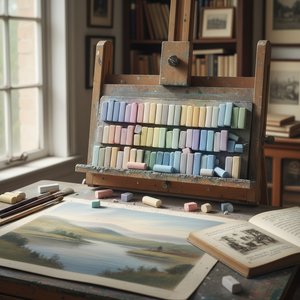
The Subtleties of Pastel: A Comprehensive Exploration of Technique, History & Emotional Resonance
Explore the captivating world of pastel art! Discover its rich history, Impressionistic masters like Degas, emotional power & unique techniques. Find museum-quality reproductions at OriginalUniqueArt.
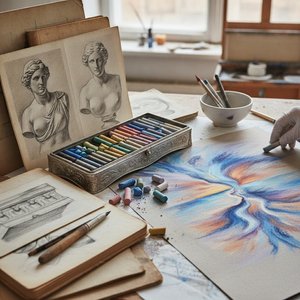
The Magic of Pastel Art: A Guide to Soft Colors and Velvately Textures in Impressionist Masterpieces
Explore the ethereal beauty of pastel art. Discover how Impressionist masters used soft hues and velvety textures to capture light. A professional guide for art enthusiasts seeking to understand, collect, and appreciate the delicate magic of this timeless medium.
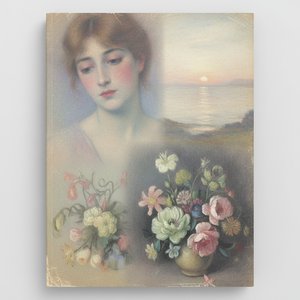
The Subdued Radiance of Pastel Palettes: Exploring Emotional Resonance in Art History
Explore the emotional power of pastel palettes in art history! Discover Impressionism, Post-Impressionism & color psychology insights. Find museum-quality reproductions at OriginalUniqueArt.
