

 Preverite v realnem okolju
 Pošlji kot čestitko
 Deli
Deli
 Podrobnosti
 Priročnik

 Prenesi
 Podobni artefakti
 Rentgenski posnetek
 Predvajaj diaporama
 Statistika
Oriental Woman


 Preberi več
Giclée tisk / Umetniški tisk
Giclée ali platnati odtis muzejske kakovosti z hitro proizvodnjo in prilagodljivimi možnostmi končne obdelave. ( Naročite ročno slikano reprodukcijo Preklop na digitalno sliko)




P118B €10

P118H €10

P118W €10

P438Z €10

P508JH €12

P508YH €12

P805H €10

P805Z €10

P919BZ €10

P919G €10

P919XJ €10

P959ZH €10

P968JZ €12

W106C €8

W218G €10

W218JH €8

W218Y €10

W307PJ €10

W316G €10

W316PJ €8

W316Y €10

W398PJ €8

W4111J €10

W500HY €15

W500JH €15

W692G €12

W849H €8

W940BG €15

W953PJ €8




Izberite eno od naših vnaprej določenih velikosti, ki ustrezajo prvotnim proporcijam umetničkega dela.

Vnesite širino in višino, ki jih potrebujete za svoj okvir ali steno. Tiskanje se lahko le odreže, vendar ga ni mogoče narediti večjega od slike, zato format z drugačno obliko pomeni izgubo dela slike. Pred tiskanjem vam pošljemo digitalni predogled za potrditev. Slika, prikazana na tej strani, ne prikazuje dejanskega izrezkov — le predogled to omogoča.
Globalna dostava () v 2 tednih namesto standardnih 4/5 tednov. (21 oktober)

Brezplačna ekspresna dostava po vsem svetu

Visokokakovostno laneno platno

Popolno zavarovanje pošiljke

Garancija povračila carine in uvoznih davkov

Garancija popolnega barvnega ujemanja

Politika vračila v 100 dneh (le v primeru okvar)

Garancija 100% povračila denarja

Popust pri večjem naročilu
 Možnost stekla je na voljo le za velikosti pod 110 cm

Oriental Woman
Giclée tisk / Umetniški tisk
Velikost reprodukcije
-


Skupna cena
€ 70
A Vision in Pastel: The Enigmatic Allure of Redon’s Oriental Woman
In the soft, luminous realm of French Symbolism, few works capture the delicate tension between the visible world and the dreaming mind as poignantly as Odilon Redon’s “Oriental Woman.” Created in 1897, this pastel masterpiece serves as a profound window into the artist's psyche, transcending mere portraiture to become an evocative exploration of mystery. The subject, draped in a striking red scarf that anchors the composition, gazes out with an expression that is simultaneously intimate and unreachable. Her face, partially veiled by the vibrant fabric and a soft hood, invites the viewer into a state of quiet contemplation, much like a secret whispered in the twilight. Redon does not merely depict a woman; he orchestrably constructs an atmosphere of psychological depth, where every shadow and highlight suggests a narrative hidden just beneath the surface of reality.
The technique employed in this work is nothing short of masterful, showcasing Redon’s transition from his early, somber noirs—his famous charcoal and lithographic works—to the radiant, ethereal world of pastel. By meticulously layering delicate strokes of color, Redon achieves a velvety texture that seems to glow from within. The light in “Oriental Woman” does not strike the subject with harshness; rather, it diffuses softly across the canvas, creating subtle tonal gradations that lend the figure an otherworldly, dreamlike quality. This manipulation of light and medium allows for a sense of weightlessness, as if the woman and the surrounding space are composed of mist and memory rather than pigment and paper. For the discerning collector or interior designer, this soft-focus brilliance offers a sophisticated way to introduce warmth and a sense of historical grandeur into a contemporary space.
Symbolism and the Allure of the Exotic
To understand “Oriental Woman,” one must look toward the broader cultural currents of the late 19th century. During this era, Europe was gripped by a profound fascination with the "Orient"—a romanticized, often nebulous concept encompassing the Middle East, North Africa, and parts of Asia. This movement, known as Orientalism, sought to capture the exoticism, spice-scented air, and perceived spiritual depth of distant lands. Redon, however, moves beyond the mere ethnographic documentation found in academic realism. Instead, he utilizes the aesthetic markers of the Orient—the flowing drapery, the evocative headwear, and the rich, saturated reds—as symbolic tools to explore themes of the subconscious and the spiritual. The woman becomes a vessel for the unknown, representing the allure of the "Other" and the mysteries of the human soul that lie beyond rational thought.
The emotional impact of the piece is one of profound stillness and melancholic beauty. There is a haunting quality to the composition, further enhanced by the presence of smaller, more indistinct figures in the periphery, which suggest a larger, unseen world continuing its dance just out of focus. This sense of isolation within a larger narrative creates a powerful emotional resonance, making the artwork an ideal centerpiece for those seeking to evoke introspection and elegance. Whether displayed in a private study or as a focal point in a luxurious living salon, a high-quality reproduction of this work brings with it the quiet dignity of the Symbolist movement, offering a timeless connection to an era where art sought to touch the very essence of the unseen.
Vprašanja in odgovori
Kakšna je percepcija svetlobe pri delu "Oriental Woman" avtorja Odilon Redon?
Splošno je "Oriental Woman" zabeleženo kot bright. Zaznana svetlina opisuje, kako svetlo ali temno delo deluje.
Katera barva prevladuje v kompoziciji dela "Oriental Woman" avtorja Odilon Redon?
Barva, ki najbolj izstopa v delu "Oriental Woman", je Brown (#91402b). Prevladujoča barva je koristna pri združevanju umetniškega dela z notranjo opremo.
Pod kakšnimi drugimi imeni je znan/a Odilon Redon?
Odilon Redon je znana tudi pod imenom Bertrand Jean Redon.
Biografija umetnika
Svet beyond vidnega: Enigmatična umetnost Odilona Redona
Odilon Redon, rojen kot Bertrand-Jean Redon leta 1840 v Bordeauxu v Franciji, je bil umetnik, ki ga je neprestano privlačilo prevajanje nevidnih svetov predstavljanja in sanj v oprijemljivo obliko. Njegova umetniška pot se ni začela z velikimi ambicijami, temveč z tihim opazovanjem; že pri desetih letih je osvojil nagrado za risanje – napoved vizualne občutljivosti, ki bo določila delo njegovega življenja. Čeprav so ga zaradi družinskih pričakovanj sprva usmerjali v arhitekturo, je Redonovo pravo poklicanje ležalo drugje, osvojeno z učmiotvijo Jeana-Leona Gérômeja in, kar je bilo ključno, Rodolphea Bresdina, ki ga je vodil skozi zapletene umetnosti etrike in litografije. Te tehnike so postale temelj njegove zgodnje raziskovanja, saj mu je omogočile vpog v svet senčovitih figur in nedoločenih oblik, ki bodo kmalu očarali tiste, ki so iskali alternativo akademskemu realizmu. Prekinitev francosko-pruske vojne je prinesla Redona na kratko v vojsko, vendar se je njegova umetniška vizija začela zares oblikovati šele ob njegovem povratku v Pariz.Roditev simbolizma: »Noirs« in zgodnje vizije
Redonova zgodnja kariera je bila zaznamovana z zavolnim umikom od prevladujočih umetniških trendov. Ni si želel ponavljati vidnega sveta, temveč priklicati njegove skrite vihre – tesnobo, želje in duhovne hrepenja, ki ležijo pod površino vsakdana. To je vodilo do njegove znamenite serije »noirs«, monokromatskih del, izvedenih z ogljem in litografijo. To niso bile le študije teme; bile so raziskave podzavesti, naseljene z nenavadnimi bitji, brezbodičnimi očmi in strašljivimi figurami, ki izvirajo iz vrtoglavih meglic. Vpliv piscev, kot sta Edgar Allan Poe in Charles Baudelaire, je tukaj opazno – skupna fascinacija s črno umetnostjo, skrivnostjo in močjo sugestije. Ta dela takoj niso bila sprejeta; Redon je več let ostal v veliki meri neznan. Ključni trenutek je prišel leta zględ v romanu Jorisa-Karla Huysmansa *À rebours* (Proti naravi), kjer je dekadentni aristokrat Des Esseintes zagovarjal Redonove risbe, s čimer je takoj dvignil njegov status v avangardnih krogih. To priznanje je odprlo vrata in omogočilo Redonu, da še naprej razvije svoj edinstven umetniški jezik. Svojo delo je opisal kot nedoločno in neopredeljivo, z izjavo, da nas mora »postaviti, kot to počne glasba, v nedoločen svet negotovosti.«Prebujanje palete: Od monokroma do živahne ekspresije
Čeprav so »noirs« utrdili Redonovo mesto kot pomembno moč v simbolizmu, je njegova umetnost v 1890 letih doživela čudovito preobrazbo. Začel je sprejemati barvo – najprej pastel, nato olje – s čim je svoje kompozicije napolnil z novo živahnostjo in svetlobnostjo. Ta premik ni bil le tehnične narave; odražal je razvijajočo se čustveno pokrajino v samem umetniku. Predana dela so pogosto nosila občutek melanholije in izolacije, poznejša slika pa razkrivajo naraščajoče zanimanje za mitologijo, budizem in japonsko umetnost – *japonizem* je bil pomemben vpliv. Dela, kot je *Smrt Buddhe* (1av 1899), dokazujejo to fascinacijo z vzhodno duhovnostjo, medtem ko dela, naročena baronetu Robertu de Domecyju za njegovo grajo, prikazujejo Redonovo sposobnost združevanja dekorativnih elementov s simbolično podobo. Portreti baronice de Domecy in njene hčerke Jeanne so posebej osupljivi primeri tega obdobja, saj zajimajo ne le fizično podobnost, temveč tudi občutek notranjega življenja in psihološke globine. Redon je skozi svojo umetnost raziskoval svoje notranje občutke in psiho, z namenom, da »postavi vidno v službo nevidnega.«Dedstvo in vpliv: Predhodnik surrealizma
Vpliv Odilona Redona na svet umetnosti sega daleč čez njegovo lastno življenje. Leta 1903 je prejel Legijon čast, njegova dela pa so dobila širše priznanje z razstavami na Armory Show v New Yorku leta 1913. Vendar pa je njegova prava pomembnost popolnoma postala jasna šele po njegovi smrti leta 1916. Redonovo raziskovanje sanj, podzavesti in iracionalnosti je pavedlo pot surrealizmu ter navdihnilo umetnike, kot sta Marcel Duchamp in Max Ernst, da vstopijo v podobna območja. Njegov poudarek na subjektivni izkušnji in čustveni ekspresiji je odmeval tudi pri ekspresionističnih slikarjih. Ni le prikazoval tistega, kar je videl; vizualiziral je tisto, kar je čutil, kar je načelo, ki še danes navdihuje umetnike. Redonovo dedstvo je dedstvo umetniške pogumne, pripravljenosti na sprejemanje nedoločenega in globokega prepričanja o moči umetnosti, da razkrije skrite dimenzije človeškega doživljanja. Njegove risbe so se upirale klasifikaciji in prinesle edinstven tip fantastičnih slik, rojenih iz bolezni in delirija, a vedno prežetih s strašljivo lepoto.Ključne značilnosti in teme
- Simbolizem: Redon velja za osrednjo figuro simbolistične gibanja, ki prednost daje čustveni in duhovni ekspresiji nad realistično predstavnostjo.
- Sanjiva podoba: Njegova dela pogosto zaznamujejo fantastična bitja, nedoločene pokrajine in scene, ki prikličemo vzdušje sanj.
- Raziskovanje podzavesti: Redon se je pognal v teme tesnobe, želje in skritih globin človeške psihe.
- Vpliv literature in mitologije: Navdih je črpal iz piscev, kot sta Poe in Baudelaire, ter iz vzhodnih religij in mitologije.
- Tehnična inovativnost: Redonovo mojstrstvo v litografiji in inovativna uporaba barv v pastelih in oljah sta bila ključna za njegovo umetniško vizijo.

Odilon Redon
1840 - 1916 , Francija
Ključne informacije
- Artistic Movement Or Style: Simbolizem
- Artists Or Movements Influenced By This Artist:
- Surrealizm
- Marcel Duchamp
- Artists Who Influenced This Artist:
- Jean-Léon Gérôme
- Rodolphe Bresdin
- Date Of Birth: 1840
- Full Name: Odilon Redon
- Nationality: Francoski
- Notable Artworks:
- Centaurs
- Onnes
- Portrait of Ari Redon
- Place Of Death: Pariz
Sorodni članki

Soft Light & Velvet Touch: The Ethereal Magic of Pastel Artistry in Impressionist Masterpieces
Discover the ethereal beauty of pastel art through an Impressionist lens. Explore how masters like Monet and Renoir captured light and velvet textures, and learn to curate a collection of luminous, museum-quality masterpieces for your home.

The Subdued Radiance of Pastel: Exploring Nuance & Emotion in Art
Explore the nuanced world of pastel art! Discover its history, techniques & emotional power with expert insights from OriginalUniqueArt.com. Find museum-quality reproductions and learn about collecting this delicate medium.
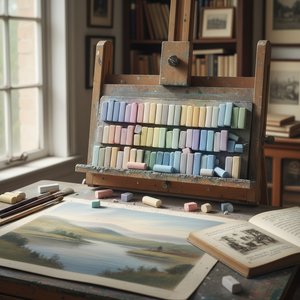
The Subtleties of Pastel: A Comprehensive Exploration of Technique, History & Emotional Resonance
Explore the captivating world of pastel art! Discover its rich history, Impressionistic masters like Degas, emotional power & unique techniques. Find museum-quality reproductions at OriginalUniqueArt.

The Soft Power of Pastel: A Connoisseur's Guide to History, Technique, and the Art of Texture
Explore the ethereal beauty of pastel art. From Renaissance origins to Impressionist mastery, discover the history, technique, and velvety textures that define this luminous medium in our expert guide for art connoisseurs.
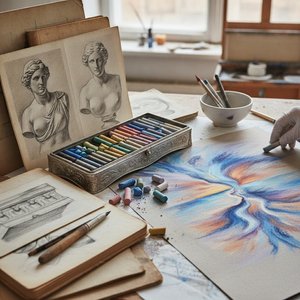
The Magic of Pastel Art: A Guide to Soft Colors and Velvately Textures in Impressionist Masterpieces
Explore the ethereal beauty of pastel art. Discover how Impressionist masters used soft hues and velvety textures to capture light. A professional guide for art enthusiasts seeking to understand, collect, and appreciate the delicate magic of this timeless medium.
