
 Predogled v realnem okolju
 Pošlji
 Deli
Deli
 Podrobnosti o delu
 Priročnik

 Prenesi sliko
 Podobni izdelki
 Rentgenski posnetek
 Predvajaj diaporama
 Vprašanja in odgovori
 Statistika
Peasant and his son

- 75.0 x 56.0 cm


 Preberi več
Giclée tisk / Umetniški tisk
Giclée ali platnati odtis muzejske kakovosti z hitro proizvodnjo in prilagodljivimi možnostmi končne obdelave. ( Kupite ročno slikano delo Preklop na digitalno sliko)




P118B €10

P118H €10

P118W €10

P438Z €10

P508JH €12

P508YH €12

P805H €10

P805Z €10

P919BZ €10

P919G €10

P919XJ €10

P959ZH €10

P968JZ €12

W106C €8

W218G €10

W218JH €8

W218Y €10

W307PJ €10

W316G €10

W316PJ €8

W316Y €10

W398PJ €8

W4111J €10

W500HY €15

W500JH €15

W692G €12

W849H €8

W940BG €15

W953PJ €8




Izberite eno od naših vnaprej določenih velikosti, ki ustrezajo prvotnim proporcijam umetničkega dela.

Vnesite širino in višino, ki jih potrebujete za svoj okvir ali steno. Tiskanje se lahko le odreže, vendar ga ni mogoče narediti večjega od slike, zato format z drugačno obliko pomeni izgubo dela slike. Pred tiskanjem vam pošljemo digitalni predogled za potrditev. Slika, prikazana na tej strani, ne prikazuje dejanskega izrezka — le predogled to omogoča.
Globalna dostava () v 2 tednih namesto standardnih 4/5 tednov. (4 november)

Brezplačna ekspresna dostava po vsem svetu

Visokokakovostno laneno platno

Popolno zavarovanje pošiljke

Garancija povračila carine in uvoznih davkov

Garancija popolnega barvnega ujemanja

100-dnevna politika vračil (le v primeru okvar)

Garancija 100% povračila denarja

Popust pri večjem naročilu
 Možnost stekla je na voljo le za velikosti pod 110 cm

Peasant and his son
Giclée tisk / Umetniški tisk
Velikost reprodukcije
-


Skupna cena
€ 72
A Glimpse into Georgian Rural Life: Niko Pirosmani's "Peasant and his Son"
Niko Pirosmani’s “Peasant and his son,” painted in 1908, offers a poignant window into the soul of rural Georgia at the turn of the twentieth century. This vertical oil painting isn't merely a depiction of two figures; it is an embodiment of generational connection, quiet dignity, and the timeless rhythms of agricultural life. The scene unfolds outdoors, suggested by the tall stalks that rise in the background—resembling reeds or corn—creating a backdrop evocative of the Georgian countryside. An elderly man dominates the left side of the composition, his presence weighty and grounded, while his young son stands to the right, presenting something unseen to his father. This simple act forms the heart of the painting’s narrative, hinting at respect, inheritance, or perhaps the passing down of knowledge—a symbolic exchange that resonates across time and cultures. The overall impression is one of profound stillness, a moment captured in amber, inviting contemplation on themes of family, tradition, and the enduring strength of human bonds.The Language of Primitivism: Style and Technique
Pirosmani’s artistic style defies easy categorization, often described as primitivist or naive. He wasn't formally trained; his skill blossomed from a deep observation of the world around him and an innate ability to translate that vision onto canvas. This lack of formal training is evident in the painting’s deliberate simplicity—a flattened perspective characteristic of folk art traditions, where illusionistic space takes a backseat to emotional impact. The artist employs visible brushstrokes, layering oil paints to create texture, particularly noticeable in the man's beard and robes, lending them a tactile quality that draws the viewer closer. Lines are used purposefully to define forms – both figures and surrounding vegetation—creating a sense of solidity and depth despite the overall flatness. The palette is predominantly dark: browns, blacks, and muted reds dominate, contributing to a somber yet contemplative mood. This restrained use of color amplifies the painting’s emotional weight, focusing attention on the subjects' faces and their interaction. Pirosmani often worked on oilcloth rather than traditional canvas, a testament to his resourcefulness and perhaps adding another layer of rustic authenticity to his work.A Georgian Visionary: Context and Legacy
To fully appreciate “Peasant and his son,” it’s essential to understand the context in which it was created. Niko Pirosmani lived a life largely outside the mainstream art world, working various odd jobs while pursuing his passion for painting. He was a self-taught artist who captured the essence of Georgian culture with remarkable honesty and sensitivity. His work gained recognition later in his life thanks to the support of Russian poets and artists like Mikhail Le-Dantyu and Kirill Zdanevich, who championed his unique vision. Pirosmani’s style resonated with the burgeoning primitivist movement, which celebrated art created outside established academic traditions. He became a pivotal figure in 20th-century Georgian art, influencing generations of artists with his distinctive approach to subject matter and technique. His paintings offer invaluable insights into the social fabric and daily life of Georgia during a period of significant change and transition.Emotional Resonance: A Timeless Portrait
Beyond its historical significance and artistic merit, “Peasant and his son” possesses an undeniable emotional power. The painting evokes a sense of quiet dignity and timelessness—a feeling that transcends the specific time and place depicted. The connection between father and son is palpable, conveyed through their posture and gaze. There's a profound tenderness in the boy’s offering, and a gentle acceptance in the man’s response. This isn’t a grand narrative of triumph or tragedy; it’s a simple moment of human interaction elevated to something extraordinary by Pirosmani’s masterful touch. The painting invites viewers to reflect on their own relationships with family, tradition, and the enduring values that shape our lives—making it a work of art that continues to resonate deeply with audiences today.Vprašanja in odgovori
Katere barve prevladujejo v delu "Peasant and his son" avtorja Niko Pirosmani?
Barvna identiteta dela "Peasant and his son" avtorja Niko Pirosmani: paleta Earthy, ki prevladuje z barvo Black (#150d12).
Katera velikost reprodukcije se priporoča za "Peasant and his son" avtorja Niko Pirosmani?
Priporočena velikost tiska za "Peasant and his son" avtorja Niko Pirosmani je Medium.
Ali so barve v delu "Peasant and his son" avtorja Niko Pirosmani nasičene ali utemeljene?
"Peasant and his son" avtorja Niko Pirosmani ima Muted saturacijo.
Biografija umetnika
Zgodnje življenje in korenine
Niko Pirosmani, rojen leta 1862 v skromni vasici Mirzaani v pokrajini Kakheti na Gruziji, je bil umetnik, katerega življenje je bilo prežeto s trpljenjem in revščino, a njegovo delo pa z neponovljivo lepoto in pristnostjo. Njegovi starši, Aslan Pirosmanashvili in Tekle Toklikishvili, so bili kmetje, ki so posedovali majhen vinograd. Sirota je ostal že v mladosti, ko ga je izgubil oba starša, zato pa sta ga prevzela skrb dve starejši sestri. Življenje na podeželju in preprostost družinske farme sta pustila globok pečat na njegovem ustvarjalnem izrazu.
Izraz primitivne umetnosti
Pirosmanijeva umetnost je edinstvena zmes naivnosti, pristnosti in močnega čustvenega naboja. Njegov slog se uvršča v okvir primitivne umetnosti, ki zavrača konvencije formalnega izobraževanja in se osredotoča na neposreden prikaz življenja in narave. Slikal je predvsem na oljenem platnu, kar mu je omogočalo preprosto dostopnost materialov, a hkrati je to tudi poudarilo njegovo odklon od tradicionalnih tehnik. Njegove kompozicije so pogosto frontalne in statične, figure pa so postavljene v ospredje slike, kar ustvarja močan vizualni učinek. Pirosmani se je navdihoval predvsem iz vsakodnevnega življenja gruzijskega podeželja, redko pa je upodabljal mestne prizore.
Pomembna dela in umetnostni vplivi
Njegova dela odražajo globoko povezanost z gruzijsko kulturo in tradicijo. Med najbolj znana dela spadajo Musha s kozlom
, ki prikazuje tipičen prizor iz življenja gruzijskih vinogradnikov, Gruzijska poroka, ki je osupljiv portret tradicionalne gruzijske svatbe in Portret Zhdanevicha, ki je navdušil ruskega pesnika Mihaila Le-Dantyuja ter brata Kirilla in Ilio Zdaneviča. Njegova umetnost ni bila izolirana, čeprav se zdi samouk. Vpliv nanj so imeli lokalni gruzijski slikarji, kot je Vladimir Lado Gudiashvili, ki je prav tako prispeval k razvoju moderne gruzijske umetnosti.Usposabljanje in razvoj
Pirosmanijeva pot do umetnosti ni bila tradicionalna. Ni obiskoval slikarskih šol ali akademij, temveč se je učil samostojno, opazoval svet okoli sebe in poskušal ujeti njegovo lepoto na platnu. Njegov slog se je razvijal skozi leta, a je ohranil svojo prepoznavnost – naivnost, pristnost in močan čustveni naboj. Slikal je predvsem portrete, prizore iz življenja gruzijskega podeželja ter slike vinogradov in kozlov. Njegova dela so bila pogosto naročena od lokalnih gostilničarjev in trgovcev, ki so jih uporabljali za okrasitev svojih lokalov.
Zapuščina in priznanje po smrti
Pirosmanijevo življenje je bilo zaznamovano s revščino in osamljenostjo. Umrl je leta 1918 v velikem pomanjkanju, a njegovo delo ni bilo pozabljeno. Po smrti je bila njegova umetnost prepoznana kot pomemben prispevek k moderni gruzijski umetnosti ter svetovni primitivni umetnosti. Njegova dela so razstavljena v številnih muzejih, med drugim v Muzeju regionalne umetnosti Ryazan (Rusija) in Regionalnem muzeju umetnosti Lugansk (Ukrajina). Danes je Pirosmanijevo delo prikazano v Umetniškem muzeju Gruzije ter Zgodovinsko-etnografskem muzeju Sighnaghi, kjer ga letno obišče več kot 350.000 obiskovalcev. Njegova zgodba je navdih za mnoge umetnike in ljubitelje umetnosti po vsem svetu, njegov portret pa je upodobljen tudi v filmu Pirosmani, ki pripoveduje njegovo življenje.
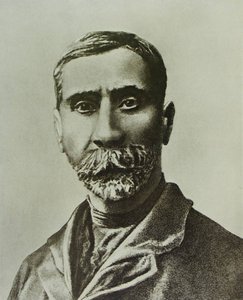
Niko Pirosmani
1862 - 1918 , Slovenija
Hitri podatki
- Datum Rojstva: 5. maj 1862
- Datum Smrti: 9. april 1918
- Državljanstvo: Gruzijec
- Kraj Rojstva: Mirzaani, Gruzija
- Polno Ime: Nikoláy Aslánovich Pirosmanashvíli
- Pomembna Dela:
- Musha s kozlom vina
- Gruzijska poroka
- Portret Zhdanevicha
- Umetniški Smer: Primitivizem
- Vplivi Umetnikov: ['Vladimir Lado Gudiashvili']
Sorodni članki
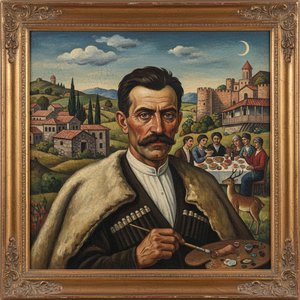
Niko Pirosmani: A Georgian Visionary – Life, Legacy, and the Poetics of Outsider Art
Discover the captivating life & art of Niko Pirosmani, Georgia’s celebrated primitivist painter. Explore his unique oilcloth paintings, lasting influence, and enduring legacy with OriginalUniqueArt.
Cultivating Visions: Rural Life & Social Commentary in Art History
Explore the rich history of rural life in art! Discover masterpieces from Dutch Masters to Van Gogh & Courbet. Uncover artistic movements, social significance & expert collecting insights at OriginalUniqueArt.
Cultivating Visions: A Historical Exploration of Rural Life in Painting
Explore the rich history of rural life in painting! Discover masterpieces from Dutch Masters to Courbet & Watteau. Uncover the artistic and social significance of idyllic landscapes and peasant scenes.

Echoes of Rural Life: Nostalgia, Labor & Identity in Art History
Explore the rich history of rural life in art! Discover how Realism captured labor & identity through masterpieces by Van Gogh, Millet & more. Expert analysis for collectors and enthusiasts.

Echoes of Rural Life: Art's Enduring Representations of the Countryside
Explore the rich history of rural life in art! Discover masterpieces from Millet to Mauve & beyond. Learn about Realism, Barbizon School & find inspiration for your home with OriginalUniqueArt.
