- Domov

- Digitalna slika
- narcis kantardžić
- Landscape
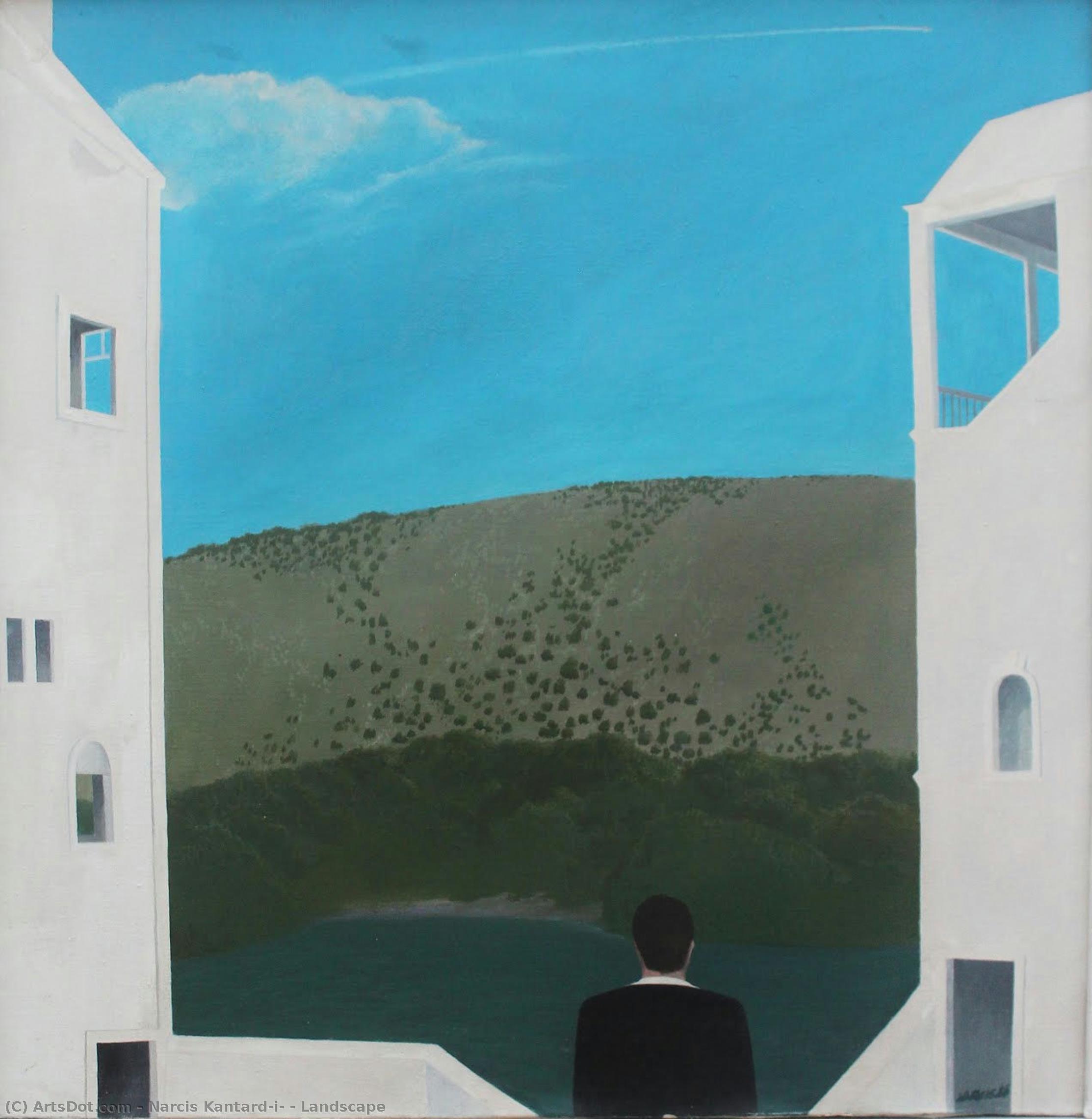
 Preview
 Kupi tiskanino Naročite reprodukcijo
 Pošlji
 Deli
Deli
 Podrobnosti o delu
 Dodaj v priljubljene

 Prenesi
 Podobni izdelki
 Rentgenski posnetek
 Predvajaj diaporama
Landscape
 Oil On Canvas
- WallArt
- Pop Art
 1986
1986- Renaissance
 50.0 x 50.0 cm
 Nacionalna galerija Bosne in Hercegovine
 Razviljaj več
Kupite digitalno sliko visoke ločljivosti z izboljšano kakovostjo, ki je precej boljša od spletnega predogleda.
Vsaka datoteka je pod natančnim nadzorom naših strokovnjakov, ki uporabljajo napredna orodja in strokovno ročno obdelavo. Zagotovimo, da ima vsaka slika izjemno jasnost, natančnost barv in fine podrobnosti.
Končna datoteka je po e-pošti dostavljena v 72 urah, optimizirana za takojšnjo uporabo v profesionalnem, uredniškem in tiskarskem okolju. To je kakovost, ki ji zaupajo vrhunska oblikovalna studia, založniki in galerije.
Digitalna slika
Prenesite datoteko visoke ločljivosti za osebno uporabo, tiskanje in kreativne projekte.
Vključeno v vsako naročilo digitalne slike
Zagotovljena strokovna digitalna dostava
Ko izberete OriginalUniqueArt.com, ne prejmete le slike – prejmete digitalno umetniško delo, ki je profesionalno urejeno, izdelano z natančnostostjo in zavestno zagotovljeno z garancijo za zadovoljstvo. Tukaj je vse, kar samodejno prejmete z vašim naročilom:

Hitra dostava prek e-pošte
Vaša digitalna slika visoke ločljivosti bo na vaš e-naslov poslana v roku 72 ur od zaklopa naročila – pripravljena za takojšnjo uporabo.

Digitalna datoteka z umetno inteligenco
Vaše umetniško delo je strokovno optimizirano z uporabo naprednih orodij umetne inteligence in ročne obdelave, kar zagotavlja največjo stopnjo podrobnosti, jasnosti in barvne natančnosti.

Brezplačna ponovna dostava za vse življenje
Ste zaradi nespremietne napake izgubili ali izbrisali svojo datoteko? Ni težav – vam jo bomo ponovno poslali kadar koli in brezplačno.

Brez uvoznih pristojbin – vedno
Uživajte v svojem umetniškem delu takoj, brez carin, davkov ali stroškov dostave – digitalni prenosi so vedno brezdavčni.

Zagotovilo natančnosti barv
Z uporabo profesionalnih orodij in upravljanja barv zagotavljamo, da vaša digitalna slika čim bolj natančno odraža prvotne barve.

60-dnevna garancija zadovoljstva
Če niste zadovoljni s svojo digitalno sliko, jo bomo uredili ali vam v 60 dneh povrnili 100% denarja – brez kakršnih koli vprašanj.

100% Garancija povračila denarja
Niste zadovoljni? Zagovрите popoln povračilo sredstev v 60 dneh po prejemu digitalne datoteke – brez kakršnih koli vprašanj.

Popusti pri večjem številu naročil
Kupite 3 slike, prihranite 10% - Kupite 5 slik, prihranite 15% - Kupite 10+ slik, prihranite 20%. Odlično za kreativne projekte, galerije in agencije.
Opis digitalnega artefakta
Narcis Kantardžić’s ‘Landscape’: A Moment of Contemplative Wonder
This evocative landscape painting by Narcis Kantardžić, created in 1986, immediately draws the viewer into a scene brimming with quiet contemplation and subtle beauty. The artwork depicts a solitary figure standing on a dramatic cliff edge, gazing out over a vast expanse of water beneath a sky painted with delicate clouds. It’s a composition that speaks to the timeless human desire for connection – with nature, with oneself, and perhaps, with something beyond.
- Subject Matter: The central focus is undeniably the lone figure, rendered with a sensitivity that suggests both vulnerability and resilience. His posture, seemingly lost in observation, invites us to share his moment of quiet reflection.
- Setting: Kantardžić masterfully utilizes the landscape as more than just a backdrop; it’s an active participant in the scene's emotional narrative. The cliff face, the body of water, and the expansive sky all contribute to a sense of scale and grandeur, emphasizing the insignificance – and yet, the profound importance – of the individual within this vast world.
Technique and Materiality: An Oil on Canvas Masterpiece
Executed in oil on canvas, ‘Landscape’ showcases Kantardžić's skillful command of texture and light. The brushwork is evident yet controlled, creating a rich surface that captures the nuances of both the natural elements and the human form. The use of impasto – thick application of paint – particularly noticeable in the cliff face, adds depth and physicality to the scene, grounding the viewer in the tangible reality of the landscape. The color palette, dominated by blues and greys with subtle highlights, evokes a sense of atmospheric perspective, enhancing the painting’s three-dimensional quality.
Symbolism and Narrative Resonance
Beyond its immediate visual appeal, ‘Landscape’ is rich in symbolic potential. The boat on the water below represents human endeavor and connection to the world, while the birds soaring overhead symbolize freedom and aspiration. The solitary figure's stance suggests a yearning for understanding or perhaps a search for meaning within the immensity of nature. The cloudy sky adds an element of mystery and uncertainty, mirroring the complexities of the human condition.
Historical Context and Artistic Influence
Created in 1986, this work reflects a broader trend in landscape painting – a return to representational realism combined with a heightened awareness of atmosphere and emotion. While Kantardžić’s style isn't overtly tied to any specific movement, it shares affinities with the Romantic tradition’s emphasis on sublime landscapes and the individual’s relationship with nature. The piece’s quiet intensity and contemplative mood resonate with a desire for introspection that was increasingly prevalent in art during this period.
Biografija umetnika
Keith Haring: A Revolutionary Voice in Pop Art
Born on May 4, 1958, in Reading, Pennsylvania, and raised in the quiet town of Kutztown, Keith Allen Haring’s artistic journey began not with formal training but with a profound connection to the vibrant energy of New York City. From an early age, he possessed an innate ability to draw, nurtured by his father's cartooning skills and fueled by the iconic imagery of childhood favorites like Dr. Seuss and Walt Disney. This foundational talent would blossom into a uniquely recognizable style that irrevocably altered the landscape of pop art in the 1980s.
Haring’s early years were marked by a restless spirit, leading him to hitchhike across America, immersing himself in counter-culture movements and experimenting with various artistic mediums. It was during this period that he encountered graffiti—a raw, democratic art form expressed directly on public spaces—which profoundly influenced his approach to visual communication. He recognized its power to bypass traditional gallery systems and speak directly to a wider audience. This fascination with street art became a cornerstone of his developing style, informing the spontaneous lines and bold figures that would characterize his work.
The Subway Drawings and Rise to Prominence
Moving to New York City in 1978, Haring enrolled at the School of Visual Arts, initially intending to pursue a career as a commercial graphic artist. However, he quickly realized this path wasn’t for him. Instead, he found himself drawn to the burgeoning alternative art scene thriving outside the established gallery system—a world populated by musicians, performance artists, and graffiti writers. It was in these underground spaces that Haring truly began to develop his distinctive style.
His breakthrough came with the creation of hundreds of chalk drawings on the blank advertising panels lining the New York City subway system between 1980 and 1985. These “subway drawings,” as he called them, were characterized by their energetic lines, simple figures—often depicting dancing stick figures, dogs, and stars—and a vibrant, optimistic palette. They quickly gained a devoted following among commuters, transforming the subway into an impromptu gallery and establishing Haring’s reputation as a fresh and exciting voice in the art world. The drawings weren't merely doodles; they were carefully considered compositions reflecting themes of joy, connection, and social awareness.
Themes and Social Commentary
Following his success on the subway, Haring transitioned to larger-scale murals and public artworks, often commissioned by hospitals, schools, and community centers. These works reflected a growing concern with social issues, particularly AIDS awareness and anti-drug campaigns. His iconic image “Crack is Wack,” created in 1986, powerfully confronted the devastating effects of crack cocaine addiction, utilizing his signature style to deliver a stark and urgent message.
Throughout the late 1980s and early 1990s, Haring continued to explore themes of sexuality, homosexuality, and apartheid through his art. His work was deeply intertwined with the AIDS crisis, reflecting both personal loss and a commitment to raising awareness about the disease. He used his distinctive iconography—stars, dancing figures, and snakes—to advocate for safe sex practices and challenge societal prejudices. His art wasn't simply decorative; it was an active engagement with pressing social issues.
Legacy and Recognition
Keith Haring’s untimely death from AIDS-related complications on February 16, 1990, at the age of 31, left a profound void in the art world. However, his legacy continues to thrive through the Keith Haring Foundation, established shortly after his death to support arts education and HIV/AIDS awareness programs. His work has been exhibited worldwide, including retrospectives at the Whitney Museum of American Art and numerous international biennials.
Haring’s influence extends far beyond the realm of fine art. His accessible style, vibrant colors, and socially conscious themes resonated deeply with a broad audience, making him one of the most recognizable and beloved artists of his generation. He demonstrated that art could be both visually engaging and profoundly meaningful, leaving an indelible mark on pop culture and inspiring countless artists to use their creativity as a tool for social change. His work remains a testament to the power of art to connect, provoke, and uplift.
narcis kantardžić
1958 -

