

 Preverite v realnem okolju
 Pošlji kot čestitko
 Deli
Deli
 Podrobnosti
 Priročnik

 Prenesi
 Podobni artefakti
 Rentgenski posnetek
 Predvajaj diaporama
 Statistika
Janus
 Acrylic On Canvas
- WallArt
- Color Field Painting
 1960
1960 199.0 x 270.0 cm
 Museum für Moderne Kunst
 Preberi več
Umetniška dela, prikazana na tej strani, so zaščitena z avtorskimi pravicami, kar pomeni, da po zakonu ne moremo ustvarjati ali prodajati identičnih reprodukcij. Ta zaščita se izvaja v skladu z mednarodnimi sporazumi, kot so Bernska konvencija in po nacionalnih zakonih, vključno s tistimi, ki jih določa Zakon o avtorskih pravicah ZDA – naslov 17.
Ta način v celoti upošteva zakonodajo o avtorskih pravicah, saj ne vključuje kopiranja ali podvajanja zaščitena umetniškega dela. Namesto tega gre za kreativno preinterpretacijo – novo sliko, ki je navdihnjen rezultat originala, vendar ni z njim identična.
Giclée tisk / Umetniški tisk
Giclée ali platnati odtis muzejske kakovosti z hitro proizvodnjo in prilagodljivimi možnostmi končne obdelave. ( Naročite ročno slikano reprodukcijo Preklop na digitalno sliko)




P118B €10

P118H €10

P118W €10

P438Z €10

P508JH €12

P508YH €12

P805H €10

P805Z €10

P919BZ €10

P919G €10

P919XJ €10

P959ZH €10

P968JZ €12

W106C €8

W218G €10

W218JH €8

W218Y €10

W307PJ €10

W316G €10

W316PJ €8

W316Y €10

W398PJ €8

W4111J €10

W500HY €15

W500JH €15

W692G €12

W849H €8

W940BG €15

W953PJ €8




Izberite eno od naših vnaprej določenih velikosti, ki ustrezajo prvotnim proporcijam umetničkega dela.

Vnesite širino in višino, ki jih potrebujete za svoj okvir ali steno. Tiskanje se lahko le odreže, vendar ga ni mogoče narediti večjega od slike, zato format z drugačno obliko pomeni izgubo dela slike. Pred tiskanjem vam pošljemo digitalni predogled za potrditev. Slika, prikazana na tej strani, ne prikazuje dejanskega izrezkov — le predogled to omogoča.
Globalna dostava () v 2 tednih namesto standardnih 4/5 tednov. (20 oktober)

Brezplačna ekspresna dostava po vsem svetu

Visokokakovostno laneno platno

Popolno zavarovanje pošiljke

Garancija povračila carine in uvoznih davkov

Garancija popolnega barvnega ujemanja

Politika vračila v 100 dneh (le v primeru okvar)

Garancija 100% povračila denarja

Popust pri večjem naročilu
 Možnost stekla je na voljo le za velikosti pod 110 cm

Janus
Giclée tisk / Umetniški tisk
Velikost reprodukcije
-


Skupna cena
€ 70
A Cascade of Light: Exploring Morris Louis’s “Janus”
Morris Louis’s “Janus,” painted in 1960, isn't merely a canvas adorned with color; it’s an immersive experience, a meditation on transition and the duality inherent within existence. This pivotal work from the Washington Color School represents a radical departure from traditional painting techniques, embodying the core tenets of Color Field art and solidifying Louis’s place as a pioneer in American abstract expressionism. The piece immediately draws the viewer into its atmospheric depth – a sense of quiet contemplation fostered by the deliberate layering and luminous quality of the applied pigments.
At first glance, “Janus” presents a deceptively simple composition: a dominant vertical column of layered greens and off-whites, seemingly emerging from the lower edge of the canvas and reaching almost to the top. However, closer observation reveals an intricate process – Louis employed a technique he termed “staining,” meticulously applying diluted acrylic pigments directly onto the raw canvas. This method allowed the paint to soak into the fabric, creating a remarkably thin, translucent layer that captured and reflected light in a unique way. The absence of visible brushstrokes contributes significantly to the painting’s ethereal quality, lending it an almost sculptural presence.
The Janus Figure: Symbolism and Ancient Roots
The title itself, “Janus,” immediately connects the work to Roman mythology. Janus was the god of beginnings, transitions, doorways, and endings – a figure embodying both forward momentum and retrospective reflection. This duality is powerfully represented in the painting’s form. The vertical column can be interpreted as a symbolic gateway, suggesting passage from one state to another, or perhaps even a representation of the two faces of Janus himself. The color palette—primarily greens and creams—evokes associations with nature, growth, and renewal, further reinforcing the theme of beginnings. Interestingly, Louis’s choice of this particular mythological figure reflects a broader interest in ancient symbolism and its potential to inform contemporary art.
Technique and Innovation: The Veil Method
Louis's staining technique was revolutionary for its time, challenging conventional notions of paint application. He experimented tirelessly with Magna paint, a newly developed acrylic resin that allowed the pigment to penetrate deeply into the canvas fibers. This resulted in a remarkably luminous surface – colors seemed to emanate from within rather than simply sitting on top. The careful control of dilution and layering was crucial; Louis would apply multiple thin washes, allowing each layer to dry completely before adding the next, building up the composition gradually. This process demanded immense patience and precision, reflecting a deep commitment to his artistic vision.
A Legacy of Atmospheric Abstraction
“Janus” stands as a cornerstone of the Washington Color School and a defining example of Louis’s mature style. It exemplifies the movement's emphasis on color as the primary subject matter, rejecting representational imagery in favor of exploring the emotive power of hue and tone. The painting’s atmospheric quality—its sense of depth, light, and movement—continues to resonate with viewers today. Its influence can be seen in subsequent generations of abstract painters who embraced similar techniques and explored the possibilities of color as a means of expression. The work's enduring appeal lies not only in its aesthetic beauty but also in its profound exploration of fundamental human themes – beginnings, transitions, and the ever-present tension between opposing forces.
Vprašanja in odgovori
Na katero obdobje v karieri Morris Louis ustreza datum 1960 za delo "Janus"?
"Janus", ustvarjeno leta 1960, pripada Mature Period v karieri umetnika Morris Louis.
Za kakšno velikost se za Living Room priporoča "Janus"?
Priporočena kombinacija za "Janus" avtorja Morris Louis: tiskanec v velikosti Large v Living Room.
Kakšno je usmerjenje dela "Janus" avtorja Morris Louis?
Delo "Janus" avtorja Morris Louis ima Landscape format. Format opisuje proporcije kompozicije.
Biografija umetnika
Zgodba o zgodnji mladosti in izobraževanju
- Rod: Morris Louis Bernstein, 28. november 1912, Baltimore, Maryland
- Starši: Louis Bernstein (prodajalec pohištva) in Cecelia Luckasti Bernstein.
- Izobraževanje: Obiskoval javne šole v Baltimoru; Maryland Institute of Fine and Applied Arts (danes MICA), 1929–1932. Diplome ni dokončal.
- Zgodnji vplivi so vključevali Eugenea Speicherja in Paula Cézanneja.
- Z zgodnjo zanimanje za umetnost je spodbudila njegova družina, kljub omejenim možnostam v Baltimoru.
Razvoj umetnika in ključni vplivi
- 1930-ta: Za podporo svojemu slikanju je opravljal različna začetna dela (luščenje zelenjave, pranje perila, raziskave za Gallup Poll).
- 1934–1936: Sodeloval je v projektu muralov Public Works of Art Project pod vodstvom Sama Swerdloffa.
- 1936–1937: Preselil se je v New York City; v Siqueirosov workshop je eksperimentiral z novimi tehnikami.
- Odkriv Magna barve (1948): Ključni trenutek – Louis je pionirsko uvedel uporabo barve Magna, nove oljne akrilne barve, ki sta jo za njega ustvarila Leonard Bocour in Sam Golden. To mu je omogočilo večjo tekočnost in transparentnost v njegovem delu.
- Vpliv Helen Frankenthaler: Leta 1953 sta Louis in Kenneth Noland obiskala studio Frankenthalerjeve in bila globoko navdušeni nad njenimi »stain« slikami (predvsem »Mountains and Sea«). To je navdihnilo njun eksperiment z tehnikami litja in premočevanja platna.
Slikanje z motri in inovacije Color Field slikarije
- Zrele slike z motri (1954): Značilne so prekrivajoče se, superponirane plasti transparentne barve, ki je bila polita na pripravljeno ali nepred Tremirano platno in v njega vpita.
- Tehnika: Izjemno razrednjena barva je bila nanašana na nepredtremirano, neizvlečeno platno, kar je omogočalo njeno tekoče gibanje po nagnjeni površini in ustvarjanje polprozornih barvnih motri. S tem so izginili sledovi čopiča in poudarjena plošnost.
- Color Field slikarija: Louis je postal osrednja figura gibanja Color Field, s čimer je poenostavil slikovni prostor in poudaril plošne površine intenzivnih barv. Bil je del gibanja Washington Color School.
- Serije in slogi: Poleg slik z motri je raziskoval serije, kot so cvetlične motive, stebri (1960), razvijane forme (1960–61) – ki vključujejo kančke neprozirne barve – ter črtaste slike (1961–62).
Pomembna dosežki in zgodovinski pomen
- Pionir Color Field slikarije: Louis je priznan kot ključni inovator v slogu Color Field, skupaj z umetniki, kot sta Kenneth Noland in Helen Frankenthaler. ЕНИЕ
- Vpliv na abstrakni ekspresionizem: Njegovo del je razširilo meje abstraknega ekspresionizma s poudarkom na barvi in plošnosti namesto na gestu ali kompoziciji.
- Washington Color School: Pomembno prispevek k temu vplivnemu gibanju, ki je poudarjalo reduktivni pristop k slikarstvu.
- Uničenje del: Značilno je, da je Louis med letoma 1955 in 1957 uničil veliko svojih slik, kar odraža kritično samopreverjanje njegove umetnosti.
- Dedstvo: Njegov poudarek na barvi, plošnosti in materialnosti barve še vedno vpliva na sodobne umetnike.
Pozna leta in smrt
- Louis je neprestano in plodno slikal do svoje smrti.
- Smrt: Umrl je 7. septembra 1962 v Washingtonu, D.C., v age 49 let.
- Spominska razstava (1963): Kdonje po njegovi smrti je bila v Solomon R. Guggenheim Museum organizirana pomembna razstava.
- Retrospektivne razstave: Po njegovi smrti so sledile velike retrospektive v Museum of Fine Arts v Bostonu (1967) in v National Gallery of Art v Washingtonu, D.C. (1976).

Morris Louis
1912 - 1962 , Združene države Amerike
Ključne informacije
- Artistic Movement Or Style: Color Field painting
- Artists Or Movements Influenced By This Artist:
- Kenneth Noland
- Washington Color School
- Artists Who Influenced This Artist:
- Helen Frankenthaler
- Jackson Pollock
- Cézanne
- Date Of Birth: 28. november 1912
- Date Of Death: 7. september 1962
- Full Name: Morris Louis
- Nationality: Ameriški
- Notable Artworks:
- High
- Number 1-36
- Where
- Number 1-68
- Gamma Tau
- Third Element
- Delta Theta
- Place Of Birth: Baltimore, Združene države
Sorodni članki
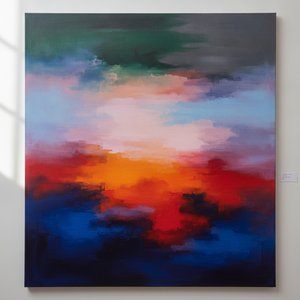
Color Field Painting: The Emotional Power of Pure Abstraction and Chromatic Depth
Explore the profound emotional depth of Color Field painting. Discover the history of mid-century abstraction, from Rothko to Newman, and learn how pure color transforms the viewer's experience through our expert art history guide.
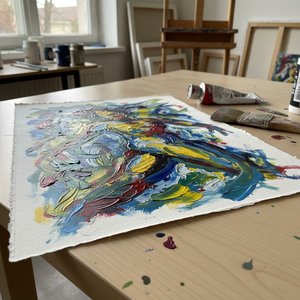
Acrylic on Paper: A Modern Canvas for Contemporary Expression
Explore the versatility of acrylic painting on paper! Discover expert techniques, artist insights & archival practices for creating stunning contemporary art. Learn more at OriginalUniqueArt.
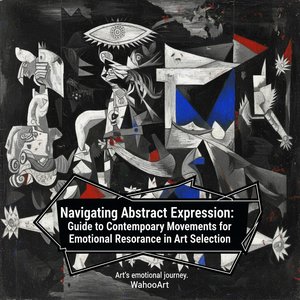
Navigating Abstract Expression: A Guide to Contemporary Movements for Emotional Resonance in Art Selection
Explore the evolution of Abstract Expressionism & discover contemporary movements for emotional resonance. Expert guidance for discerning art collectors seeking lasting value. OriginalUniqueArt.

Absolutni Izrazi: 10 Mojstrin Del, Ki So Definirali Gibanje
Odkrijte 10 mojstrin del abstraktnega ekspresionizma! Pollock, Rothko & De Kooning - zgodbe za kulise ikoničnih umetnin. Inspirirajte se in poiščite reprodukcije na OriginalUniqueArt.com!

Morris Louis: Pioneering Color Field Painting & Abstract Expressionism's Legacy
Explore the groundbreaking abstract expressionism of Morris Louis, a pioneer of Color Field painting. Discover his innovative techniques, influential series & lasting legacy in post-war American art. Learn more at OriginalUniqueArt.
