
 Predogled v realnem okolju
 Pošlji
 Deli
Deli
 Podrobnosti o delu
 Priročnik

 Prenesi sliko
 Podobni izdelki
 Rentgenski posnetek
 Predvajaj diaporama
 Q&A
Q&A Statistika
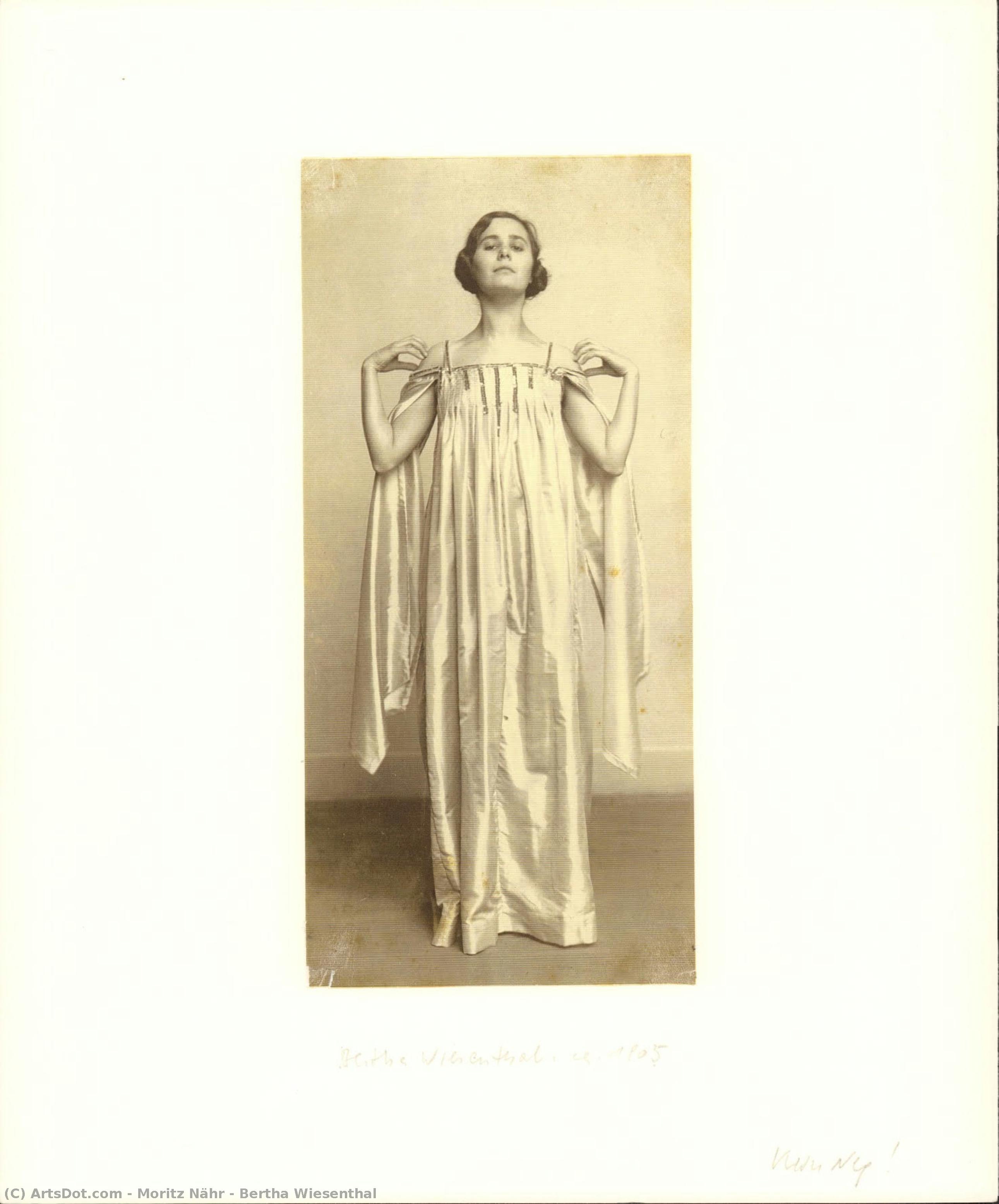
Bertha Wiesenthal
 1905
1905 9.0 x 25.0 cm
 Preberi več
Pridobite datoteko, pripravljeno za tiskanje, ki presega kakovost spletnega predogleda. Vsaka digitalna slika v naši ponudbi izvira iz visoko ločljive izvirne datoteke v naši bazi — običajno široke od 5.000 do 15.000 pikselov — zato lahko z zaupanjem tiskate v večji format, tesno izrezujete ali reproducirate fine podrobnosti.
Nobena datoteka ne zapusti našega studia nedotiknjena. Digitalni strokovnjak preveri barve v primerjavi z izvirno sliko in jih po potrebi popravi, nato pa s profesionalnimi orodji za retuširanje izboljša jasnost in podrobnosti — pri čemer vedno ostaja zvest umetnikovim potezam in slogu. Rezultat je slika, ki izgleda kot samo slikarstvo, ne pa kot le filtriran sken.
Potrditev pred dokončanjem dela: naš strokovnjak vam v roku 72 ur pošlje sliko po e-pošti na pregled. Niste zadovoljni? Zahtevajte izboljšave ali popravke ali prosite za povračilo denarja, če kakovost ni v skladu z pričakovanimi standardi.
To je kakovost, po kateri temeljijo založniki, oblikovalni studii, galerije in tiskarne.
Digitalna slika
Prenesite datoteko visoke ločljivosti za osebno uporabo, tiskanje in kreativne projekte. ( Preklop na tiskanine Kupite ročno slikano delo)
Vključeno v vsako naročilo digitalne slike
Zagotovljena strokovna digitalna dostava
Z izbiro OriginalUniqueArt.com ne prejmete le slike – prejmete profesionalno urejeno digitalno umetniško delo, izdelano z največjo natančnostjo in zavestno podprto z garancijo za zadovoljstvo. Tukaj je vse, kar bo z vašim naročilom samodejno priloženo:

Hitra dostava prek e-pošte
Vaša digitalna slika visoke ločljivosti bo na vaš e-naslov poslana v roku 72 ur od zaklopa naročila – pripravljena za takojšnjo uporabo.

Digitalna datoteka z uporabo AI
Vaše umetniško delo je strokovno optimizirano z uporabo naprednih orodij umetne inteligence in ročne obdelave, kar zagotavlja največjo stopnjo podrobnosti, jasnosti in barvne natančnosti.

Brezplačna doletna ponovna dostava
Ste datoteko zaradi nespremietne napake izgubili ali izbrisali? Ni težav – vam jo bomo ponovno poslali kadar koli in brezplačno.

Brez uvoznih pristojbin – vedno
Svoje umetniško del uživajte takoj, brez carin, davkov ali stroškov dostave – digitalni prenosi so vedno brezdavčni.

Zagotovilo natančnosti barv
Z uporabo profesionalnih orodij in procesov upravljanja barv zagotavljamo, da vaša digitalna slika čim bolj natančno odraža prvotne barve.

100-dnevna garancija zadovoljstva
Če niste zadovoljni s svojo digitalno sliko, jo bomo uredili ali vam v 100 dneh povrnili 100% denarja – brez kakršnih koli vprašanj.

100% Garancija povračila denarja
Niste zadovoljni? Zagotavljamo vam popoln povračilo sredstev v 100 dneh po prejemu digitalne datoteke – brez dodatnih vprašanj.

Popusti pri večjih naročilih
Kupite 3 slike, prihranite 10% - Kupite 5 slik, prihranite 15% - Kupite 10+ slik, prihranite 20%. Odlično za kreativne projekte, galerije in agencije.
Biografija umetnika
The Lens of a Golden Era: The Life and Legacy of Moritz Nähr
In the twilight of the nineteenth century, as the rigid structures of academic tradition began to fracture under the weight of modernity, a new way of seeing emerged from the heart of Vienna. At the center of this visual revolution stood Moritz Nähr, an artist whose camera did not merely record faces, but captured the very soul of the Vienna Secession. Born in 1859 to a Viennese furniture dealer, Nähr possessed a unique duality of perspective—a practical understanding of form and aesthetic grace inherited from his father, Johann Georg Nähr, blended with an intimate connection to the bohemian avant-garde. His life was inextricably linked to the cultural ferment of his era, placing him in the inner sanctum of the most influential minds of the twentieth century.
Nähr’s artistic journey was shaped by the shared corridors of his youth, specifically his time at the Bernhard Speneder Private School. It was here that he forged a lifelong bond with Gustav Klimt, a friendship that would evolve into one of the most significant collaborations in photographic history. As Klimt led the charge against artistic stagnation through the Secession movement, Nähr became its unofficial chronicler. His lens provided a vital, candid counterpoint to the grand, often gilded canvases of the era, offering instead a stripped-back, monochrome intimacy that humanized the icons of modernism.
Capturing the Spirit of the Secession
The work of Moritz Nähr transcends the boundaries of traditional portraiture, acting as a profound historical document of an intellectual epoch. Through his mastery of black and white photography, he captured the luminaries of Vienna—from the musical genius of Gustav Mahler to the philosophical depth of Ludwig Wittgenstein. His ability to manipulate light and shadow allowed him to move beyond mere likeness, reaching toward a psychological truth that mirrored the experimental spirit of his contemporaries. In his hands, the camera became an instrument of the avant-garde, documenting not just people, but the shifting zeitgeist of a city in transition.
Some of his most evocative works serve as windows into the private moments of greatness:
- The Beethoven Frieze Documentation: His breathtaking photographic record of the 14th exhibition of the Vienna Secession, specifically the left side hall featuring Klimt’s monumental frieze, remains an essential archive of architectural and artistic triumph.
- Intimate Portraits of Klimt: Whether capturing the painter in a moment of quiet dignity on the shores of Lake Attersee or the tender, unexpected vulnerability of Gustav Klimt holding a cat, Nähr stripped away the public persona to reveal the man beneath the myth.
A Lasting Visual Heritage
The historical significance of Moritz Nähr lies in his role as the bridge between the tangible and the ephemeral. While the paintings of the Secession movement often sought to immortalize subjects through gold leaf and intricate patterns, Nähr’s photography captured the fleeting, the raw, and the authentic. He documented the very spaces where art was being redefined, ensuring that the atmosphere of the Secessionist exhibitions would never be lost to time. His oeuvre serves as a vital companion to the era's fine arts, providing the necessary context for understanding the faces and environments that birthed modernism.
Though he passed away in 1945, marking the end of an era much like the one he documented, Nähr’s legacy remains undiminished. He stands as a pivotal figure whose work allows us to revisit a Vienna defined by intense creativity and intellectual bravery. Through his meticulous approach and keen eye, the shadows of the past are brought into sharp, enduring focus, reminding us that the true essence of art often resides in the quiet, unposed moments captured between the shutter clicks.

Moritz Nähr
1859 - 1945 , Austria
Ključne informacije
- Full Name: Moritz Nähr
- Nationality: Austrian
- Date Of Birth: 1859
- Date Of Death: 1945
- Place Of Birth: Vienna, Austria
- Notable Artworks:
- Gustav Klimt in the garden of his studio
- Left side hall with the Beethoven frieze by Gustav Klimt
- Gustav Klimt, holding a cat
- Artistic Movement Or Style: Photography
- Artists Who Influenced This Artist: ['Gustav Klimt']
- Artists Or Movements Influenced By This Artist: ['Vienna Secession']