

 Predogled v realnem okolju
 Pošlji
 Deli
Deli
 Podrobnosti o delu
 Priročnik

 Prenesi sliko
 Podobni izdelki
 Rentgenski posnetek
 Predvajaj diaporama
 Q&A
Q&A Statistika
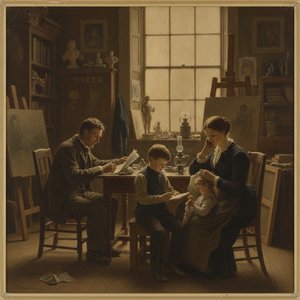
The Examination (Das Verhören)
 Oil On Canvas
- WallArt
- 19th Century Realism
 1868
1868 66.0 x 54.0 cm
 Judovski muzej
 Preberi več
Giclée tisk / Umetniški tisk
Giclée ali platnati odtis muzejske kakovosti z hitro proizvodnjo in prilagodljivimi možnostmi končne obdelave. ( Kupite ročno slikano delo Preklop na digitalno sliko)




P118B €10

P118H €10

P118W €10

P438Z €10

P508JH €12

P508YH €12

P805H €10

P805Z €10

P919BZ €10

P919G €10

P919XJ €10

P959ZH €10

P968JZ €12

W106C €8

W218G €10

W218JH €8

W218Y €10

W307PJ €10

W316G €10

W316PJ €8

W316Y €10

W398PJ €8

W4111J €10

W500HY €15

W500JH €15

W692G €12

W849H €8

W940BG €15

W953PJ €8




Izberite eno od naših vnaprej določenih velikosti, ki ustrezajo prvotnim proporcijam umetničkega dela.

Vnesite širino in višino, ki jih potrebujete za svoj okvir ali steno. Tiskanje se lahko le odreže, vendar ga ni mogoče narediti večjega od slike, zato format z drugačno obliko pomeni izgubo dela slike. Pred tiskanjem vam pošljemo digitalni predogled za potrditev. Slika, prikazana na tej strani, ne prikazuje dejanskega izrezka — le predogled to omogoča.
Globalna dostava () v 2 tednih namesto standardnih 4/5 tednov. (30 oktober)

Brezplačna ekspresna dostava po vsem svetu

Visokokakovostno laneno platno

Popolno zavarovanje pošiljke

Garancija povračila carine in uvoznih davkov

Garancija popolnega barvnega ujemanja

100-dnevna politika vračil (le v primeru okvar)

Garancija 100% povračila denarja

Popust pri večjem naročilu
 Možnost stekla je na voljo le za velikosti pod 110 cm

The Examination (Das Verhören)
Giclée tisk / Umetniški tisk
Velikost reprodukcije
-


Skupna cena
€ 71
The Intimate Portrait of Family Life: Moritz Daniel Oppenheim’s “The Examination”
Moritz Daniel Oppenheim's "The Examination," painted in 1868, is more than just a domestic scene; it’s a poignant window into the heart of 19th-century Jewish family life. This intimate portrait, rendered with remarkable sensitivity and detail, captures a moment of quiet contemplation within a warmly lit living space – a space that speaks volumes about tradition, education, and familial bonds. The painting immediately draws the viewer in, not with grand gestures or dramatic action, but through the subtle interplay of glances, postures, and the palpable sense of connection between father and daughters.
Oppenheim’s style leans heavily towards Realism, yet it transcends mere representation. He masterfully employs a muted color palette – predominantly browns, creams, and ochres – to create an atmosphere of understated elegance and domestic tranquility. The lighting is particularly noteworthy; it's diffused and natural, casting gentle shadows that enhance the three-dimensionality of the figures and their surroundings. The artist’s brushwork is deliberate and controlled, meticulously building up layers of paint to achieve a rich texture and a sense of depth. Notice how he subtly captures the textures of the fabrics – the worn velvet chair, the simple wooden table, the folds in the women's dresses – adding an incredible level of realism and grounding the scene.
A Glimpse into Jewish Life and Education
The painting’s subject matter is deeply rooted in the social and cultural context of its time. “The Examination” depicts a father, presumably a scholar or religious leader, seated with his two daughters. He's absorbed in reading a book, while they attentively observe him, suggesting a scene of learning and guidance. This wasn’t simply a casual family gathering; it represented a crucial element of Jewish upbringing – the transmission of knowledge and tradition from one generation to the next. The presence of the books scattered around the room reinforces this theme, hinting at a home filled with intellectual pursuits and a commitment to education.
Oppenheim’s decision to portray a family scene within a Jewish context was groundbreaking for its time. While many artists were depicting Jewish subjects, Oppenheim's work focused on portraying everyday life, familial relationships, and religious practices – offering a more nuanced and intimate representation of the Jewish community than previously seen in Western art. This focus aligns with the burgeoning “Wissenschaft des Judentums” (Jewish knowledge) movement, which sought to study Judaism as an academic discipline, documenting its history, culture, and traditions.
Symbolism and Emotional Resonance
Beyond its straightforward depiction of a family moment, "The Examination" is rich in symbolic detail. The vase positioned centrally on the table – holding fresh fruit – can be interpreted as representing knowledge, wisdom, or even reward. The gesture of the father pointing to the book, combined with the daughters’ attentive expressions, suggests a process of learning and understanding. The overall mood is one of quiet dignity and affection, conveying a sense of warmth and familial harmony.
Furthermore, the painting subtly alludes to the importance of Jewish tradition and heritage. The setting itself – a comfortable home filled with books – speaks to a commitment to intellectual pursuits and the preservation of cultural values. The scene evokes a feeling of stability, continuity, and the enduring strength of family bonds. It’s a testament to Oppenheim's ability to capture not just a visual likeness but also the emotional essence of his subjects.
A Timeless Masterpiece – Reproduction Considerations
Reproductions of “The Examination” offer a remarkable opportunity to bring this evocative artwork into your home or office. When selecting a reproduction, consider the quality of the print and the canvas or paper used. A high-resolution digital print on archival-quality canvas will ensure that the colors and details are faithfully reproduced, capturing the painting’s subtle nuances and rich textures. The original's muted palette translates beautifully to a wide range of interior design styles – from traditional to contemporary – adding a touch of understated elegance and intellectual warmth.
As an investment piece, a high-quality reproduction of “The Examination” is more than just a decorative item; it’s a window into the past, a celebration of family life, and a testament to the artistic vision of Moritz Daniel Oppenheim. It's a reminder that even in quiet moments, profound beauty and enduring values can be found.
Vprašanja in odgovori
Kakšen občutek prinaša "The Examination (Das Verhören)" kot darilo?
Z svojim Reflective čustvenim tonom je "The Examination (Das Verhören)" avtorja Moritz Daniel Oppenheim priporočeno kot darilo za Wedding.
Ali je delo "The Examination (Das Verhören)" avtorja Moritz Daniel Oppenheim bolj svetlo ali temno?
V smislu zaznane svetlobnosti je "The Examination (Das Verhören)" avtorja Moritz Daniel Oppenheim deep_shadow.
Kdo prodaja ročno slikane kopije dela "The Examination (Das Verhören)" avtorja Moritz Daniel Oppenheim?
"The Examination (Das Verhören)" je na voljo kot ročno slikana oljna reprodukcija na lnenem platnu. Naročilo lahko oddate na njegovi strani Ročno slikana reprodukcija, kjer lahko izbirate med različnimi velikostmi.
Biografija umetnika
Vizionar judovske identitete
Moritz Daniel Oppenheim (1800–1882) izstopa kot edinstvena figura v letopisiš Nemškega umetnostnega zgodovinskega kanona, saj je služil kot globok pionir judovske umetniške predstavitve. Rod v Hanauju v Nemčiji so njegovo življenje in delo tesno povezali z predanostjo dokumentiranju in slavljenju nians judaizma ter kulture med transformativnim nineteenth stoletjem. Pogosto je bil upadečen kot prvi judovski slikar, ki je dosegel širok prepoznavnost v glavni umetniški valovnosti, saj se je presegel nad zgolj biografske podrobnosti in ustvaril opus, ki predstavlja vitalen vizualni zapis skupnosti, ki se je navigirala skozi kompleksnost modernizacije, hkrati pa se je trudila ohraniti svoje svete tradicije.
Oppenheimova umetniška pot se je začela s temeljitim eğitimom pod Conradom Westermayrom v njegovem rodišču, kjer je prvič osvojil načela nemške romantične slikarstva. Vendar pa je njegov pravi profesionalni vzpon spodbudilo vpisovanje na Münchensko akademijo umetnosti v age jezdevrež let. Prav v teh prestižnih dvoranah je izpiloval svoje tehnično mojstvo alongside sodobnikov, kot sta bila Wilhelm Leibl in Johann Baptist Eberhard Krauss. V želji po širšenju svojih obzorij se je Oppenheim odpravil na preobrazljivo obdobje študija v tujini; potoval je v Pariz, da bi študiral pri Jean-Baptisteu Regnaultu, in kasneje v Rim. V Italiji, pod mentorstvom svetnikov, kot sta bili Bertel Thorwaldsen in nazareni slikar Johann Friedrich Overbeck, se je njegov slog razvil v sofisticirano mešanje natančnega opazovanja in klasičnega vpliva. To rimsko obdobje je bilo še posebej ključno, saj je njegovo del preželo z občutkom zgodovinske teže, ki bo kasneje oblikoval njegove prikaze judovskih ritualov in vsakdana.
Umetnost intimnosti in tradicije
Srce Oppenhemovega prispevka k umetnosti leži v njegovi sposobnosti, da domači sfero spremeni v odra za globoko kulturno pripovedovanje. Njegove slike se pogosto osredotočajo na intimne scene judovskega družinskega življenja, ulovljajoč tiho dostojnost rituala in toplino skupnostnih vezi. Skozi njegov č笔 se prizemljeno preobrazi v monumentalno. V delih, kot je Zaključek sabata (Sabbath-Ausgang), uporablja mojstrovski realizem in subtilno simboliko za prikaz čustvenega prehoda iz svetega počutja sabata nazaj v časovni svet, s čimer gledalca vabi v pričevanje pred sveto ritualnost družine.
Njegova sposobnost vpletanja zgodovinskega konteksta z osebno čustvom je morda najbolj očitna v njegovih žanrskih slikah, ki dokumentirajo specifične kulturne mejnike. Na primer:
- Poroka (Die Trauung): Prespletajoče podrobna prikaz judovske poroke iz leta pred letom 1866 znotraj frankfurškega geta, kjer Oppenheim ulovil veličastnost tradicionalne obleke in dostojnost poročnega baldakina, s čimer ponuja redak, ohranjen vpogled v izginjajoč način življenja.
- Vrnitev prostovoljca: V tem osupljivem oljenem slikarstvu iz leta 1834 raziskuje stičišče judovske dediščine in širše evropske zgodovine, prikazujoč vojaka, ki se vrača iz vojn osvoboditve v družino, ki še vedno živi po starodavnih običajih, s čim učinkovito ilustrira napetost med političnimi premiki napoleonske dobe in trajno religijsko identeto.
Dediščina in zgodovinski pomen
Poza svojo tehnično veščino je Oppenhemove del neločljivo povezano s gibanjem Wissenschaft des Judentums – znanstvenim prizadevanjem za vzpostavitev judovske zgodovine in kulture kot spoštovanega akademskega področja. Njegove slike so delovale kot vizualna znanstvenost, saj so zagotrajale dostojno in avtentično predstavitev skupnosti, ki je bila v širšem evropskem umetniškem kanonu pogosto marginalizirana. S tem ko je judovske subjekte prikazoval z isto stopnjo podrobnosti, dostojnosti in romantične veličastnosti, ki je običajno bila rezervirana za aristokratske ali mitološke teme, je izzival obstoječe predraslude in potrdil pomen judovske identitete znotraj nemške kulturne tkive.
Končno je dediščina Moritza Daniela Oppenheima dediščina odpornosti in vidnosti. On ni le slikal scene; on je konstruiral vizualni jezik za obdobje prehodov. Njegova sposobnost zajema občutljive ravnovesja med starim in novim svetom zagotavlja, da njegovo del ostaja vitalno izhodišče za razumevanje judovske izkušnje devetnadesti stoletja, zaradi česa je postal nepogrešljiva figura v zgodovini tako nemškega romantizma kot v globalni pripovedi judovske umetnosti.

Moritz Daniel Oppenheim
1800 - 1882 , Nemčija
Hitri podatki
- Artistic Movement Or Style: Romantizem
- Artists Who Influenced This Artist:
- Jean-Baptiste Regnault
- Bertel Thorwaldsen
- Barthold Georg Niebuhr
- Johann Friedrich Overbeck
- Date Of Birth: 7. januar 1800
- Date Of Death: 1882
- Full Name: Moritz Daniel Oppenheim
- Nationality: Nemec
- Notable Artworks:
- Vrnitev prostovoljca
- Mignon in harfist
- Italska žanrska scena
- Potrditev
- Sabatov blagoslov
- Place Of Birth: Hanau, Nemčija
Sorodni članki

Evolving Portraits: Personalized Art as a Chronicle of Family Life Across Generations
Create a timeless family legacy with custom portraits! OriginalUniqueArt connects you with skilled artists for heirloom-quality paintings & prints. Explore styles, commission your unique artwork today.
Victorian Realism: Capturing the Soul and Intricate Detail of a Golden Era
Explore the exquisite world of Victorian Realism. Discover how 19th-century masters captured unparalleled detail and emotion through oil painting, and learn to curate these timeless masterpieces for your luxury interior collection.

Romantic Realism's Finest: 10 Masterpieces for Your Home | OriginalUniqueArt
Explore 10 defining masterpieces of Romantic Realism! Discover Courbet, Millet & Daumier's powerful paintings—capturing emotion and social realities. Find museum-quality reproductions for your home at OriginalUniqueArt.com.

Victorian Naturalism: The Raw, Hyper-Real Aesthetic That Defined an Era
Explore the raw power of Victorian Naturalism. Discover how 19th-century artists rejected romantic idealism to capture the gritty, hyper-real truth of the industrial era through masterful observation and unmatched technical precision.

The Gaze of a Changing World: Victorian Realism & Modern Life
Explore the captivating world of Victorian Realism! Discover genre painting's rise, social commentary in art, & masters like Fedotov and Wilkie. Expert analysis & high-quality reproductions at OriginalUniqueArt.