
 Predogled v realnem okolju
 Pošlji
 Deli
Deli
 Podrobnosti o delu
 Priročnik

 Prenesi sliko
 Podobni izdelki
 Rentgenski posnetek
 Predvajaj diaporama
 Vprašanja in odgovori
 Statistika
Ogou Ferail


 Preberi več
Umetniška dela, prikazana na tej strani, so zaščitena z avtorskimi pravicami, kar pomeni, da po zakonu ne moremo ustvarjati ali prodajati identičnih reprodukcij. Ta zaščita se izvaja v skladu z mednarodnimi sporazumi, kot so Bernska konvencija in po nacionalnih zakonih, vključno s tistimi, ki jih določa Zakon o avtorskih pravicah ZDA – naslov 17.
Ta način v celoti upošteva zakonodajo o avtorskih pravicah, saj ne vključuje kopiranja ali podvajanja zaščitenga umetniškega dela. Namesto tega gre za kreativno preinterpretacijo – novo sliko, ki je navdihnjen rezultat originala, vendar ni z njim identična.
Giclée tisk / Umetniški tisk
Giclée ali platnati odtis muzejske kakovosti z hitro proizvodnjo in prilagodljivimi možnostmi končne obdelave. ( Kupite ročno slikano delo Preklop na digitalno sliko)




P118B €10

P118H €10

P118W €10

P438Z €10

P508JH €12

P508YH €12

P805H €10

P805Z €10

P919BZ €10

P919G €10

P919XJ €10

P959ZH €10

P968JZ €12

W106C €8

W218G €10

W218JH €8

W218Y €10

W307PJ €10

W316G €10

W316PJ €8

W316Y €10

W398PJ €8

W4111J €10

W500HY €15

W500JH €15

W692G €12

W849H €8

W940BG €15

W953PJ €8




Izberite eno od naših vnaprej določenih velikosti, ki ustrezajo prvotnim proporcijam umetničkega dela.

Vnesite širino in višino, ki jih potrebujete za svoj okvir ali steno. Tiskanje se lahko le odreže, vendar ga ni mogoče narediti večjega od slike, zato format z drugačno obliko pomeni izgubo dela slike. Pred tiskanjem vam pošljemo digitalni predogled za potrditev. Slika, prikazana na tej strani, ne prikazuje dejanskega izrezka — le predogled to omogoča.
Globalna dostava () v 2 tednih namesto standardnih 4/5 tednov. (4 november)

Brezplačna ekspresna dostava po vsem svetu

Visokokakovostno laneno platno

Popolno zavarovanje pošiljke

Garancija povračila carine in uvoznih davkov

Garancija popolnega barvnega ujemanja

100-dnevna politika vračil (le v primeru okvar)

Garancija 100% povračila denarja

Popust pri večjem naročilu
 Možnost stekla je na voljo le za velikosti pod 110 cm

Ogou Ferail
Giclée tisk / Umetniški tisk
Velikost reprodukcije
-


Skupna cena
€ 72
Vprašanja in odgovori
Za kakšno uporabo se priporoča "Ogou Ferail" avtorja Mireille Delismé?
Reprodukcija dela "Ogou Ferail" avtorja Mireille Delismé je priporočljiva za Statement. Ta predlog temelji na tematiki, vzdušju in barvni paleti dela.
Kdo je ustvaril "Ogou Ferail"?
"Ogou Ferail" pripisujemo Mireille Delismé.
Kako se motiv dela "Ogou Ferail" povezuje s tipičnimi temami umetnika Mireille Delismé?
"Ogou Ferail" prikazuje voodoo flag art, epic battle scene, knight on horseback, dragon combat, haitian culture, spiritual narrative, medtem ko so v vodou spiritual symbolism art, haitian cultural resilience narrative, epic battle tradition depiction zabeležene teme umetnika Mireille Delismé. Primerjava obeh razkriva, kako se to delo povezuje z običajnimi motivi umetnika.
Biografija umetnika
Mireille Delisme: Weaving Faith and Resilience into Haitian Drapo
Mireille Delismé, a name synonymous with vibrant Haitian artistry, is more than just an artist; she’s a conduit between the spiritual realm of Vodou and the tangible beauty of her meticulously crafted drapo flags. Born in Leogâne, Haiti, in 1968, Mireille – also known as Mireille Delice – has dedicated her life to preserving and evolving this deeply significant art form, transforming it into a powerful expression of faith, community, and resilience. Her work isn’t merely decorative; it's a visual narrative steeped in Haitian history, Vodou beliefs, and the enduring spirit of her people. Delismé’s artistic journey began unexpectedly in 1986, apprenticing under her cousin, Myrlande Constant (or Yolande Ceauston – accounts vary), learning the foundational skills of sewing and beading within a factory producing embellishments for wedding dresses destined for export in Port-au-Prince. This experience, though ultimately short-lived when the factory closed in 1990 due to political and economic instability, provided her with invaluable technical expertise. It was during this period that she first experienced what would become the driving force behind her artistic practice: a series of vivid dreams. These weren’t random occurrences; they were imbued with messages from Vodou spirits, particularly Erzulie, the spirit of love, represented by a heart symbol – a design that would later become the defining motif of her iconic flags. The closure of the factory and the subsequent dream-inspired guidance marked a pivotal moment in Delismé’s life. She recounts receiving instructions to forge her own path, an invitation to create independently and provide for her family. Embracing this call, she began crafting drapo Vodou flags using leftover beads from her previous employment. These early pieces weren't simply decorative; they were imbued with the spirit of Erzulie and other Vodou deities, acting as visual representations of divine guidance and offering clarity within life’s complexities. The bright colors – reds, yellows, blues, greens – used in the sequins and beads aren’t arbitrary choices but carefully selected to evoke specific moods and spiritual energies. Her atelier, established in Haiti, now serves as a hub for creating these intricate works, employing seven artisans who contribute their skills to this vibrant tradition.The Language of Drapo Vodou
The drapo Vodou is far more than just an embroidered flag; it’s a complex and deeply symbolic visual language central to Haitian Vodou practice. These flags are offered to the *lwa* (spirits) during ceremonies, serving as conduits for communication and connection. Each element – color, symbol, bead placement – carries specific meaning, reflecting the attributes of the particular spirit being invoked. Delismé’s work is particularly notable for its incorporation of traditional Vodou iconography alongside her own unique interpretations. She meticulously researches and translates these symbols, ensuring that each flag accurately represents the spirit it honors. The heart motif, originating from her initial dream with Erzulie, remains a recurring element, symbolizing love, compassion, and connection to the divine.Dreams as Inspiration: A Spiritual Dialogue
Delismé’s artistic process is inextricably linked to her dreams. She describes receiving multiple visions from the *lwa*, each offering guidance, inspiration, and specific designs for her flags. The third dream, in particular, provided a clear directive – to abandon factory work and pursue her own creative path. This narrative underscores the profound spiritual influence that shapes her art. She doesn’t simply draw inspiration from Vodou symbols; she actively engages in a dialogue with the spirits themselves, allowing their messages to inform her artistic choices. The resulting flags are not merely products of skill but expressions of a deeply personal and spiritual connection.Responding to Tragedy: Art as Healing
In the aftermath of the devastating 2010 earthquake that ravaged Haiti, Delismé channeled her grief and concern into her art. Recognizing the immense suffering in her homeland, she created “Catastrophe du 12 Janvier” – a powerful drapo depicting the crumbled buildings and the tragic loss of life. This work wasn’t simply a memorial; it was an act of healing, a way to process trauma and offer solace to her community. Her participation in the Smithsonian Folklife Festival in 2010 and subsequent exhibitions at institutions like the Museum of International Folk Art further amplified the significance of her art as a testament to Haitian resilience and cultural heritage. The piece “Catastrophe du 12 Janvier” was particularly poignant, demonstrating how she translated the devastation into a visual language that resonated with both local communities and international audiences.Legacy and Recognition
Mireille Delismé’s work has garnered significant recognition within the art world and beyond. Her pieces have been exhibited at prestigious venues like the Indigo Arts Gallery in Philadelphia and featured in publications such as *Crane Arts*. Her commitment to preserving and promoting the tradition of drapo Vodou has solidified her position as a leading figure in Haitian contemporary art. Delismé’s atelier continues to thrive, employing local artisans and ensuring that this vibrant artistic heritage remains alive for generations to come. Her flags are not just beautiful objects; they are powerful symbols of faith, community, and the enduring spirit of Haiti.
Mireille Delismé
Haiti
Hitri podatki
- Artistic Movement Or Style: Drapo Vodou art
- Artists Or Movements Influenced By This Artist: ['Vodou tradition']
- Artists Who Influenced This Artist: ['Yolande Ceauston']
- Date Of Birth: Leogâne, Haiti (1967)
- Full Name: Mireille Delisme
- Nationality: Haitian
- Notable Artworks: ['Ogou Ferail']
- Place Of Birth: Leogâne, Haiti
Sorodni članki

The Enduring Appeal of Decorative Art: A Historical Survey of Ornamentation, Functionality & Cultural Significance
Explore the rich history of decorative arts with OriginalUniqueArt.com. Discover key movements, influential artists, and expert guidance for building a discerning collection. Learn about ornamentation, functionality & cultural significance.
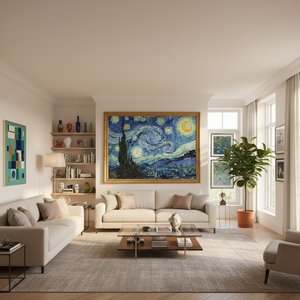
Top 10 Masterpieces for Your Living Room: Iconic Paintings & Art Decor Ideas |
Transform your living room with iconic art! Explore our guide to the Top 10 most famous paintings – from Van Gogh's Starry Night to Mona Lisa. Discover artist stories, techniques & find museum-quality reproductions for timeless decor. Explore the full collection on

Daniel Ridgway Knight: A Study in Victorian Genre Painting & Rural Idealism
Explore the captivating world of Daniel Ridgway Knight, a master of Victorian genre painting. Discover his serene rural scenes, realistic technique & lasting influence on American Impressionism. Learn about his life, art, and collectibility.

Armor & Edge: The Trend Forecast for Bold Knight Art to Level Up Your Space
Level up your space with the ultimate trend forecast on Bold Knight Art. Discover how contemporary armor aesthetics and chivalric imagery are redefining urban interiors, gaming setups, and pop-culture decor through high-impact, custom-made masterpieces.

Gustav Klimt: 25 Mojstrovin, ki Očarajo – Umetnost za Vaš Dom | OriginalUniqueArt
Odkrijte 25 čudovitih del Gustava Klimta – od zlate secesije do portretov in simbolizma. Preberite zgodbe za vsako umetnino in poiščite popolno reprodukcijo za vaš dom na OriginalUniqueArt.com.