

 Predogled v realnem okolju
 Pošlji
 Deli
Deli
 Podrobnosti o delu
 Priročnik

 Prenesi sliko
 Podobni izdelki
 Rentgenski posnetek
 Predvajaj diaporama
 Statistika
Polikrates


 Preberi več
Pridobite datoteko, pripravljeno za tiskanje, ki presega kakovost spletnega predogleda. Vsaka digitalna slika v naši ponudbi izvira iz visoko ločljive izvirne datoteke v naši bazi — običajno široke od 5.000 do 15.000 pikselov — zato lahko z zaupanjem tiskate v večji format, tesno izrezujete ali reproducirate fine podrobnosti.
Nobena datoteka ne zapusti našega studia nedotiknjena. Digitalni strokovnjak preveri barve v primerjavi z izvirnim sliko in jih po potrebi popravi, nato pa s profesionalnimi orodji za retuširanje izboljša jasnost in podrobnosti — pri čemer vedno ostaja zvest originalnemu slikarskiemu črtam in slogu. Rezultat je slika, ki izgleda kot sama slika, ne pa kot le filtriran sken.
Potrditev poteka pred dokončanjem dela: naš strokovnjak vam v roku 72 ur pošlje sliko po e-pošti na pregled. Niste zadovoljni? Zahtevajte izboljšave ali popravke ali prosite za povračilo denarja, če kakovost ni v skladu z pričakovanimi standardi.
To je kakovost, po kateri temeljijo založniki, oblikovalni studii, galerije in tiskarne.
Digitalna slika
Prenesite datoteko visoke ločljivosti za osebno uporabo, tiskanje in kreativne projekte. ( Preklop na tiskanine Kupite ročno slikano delo)
Vključeno v vsako naročilo digitalne slike
Zagotovljena strokovna digitalna dostava
Z izbiro OriginalUniqueArt.com ne prejmete le slike – prejmete profesionalno urejeno digitalno umetniško delo, izdelano z največjo natančnostjo in zavestno podprto z garancijo za zadovoljstvo. Tukaj je vse, kar bo z vašim naročilom samodejno priloženo:

Hitra dostava prek e-pošte
Vaša digitalna slika visoke ločljivosti bo na vaš e-naslov poslana v roku 72 ur od zaklopa naročila – pripravljena za takojšnjo uporabo.

Digitalna datoteka z uporabo AI
Vaše umetniško delo je strokovno optimizirano z uporabo naprednih orodij umetne inteligence in ročne obdelave, kar zagotavlja največjo stopnjo podrobnosti, jasnosti in barvne natančnosti.

Brezplačna doletna ponovna dostava
Ste datoteko zaradi nespremietne napake izgubili ali izbrisali? Ni težav – vam jo bomo ponovno poslali kadar koli in brezplačno.

Brez uvoznih pristojbin – vedno
Svoje umetniško del uživajte takoj, brez carin, davkov ali stroškov dostave – digitalni prenosi so vedno brezdavčni.

Zagotovilo natančnosti barv
Z uporabo profesionalnih orodij in procesov upravljanja barv zagotavljamo, da vaša digitalna slika čim bolj natančno odraža prvotne barve.

100-dnevna garancija zadovoljstva
Če niste zadovoljni s svojo digitalno sliko, jo bomo uredili ali vam v 100 dneh povrnili 100% denarja – brez kakršnih koli vprašanj.

100% Garancija povračila denarja
Niste zadovoljni? Zagotavljamo vam popoln povračilo sredstev v 100 dneh po prejemu digitalne datoteke – brez dodatnih vprašanj.

Popusti pri večjih naročilih
Kupite 3 slike, prihranite 10% - Kupite 5 slik, prihranite 15% - Kupite 10+ slik, prihranite 20%. Odlično za kreativne projekte, galerije in agencije.
Polycrates: A Titan's Struggle Embodied in Marble
Mikhail Ivanovich Kozlovsky’s sculpture of Polycrates, created in 1790, stands as a testament to the Romantic spirit of its time—a period marked by fascination with heroic narratives and an intense preoccupation with human emotion. The artwork depicts a nude male figure caught in a dramatic pose, conveying palpable tension and dynamism. This isn't merely a depiction of anatomy; it’s an attempt to capture the very essence of struggle – Polycrates reaching upwards with one arm while his body twists downwards, draped in fabric—a visual representation of defiance against overwhelming odds. The sculpture’s stark grayscale palette emphasizes the materiality of marble, highlighting its texture and contours with remarkable precision.- Artist: Mikhail Ivanovich Kozlovsky (1753-1802) – A prominent sculptor of the Enlightenment era in Russia
- Date: 1790 – Reflecting the stylistic trends prevalent during Romanticism
- Material: Marble – Chosen for its durability and ability to convey monumental form
A Narrative Sculpted in Stone: Influences of Classical Idealization
Kozlovsky’s work draws heavily from Neoclassical sculpture, mirroring the artistic sensibilities championed by artists like Antonio Canova. However, unlike the idealized figures of earlier Greek and Roman art, Polycrates embodies a more visceral portrayal of human experience. The sculptor skillfully blends Baroque influences with classical themes—a deliberate juxtaposition that underscores the sculpture's emotional depth. As Herodotus recounts, Polycrates’s unwavering determination to resist subjugation – symbolized by his upward reach – speaks to universal aspirations for liberty and resilience. This thematic resonance elevates the artwork beyond mere aesthetic beauty, inviting contemplation on the complexities of human ambition and moral fortitude.Technique and Detail: Mastering Marble's Potential
The sculpture’s execution demonstrates Kozlovsky’s mastery of marble carving techniques. The artist utilized the method of cutting into hard boxwood across the grain—a revolutionary approach that ensured exceptional detail and longevity. This meticulous process involved careful sketching, sculpting, and polishing to achieve a smooth surface texture, revealing subtle nuances in tonal variation. The sculptor's dedication to precision resulted in an image imbued with palpable energy and emotion. Notice how the strong lines defining musculature and drapery contribute to the sculpture’s dramatic impact—a masterful demonstration of artistic skill.Symbolism Beyond Form: Echoes of Heroic Struggle
The sculpture's symbolism extends beyond its depiction of Polycrates' physical posture. The artist deliberately incorporated a Greek inscription – “No one is happy, until alive” – taken from the writings of Herodotus—a poignant reminder of the human condition and the pursuit of freedom. This phrase encapsulates the sculpture’s core message: an acknowledgement of suffering as inseparable from striving for greatness. Kozlovsky's artistic vision reflects the anxieties and aspirations of his era—a profound engagement with philosophical ideas that elevates Polycrates to a symbol of courageous resistance against oppression. The stark black background serves to isolate the figure, intensifying its presence and emphasizing its dramatic narrative.Vprašanja in odgovori
Kdo je avtor dela "Polikrates"?
Delo "Polikrates" je ustvaril Mihail Ivanovič Kozlovski. Informacije na tej strani opisujejo izvirno delo umetnika Mihail Ivanovič Kozlovski.
Kakšen občutek izraža "Polikrates" avtorja Mihail Ivanovič Kozlovski?
V "Polikrates" Dramatičnost vzdušje dopolnjuje Dramatično čustvo.
Koliko svetlobe se zdi, da odražajo barve dela "Polikrates"?
Luminanca, zabeležena za delom "Polikrates" avtorja Mihail Ivanovič Kozlovski, znaša Temno.
Biografija umetnika
The Sculptor of Enlightenment Ideals
Mikhail Ivanovich Kozlovsky stands as a preeminent figure in the landscape of Russian Neoclassical sculpture, a master whose hands shaped the very essence of the Age of Enlightenment. Born in Saint Petersburg, Russia, his artistic journey began within the prestigious halls of the Imperial Academy of Arts. Under the tutelage of Anton Losenko, Kozlovsky embarked on a path that would eventually lead him far beyond the borders of his homeland, seeking inspiration in the great art capitals of Europe. His travels to Rome and Paris were not merely educational excursions but transformative odysseys that allowed him to absorb the burgeoning Neoclassical spirit sweeping through the continent.
The evolution of Kozlovsky’s style is a fascinating study in artistic maturation. His earliest endeavors retained a lingering connection to the dramatic, emotive sensibilities of the Baroque period. However, as he matured, his work underwent a profound metamorphosis, shedding ornamental excess in favor of Neoclassical monumentality and clarity. This transition saw him embracing the ideals of reason, order, and anatomical precision, mirroring the intellectual shifts of his era. By the time he returned to Paris in 1788 to supervise Russian students abroad, he had emerged as a sculptor capable of translating complex mythological narratives into enduring, dignified forms.
Mastery of Form and Mythological Narrative
Kozlovsky’s oeuvre is characterized by an extraordinary ability to breathe life into bronze and marble, capturing both the physical prowess of heroes and the ethereal grace of the divine. His works often serve as profound emblems of classical mythology, utilized to convey contemporary values of strength and wisdom. In pieces such as Hercules on Horseback, one observes a masterclass in realism; the meticulous rendering of equine and human musculature creates a sense of dynamic vitality that draws the viewer into the heart of the legend. His use of composition, often employing powerful diagonal thrusts, directs the eye through scenes of intense action and heroic struggle.
Beyond the depiction of raw power, Kozlovsky possessed a delicate touch for allegorical subjects. His sculpture Minerva and the Genius of the Arts, commissioned during the reign of Catherine II, exemplifies his ability to embody Enlightenment thought. Through the figures of the Roman goddess of wisdom and her artistic companion, he sculpted more than just myth; he captured the very aspiration of human intellect toward higher truth and order. His technical repertoire was equally diverse, ranging from the dramatic, gilded bronze of Samson Rending the Lion's Jaws—a centerpiece for the Grand Cascade at Peterhof Palace—to the expressive, martial character of the Suvorov Monument.
Legacy and Artistic Significance
The historical significance of Mikhail Kozlovsky lies in his role as a bridge between eras and a foundational pillar of Russian sculptural tradition. As a professor at the Academy of Arts, he played a crucial role in shaping the next generation of sculptors, ensuring that the principles of Neoclassicism would flourish in Saint Petersburg long after his passing. His contributions to the decorative splendor of imperial sites like Pavlovsk and Peterhof helped define the visual identity of the Russian Empire during a period of immense cultural growth.
His life's work remains a testament to the power of classical influence when wedded to technical mastery. Through his ability to adapt his manner from Baroque sensibility to Neoclassical grandeur, Kozlovsky achieved a level of permanence that transcends time. His sculptures continue to be celebrated for their:
- Anatomical Precision: A remarkable skill in rendering the complexities of human and animal forms with photographic realism.
- Symbolic Depth: The use of mythological figures to represent the enduring ideals of heroism, wisdom, and national triumph.
- Technical Versatility: An expert command over diverse media, including bronze casting and marble carving.
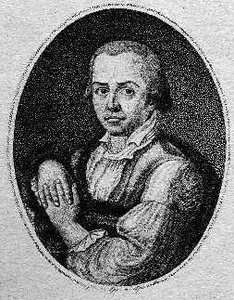
Mihail Ivanovič Kozlovski
1753 - 1802 , Rusija