
 Predogled
 Pošlji
 Deli
Deli
 Podrobnosti o delu

 Prenesi
 Podobni izdelki
 Rentgenski posnetek
 Predvajaj diaporama
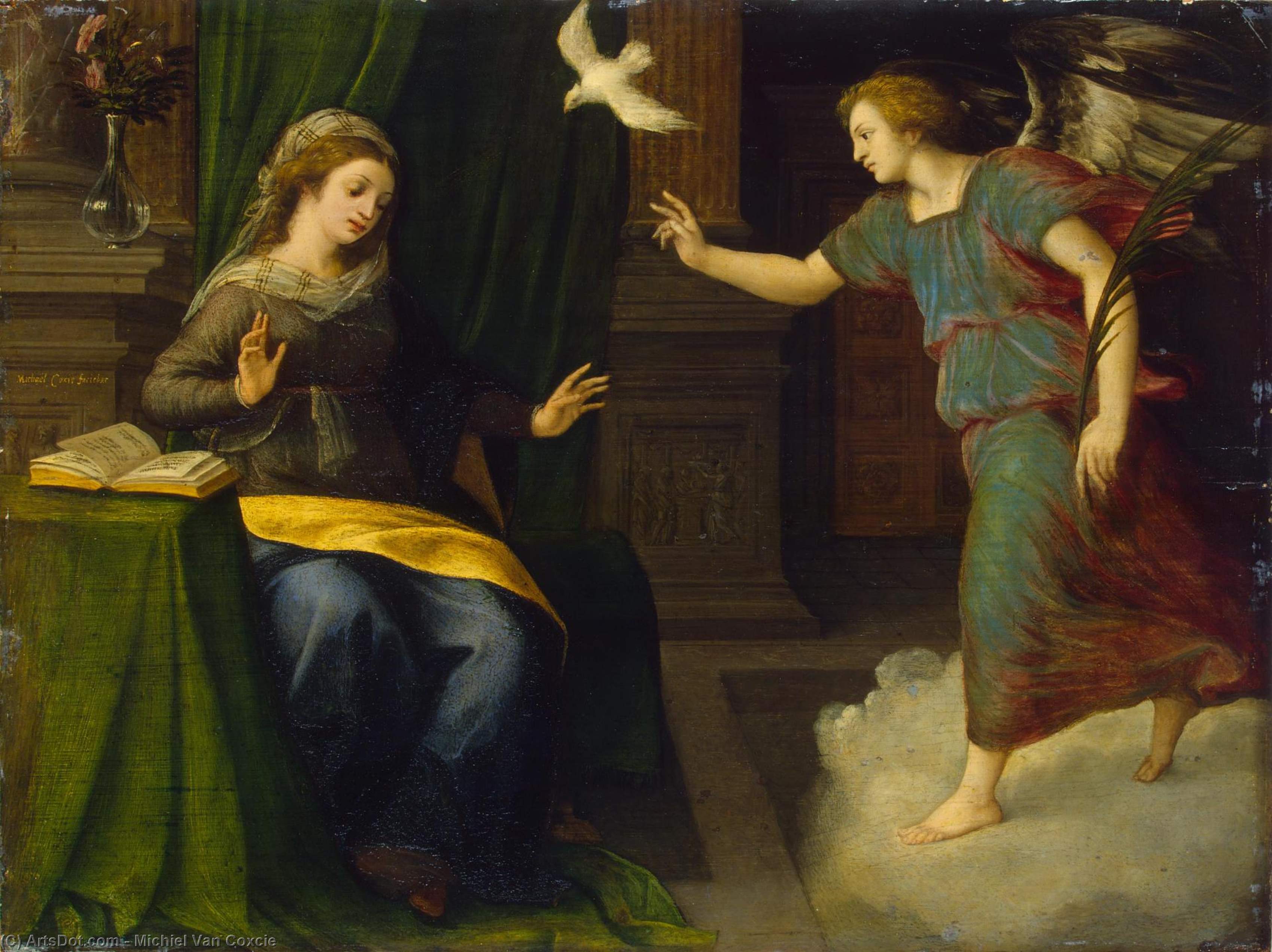
Annunciation
 Oil On Canvas
- WallArt
- Renaissance
 1580
1580 30.0 x 39.0 cm
 Hermitage Museum
 Razviljaj več
Giclée tisk / Umetniški tisk
Giclée ali platnati odtis muzejske kakovosti z hitro proizvodnjo in prilagodljivimi možnostmi končne obdelave. ( Kupi ročno naslikano sliko Kupi digitalno sliko)




P118B $10

P118H $10

P118W $10

P438Z $10

P508JH $12

P508YH $12

P805H $10

P805Z $10

P919BZ $10

P919G $10

P919XJ $10

P959ZH $10

P968JZ $12

W106C $8

W218G $10

W218JH $8

W218Y $10

W307PJ $10

W316G $10

W316PJ $8

W316Y $10

W398PJ $8

W4111J $10

W500HY $15

W500JH $15

W692G $12

W849H $8

W940BG $15

W953PJ $8




Izberite eno od naših vnaprej določenih velikosti, ki ustrezajo prvotnim proporcijam umetničkega dela.

Svoje dimenzije lahko vnesete sami, da bodo ustrezne za določen okvir ali prostor. Če izbrana velikost ne bo skladna z razmerji izvirne slike, bomo umetniško delo orezali ali podaljšali s pomočjo ogledalnega odraza ali barvno polnega roba. Pred začetkom proizvodnje vam bomo poslali digitalni predogled za potrditev.
Upoštevajte, da predogled na zaslonu ne prikazuje dejanskega orezovanja ali podaljševanja. Le digitalni predogled bo natančno prikazal končno kompozicijo.
Čeprav so na voljo prilagojene velikosti, priporočamo izbiro dimenzije s predhodno določenega seznama, da ohranite prvotna razmerja.
Globalna dostava () v 2 tednih namesto standardnih 4/5 tednov. (14 avgust)

Brezplačna ekspresna dostava po vsem svetu

Visokokakovostno laneno platno

Popolno zavarovanje pošiljke

Garancija povračila carine in uvoznih davkov

Garancija popolnega ujemanja barv

60-dnevna politika vračanja (le v primeru napak)

Garancija 100% povračila denarja

Popust pri večjem naročilu
 Možnost stekla je na voljo le za velikosti pod 110 cm

Annunciation
Giclée tisk / Umetniški tisk
Velikost reprodukcije
-


Skupna končna cena
$ 80
Opis zbirateljskega predmeta
A Divine Encounter: Unveiling the Annunciation
Michiel van Coxcie’s “Annunciation,” painted around 1580, is more than just a religious depiction; it's a masterful synthesis of Renaissance ideals and subtle Flemish artistry. The painting captures a pivotal moment in Christian belief – the Archangel Gabriel’s announcement to Mary that she would conceive and bear Jesus Christ – with an exquisite balance of realism, spiritual grace, and Mannerist elegance. It’s a scene brimming with quiet anticipation, radiating a profound sense of reverence and divine communication.
Image: Annunciation by Michiel van Coxcie (1580)
Renaissance Roots, Flemish Soul
Coxcie’s artistic journey is a fascinating testament to the cross-pollination of styles during the late 16th century. Born in Mechelen, Belgium, he initially immersed himself in the Italian Renaissance, studying under masters like Jan Portaers and Pieter Bruegel the Elder, absorbing their emphasis on realism and emotional depth. However, his spirit was undeniably drawn to the innovations of Michelangelo, Leonardo da Vinci, and Raphael – figures who redefined artistic expression through anatomical precision, dramatic lighting, and a profound understanding of human psychology. Coxcie didn’t merely imitate; he skillfully integrated these Italian influences with the deeply rooted spirituality and meticulous detail characteristic of Flemish painting.
The painting's composition reflects this duality. The figures are rendered with a remarkable degree of naturalism – Mary’s face, etched with surprise and contemplation, is particularly striking. Yet, there’s an undeniable Mannerist influence in the elongated proportions of the figures, the subtly distorted perspective, and the heightened emotional intensity. This blending creates a unique visual language that is both familiar and strikingly original.
Symbolism Woven into the Canvas
Every element within “Annunciation” carries symbolic weight. The dove, hovering above the scene, represents the Holy Spirit – the divine messenger who will empower Mary. The book held by Gabriel signifies knowledge and wisdom, a subtle allusion to the incarnation of God in human form. Mary’s modest gesture, her hand raised slightly as she accepts the news, speaks volumes about her humility and faith. The architectural setting, reminiscent of Italian Renaissance palaces, provides a dignified backdrop for this momentous event, grounding the divine narrative within a tangible space.
Technique and Materials: A Master's Touch
Coxcie’s technical skill is evident in every brushstroke. He employs a rich, layered technique, building up the paint with meticulous detail to create a sense of volume and texture. The use of light and shadow – particularly the dramatic illumination highlighting Mary’s face and the dove – adds depth and drama to the scene. The painting is executed in oil on canvas, a medium that allowed Coxcie to achieve both luminous colors and subtle gradations of tone. The careful attention to detail extends to the rendering of fabrics, architectural elements, and even the folds of Gabriel's robe, demonstrating his mastery of perspective and spatial relationships.
A Legacy of Divine Beauty
“Annunciation” stands as a testament to Michiel van Coxcie’s artistic genius – a bridge between the vibrant energy of the Italian Renaissance and the profound spirituality of the Flemish tradition. It's a painting that continues to resonate with viewers centuries later, inviting us to contemplate the mysteries of faith, the power of divine communication, and the enduring beauty of human expression. Reproductions offer an accessible way to bring this masterpiece into your home or office, allowing you to experience its timeless grace and profound symbolism.
Biografija umetnika
The Flemish Raphael: The Life and Legacy of Michiel van Coxcie
Michiel van Coxcie (1499–1592) remains one of the most compelling figures of the sixteenth century, a master whose brush bridged the profound spiritual traditions of Flanders with the monumental grandeur of the Italian Renaissance. Often celebrated by historians as the Feminine Raphael, Coxcie possessed a rare ability to synthesize the anatomical precision and classical balance of the South with the emotive, textured realism characteristic of his Northern roots. Born in Mechelen, Belgium, his life unfolded during an era of immense religious and artistic transformation, a period where the boundaries of European art were being redrawn by the influence of masters like Michelangelo and Raphael. His early training was deeply embedded in the Flemish tradition, learning under the watchful eyes of figures such as Jan Portaers and the legendary Pieter Bruegel the Elder. From these mentors, he inherited a devotion to meticulous detail and an unflinching approach to human emotion. Yet, Coxcie’s artistic soul yearned for something more expansive. His travels and studies allowed him to absorb the revolutionary advancements of the Italian masters, particularly the dramatic muscularity of Michelangelo and the harmonious compositions of Leonardo da Vinci. This unique fusion allowed him to create works that were not merely imitations of foreign styles, but a sophisticated evolution of his own heritage, characterized by figures that possess both breathtaking physical accuracy and a haunting psychological depth.A Versatile Master of Medium and Scale
The breadth of Coxcie’s talent was truly extraordinary, as he moved seamlessly between the delicate intimacy of portraiture and the overwhelming scale of monumental religious commissions. His versatility extended far beyond the canvas; he was equally adept at designing intricate tapestries and sculpting forms that commanded space. This polymathic approach allowed him to secure the patronage of some of the most powerful figures in Europe, including Maximilian I of Bavaria and Philip II of Spain. Such high-profile support ensured that his influence permeated the highest echelons of European courtly life, making him a central figure in the visual language of the era. His achievements are perhaps best exemplified by his contributions to the great cathedrals of the Low Countries. In the St. Michael and Gudula Cathedral in Brussels, his massive altarpieces stand as enduring testaments to his technical prowess, utilizing complex compositions to guide the viewer through sacred narratives. Furthermore, his work on the St. Rumbolds Cathedral tapestry—specifically his depiction of Adam and God—is regarded by scholars as a pinnacle of Renaissance textile art. In these works, one can observe the seamless integration of:- Anatomical Mastery: A profound understanding of the human form that brings a sense of weight and presence to every figure.
- Narrative Depth: The ability to weave complex theological themes into visually accessible and emotionally resonant scenes.
- Chromatic Brilliance: A sophisticated use of color that enhances the dramatic tension and spiritual atmosphere of his compositions.
Historical Significance and Artistic Evolution
As the sixteenth century progressed, Coxcie’s style underwent a subtle yet significant evolution, mirroring the shifting currents of European taste as the Renaissance transitioned toward the more dramatic and emotive qualities of the early Baroque. While he never abandoned the classical foundations that defined his early career, his later works began to embrace a greater sense of movement and theatricality. This adaptability ensured that his work remained relevant even as the artistic landscape grew increasingly complex and turbulent due to the religious upheavals of the Reformation and Counter-Reformation. The historical significance of Michiel van Coxcie lies in his role as a cultural conduit. He did not simply bring Italian ideas to Flanders; he translated them into a local vernacular that resonated with the spiritual sensibilities of his people. By blending the intellectual rigor of the South with the soulful realism of the North, he helped forge a unique aesthetic identity for Flemish art. Today, his legacy survives in the silent majesty of his surviving paintings and tapestries, which continue to invite viewers into a world where the divine and the human are inextricably linked through the power of masterful artistry.
Michiel van Coxcie
1499 - 1592 , Belgium
Hitri podatki
- Artistic Movement Or Style: Renaissance & Baroque Synthesis
- Artists Or Movements Influenced By This Artist: ['Baroque Painting']
- Artists Who Influenced This Artist:
- Michelangelo
- Da Vinci
- Raphael
- Date Of Birth: Mechelen, Belgium (1499)
- Date Of Death: 1592
- Full Name: Michiel van Coxcie
- Nationality: Flemish
- Notable Artworks:
- The Revenge of Tomyris
- Adam and the God (detail)
- Saint Cecilia
- Place Of Birth: Mechelen
Sorodni članki
Vincent van Gogh: 25 Mojstrovin za Popestritev Vašega Doma | OriginalUniqueArt
Odkrijte 25 najbolj znanih slik Vincenta van Gogha! Preberite zgodbe za vsako mojstrovino impresionizma in postimpresionizma. Kupite reprodukcije visoke kakovosti ter navdih za dekoracijo doma na OriginalUniqueArt.com.

Early Netherlandish Masters: 10 Paintings That Revolutionized Art & Decor
Journey into the world of Early Netherlandish painting! Explore 10 masterpieces by Jan van Eyck, Rogier van der Weyden & more. Discover stunning detail, symbolism & Renaissance art for your home decor. Find museum-quality reproductions on OriginalUniqueArt.com

Rembrandt van Rijn: 25 Mojstrovin za Popestritev Vašega Doma | OriginalUniqueArt
Odkrijte 25 mojstrovin Rembrandta van Rijna! Preberite zgodbe o portretih, svetlobi in nizozemskem baroku. Kvalitetne reprodukcije slik za vaš dom na OriginalUniqueArt.com. Raziskajte celotno zbirko online.

Oil on Canvas: A Historical & Technical Exploration of a Timeless Artistic Medium
Explore the rich history & enduring techniques of oil painting on canvas. Discover the science behind its longevity, conservation practices, and contemporary relevance. Expert insights for art enthusiasts.

Early Netherlandish Masters: 10 Paintings That Revolutionized Art & Decor
Journey into the Early Netherlandish Renaissance! Explore 10 iconic paintings by Jan van Eyck, Rogier van der Weyden & more. Discover stunning detail, symbolism, and oil painting techniques. Find museum-quality art reproductions for your home at OriginalUniqueArt.com.


