

 Predogled
 Pošlji
 Deli
Deli
 Podrobnosti o delu

 Prenesi
 Podobni izdelki
 Rentgenski posnetek
 Predvajaj diaporama
Flower Vase


 Razviljaj več
Ročno izdelana oljna reprodukcija
Ročno slikano olje na platnu v vaši izbiri velikosti in okvirja, izdelano po naročilu naših umetnikov. ( Kupi tisk Kupi digitalno sliko)




































Izberite eno od naših vnaprej določenih velikosti, ki ustrezajo prvotnim proporcijam umetničkega dela.

Svoje dimenzije lahko vnesete tako, da se prilagodite določenemu okvirju ali prostoru. Če izbrana velikost ne ustreza razmerjem originalne slike, bomo umetniško delo obrezali ali sliko dopolnili z dodatnimi ročno naslikanimi elementi. Pred začetkom proizvodnje vam bo poslan digitalni osnutek v odobritev.
Upoštevajte, da predogled na zaslonu ne odraža dejanskega obrezovanja ali podaljšanja. Le osnutek bo natančno prikazal končno kompozicijo.
Čeprav so na voljo velikosti po meri, priporočamo izbiro dimenzije s preddefiniranega seznama, da ohranimo originalne razmere.
Po oddaji naročila bo ekipa OriginalUniqueArt.com stranki po e-pošti poslala navodila in predogled digitalnega predogleda.
Svetska dostava () za 3/4 nedelje umesto uobičajenih 5 nedelja. (22 avgust). Bez kompromisa po pitanju kvaliteta.

Brezplačna ekspresna dostava po vsem svetu

Visokokakovostno laneno platno

Popolno zavarovanje pošiljke

Garancija povračila carine in uvoznih davkov

Garancija popolnega ujemanja barv

60-dnevna politika vračanja (le v primeru napak)

Garancija 100% povračila denarja

Popust pri večjem naročilu
 Možnost stekla je na voljo le za velikosti pod 110 cm

Flower Vase
Tehnika reprodukcije
Velikost reprodukcije
-


Skupna končna cena
$ 300
Biografija umetnika
A Pioneer of Syrian Impressionism: The Life and Art of Michael Kurcheh
Michael Kurcheh, born in Damascus, Syria in 1900 and passing away in 1973, stands as a pivotal figure in the development of modern art within his nation. He wasn’t merely an artist; he was a visual chronicler of a changing Syria, bridging traditional aesthetics with the burgeoning influence of Impressionism. While formal artistic training remained scarce in early 20th-century Syria, Kurcheh's dedication and innate talent propelled him to become one of the first Syrians to wholeheartedly embrace and adapt this European style. His journey wasn’t simply about replicating techniques; it was a profound exploration of how light, color, and brushwork could capture the essence of his homeland – its landscapes, its people, and its evolving socio-political climate. He is remembered not just for *what* he painted, but for *how* he saw Syria, and how he translated that vision onto canvas.Early Influences and Artistic Development
Kurcheh’s early artistic exposure was largely self-directed. He absorbed the rich visual culture surrounding him – the intricate patterns of Damascene architecture, the vibrant colors of local textiles, and the expressive faces of everyday Syrians. However, his encounter with Impressionism proved transformative. Through limited access to European art publications and perhaps through interactions with returning Syrian expatriates, he became captivated by the movement’s emphasis on capturing fleeting moments and subjective perceptions of light. He began experimenting with broken brushstrokes, a brighter palette than traditionally used in Syrian painting, and an outdoor *plein air* approach – a radical departure from studio-bound practices. This wasn't a wholesale adoption; Kurcheh skillfully integrated Impressionistic techniques into his existing understanding of form and composition, creating a uniquely Syrian brand of the style. His early works demonstrate this fusion, often depicting familiar Damascene scenes with a newfound luminosity and sense of atmosphere.Themes and Subject Matter: A Syria in Transition
The breadth of Kurcheh’s subject matter is remarkable. He painted sweeping landscapes that evoked the beauty and vastness of the Syrian countryside, meticulously rendered depictions of Damascene neighborhoods teeming with life, and poignant portraits capturing the character and dignity of his fellow citizens. However, what truly sets him apart is his willingness to engage with contemporary issues. Unlike many artists who shied away from political commentary, Kurcheh subtly incorporated socio-political themes into his work. The Suez Crisis of 1956, for example, found expression in paintings that alluded to the anxieties and disruptions caused by the conflict. He also depicted Bedouin life, not as a romanticized ideal, but with a nuanced understanding of its challenges and resilience. His famous quote – “I cannot draw or depict hunger…” – reveals his deep empathy and his desire to use art as a means of bearing witness to the realities of his time. This commitment to social awareness elevates his work beyond mere aesthetic beauty; it transforms it into a powerful historical document.Major Achievements and Lasting Legacy
Kurcheh’s contribution to Syrian art is multifaceted. He was instrumental in establishing Impressionism as a viable artistic language within the country, inspiring generations of artists to explore new modes of expression. His paintings are celebrated for their technical skill, their evocative atmosphere, and their insightful portrayal of Syrian life. While he didn't establish a formal school or studio, his influence permeated the art scene through his exhibitions and interactions with younger artists.- Pioneering Impressionism: He was among the first to successfully adapt Impressionistic techniques to depict Syrian landscapes and culture.
- Social Commentary: His willingness to address socio-political issues in his work set him apart from many of his contemporaries.
- Capturing Syria’s Essence: He masterfully captured the beauty, complexity, and changing realities of Syrian life during a pivotal period.

michael kurcheh
1900 - 1973 , Syrian Arab Republic
Hitri podatki
- Artistic Movement Or Style: Impressionism
- Date Of Death: 1973
- Full Name: Michael Kurcheh
- Nationality: Syrian
- Notable Artworks:
- Flower Vase
- Badawiyeh
- Place Of Birth: Syrian Arab Republic
Sorodni članki

Paul Cézanne: 25 Mojstrovin, ki so spremenile svet umetnosti | OriginalUniqueArt
Odkrijte 25 mojstrovin Paula Cézanna – od impresionističnih krajin do revolucionarnih tihožitij. Preberite zgodbe za vsako sliko, tehnike in navdih. Kvalitetne reprodukcije slik na OriginalUniqueArt.com!

The Enduring Legacy of Oil on Canvas: Technique, History & Aesthetic Impact
Explore the rich history & techniques of oil painting – from Renaissance masters to Impressionism. Discover pigments, layering methods, and why this timeless medium endures. Expert insights for artists & art enthusiasts.
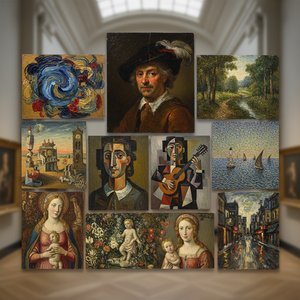
Oil on Board Masters: 10 Paintings That Redefined Art | OriginalUniqueArt
Explore 10 legendary 'Oil on Board' masterpieces by Van Gogh, Monet & more! Discover art history, iconic styles like Impressionism, and find museum-quality reproductions to elevate your home decor. Explore the full collection online at OriginalUniqueArt.com.

The Soul of Impressionism: Why Oil on Canvas Captures Eternal Light and Timeless Emotion
Discover the enchanting alchemy of Impressionism. Explore how the mastery of oil on canvas, through glazing and impasto, captures eternal light and emotion. Perfect for lovers of Monet and Van Gogh seeking the profound depth of hand-painted fine art.

Oil on Canvas: A Historical & Technical Exploration of a Timeless Artistic Medium
Explore the rich history & enduring techniques of oil painting on canvas. Discover the science behind its longevity, conservation practices, and contemporary relevance. Expert insights for art enthusiasts.

