
 Predogled v realnem okolju
 Pošlji
 Deli
Deli
 Podrobnosti o delu
 Priročnik

 Prenesi sliko
 Podobni izdelki
 Rentgenski posnetek
 Predvajaj diaporama
 Vprašanja in odgovori
 Statistika
Grape Harvest at Neukastel


 Preberi več
Giclée tisk / Umetniški tisk
Giclée ali platnati odtis muzejske kakovosti z hitro proizvodnjo in prilagodljivimi možnostmi končne obdelave. ( Kupite ročno slikano delo Preklop na digitalno sliko)




P118B €10

P118H €10

P118W €10

P438Z €10

P508JH €12

P508YH €12

P805H €10

P805Z €10

P919BZ €10

P919G €10

P919XJ €10

P959ZH €10

P968JZ €12

W106C €8

W218G €10

W218JH €8

W218Y €10

W307PJ €10

W316G €10

W316PJ €8

W316Y €10

W398PJ €8

W4111J €10

W500HY €15

W500JH €15

W692G €12

W849H €8

W940BG €15

W953PJ €8




Izberite eno od naših vnaprej določenih velikosti, ki ustrezajo prvotnim proporcijam umetničkega dela.

Vnesite širino in višino, ki jih potrebujete za svoj okvir ali steno. Tiskanje se lahko le odreže, vendar ga ni mogoče narediti večjega od slike, zato format z drugačno obliko pomeni izgubo dela slike. Pred tiskanjem vam pošljemo digitalni predogled za potrditev. Slika, prikazana na tej strani, ne prikazuje dejanskega izrezka — le predogled to omogoča.
Globalna dostava () v 2 tednih namesto standardnih 4/5 tednov. (3 november)

Brezplačna ekspresna dostava po vsem svetu

Visokokakovostno laneno platno

Popolno zavarovanje pošiljke

Garancija povračila carine in uvoznih davkov

Garancija popolnega barvnega ujemanja

100-dnevna politika vračil (le v primeru okvar)

Garancija 100% povračila denarja

Popust pri večjem naročilu
 Možnost stekla je na voljo le za velikosti pod 110 cm

Grape Harvest at Neukastel
Giclée tisk / Umetniški tisk
Velikost reprodukcije
-


Skupna cena
€ 72
A Glimpse of Rural Life: Max Slevogt’s “Grape Harvest at Neukastel”
Max Slevogt's "Grape Harvest at Neukastel," painted in 1916, isn’t merely a depiction of agricultural labor; it’s a vibrant distillation of the German Impressionist spirit – a fleeting moment captured with an almost feverish intensity of light and color. Nestled within the walls of the Museum Folkwang in Essen, Germany, this oil on canvas transports us to a specific place and time: the rolling hills of Bavaria during a summer harvest. The painting immediately draws the eye with its bold palette – deep greens, ochre yellows, and cerulean blues coalesce into a landscape brimming with life and energy. Slevogt masterfully employs broken brushstrokes, characteristic of Impressionism, to create an illusion of movement and light, as if we too are swept along by the activity unfolding before us.
The scene itself is deceptively simple: a group of figures, numbering perhaps twelve or thirteen, work diligently in the vineyards. They aren’t idealized portraits; rather, Slevogt presents them with an honest immediacy, their faces etched with the effort of the day's labor. Notice how he captures the interplay of light and shadow on their clothing, reflecting the sun’s warmth and creating a sense of depth within the composition. The inclusion of horses – essential to the harvest process – adds another layer of rustic charm and reinforces the painting’s connection to rural life. The distant mountains, rendered in hazy blues and purples, provide a dramatic backdrop, anchoring the scene within its geographical context.
The Influence of Paris: A Shift Towards Plein Air
Slevogt's artistic journey was profoundly shaped by his time spent in Paris during the late 1880s. Initially trained in the more traditional style of Munich Academy, where darker tones and academic subjects were favored, he found himself captivated by the Impressionist movement’s emphasis on capturing fleeting moments of light and color *en plein air* – directly from nature. This pivotal experience led to a dramatic stylistic transformation. As documented in his biography, Slevogt abandoned the muted palettes of his early work for brighter, more vibrant hues, mirroring the techniques he observed among artists like Manet.
The “Grape Harvest” exemplifies this shift perfectly. The painting’s luminosity and sense of immediacy are a direct result of Slevogt's commitment to *plein air* painting. He wasn’t interested in creating a meticulously detailed representation; instead, he sought to capture the essence of the scene – its atmosphere, light, and emotional impact – with rapid brushstrokes and a focus on color relationships. This approach aligns him firmly within the broader Impressionist movement, which prioritized capturing subjective experience over objective reality.
Symbolism and the Rhythm of Labor
Beyond its visual appeal, “Grape Harvest at Neukastel” carries subtle symbolic weight. The act of harvesting grapes is a deeply rooted tradition in Bavaria, representing not just sustenance but also community, hard work, and connection to the land. Slevogt’s depiction suggests a harmonious collaboration between people and nature – a celebration of rural life and its rhythms. The figures working together, their movements seemingly synchronized with the sun's trajectory, evoke a sense of shared purpose and collective effort.
Furthermore, the painting can be interpreted as a reflection on the passage of time. The harvest season marks the end of summer and the beginning of autumn, symbolizing transition and renewal. Slevogt’s skillful use of light and shadow further emphasizes this theme, creating an atmosphere that is both vibrant and melancholic – a poignant reminder of the ephemeral beauty of nature.
A Legacy in Reproduction: Bringing “Neukastel” Home
Today, reproductions of "Grape Harvest at Neukastel" are readily available through platforms like OriginalUniqueArt.com, offering art enthusiasts the opportunity to bring a piece of this captivating artwork into their own homes. The meticulous detail and vibrant colors of these hand-painted reproductions faithfully capture the essence of Slevogt’s original masterpiece. Whether adorning a living room wall or gracing an entryway, this painting serves as a timeless reminder of the beauty of rural life and the enduring legacy of German Impressionism.
Vprašanja in odgovori
Ali je "Grape Harvest at Neukastel" znano umetniško delo v slogu German Impressionism?
"Grape Harvest at Neukastel" je v katalogu zabeležen kot Recognized med deli iz obdobja German Impressionism.
Kje je danes razstavljeno "Grape Harvest at Neukastel" avtorja Max Slevogt?
Originalno delo "Grape Harvest at Neukastel" lahko vidite v muzeju Museum Folkwang, Essen, Deutschland.
Za kaj se priporoča reprodukcija dela "Grape Harvest at Neukastel" avtorja Max Slevogt?
Priporočena uporaba tiska dela "Grape Harvest at Neukastel" je Statement.
Biografija umetnika
Svetlobno dedstvo Maxa Slevogta
Max Slevogt stoji kot temeljni steber nemškega impresionističnega slikarstva, prepoznaven po svojih dovršenih prikazih krajin in sposobnosti, da je z izjemno občutljivostjo zajel bepolno lepoto narave. Rod v Landshutu v Bavarski leta 1868 se je odprel umetniški poti, ki je vključala njegovo razvoj od temnih, akademskih tonalnih skic do živahnih platn, polnih svetlobe in barv—stilski premik, ki je postal simbol širšega gibanja, ki je na prelomu stoletij preoblikovalo evropsko umetnost. Svoje formative leta je preživel pri izpopolnjevanju znanja na Münchenski akademiji, kjer je sprva raziskoval temnejše palete in tehnike, podpremene na takratnem prevladujočem akademskem slogu.
Vendar pa je ključni obisk Pariza leta 1889 v njem razžigal globoko preobrazbo umetniške duše. Izpostavljen revolucionarnim idejam, ki so jih zagovarjali mojstri, kot je bil Édouard Manet, je Slevogtova vizija bila usmerjena proti drznejšemu pristopu, ki je prednostno zahteval neposredno opazovanje naravnega sveta. Ta srečanje z francosko avantgardo je v njegovo črtanje vdahnilo nov življenjski zalet, spodbudilo ga k sprejemanju tehnike plein air in iskanju efemerne igre svetlobe nad krajino. Njegovo del je začelo utripati z atmosferično vitalnostjo, odhajajoč od togih studijskih kompozicij proti bolj spontanemu in čutnemu vključevanju v realnost.
Obvladovanje svetlobe in krajine
Čeprav je Slevogtovo plodno ustvarjanje obsegalo različne žanre, vključno z ilustracijo, portretom in žanrske scene, so krajine v njegovem veličastnem delu neprestano prevladovale. Poseben ugled je dosegel s svojimi ganljivimi prikazi bavarskih alpskih regij, še posebej Neukastla, ki je postal njegov življenjski dom in trajen vir navdihov. Njegova platna so slavna po svoji sposobnosti zajeti subtilne nujnosti svetlobe in sence, kar kaže natančno pozornost do teksture in barve, ki ga loči od mnogih njegovih sodobnikov.
Tehnična evolucija umetnika je zaznamovana z nekaj ključnimi značilnostmi:
- Dinamična črtna tehnika: Prehod od nadzorovanih, akademskih potez do bolj tekočih in energičnih nanosov barve.
- Kromatična briljantnost: Vednje večja zmožnost uporabe živahne palete za prikaz topline sončne svetlobe in hladnosti sumraka.
- Atmosferična globina: Uporaba mehčih robov in difuzije svetlobe za ponovno ustvarjanje občutka vlage, megle in zraka znotraj scene.
Po além nežne lepote njegovih krajin je Slevogt posedoval izjemno sposobnost zajemanja težine človeške zgodovine. Njegova poznejša dela odražajo globljo, bolj sogičen odnos do sveta, vključno z evokativnimi prikazi Egipta in groza Prve svetovne vojne. Ta sposobnost premika iz idiličnega v globoko dokazuje čustveno širino, ki definira njegovo veličino.
Kulturni vpliv in zgodovinski pomen
Počitno pripoloženo njegovemu individualnemu umetniškemu dosežku, je Slevogtova vključnost v kulturne institucije še dodatno utrdila njegovo mesto v intelektualni pokrajini Weimarje Germanje. Kot pomembni član Berlinske secesije in Pruske akademije umetnosti je bil v središču najpomembnejših estetskih debat obdobja. Objemal je duh avantgarde, hkrati pa je ohranil trdno zavezanost tradicionalnim umetniškim načelom, kar mu je omogočilo premostitev vrzeli med klasično izobrazbo in moderno inovacijo.
Njegova vsestranost se je razširila celo v performing arts; opazno je zasnoval scenografijo za Mozartov Don Giovanni, s čimer je pokazal svojo sposobnost prevajanja slikarske vizije v gledališki prostor. Skozi svoje delo v revijah, kot je Simplicissimus, in svoj trajen vpliv na nemški impresionizem je Max Slevogt pustil neizbrisno sled v zgodovini umetnosti. Ostaja slavna figura, katere delo še vedno odmeva v vsakem, ki ga premaga igra svetlobe, barve in večnega duha narave.

Max Slevogt
1868 - 1932 , Nemčija
Hitri podatki
- Datum Rojstva: 1868
- Datum Smrti: 1932
- Kraj Rojstva: Landshut, Nemčija
- Narodnost: Nemški
- Polno Ime: Max Slevogt
- Pomembna Umetniška Dela:
- Trgatev grozdja v Neukastelu
- Noč pod mesečino v Neukastelu - Razgled na Madenburg pod mesečino
- Pejzage v Godramsteinu - Pretekajoči oblaki
- Umetniki Ali Gibanja, Ki So Bili Vplivani Od Tega Umetnika: ['Berlin Secession']
- Umetniki, Ki So Vplivali Na Tega Umetnika: ['Edouard Manet']
- Umetniška Smer Ali Slog: Impresionizem
Sorodni članki

Oil on Canvas: A Historical & Technical Exploration of a Timeless Artistic Medium
Explore the rich history & enduring techniques of oil painting on canvas. Discover the science behind its longevity, conservation practices, and contemporary relevance. Expert insights for art enthusiasts.
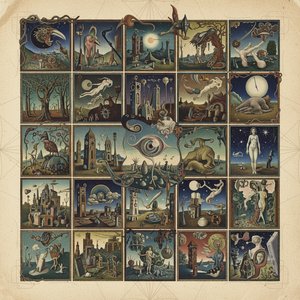
Max Ernst: 25 Mojstrovin Surrealizma za Vaš Dom | OriginalUniqueArt
Odkrijte 25 mojstrovin Maxa Ernsta – ikone surrealizma, dadaizma in abstraktne umetnosti. Preberite zgodbe za slikami, tehnike ter navdih za dekoracijo doma z reprodukcijami visoke kakovosti na OriginalUniqueArt.com.

The Enduring Power of Painting: A Historical & Contemporary Exploration of Form and Emotion
Explore the rich history & enduring techniques of oil painting with OriginalUniqueArt. Discover masterpieces, learn about art collecting, and find authentic handmade reproductions crafted by skilled artists.

The Enduring Legacy of Oil on Canvas: Technique, History & Aesthetic Impact
Explore the rich history & techniques of oil painting – from Renaissance masters to Impressionism. Discover pigments, layering methods, and why this timeless medium endures. Expert insights for artists & art enthusiasts.

The Soul of Impressionism: Why Oil on Canvas Captures Eternal Light and Timeless Emotion
Discover the enchanting alchemy of Impressionism. Explore how the mastery of oil on canvas, through glazing and impasto, captures eternal light and emotion. Perfect for lovers of Monet and Van Gogh seeking the profound depth of hand-painted fine art.