

 Predogled v realnem okolju
 Pošlji
 Deli
Deli
 Podrobnosti o delu
 Priročnik

 Prenesi sliko
 Podobni izdelki
 Rentgenski posnetek
 Predvajaj diaporama
 Q&A
Q&A Statistika
Marlene (Mother and son)
 Oil
Oil- WallArt
- Surrealism
 1940
1940- Modern
 23.0 x 19.0 cm
 Preberi več
Umetniška dela, prikazana na tej strani, so zaščitena z avtorskimi pravicami, kar pomeni, da po zakonu ne moremo ustvarjati ali prodajati identičnih reprodukcij. Ta zaščita se izvaja v skladu z mednarodnimi sporazumi, kot so Bernska konvencija in po nacionalnih zakonih, vključno s tistimi, ki jih določa Zakon o avtorskih pravicah ZDA – naslov 17.
Ta način v celoti upošteva zakonodajo o avtorskih pravicah, saj ne vključuje kopiranja ali podvajanja zaščitenga umetniškega dela. Namesto tega gre za kreativno preinterpretacijo – novo sliko, ki je navdihnjen rezultat originala, vendar ni z njim identična.
Giclée tisk / Umetniški tisk
Giclée ali platnati odtis muzejske kakovosti z hitro proizvodnjo in prilagodljivimi možnostmi končne obdelave. ( Kupite ročno slikano delo Preklop na digitalno sliko)




P118B €10

P118H €10

P118W €10

P438Z €10

P508JH €12

P508YH €12

P805H €10

P805Z €10

P919BZ €10

P919G €10

P919XJ €10

P959ZH €10

P968JZ €12

W106C €8

W218G €10

W218JH €8

W218Y €10

W307PJ €10

W316G €10

W316PJ €8

W316Y €10

W398PJ €8

W4111J €10

W500HY €15

W500JH €15

W692G €12

W849H €8

W940BG €15

W953PJ €8




Izberite eno od naših vnaprej določenih velikosti, ki ustrezajo prvotnim proporcijam umetničkega dela.

Vnesite širino in višino, ki jih potrebujete za svoj okvir ali steno. Tiskanje se lahko le odreže, vendar ga ni mogoče narediti večjega od slike, zato format z drugačno obliko pomeni izgubo dela slike. Pred tiskanjem vam pošljemo digitalni predogled za potrditev. Slika, prikazana na tej strani, ne prikazuje dejanskega izrezka — le predogled to omogoča.
Globalna dostava () v 2 tednih namesto standardnih 4/5 tednov. (29 oktober)

Brezplačna ekspresna dostava po vsem svetu

Visokokakovostno laneno platno

Popolno zavarovanje pošiljke

Garancija povračila carine in uvoznih davkov

Garancija popolnega barvnega ujemanja

100-dnevna politika vračil (le v primeru okvar)

Garancija 100% povračila denarja

Popust pri večjem naročilu
 Možnost stekla je na voljo le za velikosti pod 110 cm

Marlene (Mother and son)
Giclée tisk / Umetniški tisk
Velikost reprodukcije
-


Skupna cena
€ 71
A Surrealist Vision of Instinct and Connection
In the hauntingly beautiful 1940 masterpiece “Marlene (Mother and son),” Max Ernst invites viewers into a realm where the boundaries between the human psyche and the natural world dissolve. Created during one of the most turbulent eras in modern history, this painting transcends a simple depiction of maternity to become an arresting meditation on primal instincts and subconscious desires. The composition presents a striking, dreamlike tableau: a woman with vibrant red hair stands poised atop a large bird, her form embodying both vulnerability and a strange, mythic strength. Beside her, the presence of a child suggests a profound, almost elemental bond, weaving a narrative of protection and continuity amidst a landscape that feels plucked directly from a fever dream.
The emotional resonance of the piece is deeply tied to its historical moment. Painted at the height of the Second World War, the work reflects the profound anxieties of an era marked by destruction and the fragmentation of established values. Through his use of Surrealist imagery, Ernst captures the psychological distress of the time, using the dreamscape as a sanctuary for exploring themes of loss and resilience. For the collector or interior designer, this painting offers more than just visual intrigue; it provides a window into the human capacity to find meaning and connection even when the rational world is in chaos.
Technique and the Language of Automatism
To understand the visceral impact of “Marlene,” one must look toward Ernst’s mastery of automatism. Eschewing the rigid constraints of traditional academic painting, Ernst utilized techniques designed to bypass conscious thought and tap into the hidden depths of the mind. His process involved a meticulous yet spontaneous layering of textures, often employing methods such as dripping paint or creating complex collage-like surfaces that suggest a sense of organic growth and decay. This deliberate unevenness creates a tactile, breathing quality on the canvas, where every stroke feels like an unfiltered expression of the artist's internal landscape.
This technique allows the viewer to experience the painting as a living entity. The way the light seems to catch on the textured surfaces and the fluid, almost liquid transitions between figures and background contribute to its hypnotic effect. For those seeking to incorporate such a profound piece into a curated space, the technical complexity of the work ensures that it remains a captivating focal point, offering new layers of discovery upon every viewing.
Symbolism: The Flight of the Subconscious
The symbolic vocabulary of “Marlene (Mother and son)” is rich with archetypal meaning. Central to the work is the motif of the bird—a recurring element in Ernst’s oeuvre. In this composition, the bird serves as a literal foundation for the woman, yet metaphorically, it represents freedom, aspiration, and the soaring power of the spirit. The scattered birds throughout the scene further amplify this sense of interconnectedness between humanity and the wild, untamed forces of nature. These avian figures act as messengers from the subconscious, bridging the gap between the earthly maternal bond and the infinite sky.
The juxtaposition of the naked, vulnerable female form with the powerful, grounded presence of the bird creates a tension that is both unsettling and deeply moving. It speaks to the duality of existence: the fragility of life and the enduring strength of instinct. As an investment in fine art reproduction, this piece serves as a sophisticated conversation starter, bringing a sense of intellectual depth and mythic grandeur to any high-end interior, whether it be a private gallery, a study, or a contemporary living space.
Vprašanja in odgovori
Kakšna je svetlobnost dela "Marlene (Mother and son)" avtorja Max Ernst?
"Marlene (Mother and son)" avtorja Max Ernst ima Gentle Luminance luminanco. Luminanca opisuje, koliko svetlobe se zdi, da barve odražajo.
Kakšna je oblika in kakšne so dimenzije dela "Marlene (Mother and son)" avtorja Max Ernst?
"Marlene (Mother and son)" avtorja Max Ernst je kompozicija v formatu Portrait, ki v izvornem izmeru znaša 23 x 19 cm.
Na kakšen način je bila izdelana dela "Marlene (Mother and son)" in katere so njene dimenzije?
"Marlene (Mother and son)" je izdelano z uporabo tehnike Oil in v svoji prvotni obliki meri 23 x 19 cm.
Biografija umetnika
Življenje, prežeto po svetu sanj: Max Ernst
Max Ernst, rojen Maximilian Maria Ernst 1. aprila 1891 v Brühlu na Nemčiji, je bil nemiren duh, ki je usodno postal ena najpomembnejših osebnosti umetnosti 20. stoletja. Njegova pot ni bila običajna pot umetniškega učenja; temveč samostojno raziskovanje, podžigano s filozofskim iskanjem, psihološko fascinacijo in globoko razočaranjem nad družbenimi normami. Ernstov oče, učitelj za gluhe in amaterski slikar, je v njega vnesel občutljivost do sveta in uporniško naravo proti ustaljeni oblasti. Ta zgodnja dualnost je postala definiran značaj njegovega umetniškega vidika.
Ernstove akademske ambicije na Univerzi v Bonnu – obsečajoče filozofijo, zgodovino umetnosti, književnost, psihologijo in psihiatrijo – niso bile le odkloni, temveč temeljne sestavine, ki so globoko oblikovale njegovo kasnejše delo. Ni se zanimal samo za to, *kako* slikati; razmišljal je o *zakaj*. Ta intelektualna radovednost ga je pripeljala do revolucionarnih del Picassa, Van Gogha in Gauguina na razstavi Sonderbund v Kölnu leta 1912, trenutka, ki je za vedno spremenil njegovo umetniško pot. Semena modernizma so bila zasajena.
Dadaizem in rojstvo surrealističnih vizij
Katastrofa prve svetovne vojne se je izkazala za prelomnico. Njegove izkušnje kot vojaka na vzhodnem in zahodnem fronti so ga globoko pretresle, gojile pa so skeptičnost do uveljavljenega reda in željo po novih načinih izraza. To razočaranje je našlo plodovito okolje v nastajajoči Dadaistični skupini, ki jo je z veseljem sprejel po vrnitvi v Köln leta 1918. Skupaj s Hansom Arpom – prijateljem za vse življenje in sodelavcem – je Ernst postal osrednja figura v kölnski Dadaistični skupini, zavračajoč tradicionalne umetniške konvencije in sprejemanje absurda, naključja in ne-racionalnosti.
Vendar je bil Dadaizem le začetek. V zgodnjih 1920ih se je Ernst preselil v Pariz in se pridružil Surrealistom, ki jih je vodil André Breton. To je pomenilo prehod k raziskovanju sveta sanj, podzavesti in iracionalnega. Pod vplivom psihoanalitičnih teorij Sigmunda Freuda si je Ernst prizadeval odpreti skrite globine človeške izkušnje s svojo umetnostjo. Ni želel prikazati resničnosti takšne, kot se zdi, temveč razkriti podrobnejše psihološke sile, ki so jo oblikovale.
Pionirske tehnike: Frottage, Grattage in kolaž
Ernstova umetniška inovacija je segala onkraj tematike; bil je neusmiljen raziskovalec tehnik. Ni se zgolj držal obstoječih metod – izumljal jih je. Morda njegov najbolj znan prispevek je frottage, proces drgnjenja svinčnika ali oglja po teksturnih površinah za ustvarjanje nepričakovanih in izraznih slik. Ta tehnika, rojena iz trenutka dolgčasa med opazovanjem vzorca lesa, mu je omogočila dostop do podzavesti in generiranje oblik, ki so se upirale zavestni kontroli. Tesno povezana je bila tudi grattage, kjer se barva drgne po platnu, pri čemer razkrije spodnje plasti.
Uporabljal je tudi kolaž, sestavljal različne elemente – slike iz revij, znanstvenih ilustracij, fotografije – v surrealistične kompozicije, ki so izzivale tradicionalna stališča o reprezentaciji. Te tehnike niso bile le stilne izbire; bile so celovite za njegovo raziskovanje podzavesti in željo po motnjah umetniških meja. Njegove slike pogosto vsebujejo ponavljajočo se simbolično sliko: ptice (še posebej njegov alter ego Loplop), samotne pokrajine, moteče združitve in prisotnost skrivnosti.
Zapuščina inovacije in vpliva
Izbruh druge svetovne vojne je Ernsta prisilil k pobegu iz Evrope, kjer je našel zatočišče v Združenih državah Amerike. Nadaljeval je s slikanjem in eksperimentiranjem z novimi tehnikami med svojim izgnanstvom, nato pa se po vojni vrnil v Francijo, kjer je ostal aktiven do svoje smrti 1. aprila 1976 v Parizu. Njegov vpliv na prihodnje generacije umetnikov je neizmeren.
Ernstovi prispevki k Dadaizmu in Surrealizmu niso bili nič manj kot revolucionarni. Izazival je umetniške norme, se poglabljal v globine podzavesti in izumljal inovativne tehnike, ki še danes navdihujejo umetnike. Ni bil le slikar; bil je raziskovalec, provokator in vizionar, ki je razširil meje umetnosti same. Njegovo delo ostaja priča moči domišljije, privlačnosti iracionalnega in trajnega iskanja razumevanja kompleksnosti človeške duše.
- Glavna dela: The Entire City, Euclides, Of This Men Shall Know Nothing, Forest and Dove
- Vplivi: Pablo Picasso, Vincent van Gogh, Paul Gauguin, Sigmund Freud, Giorgio de Chirico
- Smeri: Dadaizem, Surrealizem
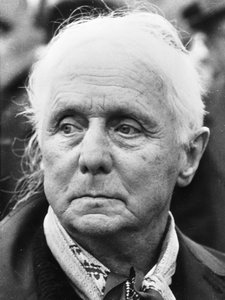
Max Ernst
1891 - 1976 , Nemčija
Hitri podatki
- Datum Rojstva: 1. april 1891
- Datum Smrti: 1. april 1976
- Kraj Rojstva: Brühl, Nemčija
- Nacionalnost: Nemško-ameriški, Francoski
- Pod Vplivom:
- Suraelizem
- Dadaizem
- Polno Ime: Max Ernst
- Umetniški Slog: Dadaizem, Suraelizem
- Vplivneži:
- Pablo Picasso
- Vincent van Gogh
- Paul Gauguin
- Sigmund Freud
- Giorgio de Chirico
- Znani Dela:
- Celotno mesto
- Euclides
- Of This Men...
- Gozd in golob
Sorodni članki
Dreamscapes & Disrupted Realities: Exploring Surrealism's Enduring Influence
Explore the fascinating world of Surrealism! Discover its origins, key artists like Dalí & Magritte, and enduring influence on art & culture. Expert insights & high-quality reproductions at OriginalUniqueArt.

Max Ernst: 25 Mojstrovin Surrealizma za Vaš Dom | OriginalUniqueArt
Odkrijte 25 mojstrovin Maxa Ernsta – ikone surrealizma, dadaizma in abstraktne umetnosti. Preberite zgodbe za slikami, tehnike ter navdih za dekoracijo doma z reprodukcijami visoke kakovosti na OriginalUniqueArt.com.
Feathered Visions: A Historical & Artistic Exploration of Birds in Painting
Explore the rich history of birds in painting! Discover symbolism, artistic movements & master artists like Audubon. High-quality reproductions available at OriginalUniqueArt.
Surrealizem: 10 mojstrovin, ki so definirale umetnostno gibanje
Odkrijte 10 mojstrovin, ki so definirale surrealizem! Dalí, Magritte & več – potopite se v svet fantazije in podzavesti. Izveste zgodbe za vsako sliko in najdite navdih za svoj dom. Raziskujte polno zbirko na OriginalUniqueArt.com!
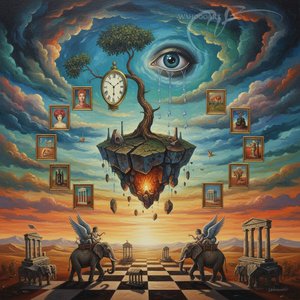
10 Surrealističnih Mojstrovin: Odkrijte Um in Ustvarjalnost
Odkrijte 10 mojstrovin, ki so definirale surrealizem! Dalí, Magritte & več - potopite se v svet podzavesti in sanj. Izvedite zgodbe za vsako sliko in najdite navdih za svoj dom. Raziskujte polno zbirko na OriginalUniqueArt.com!


