Meni
Text size

() ·

A painting made for you, by hand

Le Petite Tortue

Ročno izdelana oljna reprodukcija

Ročno slikano olje na platnu v vaši izbiri velikosti in okvirja, izdelano po naročilu naših umetnikov. ( Preklop na tiskanine Preklop na digitalno sliko)

Opis zbirateljskega predmeta

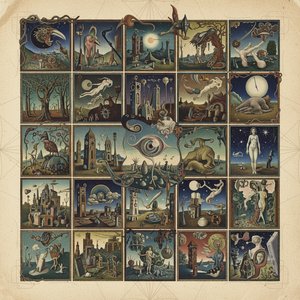
Discover "Le Petite Tortue" by Max Ernst – a striking abstract marble sculpture embodying minimalist design & surrealist themes. Explore this unique piece's geometric forms & polished sheen.

Biografija umetnika

Raziščite svet Maxa Ernsta (1891-1976), pionirja dadaizma in surrealizma! Odkrijte njegove inovativne tehnike frottage, kolaže ter sanjave slike s ptiči, krajinami in psihološkimi temami. Ključna figura umetnosti 20. stoletja!

from ·

Chapter 1

How large should it be?

Slide to change the size; the picture on the left shows the frame at its real width. The proportions of the original are kept.

Standardna velikost
po meri
CM
INCH

Izberite eno od naših vnaprej določenih velikosti, ki ustrezajo prvotnim proporcijam umetničkega dela.

širina
višina

Vnesite širino in višino, ki jih potrebujete, da se slika prilega vašemu okviru ali steni. Ker je delo ročno slikano, lahko umetnik pri različnih oblikih slik pri robovih doda malo več barve ali pa jih malo odreže — izberite sami. Pred začetkom slikanja vam pošljemo digitalni predogled za potrditev. Slika, prikazana na tej strani, ni končni rezultat — le predogled prikazuje dejansko podobo.

Chapter 2

How should it arrive?

Choose the edges of the stretched canvas

Choose your frame

Corner sample of the WhiteWrap canvas edge finish, stretched on masivno drevo bars
White €1
Corner sample of the BlurSideWrap canvas edge finish, stretched on masivno drevo bars
Blurside €1
Corner sample of the ExtendedWrap canvas edge finish, stretched on masivno drevo bars
Extended €1
Corner sample of the P118B picture frame: izoblit polistiren, 5 cm wide and 3 cm thick
P118B €10
Corner sample of the P118H picture frame: izoblit polistiren, 5 cm wide and 3 cm thick
P118H €10
Corner sample of the P118W picture frame: izoblit polistiren, 5 cm wide and 3 cm thick
P118W €10
Corner sample of the P438Z picture frame: izoblit polistiren, 5.5 cm wide and 3.5 cm thick
P438Z €10
Corner sample of the P508JH picture frame: izoblit polistiren, 7 cm wide and 3.5 cm thick
P508JH €12
Corner sample of the P508YH picture frame: izoblit polistiren, 7 cm wide and 3.5 cm thick
P508YH €12
Corner sample of the P805H picture frame: izoblit polistiren, 5 cm wide and 3.5 cm thick
P805H €10
Corner sample of the P805Z picture frame: izoblit polistiren, 5 cm wide and 3.5 cm thick
P805Z €10
Corner sample of the P919BZ picture frame: izoblit polistiren, 7 cm wide and 3.5 cm thick
P919BZ €10
Corner sample of the P919G picture frame: izoblit polistiren, 7 cm wide and 3.5 cm thick
P919G €10
Corner sample of the P919XJ picture frame: izoblit polistiren, 7 cm wide and 3.5 cm thick
P919XJ €10
Corner sample of the P959ZH picture frame: izoblit polistiren, 5 cm wide and 3 cm thick
P959ZH €10
Corner sample of the P968JZ picture frame: izoblit polistiren, 6 cm wide and 4 cm thick
P968JZ €12
Corner sample of the W106C picture frame: masivno drevo, 5 cm wide and 3 cm thick
W106C €8
Corner sample of the W218G picture frame: masivno drevo, 5 cm wide and 3 cm thick
W218G €10
Corner sample of the W218JH picture frame: masivno drevo, 5 cm wide and 3 cm thick
W218JH €8
Corner sample of the W218Y picture frame: masivno drevo, 5 cm wide and 3 cm thick
W218Y €10
Corner sample of the W307PJ picture frame: masivno drevo, 6 cm wide and 3 cm thick
W307PJ €10
Corner sample of the W316G picture frame: masivno drevo, 6 cm wide and 3 cm thick
W316G €10
Corner sample of the W316PJ picture frame: masivno drevo, 6 cm wide and 3 cm thick
W316PJ €8
Corner sample of the W316Y picture frame: masivno drevo, 6 cm wide and 3 cm thick
W316Y €10
Corner sample of the W398PJ picture frame: masivno drevo, 5 cm wide and 3 cm thick
W398PJ €8
Corner sample of the W4111J picture frame: masivno drevo, 6.5 cm wide and 3.5 cm thick
W4111J €10
Corner sample of the W500HY picture frame: masivno drevo, 7 cm wide and 5 cm thick
W500HY €15
Corner sample of the W500JH picture frame: masivno drevo, 7 cm wide and 5 cm thick
W500JH €15
Corner sample of the W692G picture frame: masivno drevo, 8 cm wide and 4 cm thick
W692G €12
Corner sample of the W849H picture frame: masivno drevo, 5 cm wide and 3 cm thick
W849H €8
Corner sample of the W940BG picture frame: masivno drevo, 7.5 cm wide and 4.5 cm thick
W940BG €15
Corner sample of the W953PJ picture frame: masivno drevo, 6 cm wide and 3.5 cm thick
W953PJ €8
Corner sample of the H24-GOLD picture frame: gravirano leseno okvopje z gessoem, 10 cm wide and 6 cm thick
H24-GOLD €30
Corner sample of the H24-SILVER picture frame: gravirano leseno okvopje z gessoem, 10 cm wide and 6 cm thick
H24-SILVER €30
Corner sample of the H36-GOLD picture frame: gravirano leseno okvopje z gessoem, 15 cm wide and 6.5 cm thick
H36-GOLD €45
Corner sample of the H36-SILVER picture frame: gravirano leseno okvopje z gessoem, 15 cm wide and 6.5 cm thick
H36-SILVER €45
Predogled okvirja
V okviru

Moulding: . Overall size with the frame: .

Chapter 3

Who paints it, and should anything change?

Examples of what can be changed: Replace face with customer photo; Add pet (e.g., replace cat with dog); Include hidden message in background; Change background landscape or elements.
After order, OriginalUniqueArt.com team will email client for instructions and provide a mockup preview

Mednarodna dostava () v 3/4 tednih namesto običajnih 5 tednov. (30 oktober). Brez kompromisov pri kakovosti.

Chapter 4

The finishing touches

A nameplate, as in a museum?

Podrobnosti o gravirani bronasti plošči

This elegant plaque features the artist's name and the title of the artwork, finely engraved for a timeless presentation.

It is made from bronze with a refined, elegant finish. The text is precisely laser-engraved for a sharp and permanent result. Measuring 9x2 cm, the plaque is compact yet easy to read. It's built to be durable and scratch-resistant, offering a professional, museum-quality look. Mounting is simple thanks to the included adhesive backing.

Podrobnosti o transparentni akrilni plošči

The plaque includes essential engraved details such as the artist's name, the title of the artwork, the date it was created, the type of media used-like oil on canvas or watercolor-a brief description of the piece, and a QR code that links to the complete artwork information.

It is crafted from clear acrylic, offering a sleek, modern appearance. The text is UV-engraved in black to ensure strong visual contrast. With a size of 10x15 cm, it ensures optimal readability. It comes equipped with two metal hooks for secure wall mounting. The plaque is designed to be weather-resistant, making it suitable for various environments, and it includes interactive features that work seamlessly with smartphone scanning.

Podrobnosti o črni akrilni plošči

This elegant plaque includes engraved information such as the artist's name, the title of the artwork, the date it was created, the type of media used (like oil on canvas or watercolor), a short description of the artwork, and a QR code for quick access to more information.

The plaque itself is made from refined black acrylic with a premium finish. The text is laser-engraved in white for high contrast and readability. Its size is 10x15 cm, designed to be easy to read. It comes with two metal hooks for professional mounting. The design is sleek and fits any interior style. It is also weather-resistant and durable, with built-in digital integration for mobile compatibility.

A protective varnish?

When do you need it?

Chapter 5

Your painting, as you ordered it

Le Petite Tortue

Tehnik reprodukcije

Velikost reprodukcije

-

Izbor vrhunskih umetnikov

Več podrobnosti, dovršenosti in dodatnega časa za izdelavo

-

Okvir za reprodukcijo

-

-

Za umetniška dela ali reprodukcije, ki so po katerikoli strani širše od 105 cm (približno 41 palč), bo okvir poslan v razstavljeni obliki kot komplet. Ta metoda zagotavlja varno dostavo in preprečuje poškodbe med transportom.

Potrebna je profesionalna montaža – to ni izdelek za DIY izdelavo.
Komplet mora sestaviti in platno napeti izkušen profesionalni okvirjest, pri čemer bo uporabil lepil za les (ni vključeno), klešče za napetje platna in spone, da bi ohranil pravokotnost letev med sušenjem lepila. Nepravilna montaža ali neenakomerna napetost platna lahko trajno poškoduje umetniško del in ni pokrita z našo garancijo.

  • Vključene so vse letve iz masivnega lesa, natančno izrezane po meri.

  • Montaža poteka s priloženimi vijaki, vendar je za kotiče potrebna lepil za les, ki ga ni v kompletu in ga mora zagotoviti vaš okvirnik.

  • Za uporabo so potrebna profesionalna orodja, ki niso vključena: klešče za napinjanje platna (napetnik) in sponke za ohranjanje pravokotnosti letev med sušenjem lepila.

Pomembno:
Za stike v kotih potrebujete lepil za les, nosilce je treba z spenjačami držati, dokler se lepil popolnoma ne suši, za zategovanje platna na sestavljenem okvirju pa potrebujete spenjače za platno. Noben od teh pripomočkov ni vključen v komplet. Pred naročilom te velikosti, prosimo, poskrbite za izkušenega profesionalnega okvirja.

Značka z imenom

-

-

Zaščitni lak

Sijajni lak (poudarja barve ter zagotavlja zaščito pred svetlobo in vlago)

-

Prilagodi svoje umetniško delo

Primeri možnih prilagoditev: zamenjava obraza s fotografijo kupca; dodajanje hišnega ljubljenčka (npr. zamenjava mačke s psom); vključitev skritega sporočila v ozadje; sprememba krajšave ali elementov ozadja.

-

Hitra dostava

Mednarodna dostava () v 3/4 tednih namesto običajnih 5 tednov. (30 oktober). Brez kompromisov pri kakovosti.

-

Hitra dostava

Globalna dostava () v 5 tednih. (6 november).

Vključeno v ceno

Skupna cena

€ 266

Skupna cena € 266

Možnost stekla je na voljo le za velikosti pod 110 cm

Included with every order

  • Brezplačna ekspresna dostava po vsem svetu
  • Visokokakovostno laneno platno
  • Popolno zavarovanje pošiljke
  • Garancija povračila carine in uvoznih davkov
  • Garancija popolnega barvnega ujemanja
  • 100-dnevna politika vračil (le v primeru okvar)
  • Garancija 100% povračila denarja
  • Popust pri večjem naročilu

The Sculptural Essence of Le Petite Tortue

Max Ernst’s Le Petite Tortue, a deceptively simple yet profoundly evocative marble sculpture, stands as a testament to the artist's mastery of geometric abstraction and his deep engagement with surrealist principles. Completed in 1967, this work transcends mere form, inviting contemplation on balance, stability, and the subtle interplay between order and chaos. The piece isn’t about representation; it’s an exploration of spatial relationships, light, and shadow—a carefully constructed meditation rendered in the cool, enduring beauty of polished black marble.

The sculpture's core is a vertically oriented composition built upon three interconnected forms. A substantial base, meticulously carved, provides support for a smaller, inverted bowl-like structure. This, in turn, cradles an even more delicate, pointed element that culminates at the apex. The surfaces are treated to a high sheen, reflecting light with an almost disconcerting intensity – highlights dance across the planes of each component, emphasizing their sharp edges and creating a dynamic interplay between form and illumination. The deliberate use of negative space is as crucial as the solid mass; it’s within these voids that the sculpture truly breathes, suggesting an underlying tension and inviting the viewer to complete the image with their own perception.

A Legacy Forged in Experimentation

Max Ernst was a restless spirit, a pioneer who relentlessly challenged artistic conventions throughout his career. Born in Brühl, Germany, in 1891, he rejected formal training, instead forging his path through philosophical inquiry and a deep fascination with the subconscious. His early work, heavily influenced by Dadaism and Expressionism, quickly evolved into a distinctive style characterized by collage, frottage (a technique of rubbing pencil over textured surfaces), and a willingness to embrace the unexpected. Ernst’s intellectual pursuits—ranging from psychology and psychiatry to literature and art history—fueled his artistic experimentation, leading him to develop groundbreaking methods for manipulating materials and creating images that seemed to emerge from dreams.

The period surrounding Le Petite Tortue saw Ernst increasingly focused on minimalist forms and geometric abstraction. This shift reflects a broader trend in mid-century design, emphasizing clarity, simplicity, and the inherent beauty of form. However, Ernst’s work retains a distinctly surrealist sensibility—a subtle suggestion of the uncanny, a hint of hidden meaning beneath the surface. The sculpture's stark geometry and polished surfaces evoke a sense of detachment, while its carefully balanced composition hints at an underlying harmony.

Symbolism and Emotional Resonance

While Le Petite Tortue eschews overt representation, it’s rich in symbolic potential. The tortoise itself is a potent image—a symbol of longevity, wisdom, and perseverance. Its inclusion here suggests a contemplation on the passage of time, perhaps even an invitation to slow down and appreciate the present moment. The geometric forms – circles, cones, and planes – represent order and structure, while the negative space creates a sense of openness and possibility. The polished marble, with its reflective surface, could be interpreted as mirroring the viewer’s own perception—a reminder that art is not simply observed but actively engaged with.

Furthermore, the sculpture's minimalist aesthetic aligns with a broader cultural shift towards simplicity and restraint in the mid-20th century. It speaks to a desire for clarity and reduction, stripping away extraneous details to reveal the essential form. Yet, despite its apparent austerity, Le Petite Tortue possesses a remarkable emotional resonance—a quiet dignity and an enduring sense of beauty that transcends its purely formal qualities.

A Reproduction Worthy of Display

OriginalUniqueArt offers meticulously hand-painted reproductions of Max Ernst’s Le Petite Tortue, capturing the sculpture's essence with unparalleled detail and fidelity. Each reproduction is created by skilled artisans who understand the nuances of Ernst’s technique and his artistic vision. Whether you seek a striking centerpiece for your modern living room or a contemplative addition to your art collection, our reproductions provide an authentic and accessible way to experience this iconic work of art. Explore our selection today and bring the timeless beauty of Le Petite Tortue into your space.

Vprašanja in odgovori

V katero obdobje umetnostnega razvoja Max Ernst pripada delo "Le Petite Tortue"?

"Le Petite Tortue" predstavlja Mature Period umetnika Max Ernst.

Ali je "Le Petite Tortue" avtorja Max Ernst svetlo ali temno umetniško delo?

Zabeležene vrednosti za "Le Petite Tortue" avtorja Max Ernst so: svetlina balanced, luminanca Gentle Luminance.

Katera barva prevladuje v kompoziciji dela "Le Petite Tortue" avtorja Max Ernst?

Prevladujoča barva dela "Le Petite Tortue" avtorja Max Ernst je Espresso (#525253).

More about this painting

Preklop na tiskanine Preklop na digitalno sliko Pošlji
Podrobnosti o delu Priročnik Dodaj v priljubljene Prenesi sliko Podobni izdelki Predvajaj diaporama Q&A Statistika

In numbers

  • 29frames to choose from
  • standard sizes, in its own proportions
  • 5weeks to paint and deliver it

About the original

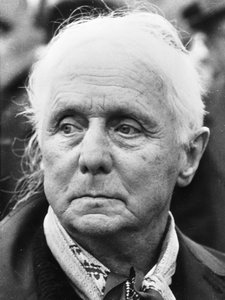
Max Ernst

Max Ernst

1891 - 1976, Nemčija

Quick facts about Max Ernst

  • Datum Rojstva: 1. april 1891
  • Datum Smrti: 1. april 1976
  • Kraj Rojstva: Brühl, Nemčija
  • Nacionalnost: Nemško-ameriški, Francoski
  • Pod Vplivom:
    • Suraelizem
    • Dadaizem
  • Polno Ime: Max Ernst
  • Umetniški Slog: Dadaizem, Suraelizem
  • Vplivneži:
    • Pablo Picasso
    • Vincent van Gogh
    • Paul Gauguin
    • Sigmund Freud
    • Giorgio de Chirico
  • Znani Dela:
    • Celotno mesto
    • Euclides
    • Of This Men...
    • Gozd in golob

Biografija umetnika

Življenje, prežeto po svetu sanj: Max Ernst

Max Ernst, rojen Maximilian Maria Ernst 1. aprila 1891 v Brühlu na Nemčiji, je bil nemiren duh, ki je usodno postal ena najpomembnejših osebnosti umetnosti 20. stoletja. Njegova pot ni bila običajna pot umetniškega učenja; temveč samostojno raziskovanje, podžigano s filozofskim iskanjem, psihološko fascinacijo in globoko razočaranjem nad družbenimi normami. Ernstov oče, učitelj za gluhe in amaterski slikar, je v njega vnesel občutljivost do sveta in uporniško naravo proti ustaljeni oblasti. Ta zgodnja dualnost je postala definiran značaj njegovega umetniškega vidika.

Ernstove akademske ambicije na Univerzi v Bonnu – obsečajoče filozofijo, zgodovino umetnosti, književnost, psihologijo in psihiatrijo – niso bile le odkloni, temveč temeljne sestavine, ki so globoko oblikovale njegovo kasnejše delo. Ni se zanimal samo za to, *kako* slikati; razmišljal je o *zakaj*. Ta intelektualna radovednost ga je pripeljala do revolucionarnih del Picassa, Van Gogha in Gauguina na razstavi Sonderbund v Kölnu leta 1912, trenutka, ki je za vedno spremenil njegovo umetniško pot. Semena modernizma so bila zasajena.

Dadaizem in rojstvo surrealističnih vizij

Katastrofa prve svetovne vojne se je izkazala za prelomnico. Njegove izkušnje kot vojaka na vzhodnem in zahodnem fronti so ga globoko pretresle, gojile pa so skeptičnost do uveljavljenega reda in željo po novih načinih izraza. To razočaranje je našlo plodovito okolje v nastajajoči Dadaistični skupini, ki jo je z veseljem sprejel po vrnitvi v Köln leta 1918. Skupaj s Hansom Arpom – prijateljem za vse življenje in sodelavcem – je Ernst postal osrednja figura v kölnski Dadaistični skupini, zavračajoč tradicionalne umetniške konvencije in sprejemanje absurda, naključja in ne-racionalnosti.

Vendar je bil Dadaizem le začetek. V zgodnjih 1920ih se je Ernst preselil v Pariz in se pridružil Surrealistom, ki jih je vodil André Breton. To je pomenilo prehod k raziskovanju sveta sanj, podzavesti in iracionalnega. Pod vplivom psihoanalitičnih teorij Sigmunda Freuda si je Ernst prizadeval odpreti skrite globine človeške izkušnje s svojo umetnostjo. Ni želel prikazati resničnosti takšne, kot se zdi, temveč razkriti podrobnejše psihološke sile, ki so jo oblikovale.

Pionirske tehnike: Frottage, Grattage in kolaž

Ernstova umetniška inovacija je segala onkraj tematike; bil je neusmiljen raziskovalec tehnik. Ni se zgolj držal obstoječih metod – izumljal jih je. Morda njegov najbolj znan prispevek je frottage, proces drgnjenja svinčnika ali oglja po teksturnih površinah za ustvarjanje nepričakovanih in izraznih slik. Ta tehnika, rojena iz trenutka dolgčasa med opazovanjem vzorca lesa, mu je omogočila dostop do podzavesti in generiranje oblik, ki so se upirale zavestni kontroli. Tesno povezana je bila tudi grattage, kjer se barva drgne po platnu, pri čemer razkrije spodnje plasti.

Uporabljal je tudi kolaž, sestavljal različne elemente – slike iz revij, znanstvenih ilustracij, fotografije – v surrealistične kompozicije, ki so izzivale tradicionalna stališča o reprezentaciji. Te tehnike niso bile le stilne izbire; bile so celovite za njegovo raziskovanje podzavesti in željo po motnjah umetniških meja. Njegove slike pogosto vsebujejo ponavljajočo se simbolično sliko: ptice (še posebej njegov alter ego Loplop), samotne pokrajine, moteče združitve in prisotnost skrivnosti.

Zapuščina inovacije in vpliva

Izbruh druge svetovne vojne je Ernsta prisilil k pobegu iz Evrope, kjer je našel zatočišče v Združenih državah Amerike. Nadaljeval je s slikanjem in eksperimentiranjem z novimi tehnikami med svojim izgnanstvom, nato pa se po vojni vrnil v Francijo, kjer je ostal aktiven do svoje smrti 1. aprila 1976 v Parizu. Njegov vpliv na prihodnje generacije umetnikov je neizmeren.

Ernstovi prispevki k Dadaizmu in Surrealizmu niso bili nič manj kot revolucionarni. Izazival je umetniške norme, se poglabljal v globine podzavesti in izumljal inovativne tehnike, ki še danes navdihujejo umetnike. Ni bil le slikar; bil je raziskovalec, provokator in vizionar, ki je razširil meje umetnosti same. Njegovo delo ostaja priča moči domišljije, privlačnosti iracionalnega in trajnega iskanja razumevanja kompleksnosti človeške duše.

  • Glavna dela: The Entire City, Euclides, Of This Men Shall Know Nothing, Forest and Dove
  • Vplivi: Pablo Picasso, Vincent van Gogh, Paul Gauguin, Sigmund Freud, Giorgio de Chirico
  • Smeri: Dadaizem, Surrealizem

Ključni podatki

  • Location: Private Collection
  • Notable elements: Geometric forms, Polished sheen
  • Movement: Surrealism, Dada
  • Artistic style: Minimalist, Abstract
  • Artist: Max Ernst

Umetniški kviz

Pri vsakem vprašanju je na voljo le eden pravilen odgovor.

Vprašanje 1:
What is the primary material used in Max Ernst’s ‘Le Petite Tortue’?
Vprašanje 2:
Which artistic movement is most closely associated with Max Ernst's ‘Le Petite Tortue’?
Vprašanje 3:
The sculpture utilizes a subtractive carving technique. What does this primarily refer to?
Vprašanje 4:
What is the dominant lighting effect in the image, contributing to the sculpture's three-dimensional appearance?
Vprašanje 5:
Considering Max Ernst’s broader artistic practice, what is a recurring motif often found in his work?