
 Predogled v realnem okolju
 Pošlji
 Deli
Deli
 Podrobnosti o delu
 Priročnik

 Prenesi sliko
 Podobni izdelki
 Rentgenski posnetek
 Predvajaj diaporama
 Vprašanja in odgovori
 Statistika
The Resurrection


 Preberi več
Giclée tisk / Umetniški tisk
Giclée ali platnati odtis muzejske kakovosti z hitro proizvodnjo in prilagodljivimi možnostmi končne obdelave. ( Kupite ročno slikano delo Preklop na digitalno sliko)




P118B €10

P118H €10

P118W €10

P438Z €10

P508JH €12

P508YH €12

P805H €10

P805Z €10

P919BZ €10

P919G €10

P919XJ €10

P959ZH €10

P968JZ €12

W106C €8

W218G €10

W218JH €8

W218Y €10

W307PJ €10

W316G €10

W316PJ €8

W316Y €10

W398PJ €8

W4111J €10

W500HY €15

W500JH €15

W692G €12

W849H €8

W940BG €15

W953PJ €8




Izberite eno od naših vnaprej določenih velikosti, ki ustrezajo prvotnim proporcijam umetničkega dela.

Vnesite širino in višino, ki jih potrebujete za svoj okvir ali steno. Tiskanje se lahko le odreže, vendar ga ni mogoče narediti večjega od slike, zato format z drugačno obliko pomeni izgubo dela slike. Pred tiskanjem vam pošljemo digitalni predogled za potrditev. Slika, prikazana na tej strani, ne prikazuje dejanskega izrezka — le predogled to omogoča.
Globalna dostava () v 2 tednih namesto standardnih 4/5 tednov. (4 november)

Brezplačna ekspresna dostava po vsem svetu

Visokokakovostno laneno platno

Popolno zavarovanje pošiljke

Garancija povračila carine in uvoznih davkov

Garancija popolnega barvnega ujemanja

100-dnevna politika vračil (le v primeru okvar)

Garancija 100% povračila denarja

Popust pri večjem naročilu
 Možnost stekla je na voljo le za velikosti pod 110 cm

The Resurrection
Giclée tisk / Umetniški tisk
Velikost reprodukcije
-


Skupna cena
€ 72
A Vision of Ascent: Matthias Grünewald’s “The Resurrection”
Matthias Grünewald's "The Resurrection," painted around 1515, isn’t merely a depiction of a biblical event; it’s a visceral experience. This monumental panel, now housed in the Unterlinden Museum in Colmar, France, transcends simple narrative to become a profound meditation on faith, sacrifice, and the triumph over darkness. It's a work that immediately commands attention, not through polished realism, but through an intensely emotional and dramatically charged atmosphere – a hallmark of Grünewald’s unique Northern Renaissance style.
The painting unfolds as a carefully orchestrated drama. At its heart stands Christ, not in serene repose, but powerfully ascending into the heavens. His body, ravaged by the wounds of the crucifixion, is rendered with an almost agonizing detail – the flayed skin, the exposed nails, the blue-tinged lips conveying both suffering and divine presence. This isn’t idealized beauty; it's a raw, unflinching portrayal of human agony transformed into spiritual victory. Below him lies a chaotic tableau of fallen Roman soldiers, their armor scattered, weapons abandoned, symbolizing the defeat of earthly power by the resurrected Christ.
The Language of Light and Shadow: Technique and Style
Grünewald’s mastery lies in his manipulation of light and shadow – a technique known as *chiaroscuro*. The scene is dominated by deep, almost impenetrable blacks that contrast sharply with the radiant glow emanating from Christ himself. This dramatic lighting isn't just aesthetic; it serves to elevate Christ to a divine level, casting him as the source of all illumination and hope. The artist employs impasto – thick layers of paint applied directly to the panel – creating a tactile surface that adds depth and physicality to the figures and architectural elements. The brushstrokes are visible, lending a sense of immediacy and energy to the composition.
Notice also the deliberate flattening of perspective. Grünewald prioritizes emotional impact over strict realism, drawing the viewer’s eye upwards towards Christ's ascent through strong diagonals and a tightly structured composition. This compositional choice reinforces the painting’s central theme: the movement from earthly suffering to heavenly glory.
Symbolism and Context: A Hospital Altarpiece
“The Resurrection” wasn’t created for a grand cathedral, but for the hospital of St. Anthony in Issenheim, a monastery dedicated to caring for plague victims. The monks there were particularly skilled at treating ergotism, a debilitating disease characterized by gangrene and convulsions. The imagery within the painting – Christ's wounds mirroring the symptoms of the afflicted – was intended to offer comfort and reassurance to those suffering from this horrific illness. It’s a poignant example of art serving as a source of spiritual healing.
Furthermore, the inclusion of figures like Saint Sebastian (pierced by arrows) and John the Baptist (pointing towards Christ) adds layers of symbolic meaning. Sebastian represents martyrdom and sacrifice, while John foreshadows the coming of the Messiah. The lamb, held by John, is a potent symbol of Christ as the sacrificial Lamb of God.
A Legacy of Dramatic Intensity
“The Resurrection” remains one of Grünewald’s most powerful and enduring works. Its raw emotion, dramatic composition, and profound symbolism continue to resonate with viewers centuries later. It's a testament to the artist’s ability to capture not just the events of the biblical narrative, but also the complex emotions associated with faith, suffering, and redemption. Reproductions of this masterpiece offer a remarkable opportunity to experience Grünewald’s visionary style in your own space – a window into a world of intense spirituality and artistic brilliance.
Vprašanja in odgovori
Kdaj in z kak 싶šnimi materiali je bila izdelana skladba "The Resurrection"?
Tehnika dela "The Resurrection" avtorja Matjaž Grünewald je Oil On Panel, del pa je datiran v 1515.
Kako lahko dobim digitalno datoteko dela "The Resurrection" avtorja Matjaž Grünewald?
Digitalno sliko dela "The Resurrection" avtorja Matjaž Grünewald lahko kupite na njegovi strani Visokoresolucijska digitalna slika: prenos digitalne slike visoke ločljivosti.
Ali so barve dela "The Resurrection" močne ali nežne?
"The Resurrection" avtorja Matjaž Grünewald prikazuje Balanced intenzivnost barv.
Biografija umetnika
Matthias Grünewald: Življenje in Zapuščina
Matthias Grünewald, rojen Mathis Gothart Neithardt okoli leta 1470-1475 v Würzburgu, Nemčija, je bil izjemna osebnost nemške renesanse. Kljub temu da je živel v obdobju vse večjega vpliva italijanske renesanse, je ostal globoko zasidran v umetniških tradicijah poznega srednjevečnega osrednjega dela Evrope. Podrobnosti o njegovem zgodnjem življenju so skromne, vendar vemo, da se je usposabljal za slikarja, verjetno v lokalnih delavnicah.
Umetniški Razvoj in Vplivi
Grünewaldov umetniški razvoj je oblikovala prevladujoča severnoevropska tradicija realizma, čustvene intenzivnosti in podrobnega opazovanja. Njegovo delo kaže vplive umetnikov kot sta Albrecht Dürer in Martin Schongauer, a si je utrl edinstveno pot, za katero so bili značilni dramatičen izraz in živa barva. Ni bil neposredno povezan s humanističnimi krogi, ki so prevladovali v Italiji; namesto tega je njegova umetnost predvsem služila verskim namenom in odražala duhovne skrbi njegovega časa. Njegova zgodnja dela kažejo močan vpliv gotske tradicije, zlasti v upodabljanju podrobnosti in bogatih barvnih palet.
Pomembna Dela in Umetniški Stil
Grünewald je ustvaril številne pomembne stvaritve, med katerimi izstopa Isenheimski oltar (1512-1516). To mojstrino, ki jo hranijo v Musée d'Unterlinden v Colmarju, velja za njegovo najpomembnejše delo. Oltar prikazuje prizore iz Kristusovega življenja z pretresljivo realističnostjo, s posebnim poudarkom na trpljenju in odrešitvi. Njegova Križanje (okoli 1502-1503) je zgodnje delo, ki kaže njegov razvijajoči se stil, z intenzivnimi čustvi in anatomsko natančnostjo. Pomembna pa sta tudi študija za Isenheimski oltar, Devica Marija Oznanjenja (1512-14), ki razkriva njegovo skrbno načrtovanje, ter risba Mojzes (1511), ki poudarja njegovo spretnost pri ujemanju ekspresivnih figur in dramatičnih poz.
Grünewaldov stil je značilen po:
- Dramatična Kompozicija: Uporabljal je dinamične aranžmaje za povečanje čustvenega učinka.
- Živa Barvna Paleta: Njegova uporaba intenzivnih, pogosto kontrastnih barv je ustvarila močan vizualni doživetaj.
- Realistično Prikazovanje Trpljenja: Grünewald se ni izogibal prikazovanju fizične in čustvene bolečine, ki je povezana z verskimi pripovedmi. Njegova dela so pogosto pretresljiva v svoji brutalni iskrenosti.
- Ekspresivne Figure: Njegove figure so prežete z močnimi čustvi in psihološko globino, kar jih naredi izjemno prepričljive.
Zgodovinski Pomen in Zapuščina
Grünewaldovo delo je dokaz trajne moči srednjeveških umetniških tradicij v Nemčiji med renesanso. Premostil je vrzel med pozno gotskim slogom in nastajajočo renesanso, ustvarjal pa je edinstven vizualni jezik, ki je odmeval pri njegovih sodobnikih. Njegov vpliv je mogoče opaziti pri kasnejših nemških umetnikih, ki so nadaljevali z raziskovanjem tem verske vneme in čustvene intenzivnosti. Čeprav je bil po smrti leta 1528 dolgo pozabljen, je Grünewald doživel ponovno vzbujanje v 19. stoletju in danes ga prepoznajo kot enega najpomembnejših slikarjev nemške renesanse. Njegova umetnost še naprej očara gledalce s svojo surovo čustvenostjo, tehnično briljantnostjo in globoko duhovno globino.
Več o življenju in delih Matthiasa Grünewalda odkrijte na: OriginalUniqueArt

Matjaž Grünewald
1480 - 1528 , Nemčija
Hitri podatki
- Datum Rojstva: okoli 1470-1475
- Datum Smrti: 1528
- Državljanstvo: Nemec
- Kraj Rojstva: Würzburg, Nemčija
- Polno Ime: Matthias Grünewald
- Pomembna Dela:
- Isenheim Altarpiece
- The Crucifixion
- Umetniški Slog: Nemška renesansa
- Vplivi Umetnikov:
- Albrecht Dürer
- Martin Schongauer
Sorodni članki

The Timeless Charm of Oil on Board: Reimagining Texture and Light through the Impressionist Lens
Discover the profound intimacy of oil on panel. Explore how Impressionist masters used rigid supports to capture light, texture, and impasto depth through exquisite, handmade oil reproductions for discerning collectors.

Oil on Canvas: A Historical & Technical Exploration of a Timeless Artistic Medium
Explore the rich history & enduring techniques of oil painting on canvas. Discover the science behind its longevity, conservation practices, and contemporary relevance. Expert insights for art enthusiasts.
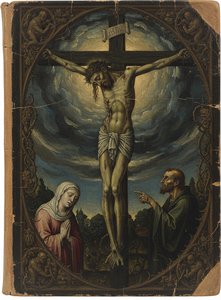
Matthias Grünewald: Devotion, Distortion & Spiritual Turmoil in Renaissance Art
Explore the profound religious art of Matthias Grünewald, master of the Isenheim Altarpiece. Discover his unique expressionism, symbolism & lasting impact on Renaissance painting. A guide for collectors and enthusiasts.

The Enduring Legacy of Oil on Canvas: Technique, History & Aesthetic Impact
Explore the rich history & techniques of oil painting – from Renaissance masters to Impressionism. Discover pigments, layering methods, and why this timeless medium endures. Expert insights for artists & art enthusiasts.

The Enduring Power of Painting: A Historical & Contemporary Exploration of Form and Emotion
Explore the rich history & enduring techniques of oil painting with OriginalUniqueArt. Discover masterpieces, learn about art collecting, and find authentic handmade reproductions crafted by skilled artists.


