

 Preverite v realnem okolju
 Pošlji kot čestitko
 Deli
Deli
 Podrobnosti
 Priročnik

 Prenesi
 Podobni artefakti
 Rentgenski posnetek
 Predvajaj diaporama
 Statistika
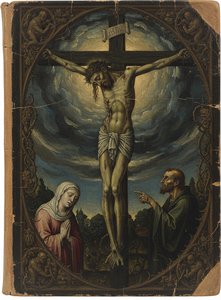
Crucifixion
 Acrylic On Canvas
- WallArt
- Northern Renaissance
 1502
1502 531.0 x 320.0 cm
 Staatliche Kunsthalle Karlsruhe
 Preberi več
Giclée tisk / Umetniški tisk
Giclée ali platnati odtis muzejske kakovosti z hitro proizvodnjo in prilagodljivimi možnostmi končne obdelave. ( Naročite ročno slikano reprodukcijo Preklop na digitalno sliko)




P118B €10

P118H €10

P118W €10

P438Z €10

P508JH €12

P508YH €12

P805H €10

P805Z €10

P919BZ €10

P919G €10

P919XJ €10

P959ZH €10

P968JZ €12

W106C €8

W218G €10

W218JH €8

W218Y €10

W307PJ €10

W316G €10

W316PJ €8

W316Y €10

W398PJ €8

W4111J €10

W500HY €15

W500JH €15

W692G €12

W849H €8

W940BG €15

W953PJ €8




Izberite eno od naših vnaprej določenih velikosti, ki ustrezajo prvotnim proporcijam umetničkega dela.

Svoje dimenzije lahko vnesete sami, da bodo ustrezne za določen okvir ali prostor. Če izbrana velikost ne bo skladna z razmerji izvirne slike, bomo umetniško delo orezali ali podaljšali s pomočjo ogledalnega odraza ali barvno polnega roba. Pred začetkom proizvodnje vam bomo poslali digitalni predogled za potrditev.
Upoštevajte, da predogled na zaslonu ne prikazuje dejanskega orezovanja ali podaljševanja. Le digitalni predogled bo natančno prikazal končno kompozicijo.
Čeprav so na voljo prilagojene velikosti, priporočamo izbiro dimenzije s predhodno določenega seznama, da ohranite prvotna razmerja.
Globalna dostava () v 2 tednih namesto standardnih 4/5 tednov. (11 oktober)

Brezplačna ekspresna dostava po vsem svetu

Visokokakovostno laneno platno

Popolno zavarovanje pošiljke

Garancija povračila carine in uvoznih davkov

Garancija popolnega barvnega ujemanja

Politika vračila v 100 dneh (le v primeru okvar)

Garancija 100% povračila denarja

Popust pri večjem naročilu
 Možnost stekla je na voljo le za velikosti pod 110 cm

Crucifixion
Giclée tisk / Umetniški tisk
Velikost reprodukcije
-


Skupna cena
€ 69
A Glimpse into the Soul of a Master: The Crucifixion by Matthias Grünewald
Matthias Grünewald’s “Crucifixion,” painted around 1501, isn't merely a depiction of a pivotal moment in Christian history; it’s an immersive experience—a visceral plunge into the depths of human suffering and profound spiritual contemplation. Born in Würzburg around 1470, Grünewald stood as a bridge between the vibrant hues and dynamic compositions of the late medieval period and the burgeoning realism of the early Renaissance. Unlike his Italian contemporaries who embraced classical ideals, Grünewald remained firmly rooted in the traditions of Northern Europe, imbuing his work with an intensely emotional quality that continues to resonate centuries later. This particular “Crucifixion” – a panel from the Isenheim Altarpiece – is a testament to this devotion, a stark and unforgettable image born not of idealized beauty but of raw, unvarnished truth.
The painting immediately commands attention with its deliberate monochrome palette. Shades of grey—ranging from near-white highlights on Christ’s body to deep, impenetrable blacks in the shadows—create an atmosphere of profound solemnity and dramatic intensity. This restricted color scheme isn't a limitation; it’s a strategic choice that amplifies the emotional impact, stripping away any distractions and forcing the viewer to confront the brutal reality of the scene. The composition itself is powerfully vertical, emphasizing the height of the cross—a symbol of both Christ’s sacrifice and humanity’s fall. Christ's torso and limbs are centrally positioned, drawing the eye directly to his suffering, while the truncated base of the cross subtly suggests a sense of confinement and vulnerability.
The Language of Line and Texture: Technique and Craftsmanship
Grünewald’s mastery lies not just in his understanding of color and composition but also in his meticulous technique. The painting is executed primarily through hatching and cross-hatching—a method of creating tonal variations by layering lines of differing densities. This painstaking process generates a remarkable sense of texture, allowing the artist to convincingly simulate the rough grain of the wooden cross, the folds of Christ’s loincloth, and even the thorny crown piercing his head. The musculature of Christ's body is rendered with astonishing anatomical accuracy, reflecting Grünewald’s deep observation of human form—a hallmark of Northern Renaissance art. The strong, defined lines delineate every contour, creating a sense of both vulnerability and immense strength.
Furthermore, the artist employs subtle shifts in value to create depth and volume. The highlights on Christ's body draw attention to his wounds, while the shadows accentuate the contours of his form, lending him an almost sculptural quality. The overall effect is one of intense realism—a deliberate departure from the idealized representations common in Italian Renaissance art. This commitment to portraying suffering with unflinching honesty speaks volumes about Grünewald’s artistic vision and his profound engagement with the subject matter.
Symbolism, Suffering, and Spiritual Resonance
Beyond its technical brilliance, “The Crucifixion” is rich in symbolic meaning. The starkness of the image—the absence of color, the brutal depiction of Christ’s suffering—serves to heighten the emotional impact and underscore the profound spiritual weight of the scene. Christ's emaciated body, riddled with wounds and pierced by nails, embodies the ultimate sacrifice for humanity’s sins. The surrounding figures – Saint Sebastian, Saint Anthony, Mary Magdalene, and John the Baptist – each contribute to the narrative, representing themes of martyrdom, compassion, repentance, and divine grace. The inclusion of John the Baptist pointing towards Christ is a clear reference to the Gospel accounts, emphasizing the significance of his sacrifice as the fulfillment of prophecy.
The painting’s origins within the Isenheim Altarpiece—a work designed for a hospital dedicated to treating plague sufferers—add another layer of meaning. Grünewald's choice of monochrome and his unflinching portrayal of suffering were intended to provide comfort and solace to those afflicted with illness, reminding them that Christ shared in their pain and offered hope amidst despair. “The Crucifixion” is therefore not simply a historical depiction but a powerful meditation on faith, suffering, and redemption—a timeless masterpiece that continues to move viewers centuries after its creation.
Further Research: For more detailed information, consider visiting the National Gallery of Art’s website for a high-resolution image and accompanying text. You can also explore Wikipedia’s entry on Matthias Grünewald for biographical details and historical context, or delve into articles like “Crucifixion, by Matthias Grünewald” on Christian Century.
Vprašanja in odgovori
V letu katerega je bilo ustvarjeno delo "Crucifixion" avtorja Matjaž Grünewald?
Ustvaritev dela "Crucifixion" avtorja Matjaž Grünewald datiramo v 1502.
Kje in za kakšno namen se priporoča "Crucifixion"?
Uporaba (Statement) in prostor (Living Room) sta dve priporočili za "Crucifixion" avtorja Matjaž Grünewald.
Ali je na voljo prenos v visoki ločljivosti za "Crucifixion"?
"Crucifixion" je na voljo kot prenos digitalne slike visoke ločljivosti, ki ga lahko kupite neposredno na ta stran.
Kakšna je oblika in kakšne so dimenzije dela "Crucifixion" avtorja Matjaž Grünewald?
"Crucifixion" avtorja Matjaž Grünewald je v formatu Portrait in ima dimenzije 531 x 320 cm.
Koliko je bil Matjaž Grünewald let, ko je nastalo delo "Crucifixion"?
Matjaž Grünewald je ustvaril "Crucifixion" v starostih 22 let. Umetnik se je rodil leta 1480, delovni datum pa je 1502.
Kdo je ustvaril "Crucifixion"?
Delo "Crucifixion" je ustvaril Matjaž Grünewald. Informacije na tej strani opisujejo izvirno delo umetnika Matjaž Grünewald.
Kje lahko najdem vodnik za "Crucifixion"?
Vodnik za "Crucifixion" je stran Vodnik umetninice – natisljiv informativni list, ki prikazuje umetnino z njenim naslovom, podrobnostmi o izvoru in identifikacijsko tabelo (umetnik, datumi, tehnika, prvotna velikost, kolekcija).
Biografija umetnika
Matthias Grünewald: Življenje in Zapuščina
Matthias Grünewald, rojen Mathis Gothart Neithardt okoli leta 1470-1475 v Würzburgu, Nemčija, je bil izjemna osebnost nemške renesanse. Kljub temu da je živel v obdobju vse večjega vpliva italijanske renesanse, je ostal globoko zasidran v umetniških tradicijah poznega srednjevečnega osrednjega dela Evrope. Podrobnosti o njegovem zgodnjem življenju so skromne, vendar vemo, da se je usposabljal za slikarja, verjetno v lokalnih delavnicah.
Umetniški Razvoj in Vplivi
Grünewaldov umetniški razvoj je oblikovala prevladujoča severnoevropska tradicija realizma, čustvene intenzivnosti in podrobnega opazovanja. Njegovo delo kaže vplive umetnikov kot sta Albrecht Dürer in Martin Schongauer, a si je utrl edinstveno pot, za katero so bili značilni dramatičen izraz in živa barva. Ni bil neposredno povezan s humanističnimi krogi, ki so prevladovali v Italiji; namesto tega je njegova umetnost predvsem služila verskim namenom in odražala duhovne skrbi njegovega časa. Njegova zgodnja dela kažejo močan vpliv gotske tradicije, zlasti v upodabljanju podrobnosti in bogatih barvnih palet.
Pomembna Dela in Umetniški Stil
Grünewald je ustvaril številne pomembne stvaritve, med katerimi izstopa Isenheimski oltar (1512-1516). To mojstrino, ki jo hranijo v Musée d'Unterlinden v Colmarju, velja za njegovo najpomembnejše delo. Oltar prikazuje prizore iz Kristusovega življenja z pretresljivo realističnostjo, s posebnim poudarkom na trpljenju in odrešitvi. Njegova Križanje (okoli 1502-1503) je zgodnje delo, ki kaže njegov razvijajoči se stil, z intenzivnimi čustvi in anatomsko natančnostjo. Pomembna pa sta tudi študija za Isenheimski oltar, Devica Marija Oznanjenja (1512-14), ki razkriva njegovo skrbno načrtovanje, ter risba Mojzes (1511), ki poudarja njegovo spretnost pri ujemanju ekspresivnih figur in dramatičnih poz.
Grünewaldov stil je značilen po:
- Dramatična Kompozicija: Uporabljal je dinamične aranžmaje za povečanje čustvenega učinka.
- Živa Barvna Paleta: Njegova uporaba intenzivnih, pogosto kontrastnih barv je ustvarila močan vizualni doživetaj.
- Realistično Prikazovanje Trpljenja: Grünewald se ni izogibal prikazovanju fizične in čustvene bolečine, ki je povezana z verskimi pripovedmi. Njegova dela so pogosto pretresljiva v svoji brutalni iskrenosti.
- Ekspresivne Figure: Njegove figure so prežete z močnimi čustvi in psihološko globino, kar jih naredi izjemno prepričljive.
Zgodovinski Pomen in Zapuščina
Grünewaldovo delo je dokaz trajne moči srednjeveških umetniških tradicij v Nemčiji med renesanso. Premostil je vrzel med pozno gotskim slogom in nastajajočo renesanso, ustvarjal pa je edinstven vizualni jezik, ki je odmeval pri njegovih sodobnikih. Njegov vpliv je mogoče opaziti pri kasnejših nemških umetnikih, ki so nadaljevali z raziskovanjem tem verske vneme in čustvene intenzivnosti. Čeprav je bil po smrti leta 1528 dolgo pozabljen, je Grünewald doživel ponovno vzbujanje v 19. stoletju in danes ga prepoznajo kot enega najpomembnejših slikarjev nemške renesanse. Njegova umetnost še naprej očara gledalce s svojo surovo čustvenostjo, tehnično briljantnostjo in globoko duhovno globino.
Več o življenju in delih Matthiasa Grünewalda odkrijte na: OriginalUniqueArt

Matjaž Grünewald
1480 - 1528 , Nemčija
Ključne informacije
- Datum Rojstva: okoli 1470-1475
- Datum Smrti: 1528
- Državljanstvo: Nemec
- Kraj Rojstva: Würzburg, Nemčija
- Polno Ime: Matthias Grünewald
- Pomembna Dela:
- Isenheim Altarpiece
- The Crucifixion
- Umetniški Slog: Nemška renesansa
- Vplivi Umetnikov:
- Albrecht Dürer
- Martin Schongauer
Sorodni članki

Romantic Realism's Finest: 10 Masterpieces for Your Home | OriginalUniqueArt
Explore 10 defining masterpieces of Romantic Realism! Discover Courbet, Millet & Daumier's powerful paintings—capturing emotion and social realities. Find museum-quality reproductions for your home at OriginalUniqueArt.com.
Echoes of Society: Exploring Social Realism's Enduring Legacy in Art
Explore the powerful world of Social Realism art! Discover key artists, masterpieces & its profound social commentary. Expert insights into this influential movement's history and enduring legacy.
Matthias Grünewald: Devotion, Distortion & Spiritual Turmoil in Renaissance Art
Explore the profound religious art of Matthias Grünewald, master of the Isenheim Altarpiece. Discover his unique expressionism, symbolism & lasting impact on Renaissance painting. A guide for collectors and enthusiasts.
The Raw Truth: A Definitive Guide to the Power and Legacy of Social Realism Art
Explore the profound impact of Social Realism. Discover how masters like Courbet rejected idealism to capture the raw, socio-political truths of the working class through powerful, unvarnished art history and enduring visual critique.

The Northern Renaissance: A Flourishing of Realism, Religious Reform & Artistic Innovation
Explore the Northern Renaissance! Discover Jan van Eyck's innovations, religious shifts, & key artists of this influential period. Expert analysis and insights into Early Netherlandish painting at OriginalUniqueArt.


