Color Field · 1964
No. 5 (Mark Rothko, 1964)
Mark Rothko (1903–1970) je izdelal No. 5. Zajema obdobje iz leta 1964. Spada v smer Color Field. Izdelano je iz Acrylic On Canvas. Dimenzije so 206 × 196 cm.
- 1964
- Acrylic On Canvas
- 206 × 196 cm

 Predogled v realnem okolju

 Ročno izdelano oljno slikarstvo
 Pošlji
 Deli
 Informacijski list


 Prenesi sliko
 Podobni izdelki
 Rentgenski posnetek
 Predvajaj diaporama
 Vprašanja in odgovori

 Statistika
No. 5, na kratek
- Naslov
- No. 5
- Avtor
- Mark Rothko (1903–1970)
- Umetnik, rojen v
- Daugavpils, Latvija
- Datum
- 1964
- Tehnika
- Acrylic On Canvas
- Dimenzije
- 206 × 196 cm
- Gibanje
- Color Field
- Obdobje
- Modern
- Tema
- rothko, abstract, color field, square, black and white, canvas
Kaj prikazuje No. 5?
Mark Rothko’s ‘No. 5’: A Meditation on Darkness and Absence
Mark Rothko's "No. 5," painted in 1964, is not merely a canvas filled with color; it’s an intensely personal and profoundly moving exploration of human emotion and the weight of existence. This monumental work, measuring 206 x 196 cm, exemplifies Rothko’s signature style – large-scale rectangular blocks of saturated color that seem to bleed into one another, creating a hypnotic effect on the viewer. The painting's stark simplicity—a vast, dark square dominating the composition—immediately confronts us with an unsettling void, prompting contemplation about mortality, isolation, and the fundamental questions of human experience.
The Genesis of Color Field Painting
Created during a pivotal moment in art history, "No. 5" is inextricably linked to the rise of Color Field painting in the mid-20th century. Rothko, along with artists like Barnett Newman and Clyfford Still, rejected traditional representational forms, seeking instead to express profound emotional states through pure color. Influenced by Abstract Expressionism’s emphasis on subjective experience, Rothko developed a technique that involved layering thin washes of acrylic paint, allowing the colors to subtly shift and merge under layers of varnish. This process created an almost sculptural quality, emphasizing the materiality of the canvas itself.
Symbolic Weight and Existential Themes
Born in 1903 in Daugavpils, Latvia (then part of the Russian Empire), Mark Rothko’s life was marked by displacement and loss – experiences that deeply informed his artistic vision. The painting's dark square can be interpreted as a visual representation of this sense of void, reflecting the anxieties and uncertainties inherent in the human condition. Some scholars suggest the work is an exploration of trauma, referencing Rothko's own difficult childhood and the pervasive atmosphere of fear and instability he experienced growing up within a Jewish family during times of political unrest. The sheer scale of the canvas amplifies this feeling, enveloping the viewer in a space of quiet contemplation.
Technique and Emotional Impact
"No. 5" is a testament to Rothko’s mastery of color and texture. The subtle gradations within the dark blocks, achieved through meticulous layering and blending, create an illusion of depth and movement. The photograph captures this intricate detail perfectly, revealing the artist's deliberate control over light and shadow. The painting’s impact isn’t about visual spectacle; it’s about a deeply felt emotional response. Rothko aimed to evoke a sense of awe and vulnerability in the viewer, inviting them to confront their own mortality and grapple with the complexities of human existence. This reproduction offers an unparalleled opportunity to experience the power and beauty of this iconic work firsthand.
Visokoresolucijske slike dela No. 5
Zaščitovano z avtorskimi pravicami: ti datoteke so namenjene osebni referenci, ne paovojilu za ponovno objavo.
Mark Rothko, No. 5 (1964).
Odgovori na vprašanja o No. 5
V letu katerega je bilo ustvarjeno delo "No. 5" avtorja Mark Rothko?
"No. 5" avtorja Mark Rothko je nastalo leta 1964.
い哪種媒介是用來創作 "No. 5" avtorja Mark Rothko 的?
Mark Rothko je za delo "No. 5" uporabil/a tehniko Acrylic On Canvas. Ta tehnika opredeljuje materialno naravo izvirnega dela.
Kakšne so dimenzije izvornega dela "No. 5" avtorja Mark Rothko?
Dimenzije originalnega dela "No. 5" avtorja Mark Rothko so 206 x 196 cm.
Katere teme se pojavljajo v delu "No. 5" avtorja Mark Rothko?
Tematika v delu "No. 5" avtorja Mark Rothko vključuje rothko, abstract, color field, square, black and white, canvas, mark rothko, ki skupaj predstavljajo vsebino umetninškega dela.
Ali je "No. 5" v javni domeni?
Status avtorskih pravic za "No. 5" avtorja Mark Rothko: del je še vedno pod avtorsko zaščito. To določa, ali se lahko reprodukcije slike izdelujejo prosto.
Kateremu umetniku je "No. 5" pripisano?
"No. 5" pripisujemo Mark Rothko.
V kateri umetniški smer pripadajo "No. 5" avtorja Mark Rothko?
Umetnostni smer, ki jo zastopa "No. 5" avtorja Mark Rothko, je Color Field. Ta klasifikacija delo uvršča med sorodne umetnike in umetniška dela.
V katero obdobje kariere Mark Rothko pripada delo "No. 5"?
V okviru kariere umetnika Mark Rothko delo "No. 5" pripada obdobju Mature Period, kar omogoča primerjavo z ostalimi umetnikovimi deli.
Koliko je bil Mark Rothko let, ko je nastalo delo "No. 5"?
Mark Rothko je bil/a star/a 61 let, ko je ustvaril/a "No. 5" leta 1964. Starost je izračunana na podlagi leta rojstva umetnika, 1903.
O umetniku, Mark Rothko

1903–1970, Latvija
Mark Rothko
Mark Rothko: Barva, Čustvo in Iskanje Duše Mark Rothko, rojen kot Markus Yakovlevič Rotkovič v Daugavpilsu, Latviji, leta 1903, je bil slikar, katerega življenje in delo sta globoko prepleteni z iskanjem smisla, čustvene izraznosti in duhovne transcendence. Že zgodnja leta so bila zaznamovana s negotovostjo in strahovi, ki so jih prinašali antisemitizem in politična nestabilnost v njegovem rodu. Emigracija v Portland, Oregon, leta 1913 je predstavljala kulturni šok, a hkrati tudi začetek potovanja, ki ga je vodilo k umetnosti kot sredstvu za raziskovanje človeške duše. Čeprav je študiral na Yaleu, se je Rothko kmalu odločil slediti svoji strasti in se preselil v New York, kjer je obiskoval Art Students League.
Tudi dela avtorja Mark Rothko
 Bel Center1950
 No.1 (Royal Red and Blue)
 Št. 61 (Rjava in modra)1953
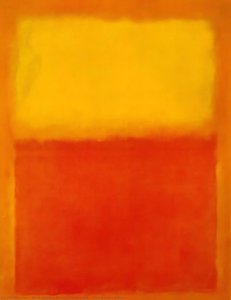 Orangeja in rumena1956
Eseji o delu No. 5
 Color Fields of Calm: Transform Luxury Interiors with Minimalist Masterpiece ReproductionsElevate your luxury interiors with museum-quality Mark Rothko reproductions. Discover how hand-painted Color Field masterpieces bring profo…
 The Soul of Color: Exploring the Emotional Depth and Existential Resonance of Mark Rothko's MasterpiecesImmerse yourself in the profound emotional landscapes of Mark Rothko. Explore how his revolutionary Color Field paintings use pure pigment …
 Mark Rothko: 25 Mojstrovin Barvne Globine za Vaš Dom | OriginalUniqueArtOdkrijte 25 mojstrovin Marka Rothka – ikonične slike ekspresionizma, polne barv in emocij. Preberite zgodbe za vsako umetnino in obogatite …