 Predogled v realnem okolju
 Pošlji
 Deli
Deli
 Podrobnosti o delu
 Priročnik

 Prenesi sliko
 Podobni izdelki
 Rentgenski posnetek
 Predvajaj diaporama
 Vprašanja in odgovori
 Statistika
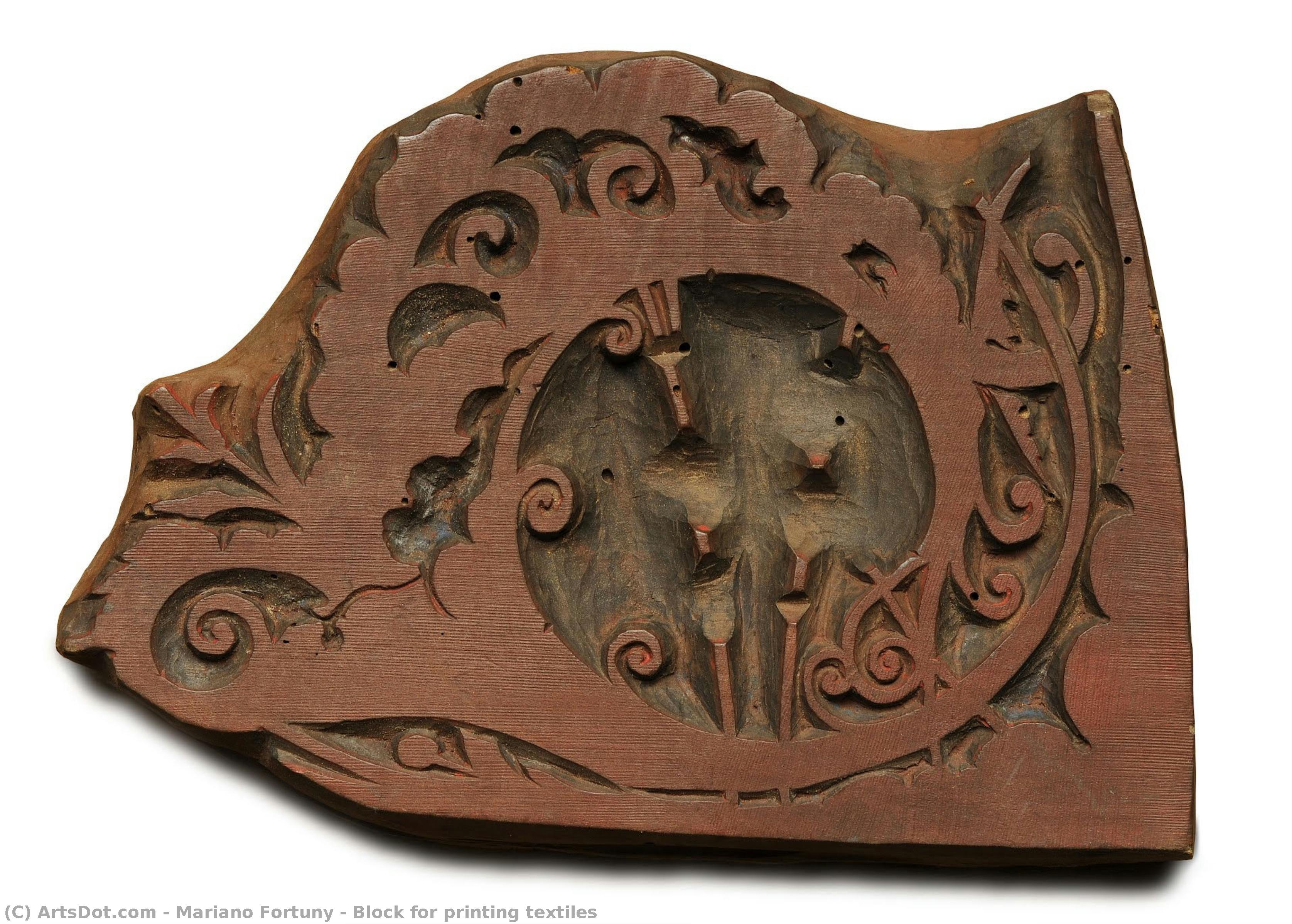
Block for printing textiles


 Preberi več
Giclée tisk / Umetniški tisk
Giclée ali platnati odtis muzejske kakovosti z hitro proizvodnjo in prilagodljivimi možnostmi končne obdelave. ( Kupite ročno slikano delo Preklop na digitalno sliko)




P118B €10

P118H €10

P118W €10

P438Z €10

P508JH €12

P508YH €12

P805H €10

P805Z €10

P919BZ €10

P919G €10

P919XJ €10

P959ZH €10

P968JZ €12

W106C €8

W218G €10

W218JH €8

W218Y €10

W307PJ €10

W316G €10

W316PJ €8

W316Y €10

W398PJ €8

W4111J €10

W500HY €15

W500JH €15

W692G €12

W849H €8

W940BG €15

W953PJ €8




Izberite eno od naših vnaprej določenih velikosti, ki ustrezajo prvotnim proporcijam umetničkega dela.

Vnesite širino in višino, ki jih potrebujete za svoj okvir ali steno. Tiskanje se lahko le odreže, vendar ga ni mogoče narediti večjega od slike, zato format z drugačno obliko pomeni izgubo dela slike. Pred tiskanjem vam pošljemo digitalni predogled za potrditev. Slika, prikazana na tej strani, ne prikazuje dejanskega izrezka — le predogled to omogoča.
Globalna dostava () v 2 tednih namesto standardnih 4/5 tednov. (6 november)

Brezplačna ekspresna dostava po vsem svetu

Visokokakovostno laneno platno

Popolno zavarovanje pošiljke

Garancija povračila carine in uvoznih davkov

Garancija popolnega barvnega ujemanja

100-dnevna politika vračil (le v primeru okvar)

Garancija 100% povračila denarja

Popust pri večjem naročilu
 Možnost stekla je na voljo le za velikosti pod 110 cm

Block for printing textiles
Giclée tisk / Umetniški tisk
Velikost reprodukcije
-


Skupna cena
€ 72
A Whisper of Geometry: Unveiling Mariano Fortuny’s ‘Block for Printing Textiles’
Mariano Fortuny y Madrazo, a name synonymous with the opulent elegance of 19th-century Spain and beyond, wasn't merely a painter; he was a revolutionary designer, a master craftsman, and an inventor who fundamentally reshaped the world of theatrical lighting and textile production. His ‘Block for Printing Textiles’ (1905), now meticulously reproduced by OriginalUniqueArt.com, offers a rare glimpse into this multifaceted genius – a tangible embodiment of his fascination with geometry, Celtic motifs, and the interplay of light and shadow. This isn't simply a decorative block; it’s a concentrated distillation of Fortuny’s artistic vision, a testament to his meticulous hand, and a window into a period of intense experimentation and innovation.
The Language of Form: Geometry and Celtic Echoes
At first glance, the block’s surface appears deceptively simple – a dense arrangement of swirling lines and geometric shapes rendered in shades of reddish-brown. However, closer inspection reveals a complex tapestry of interlocking patterns, echoing the intricate designs found in Celtic knotwork. Fortuny was deeply influenced by Orientalist art, particularly the decorative motifs of Morocco, but he also possessed a profound appreciation for ancient European traditions, evident in this subtle homage to the Celtic aesthetic. The precise execution suggests a deliberate attempt to capture not just visual form, but also the inherent dynamism and interconnectedness of these patterns – a concept central to Fortuny’s broader artistic philosophy.
A Legacy Forged in Light: Technique and Innovation
The creation of this block represents a pivotal moment in Fortuny's career. He was actively experimenting with new techniques for creating theatrical lighting, particularly his ‘cyclorama dome,’ a revolutionary device that utilized reflected light to create seamless transitions between scenes in grand opera houses. This block is believed to be a prototype or working model for these larger-scale installations – a miniature representation of the complex systems he devised to manipulate and control light. The meticulous carving demonstrates an extraordinary level of skill, requiring not only artistic vision but also a deep understanding of materials and their properties. Fortuny’s inventive spirit extended beyond lighting; his patents reveal a relentless pursuit of innovation in various fields, including textiles, ceramics, and even furniture design.
Beyond Decoration: Symbolism and the Fortuny Aesthetic
While undeniably beautiful, ‘Block for Printing Textiles’ transcends mere decorative function. It embodies Fortuny's broader aesthetic – one characterized by a harmonious blend of geometry, asymmetry, and a subtle sense of mystery. The swirling patterns evoke movement and dynamism, while the restrained color palette creates an atmosphere of sophisticated elegance. Fortuny sought to capture not just the appearance of reality but also its underlying essence—a pursuit reflected in his meticulous attention to detail and his innovative use of light and shadow. This block is a tangible manifestation of that quest – a miniature world brimming with artistic intention.
Collecting a Masterpiece: Reproduction and Preservation
OriginalUniqueArt.com offers high-quality, hand-painted reproductions of this extraordinary work by Mariano Fortuny. Each reproduction meticulously recreates the original block’s intricate details, capturing its unique texture and color palette. Choosing a reproduction allows you to bring this captivating piece into your home or office, celebrating Fortuny's legacy while preserving the integrity of his artistic vision. Explore our selection today and experience the enduring beauty of ‘Block for Printing Textiles.’
Vprašanja in odgovori
Kdaj je bilo ustvarjeno "Block for printing textiles" in kateri umetniški slog pripada?
"Block for printing textiles" je nastalo leta 1905 v okviru gibanja Art Nouveau.
Ali obstaja vodnik za "Block for printing textiles" avtorja Mariano Fortuny?
Za delo "Block for printing textiles" avtorja Mariano Fortuny je na voljo stran Informacije za učence: natisljiv informativni list o umetninah, zasnovan za uporabo v šolskih prostorih in za učence.
い哪種媒介是用來創作 "Block for printing textiles" avtorja Mariano Fortuny 的?
Mariano Fortuny je za delo "Block for printing textiles" uporabil/a tehniko Woodblock Print. Ta tehnika opredeljuje materialno naravo izvirnega dela.
Biografija umetnika
Zgodnje življenje in navdih
Mariano Fortuny, španski modni oblikovalec, se je rodil 11. maja 1871 v Granadi, Španija. Njegov oče, Mariano Fortuny y Marsal, je bil slikar žanrskih slik, ki je umrl, ko je bil Mariano star komaj tri leta. Ta dogodek je povzročil preselitev družine v Pariz, Francijo, kjer ga je mati seznanila z različnimi tekstilijami in tkaninami, ki so kasneje vplivale na njegovo ustvarjalnost. Že kot otrok je pokazal izjemno nadarjenost za umetnost, saj je bil sposoben slikati, fotografirati, kipariti, načrtovati arhitekturo in oblikovati osvetlitev gledaliških odrov. Njegova zgodnja izpostavljenost različnim umetniškim disciplinam je položila temelje za njegovo kasnejšo multidisciplinarno kariero.Umetniški talenti in inovacije
Mariano Fortuny je že v mladosti pokazal umetniški talent, ki se je odražal v spretnosti slikanja, fotografije, kiparstva, arhitekture, jedkanja in gledališke osvetlitve. Med letoma 1901 in 1934 je patentiral več kot dvajset izumov, ki so revolucionirno spremenili svet gledališke scenografije. Razvil je fortunijev cikloramski kupoli, četrtkrožne strukture iz mavca ali platna, ki so uporabljale posredno osvetlitev za ustvarjanje brezšivnega prehoda med prizori. Njegov traktat "Eclairage scenique" (1904) je opisal njegovo odkritje odbijanja svetlobe od različnih površin in spreminjanja njene barve, intenzitete in lastnosti. Fortunyjeva inovativnost ni bila omejena le na tehnične rešitve; iskal je načine za ustvarjanje atmosfere in iluzije, ki bi gledalca popolnoma potopile v predstavo.Pomembni prispevki in sodelovanja
Mariano Fortuny si je pridobil široko priznanje v dvajsetih letih 20. stoletja. Sodeloval je s pomembnimi osebnostmi, med njimi:- Richard Wagner, nemški skladatelj, katere opere so navdihnile Fortunyja za slikanje prizorov.
- Slavna operna hiša La Scala v Milanu, kjer je namestil svojo kupolo in jo prilagodil večjemu gledališču ter izumil sesalni ventilator za ohranjanje njene napetosti.
Zapuščina in poznejše življenje
Mariano Fortuny je umrl 3. maja 1949 v Benetkah, Italija. Njegovo delo je navdihnilo francoskega romanopisca Marcel Prousta, njegovo življenje pa je upodobljeno v romanu "Fortuny" Pere Gimferrerja. Fortunyjeva zapuščina še danes vpliva na svet gledališke scenografije in modne industrije. Njegova inovativna uporaba tekstilij, osvetlitve in arhitekture je spremenila način, kako doživljamo predstave in oblačila.- Raziščite več o izumih in dizajnu Mariana Fortunyja na zbirki OriginalUniqueArt.
- Odkrijte vpliv njegovega dela na gledališko osvetlitev v Muzeju uničenem z ognjem (Združene države), zgodbi o nesrečnem dogodku, ki je oblikoval ameriško umetniško zgodovino, na voljo na blogu OriginalUniqueArt.
Izbrane slike Mariana Fortunyja in drugih umetnikov
- Mariano Fortuny: Teagown (Muzej lepih umetnosti, Boston, Združene države), na voljo na zbirki OriginalUniqueArt.
- Marc Chagall: Study to 'Song of Songs IV' (Naivna umetnost / Primitivizem), na voljo na zbirki OriginalUniqueArt.
- Pablo Picasso: Clarinet (Analitični kubizem, olje na platnu), na voljo na zbirki OriginalUniqueArt.
- Vincent van Gogh: Tree Roots (50 x 100 cm, Postimpresionizem, olje na platnu), na voljo na zbirki OriginalUniqueArt.

Mariano Fortuny
1871 - 1949 , Španija
Hitri podatki
- Datum Rojstva: 11. maj 1871
- Datum Smrti: 3. maj 1949
- Državljanstvo: Španec
- Kraj Rojstva: Granada, Španija
- Polno Ime: Mariano Fortuny y Marsal
- Pomembna Dela:
- Teagown
- Portret Henriette Fortuny
- Umetniki Pod Vplivom: ['Marcel Proust']
- Umetniški Smer: Orientalizem
- Vplivi Umetnikov: ['Richard Wagner']
Sorodni članki

Mariano Fortuny: A Fusion of Art, Fashion & Design – Exploring a Venetian Innovator's Legacy
Explore the captivating world of Mariano Fortuny – artist, designer & innovator. Discover his revolutionary textiles, iconic Delphos gown, and lasting influence on art, fashion & interiors. A collector's guide to a Venetian master.

The Enduring Legacy of Woodblock Printmaking: Technique, History & Artistic Expression
Explore the rich history of woodblock printmaking – from ancient techniques to Ukiyo-e masterpieces. Discover expert insights on collecting, preserving & appreciating this enduring art form.

Giclée Prints: Archival Quality & Aesthetic Nuances for the Discerning Collector
Explore the world of giclée prints with OriginalUniqueArt. Learn about archival quality, aesthetic nuances & investment potential. Expert guidance for discerning art collectors seeking museum-quality reproductions and lasting value.

Echoes of Time: Exploring the Enduring Appeal & Historical Context of Vintage Art Prints
Explore the captivating world of vintage art prints! Discover their history, collecting tips & enduring appeal. Expert insights on chromolithography and building a legacy collection with OriginalUniqueArt.

The Enduring Legacy of Fine Art Prints: Technique, History & Aesthetic Impact
Explore the rich history & techniques of fine art prints. Discover investment potential, assess authenticity, and learn how to preserve your collection with expert guidance. Trusted insights for discerning collectors.
