
 Predogled
 Pošlji
 Deli
Deli
 Podrobnosti o delu

 Prenesi
 Podobni izdelki
 Rentgenski posnetek
 Predvajaj diaporama
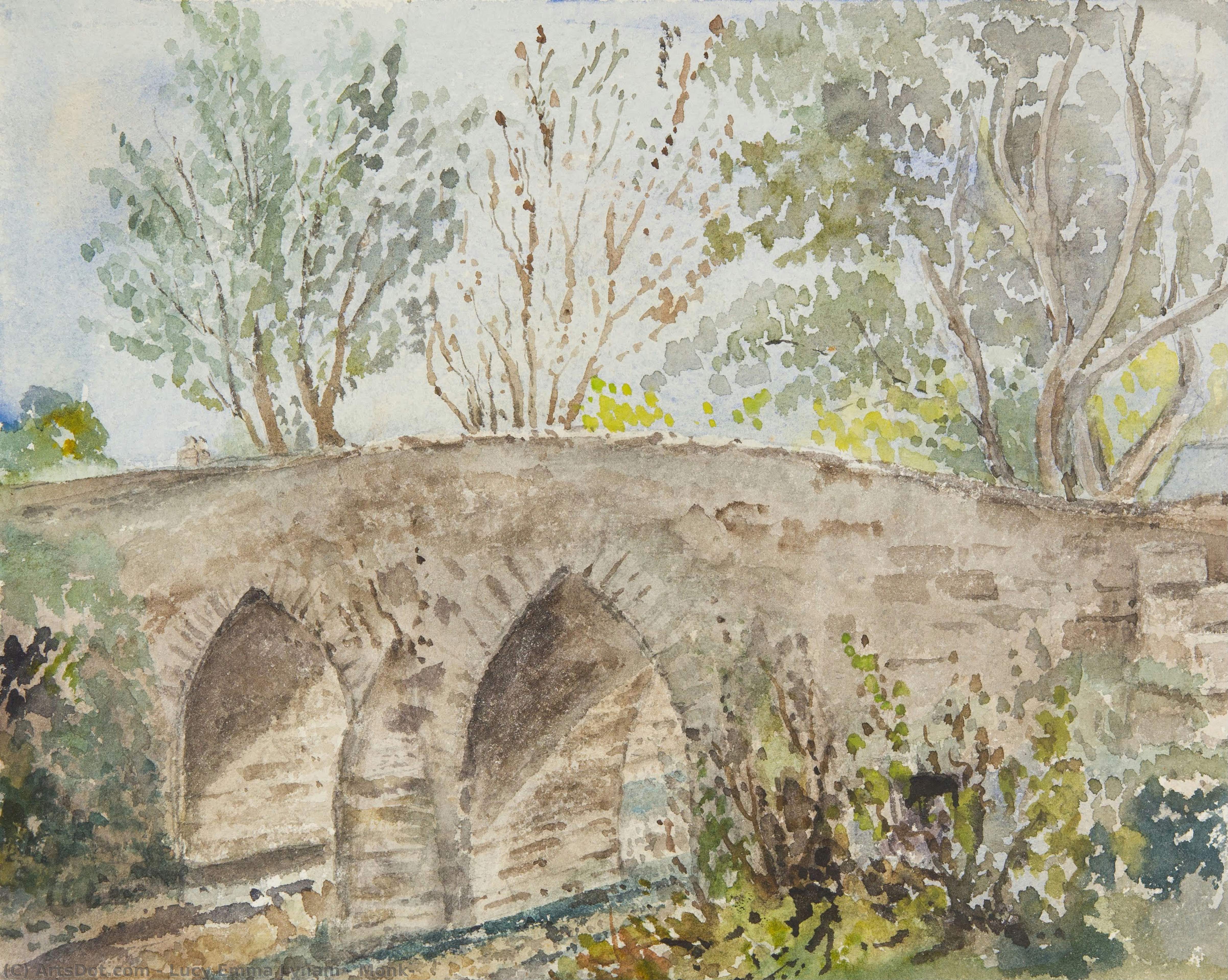
Monk
 Watercolor
- WallArt
 1800
1800- 19th Century
 23.0 x 29.0 cm
 Manx National Heritage
 Razviljaj več
Kupite digitalno sliko visoke ločljivosti z izboljšano kakovostjo, ki je precej boljša od spletnega predogleda.
Vsaka datoteka je pod natančnim nadzorom naših strokovnjakov, ki uporabljajo napredna orodja in strokovno ročno obdelavo. Zagotovimo, da ima vsaka slika izjemno jasnost, natančnost barv in fine podrobnosti.
Končna datoteka je po e-pošti dostavljena v 72 urah, optimizirana za takojšnjo uporabo v profesionalnem, uredniškem in tiskarskem okolju. To je kakovost, ki ji zaupajo vrhunska oblikovalna studia, založniki in galerije.
Digitalna slika
Prenesite datoteko visoke ločljivosti za osebno uporabo, tiskanje in kreativne projekte. ( Kupi tisk Kupi ročno naslikano sliko)
Vključeno v vsako naročilo digitalne slike
Zagotovljena strokovna digitalna dostava
Ko izberete OriginalUniqueArt.com, ne prejmete le slike – prejmete digitalno umetniško delo, ki je profesionalno urejeno, izdelano z natančnostostjo in zavestno zagotovljeno z garancijo za zadovoljstvo. Tukaj je vse, kar samodejno prejmete z vašim naročilom:

Hitra dostava prek e-pošte
Vaša digitalna slika visoke ločljivosti bo na vaš e-naslov poslana v roku 72 ur od zaklopa naročila – pripravljena za takojšnjo uporabo.

Digitalna datoteka z umetno inteligenco
Vaše umetniško delo je strokovno optimizirano z uporabo naprednih orodij umetne inteligence in ročne obdelave, kar zagotavlja največjo stopnjo podrobnosti, jasnosti in barvne natančnosti.

Brezplačna ponovna dostava za vse življenje
Ste zaradi nespremietne napake izgubili ali izbrisali svojo datoteko? Ni težav – vam jo bomo ponovno poslali kadar koli in brezplačno.

Brez uvoznih pristojbin – vedno
Uživajte v svojem umetniškem delu takoj, brez carin, davkov ali stroškov dostave – digitalni prenosi so vedno brezdavčni.

Zagotovilo natančnosti barv
Z uporabo profesionalnih orodij in upravljanja barv zagotavljamo, da vaša digitalna slika čim bolj natančno odraža prvotne barve.

60-dnevna garancija zadovoljstva
Če niste zadovoljni s svojo digitalno sliko, jo bomo uredili ali vam v 60 dneh povrnili 100% denarja – brez kakršnih koli vprašanj.

100% Garancija povračila denarja
Niste zadovoljni? Zagovрите popoln povračilo sredstev v 60 dneh po prejemu digitalne datoteke – brez kakršnih koli vprašanj.

Popusti pri večjem številu naročil
Kupite 3 slike, prihranite 10% - Kupite 5 slik, prihranite 15% - Kupite 10+ slik, prihranite 20%. Odlično za kreativne projekte, galerije in agencije.
Biografija umetnika
James McNeill Whistler: A Symphony of Light and Shadow
Born in Lowell, Massachusetts, in 1834, James Abbott McNeill Whistler’s artistic journey was a transatlantic odyssey, shaped by diverse influences and culminating in a uniquely evocative style. His early life, marked by a brief sojourn in Russia with his father, a civil engineer working on the railway to Moscow, instilled in him an appreciation for both European and Russian aesthetics. Returning to America, he briefly attended the United States Military Academy at West Point, but found himself drawn away from military pursuits towards the burgeoning world of art. Whistler’s artistic development began formally with drawing lessons under Robert W. Weir, yet his true education unfolded through independent study and a profound engagement with European painting traditions – particularly those of Dutch masters like Rembrandt and Vermeer, alongside Spanish Baroque painters such as Velázquez.
Whistler's arrival in Paris in 1855 proved pivotal. He immersed himself in the Parisian art scene, studying at the “petite école” (the École Royale des Beaux-Arts) and working with Charles Gleyre’s independent atelier. This environment exposed him to a range of artistic approaches, including those of emerging Impressionists like Monet and Renoir. Crucially, Whistler cultivated friendships with figures like Carolus-Duran and Édouard Manet, absorbing their innovative ideas and techniques. His early works, such as *Self-Portrait* (1857–58) and the *Twelve Etchings from Nature* (*The French Set*, 1858), demonstrate a nascent realism tempered by an interest in capturing subtle tonal variations – a foreshadowing of his later aesthetic concerns. He was deeply influenced by the writings of Charles Baudelaire and Théophile Thoré, whose explorations of beauty and sensation resonated with Whistler’s own artistic vision.
The Pursuit of “Art for Art’s Sake”
Whistler's artistic philosophy centered on the concept of "art for art's sake," a radical notion at the time that prioritized aesthetic experience over moral or narrative content. He rejected the prevailing trend of painting with didactic purpose, arguing instead that the primary function of art was to evoke beauty and harmony through careful manipulation of color, light, and form. This approach led him to develop a distinctive style characterized by muted palettes, simplified forms, and an emphasis on tonal relationships – what he termed “sympathy.” His paintings often eschewed traditional subject matter, favoring scenes of urban life, interiors, and portraits that were less concerned with depicting reality than with capturing a specific mood or atmosphere.
This philosophy is vividly illustrated in his most famous work, *Arrangement in Grey and Black No. 1* (1871), commonly known as *Whistler’s Mother*. Initially dismissed by critics for its apparent lack of narrative content, the painting has since become an iconic image, celebrated for its quiet dignity and subtle emotional resonance. Similarly, his nocturnes – paintings depicting scenes at night – exemplify this aesthetic principle. Works like *Nocturne in Black and Gold, the Falling Rocket* (1872) demonstrate Whistler’s ability to capture the ethereal quality of darkness through a masterful orchestration of color and light, transforming a simple train journey into a symphony of visual sensation.
Technique and Innovation
Whistler's technical innovations extended beyond his aesthetic choices. He was a pioneer in the field of printmaking, developing a unique approach to etching that emphasized tonal variations and subtle textures. His prints, such as *Nocturne: Blue and Silver – Chelsea* (1879), demonstrate a remarkable command of line and tone, creating images that are both delicate and powerful. Whistler also experimented with color printing techniques, producing vibrant chromolithographs that showcased his mastery of color theory. He meticulously studied the properties of light and color, applying scientific principles to his artistic practice – a characteristic that further distinguished him from many of his contemporaries.
Legacy and Influence
James McNeill Whistler’s impact on the art world was profound and enduring. He challenged conventional notions of what constituted “good” art, advocating for a more subjective and experiential approach to painting. His writings and lectures helped to shape the aesthetic debates of his time, influencing artists such as Monet, Renoir, and Vincent van Gogh. Furthermore, Whistler’s emphasis on tonal harmony and atmospheric effects paved the way for later developments in Impressionism and Post-Impressionism. He was elected an honorary member of the Royal Academy of Fine Arts, Munich (1892) and became an officer of the Légion d'honneur (1898), recognizing his contributions to French culture. Whistler’s legacy continues to resonate today, reminding us of the power of art to evoke emotion, stimulate imagination, and transcend the limitations of representation.

lucy emma lynam
1834 - , United Kingdom
Ključne informacije
- Artistic Movement Or Style: Aestheticism, Tonalism
- Artists Or Movements Influenced By This Artist:
- Aesthetic Movement
- Impressionism
- Artists Who Influenced This Artist:
- Rembrandt
- Vermeer
- Velázquez
- Date Of Birth: July 10, 1834
- Date Of Death: July 17, 1903
- Full Name: James Abbott McNeill Whistler
- Nationality: American-British
- Notable Artworks:
- Arrangement in Grey and Black No. 1
- Whistler’s Mother
- Nocturne in Black and Gold
- Place Of Birth: Lowell, Massachusetts, USA

