Predogled v realnem okolju
 Pošlji
 Deli
Deli
 Podrobnosti o delu
 Priročnik

 Prenesi sliko
 Podobni izdelki
 Rentgenski posnetek
 Predvajaj diaporama
 Vprašanja in odgovori
 Statistika
Venus and Cupid

- 196.0 x 89.0 cm


 Preberi več
Giclée tisk / Umetniški tisk
Giclée ali platnati odtis muzejske kakovosti z hitro proizvodnjo in prilagodljivimi možnostmi končne obdelave. ( Kupite ročno slikano delo Preklop na digitalno sliko)




P118B €10

P118H €10

P118W €10

P438Z €10

P508JH €12

P508YH €12

P805H €10

P805Z €10

P919BZ €10

P919G €10

P919XJ €10

P959ZH €10

P968JZ €12

W106C €8

W218G €10

W218JH €8

W218Y €10

W307PJ €10

W316G €10

W316PJ €8

W316Y €10

W398PJ €8

W4111J €10

W500HY €15

W500JH €15

W692G €12

W849H €8

W940BG €15

W953PJ €8




Izberite eno od naših vnaprej določenih velikosti, ki ustrezajo prvotnim proporcijam umetničkega dela.

Vnesite širino in višino, ki jih potrebujete za svoj okvir ali steno. Tiskanje se lahko le odreže, vendar ga ni mogoče narediti večjega od slike, zato format z drugačno obliko pomeni izgubo dela slike. Pred tiskanjem vam pošljemo digitalni predogled za potrditev. Slika, prikazana na tej strani, ne prikazuje dejanskega izrezka — le predogled to omogoča.
Globalna dostava () v 2 tednih namesto standardnih 4/5 tednov. (11 november)

Brezplačna ekspresna dostava po vsem svetu

Visokokakovostno laneno platno

Popolno zavarovanje pošiljke

Garancija povračila carine in uvoznih davkov

Garancija popolnega barvnega ujemanja

100-dnevna politika vračil (le v primeru okvar)

Garancija 100% povračila denarja

Popust pri večjem naročilu
 Možnost stekla je na voljo le za velikosti pod 110 cm

Venus and Cupid
Giclée tisk / Umetniški tisk
Velikost reprodukcije
-


Skupna cena
€ 72
A Vision of Mythological Grace
In the quietude of the Northern Renaissance, few images capture the delicate tension between divine beauty and earthly desire as poignantly as Lucas Cranach the Elder’s "Venus and Cupid." Created in 1540, this masterpiece serves as a window into an era where humanist ideals began to reshape the European consciousness. The painting presents a serene yet psychologically charged tableau, inviting the viewer into a private moment of mythological intimacy. As the goddess of love stands poised against a profound, dark void, her luminous skin seems to radiate from within, creating a breathtaking contrast that commands the attention of any room it inhabably graces. For the discerning collector or interior designer, this work offers more than mere decoration; it provides a focal point of profound elegance and historical depth.
The composition is a masterclass in balanced asymmetry. On one side, Venus embodies a regal confidence, her form sculpted by light, while on the other, the youthful Cupid introduces an element of playful energy. This arrangement subtly mirrors the complex interplay between mature contemplation and the impulsive passions of youth—themes that were central to the intellectual climate of the 16th century. Cranach’s use of a dark, minimalist background is particularly striking; by stripping away distracting landscapes, he forces an encounter with the figures themselves, elevating their presence to something almost ethereal. The textured stone pedestal beneath them provides a necessary sense of permanence and weight, grounding the celestial subjects in a palpable, physical reality.
Technique and the Radiance of Oil
The enduring allure of this work lies heavily in Cranach’s sophisticated use of oil paint on wood. Moving beyond the flatter, more opaque traditions of tempera, the artist utilized the unique properties of oil to achieve remarkable tonal gradations. This technique allowed for a soft, velvety rendering of flesh tones and a subtle chiaroscuro that breathes life into the figures. The way light dances across Venus’s shoulder and catches the edge of Cupid’s wings demonstrates a level of technical precision that remains captivating centuries later. For those seeking a high-quality reproduction, capturing these nuanced transitions of light and shadow is essential to preserving the painting's original emotional impact.
Beyond its technical brilliance, the painting is rich with symbolic resonance. The mirror held by Venus is not merely a tool for vanity but a symbol of self-reflection and the introspective nature of beauty. Cupid, with his bow and arrow, serves as the eternal catalyst for love’s transformative power. Together, they represent a cycle of affection that is both timeless and universal. Whether placed in a grand gallery or a sophisticated contemporary living space, a reproduction of "Venus and Cupid" brings with it an atmosphere of classical sophistication, making it an incomparable choice for those looking to infuse their surroundings with the spirit of the Renaissance.
Vprašanja in odgovori
Kje se "Venus and Cupid" avtorja Lucas Cranach Starejši uvršča v zgodovino umetnosti?
Zgodovinsko gledano je "Venus and Cupid" Northern Renaissance skladina iz širšega obdobja Renaissance.
Ali je "Venus and Cupid" ostalo v domovini svojega avtorja?
Ne – umetniško delo se nahaja v tujini. Delo "Venus and Cupid" se nahaja v državi Germany, medtem ko je Lucas Cranach Starejši rojen/a v državi Nemčija.
Kaj prikazuje "Venus and Cupid" avtorja Lucas Cranach Starejši?
Motivi dela "Venus and Cupid" so venus, cupid, mythology, love, renaissance, portraiture, mirror, alchemy.
Biografija umetnika
Vizualni arhitekt reformacije
Da bi razumeli nemško renesanso, je treba pogledati mimo abstrakcijske teologije in se usmeriti proti ostrih, odločnim črtam, ki jih je prinesel Lucas Cranach Starejši. Ni bil le slikar; bil je vizualni strateg. Medtem ko je protestantska reformacija razbijala Evropo, je Cranach zagotovil podobe, ki so opredelile novi red. Njegov stik z Martinom Lutherjem ni bil le vprašanje prijateljstva, temveč funkcionalno partnerstvo, ki je spremenilo religijsko misel v oprijemljivo, reproduktivno umetnost. Premaknil se je izven tradicionalne katoliške ikonografije svojih predhodnikov in namesto tega izbral slog, ki je poudarjal neposredno povezavo z pisom. To je bil načrtan premik. Z izdelavo lesoreza in kovžkov je zagotovil, da so ideje reformacije lahko potovale daleč dlje od zidov enega cerkvenega prostora in dosegle široko, pismeno in vse bolj nemirno javnost.
Njegova delavnica v Wittenbergu je delovala z učinkovitostjo sodobnega podjetja. To ni bil samostojni podjem. Cranach je upravljal z masovno produkcijo skozi sistem asistenc in učencev, vključno z njegovim sinom, Lucasom Cranachom Mladim. Ta kolaborativni model mu je omogočil prevlado na trgu tako visokokakovostnih oljnih slik kot ugodnih tiskov. Njegovo tehnično natančnost je dopolnjevalo globoko razumevanje patronaže. S tem ko je leta 1504 pridobil službo pri Fredericku III, volkofestu Saške, je pridobil stabilnost in politično dostopnost, ki sta bila nujna za oblikovanje vizualne narrativa celotne ere. Bil je eno toliko spretan poslovnik, kolikor tudi vrhunski hantnik.
Portretiranje in konstrukcija identitete
Cranachovi portreti ne beležijo le obraza; oni konstruirajo persono. Njegove odtvaritve Martina Lutherja so posebej pomembne. Ustvaril je enajst različnih različic reformatorja, od katerih je vsaka bila namerna komunikacijska orodja. To niso bili le preprosti podobice. Bile so skrbno sestavljene podobe, zasnovane tako, da izpostavijo avtoriteto, pobožnost in intelektualno moč. V dobi verskih prevratnic so ti portreti delovali kot politične in teološke izjave. Razumel je, da je za spremembo verovsanskega sistema treba spremeniti podobo človeka, ki ga vodi.
To mojstvo identitete se je razširilo na svetovno in mitološko podobo. Njegovi portreti nemških princov in plemenitk so uporabljali specifično estetiko: izdolgovane proporcije, natančne podrobnosti in izpopoljeno izvedbo, ki je poudarjala status. Ne glede na to, ali je slikal visoko পদstavljeni uradnika ali mitološko figuro, kot je Venera, je Cranach ohranil dosledno zbranost na psihološki globini. Izogibal se je čisto dekorativnemu in se namesto tega odločil za realizem, ki je zajel esenco njegovih subjektov. Njegovo del v tem obdobju prikazuje sofisticirano uporabo svetlobe in senčanja za ustvarjanje globine, kar gledalca privlači v neposredno prisotnost modela.
Tehnična natančnost in stilsko dediščino
Cranachov slog je neprebojen. Zanj značaja specifična napetost med eleganco in realizmom. Njegovi liki imajo pogosto graciozno, skoraj raztegnjeno kakovost, vendar so teksture velura, zlata in kože prikazane z izjemno natančnostjo. Ta dualnost je omogočila, da je njegovo del delovalo v različnih kontekstih, od solemnnosti oltarja do bolj senzualnih tem klasične mitologije. Njegova sposobnost navigacije med temi — od religioznih do profanih — je glavni razlog za njegovo trajno prisotnost v muzejih od Dunaja do New Yorka.
Njegov tehnični repertoar je bil raznolik in obsega več medijov:
- Olja na leseni plati: Uporabljana za njegove najpomembnejše naročine in portrete.
- Lesorezi in kovžki: Motor njegove širile vplivnosti, ki je omogočal masovno širjenje njegovih zasnov.
- Produkcija v kolaborativni delavnici: Metoda, ki je zagotovila, da so njegove stilsko značilnosti prenesli njegovi nasledniki.
Cranach je umrl leta 1553, vendar je vizualni jezik, ki ga je pomagal vzpostaviti, ostal standard za velik del severne renesanse. Ni le opazoval sprememb svojega časa; zagotovil je orodja, da bi jih vizualiziral. Njegova dediščina se skriva v načinu, kako je premostil razprazor v med središčnim srednobavorskim tradicijo in modernim, individualističnim fokusom reformacije. Ostaja osrednja figura, ker njegova umetnost ni bila statična; bila je funkcionalna, razvijajoča se odziv na svet v n continualni spremembi.

Lucas Cranach Starejši
1472 - 1553 , Nemčija
Hitri podatki
- Artistic Movement Or Style: Nemška renesansa
- Artists Or Movements Influenced By This Artist: ['Lucas Cranach mlajši']
- Artists Who Influenced This Artist: ['Hans Maler']
- Date Of Birth: 1472
- Date Of Death: 1553
- Full Name: Lucas Cranach Starejši
- Nationality: Nemec
- Notable Artworks:
- Salome z glavo sv. Janeza
- Križanje
- Sveta Genevija in Apollonija
- Portret Johanna Trdnega
- Parisovo sodba
- Sveti Mor
- Neusmiljeni par
- Venera in Kupid
- Place Of Birth: Kronach, Nemška
Sorodni članki
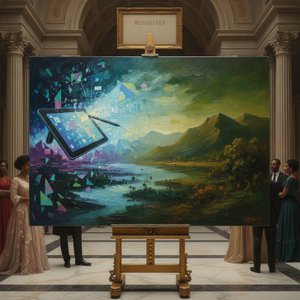
Prodaj svoje digitalno delo kot umetniško kopijo – ročno slikane oljne reprodukcije z garantiranim dobičkom
Prodajte svoje digitalno umetniško delo z OriginalUniqueArt – strokovno ročno slikane oljne reprodukcije, ki zagotavljajo visoko vrednost in popoln zaupanja. Uživajte v ekskluzivnem pristopu, transparentnosti in garanciji zadovoljstva.

Presežek Digitalne Reprodukcije: Estetska Vrednost, Trajnost in Čustveni Odziv v Primerjavi s Tradicionalnimi Foto Tiski
Odkrijte kakovostne digitalne reprodukcije umetnin po naročilu! Ročno poslikane slike, vrhunska tehnologija tiskanja in strokovno svetovanje. Ohranite lepoto umetnosti za vedno.

Timeless Elegance: The Exquisite Artistry and Enduring Legacy of Hand-Painted Oil Masterpieces
Elevate your collection with the tactile elegance of hand-painted oil masterpieces. From bespoke reproductions to custom portraits from photography, discover museum-quality artistry crafted by academy-trained experts for discerning collectors and designers worldwide.

From Initial Sketch to Enduring Legacy: A Comprehensive Exploration of the Oil Painting Reproduction Process
Discover the art of museum-quality oil painting reproduction. Explore our expert process, skilled artists & authentic replicas. Elevate your home with timeless beauty – handcrafted and customized to your vision.
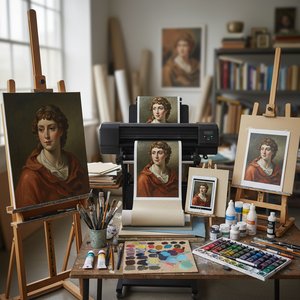
Umetnost ponovno ustvarjena: Raziskovanje tehnik ročnega slikanja, platna in papirnatih reprodukcij
Raziščite svet ročnega slikanja z OriginalUniqueArt! Kvalitetne reprodukcije slik, oljna platna po naročilu in strokovno restavriranje. Odkrijte tehnike, materiale in postopek ustvarjanja vaše umetnine.