Meni
Text size

() ·

A painting made for you, by hand

The Crucifixion

Ročno izdelana oljna reprodukcija

Ročno slikano olje na platnu v vaši izbiri velikosti in okvirja, izdelano po naročilu naših umetnikov. ( Preklop na tiskanine Preklop na digitalno sliko)

Opis zbirateljskega predmeta

Biografija umetnika

Meta Description: Raziskajte umetnost Lucas Cranacha starejšega – mojstrovine iz renesanse, portreti velikanov reformacije ter mitološke slike! Odkrijte njegovo dediščino in navdihnite se za umetniško zbiralništvo.

from ·

Chapter 1

How large should it be?

Slide to change the size; the picture on the left shows the frame at its real width. The proportions of the original are kept.

Standardna velikost
po meri
CM
INCH

Izberite eno od naših vnaprej določenih velikosti, ki ustrezajo prvotnim proporcijam umetničkega dela.

širina
višina

Vnesite širino in višino, ki jih potrebujete, da se slika prilega vašemu okviru ali steni. Ker je delo ročno slikano, lahko umetnik pri različnih oblikih slik pri robovih doda malo več barve ali pa jih malo odreže — izberite sami. Pred začetkom slikanja vam pošljemo digitalni predogled za potrditev. Slika, prikazana na tej strani, ni končni rezultat — le predogled prikazuje dejansko podobo.

Chapter 2

How should it arrive?

Choose the edges of the stretched canvas

Choose your frame

Corner sample of the WhiteWrap canvas edge finish, stretched on masivno drevo bars
White €1
Corner sample of the BlurSideWrap canvas edge finish, stretched on masivno drevo bars
Blurside €1
Corner sample of the ExtendedWrap canvas edge finish, stretched on masivno drevo bars
Extended €1
Corner sample of the P118B picture frame: izoblit polistiren, 5 cm wide and 3 cm thick
P118B €10
Corner sample of the P118H picture frame: izoblit polistiren, 5 cm wide and 3 cm thick
P118H €10
Corner sample of the P118W picture frame: izoblit polistiren, 5 cm wide and 3 cm thick
P118W €10
Corner sample of the P438Z picture frame: izoblit polistiren, 5.5 cm wide and 3.5 cm thick
P438Z €10
Corner sample of the P508JH picture frame: izoblit polistiren, 7 cm wide and 3.5 cm thick
P508JH €12
Corner sample of the P508YH picture frame: izoblit polistiren, 7 cm wide and 3.5 cm thick
P508YH €12
Corner sample of the P805H picture frame: izoblit polistiren, 5 cm wide and 3.5 cm thick
P805H €10
Corner sample of the P805Z picture frame: izoblit polistiren, 5 cm wide and 3.5 cm thick
P805Z €10
Corner sample of the P919BZ picture frame: izoblit polistiren, 7 cm wide and 3.5 cm thick
P919BZ €10
Corner sample of the P919G picture frame: izoblit polistiren, 7 cm wide and 3.5 cm thick
P919G €10
Corner sample of the P919XJ picture frame: izoblit polistiren, 7 cm wide and 3.5 cm thick
P919XJ €10
Corner sample of the P959ZH picture frame: izoblit polistiren, 5 cm wide and 3 cm thick
P959ZH €10
Corner sample of the P968JZ picture frame: izoblit polistiren, 6 cm wide and 4 cm thick
P968JZ €12
Corner sample of the W106C picture frame: masivno drevo, 5 cm wide and 3 cm thick
W106C €8
Corner sample of the W218G picture frame: masivno drevo, 5 cm wide and 3 cm thick
W218G €10
Corner sample of the W218JH picture frame: masivno drevo, 5 cm wide and 3 cm thick
W218JH €8
Corner sample of the W218Y picture frame: masivno drevo, 5 cm wide and 3 cm thick
W218Y €10
Corner sample of the W307PJ picture frame: masivno drevo, 6 cm wide and 3 cm thick
W307PJ €10
Corner sample of the W316G picture frame: masivno drevo, 6 cm wide and 3 cm thick
W316G €10
Corner sample of the W316PJ picture frame: masivno drevo, 6 cm wide and 3 cm thick
W316PJ €8
Corner sample of the W316Y picture frame: masivno drevo, 6 cm wide and 3 cm thick
W316Y €10
Corner sample of the W398PJ picture frame: masivno drevo, 5 cm wide and 3 cm thick
W398PJ €8
Corner sample of the W4111J picture frame: masivno drevo, 6.5 cm wide and 3.5 cm thick
W4111J €10
Corner sample of the W500HY picture frame: masivno drevo, 7 cm wide and 5 cm thick
W500HY €15
Corner sample of the W500JH picture frame: masivno drevo, 7 cm wide and 5 cm thick
W500JH €15
Corner sample of the W692G picture frame: masivno drevo, 8 cm wide and 4 cm thick
W692G €12
Corner sample of the W849H picture frame: masivno drevo, 5 cm wide and 3 cm thick
W849H €8
Corner sample of the W940BG picture frame: masivno drevo, 7.5 cm wide and 4.5 cm thick
W940BG €15
Corner sample of the W953PJ picture frame: masivno drevo, 6 cm wide and 3.5 cm thick
W953PJ €8
Corner sample of the H24-GOLD picture frame: gravirano leseno okvopje z gessoem, 10 cm wide and 6 cm thick
H24-GOLD €30
Corner sample of the H24-SILVER picture frame: gravirano leseno okvopje z gessoem, 10 cm wide and 6 cm thick
H24-SILVER €30
Corner sample of the H36-GOLD picture frame: gravirano leseno okvopje z gessoem, 15 cm wide and 6.5 cm thick
H36-GOLD €45
Corner sample of the H36-SILVER picture frame: gravirano leseno okvopje z gessoem, 15 cm wide and 6.5 cm thick
H36-SILVER €45
Predogled okvirja
V okviru

Moulding: . Overall size with the frame: .

Chapter 3

Who paints it, and should anything change?

Examples of what can be changed: Replace face with customer photo; Add pet (e.g., replace cat with dog); Include hidden message in background; Change background landscape or elements.
After order, OriginalUniqueArt.com team will email client for instructions and provide a mockup preview

Mednarodna dostava () v 3/4 tednih namesto običajnih 5 tednov. (30 oktober). Brez kompromisov pri kakovosti.

Chapter 4

The finishing touches

A nameplate, as in a museum?

Podrobnosti o gravirani bronasti plošči

This elegant plaque features the artist's name and the title of the artwork, finely engraved for a timeless presentation.

It is made from bronze with a refined, elegant finish. The text is precisely laser-engraved for a sharp and permanent result. Measuring 9x2 cm, the plaque is compact yet easy to read. It's built to be durable and scratch-resistant, offering a professional, museum-quality look. Mounting is simple thanks to the included adhesive backing.

Podrobnosti o transparentni akrilni plošči

The plaque includes essential engraved details such as the artist's name, the title of the artwork, the date it was created, the type of media used-like oil on canvas or watercolor-a brief description of the piece, and a QR code that links to the complete artwork information.

It is crafted from clear acrylic, offering a sleek, modern appearance. The text is UV-engraved in black to ensure strong visual contrast. With a size of 10x15 cm, it ensures optimal readability. It comes equipped with two metal hooks for secure wall mounting. The plaque is designed to be weather-resistant, making it suitable for various environments, and it includes interactive features that work seamlessly with smartphone scanning.

Podrobnosti o črni akrilni plošči

This elegant plaque includes engraved information such as the artist's name, the title of the artwork, the date it was created, the type of media used (like oil on canvas or watercolor), a short description of the artwork, and a QR code for quick access to more information.

The plaque itself is made from refined black acrylic with a premium finish. The text is laser-engraved in white for high contrast and readability. Its size is 10x15 cm, designed to be easy to read. It comes with two metal hooks for professional mounting. The design is sleek and fits any interior style. It is also weather-resistant and durable, with built-in digital integration for mobile compatibility.

A protective varnish?

When do you need it?

Chapter 5

Your painting, as you ordered it

The Crucifixion

Tehnik reprodukcije

Velikost reprodukcije

-

Izbor vrhunskih umetnikov

Več podrobnosti, dovršenosti in dodatnega časa za izdelavo

-

Okvir za reprodukcijo

-

-

Za umetniška dela ali reprodukcije, ki so po katerikoli strani širše od 105 cm (približno 41 palč), bo okvir poslan v razstavljeni obliki kot komplet. Ta metoda zagotavlja varno dostavo in preprečuje poškodbe med transportom.

Potrebna je profesionalna montaža – to ni izdelek za DIY izdelavo.
Komplet mora sestaviti in platno napeti izkušen profesionalni okvirjest, pri čemer bo uporabil lepil za les (ni vključeno), klešče za napetje platna in spone, da bi ohranil pravokotnost letev med sušenjem lepila. Nepravilna montaža ali neenakomerna napetost platna lahko trajno poškoduje umetniško del in ni pokrita z našo garancijo.

  • Vključene so vse letve iz masivnega lesa, natančno izrezane po meri.

  • Montaža poteka s priloženimi vijaki, vendar je za kotiče potrebna lepil za les, ki ga ni v kompletu in ga mora zagotoviti vaš okvirnik.

  • Za uporabo so potrebna profesionalna orodja, ki niso vključena: klešče za napinjanje platna (napetnik) in sponke za ohranjanje pravokotnosti letev med sušenjem lepila.

Pomembno:
Za stike v kotih potrebujete lepil za les, nosilce je treba z spenjačami držati, dokler se lepil popolnoma ne suši, za zategovanje platna na sestavljenem okvirju pa potrebujete spenjače za platno. Noben od teh pripomočkov ni vključen v komplet. Pred naročilom te velikosti, prosimo, poskrbite za izkušenega profesionalnega okvirja.

Značka z imenom

-

-

Zaščitni lak

Sijajni lak (poudarja barve ter zagotavlja zaščito pred svetlobo in vlago)

-

Prilagodi svoje umetniško delo

Primeri možnih prilagoditev: zamenjava obraza s fotografijo kupca; dodajanje hišnega ljubljenčka (npr. zamenjava mačke s psom); vključitev skritega sporočila v ozadje; sprememba krajšave ali elementov ozadja.

-

Hitra dostava

Mednarodna dostava () v 3/4 tednih namesto običajnih 5 tednov. (30 oktober). Brez kompromisov pri kakovosti.

-

Hitra dostava

Globalna dostava () v 5 tednih. (6 november).

Vključeno v ceno

Skupna cena

€ 266

Skupna cena € 266

Možnost stekla je na voljo le za velikosti pod 110 cm

Included with every order

  • Brezplačna ekspresna dostava po vsem svetu
  • Visokokakovostno laneno platno
  • Popolno zavarovanje pošiljke
  • Garancija povračila carine in uvoznih davkov
  • Garancija popolnega barvnega ujemanja
  • 100-dnevna politika vračil (le v primeru okvar)
  • Garancija 100% povračila denarja
  • Popust pri večjem naročilu

A Window Into Faith: Exploring Lucas Cranach’s ‘The Crucifixion’

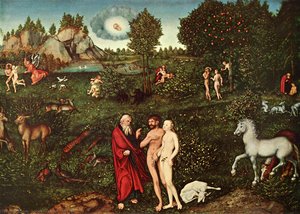
Lucas Cranach the Elder's “The Crucifixion,” painted in 1503 for the Schottenkirche in Vienna, transcends mere depiction; it embodies a profound meditation on faith and suffering—a cornerstone of Renaissance spirituality. This monumental canvas isn’t simply a visual representation of Christ’s sacrifice; it’s an artistic statement that speaks volumes about Cranach's evolving style and his engagement with the intellectual currents shaping Europe at the time.

The Dawn of Danube School Style

Cranach’s contribution to art history is undeniable, marking him as one of the earliest champions of what would become known as the Danube school. Unlike many of his contemporaries who adhered rigidly to Northern Renaissance conventions, Cranach infused his work with a distinctly Alpine sensibility—a dramatic landscape punctuated by crumbling ruins and windswept trees—that anticipates the avant-garde tendencies of later artists. This stylistic choice wasn’t arbitrary; it reflected a broader preoccupation with exploring the relationship between humanity and nature, mirroring humanist ideals gaining traction across the continent. The painting's execution demonstrates meticulous attention to detail, showcasing Cranach’s mastery of oil paint – a technique that allowed for nuanced tonal gradations and remarkable luminosity, capturing the ethereal quality of light filtering through the mountainous terrain.

Compositional Drama: Symbolism Embodied

The artwork’s composition is deliberately arresting. At its center stands Jesus Christ, crucified on the cross—a figure rendered with solemn dignity and palpable sorrow. Surrounding him are Mary Magdalene and other mourners, their faces etched with grief, conveying a visceral response to the tragedy unfolding before them. Notably, two horses dominate the scene, positioned strategically on either side of the crucifixion. While interpretations vary, these animals likely symbolize concepts of judgment and pilgrimage—representing the arduous journey toward redemption that Christians undertook during Jesus’s lifetime. The artist's careful placement of figures contributes to a dynamic visual narrative, guiding the viewer’s gaze across the canvas. Furthermore, the clothing worn by the figures – richly textured fabrics and elaborate ornamentation – serve as emblems of social status and underscore the painting’s historical context within the Habsburg court.

Vienna’s Schottenkirche: Contextual Significance

“The Crucifixion” resides in the Kunsthistorisches Museum in Vienna, Austria—a testament to its enduring artistic merit and a beacon for art enthusiasts worldwide. Established in 1891, the museum houses an unparalleled collection of European masterpieces, including works by Jan Van Eyck and Paolo Veronese, cementing Vienna’s position as a cultural epicenter. Cranach's decision to donate this painting to the Schottenkirche speaks volumes about his commitment to religious patronage and reflects the fervent piety prevalent in Habsburg Austria during the early sixteenth century. Its presence within such a prestigious institution ensures that future generations will continue to appreciate its artistic brilliance and contemplate its profound spiritual message.

Emotional Resonance: A Timeless Reflection

Ultimately, “The Crucifixion” transcends its formal elements—technique and composition—to deliver an emotionally resonant experience for the viewer. Cranach’s masterful portrayal of human suffering compels contemplation on themes of faith, mortality, and compassion. The painting's enduring appeal lies in its ability to evoke empathy and provoke introspection—a testament to the artist’s profound understanding of the human condition and his unwavering dedication to conveying spiritual truths through visual art. It remains a powerful reminder of the transformative power of artistic expression and its capacity to illuminate the complexities of human experience across centuries.

Vprašanja in odgovori

Katera barva prevladuje v kompoziciji dela "The Crucifixion" avtorja Lucas Cranach Starejši?

Barva, ki najbolj izstopa v delu "The Crucifixion", je Sap Green (#665d4e). Prevladujoča barva je koristna pri združevanju umetniškega dela z notranjo opremo.

V kateri umetniški smer spada "The Crucifixion" avtorja Lucas Cranach Starejši?

"The Crucifixion" je del umetniškega sloga Northern Renaissance, ki predstavlja umetniško tradicijo, v katero je delo vključeno.

Kako se slog dela "The Crucifixion" povezuje z dobo njegovega ustvarjalca?

"The Crucifixion" avtorja Lucas Cranach Starejši uvrščamo v smer Northern Renaissance, v obdobje Renesanca svojega ustvarjalca.

More about this painting

Predogled v realnem okolju Predogled v AR Preklop na tiskanine Preklop na digitalno sliko Pošlji
Podrobnosti o delu Priročnik Dodaj v priljubljene Prenesi sliko Podobni izdelki Rentgenski posnetek Predvajaj diaporama Q&A Statistika

In numbers

  • 1503the year it was painted
  • 29frames to choose from
  • standard sizes, in its own proportions
  • 5weeks to paint and deliver it
Lucas Cranach Starejši

Lucas Cranach Starejši

1472 - 1553, Nemčija

Quick facts about Lucas Cranach Starejši

  • Artistic Movement Or Style: German Renaissance
  • Artists Who Influenced This Artist: ['Hans Maler']
  • Date Of Birth: 1472
  • Full Name: Lucas Cranach the Elder
  • Nationality: German
  • Notable Artworks:
    • Stag Hunt
    • Self-Portrait
    • Annunciation to Joachim
  • Place Of Birth: Kronach, Germany

Biografija umetnika

A Renaissance Master of Saxony: The Life and Art of Lucas Cranach the Elder

Lucas Cranach the Elder, born in Kronach, Germany around 1472, stands as a pivotal figure of the German Renaissance. His life unfolded during a period of immense religious and political upheaval, and his art became inextricably linked to both the burgeoning Protestant Reformation and the opulent courts he served. Initially trained by his father, Hans Maler, Cranach’s early artistic development remains somewhat shrouded in mystery, though influences from South German masters are evident in his evolving style. He quickly distinguished himself not merely as a skilled craftsman but as an artist capable of capturing psychological depth alongside technical precision – qualities that would soon draw the attention of powerful patrons. In 1504, he entered the service of Frederick III, Elector of Saxony, a relationship that would define much of his career and provide him with both stability and access to influential circles. This appointment as court painter in Wittenberg wasn’t simply about producing decorative works; it placed Cranach at the very heart of one of the most transformative movements in European history.

Early Life and Artistic Training

Information regarding Lucas Cranach's formative years is scarce, reflecting a common characteristic of Renaissance artists whose personal histories were often deliberately obscured to enhance their artistic reputations. However, scholarly research suggests that he received his initial artistic education from his father, Hans Maler—a respected painter known for his frescoes in churches throughout Bavaria and Saxony. Like many artists of his time, Cranach’s training encompassed not only painting techniques but also humanist scholarship, fostering a broader intellectual understanding crucial to navigating the complexities of Renaissance culture. While precise details about his early stylistic influences remain elusive, evidence indicates connections with South German masters—particularly Matthias Grünewald—whose expressive use of color and dramatic compositions foreshadowed many innovations that would characterize Cranach’s mature oeuvre.

Service to Frederick III and Wittenberg

Cranach's ascension to prominence began in 1504 when he was appointed court painter to Frederick III, Elector of Saxony—a patronage that proved remarkably fruitful both artistically and politically. Wittenberg, Frederick’s seat of power and the epicenter of Luther’s Reformation movement, became Cranach’s artistic laboratory—a space where he honed his skills, experimented with new ideas, and engaged directly in shaping the visual culture of a nation undergoing radical transformation. This appointment wasn't merely about fulfilling a contractual obligation; it demanded an artist capable of conveying Luther’s theological convictions through compelling imagery—a task Cranach undertook with unwavering dedication and artistic brilliance. He produced no fewer than eleven portraits of Luther, each meticulously crafted to embody the reformer’s moral authority and intellectual conviction. These weren’t simply likenesses; they were carefully constructed images designed to project strength, piety, and erudition – essential qualities for a leader challenging papal dogma.

The Reformation Art: Symbolism and Narrative

Lucas Cranach's contribution to the Reformation extended far beyond portraiture. He spearheaded the production of woodcuts and engravings that disseminated Protestant doctrines widely—a feat unparalleled in its scope and impact. These prints weren’t merely didactic illustrations; they were artistic statements imbued with symbolic meaning—reflecting a profound shift away from Catholic iconography toward a more personal engagement with scripture. Cranach's depictions of biblical scenes moved decisively away from traditional representations, emphasizing direct confrontation with God’s word and fostering a deeper spiritual connection between the viewer and faith. The Annunciation to Joachim exemplifies this innovative approach—radiating joy and optimism as it portrays Mary receiving the divine messenger—a visual testament to Luther's belief in predestination and divine grace. Cranach skillfully employed color, composition, and symbolism to convey complex theological concepts—demonstrating that art could serve as a powerful vehicle for religious persuasion.

Style and Technique: A Legacy of Elegance and Precision

Lucas Cranach the Elder’s artistic style is instantly recognizable—characterized by elongated figures with graceful proportions, vibrant hues, and meticulous attention to detail. His technique involved a masterful blend of oil painting, woodcut, and engraving—allowing him to reach a vast audience through both original artworks and affordable prints. The workshop established by Cranach became renowned for its distinctive aesthetic—reflecting the humanist ideals prevalent in Renaissance Germany. Cranach’s mastery of perspective and chiaroscuro—the interplay of light and shadow—created dramatic visual effects that heightened the emotional impact of his paintings. Stag Hunt of Elector Friedrich III the Wise stands as a paragon of Northern Renaissance style—capturing the dynamism of the hunt while simultaneously conveying the noble status of its patron—a testament to Cranach’s ability to synthesize artistic innovation with humanist conviction. His portraits are equally compelling, distinguished by their psychological insight and refined execution—demonstrating that an artist could convey profound emotion through subtle gestures and nuanced expressions.

Concluding Reflections: An Enduring Influence

Lucas Cranach the Elder died in 1553, leaving behind a monumental artistic legacy that continues to inspire admiration and scholarly inquiry today. He was arguably the most influential painter of his era—a master of portraiture, a visionary interpreter of religious themes, and a shrewd businessman who understood the transformative potential of visual communication. His work transcends mere stylistic imitation; it embodies the spirit of the Renaissance—characterized by intellectual curiosity, humanist conviction, and artistic daring. Cranach’s enduring influence can be discerned in the works of countless subsequent artists—who adopted his techniques and embraced his aesthetic sensibilities—solidifying his place as one of the foremost figures of European art history. From the iconic portraits of Martin Luther to the captivating mythological scenes—Cranach's oeuvre remains a beacon of artistic excellence—a testament to the power of imagination, skill, and unwavering dedication to conveying profound human experience.

Ključni podatki

  • Artist: Lucas Cranach the Elder
  • Notable elements or techniques: Detailed clothing; Two horses
  • Influences: Northern Renaissance
  • Artistic style: Early Renaissance; Danube School
  • Subject or theme: Religious iconography
  • Medium: Oil on panel

Umetniški kviz

Pri vsakem vprašanju je na voljo le eden pravilen odgovor.

Vprašanje 1:
What is the primary subject matter of Lucas Cranach the Elder’s ‘The Crucifixion’?
Vprašanje 2:
In what year was ‘The Crucifixion’ painted?
Vprašanje 3:
Which artistic movement is Cranach’s style associated with?
Vprašanje 4:
Where is ‘The Crucifixion’ currently housed?
Vprašanje 5:
What prominent element contributes to the avant-garde quality of Cranach’s ‘The Crucifixion’?