
 Predogled
 Pošlji
 Deli
Deli
 Podrobnosti o delu

 Prenesi
 Podobni izdelki
 Rentgenski posnetek
 Predvajaj diaporama
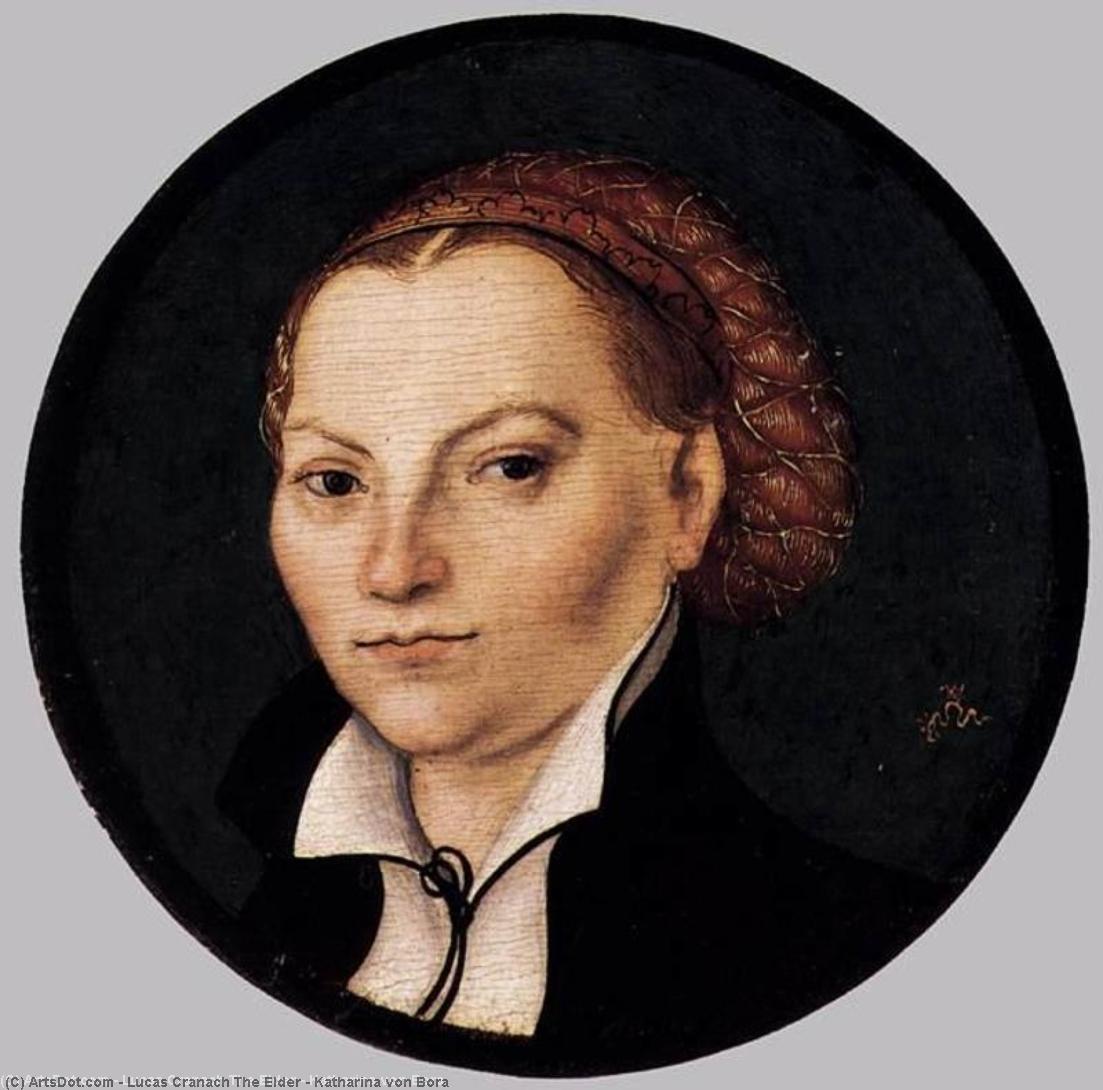
Katharina von Bora


 Razviljaj več
Kupite digitalno sliko visoke ločljivosti z izboljšano kakovostjo, ki je precej boljša od spletnega predogleda.
Vsaka datoteka je pod natančnim nadzorom naših strokovnjakov, ki uporabljajo napredna orodja in strokovno ročno obdelavo. Zagotovimo, da ima vsaka slika izjemno jasnost, natančnost barv in fine podrobnosti.
Končna datoteka je po e-pošti dostavljena v 72 urah, optimizirana za takojšnjo uporabo v profesionalnem, uredniškem in tiskarskem okolju. To je kakovost, ki ji zaupajo vrhunska oblikovalna studia, založniki in galerije.
Digitalna slika
Prenesite datoteko visoke ločljivosti za osebno uporabo, tiskanje in kreativne projekte. ( Kupi tisk Kupi ročno naslikano sliko)
Vključeno v vsako naročilo digitalne slike
Zagotovljena strokovna digitalna dostava
Ko izberete OriginalUniqueArt.com, ne prejmete le slike – prejmete digitalno umetniško delo, ki je profesionalno urejeno, izdelano z natančnostostjo in zavestno zagotovljeno z garancijo za zadovoljstvo. Tukaj je vse, kar samodejno prejmete z vašim naročilom:

Hitra dostava prek e-pošte
Vaša digitalna slika visoke ločljivosti bo na vaš e-naslov poslana v roku 72 ur od zaklopa naročila – pripravljena za takojšnjo uporabo.

Digitalna datoteka z umetno inteligenco
Vaše umetniško delo je strokovno optimizirano z uporabo naprednih orodij umetne inteligence in ročne obdelave, kar zagotavlja največjo stopnjo podrobnosti, jasnosti in barvne natančnosti.

Brezplačna ponovna dostava za vse življenje
Ste zaradi nespremietne napake izgubili ali izbrisali svojo datoteko? Ni težav – vam jo bomo ponovno poslali kadar koli in brezplačno.

Brez uvoznih pristojbin – vedno
Uživajte v svojem umetniškem delu takoj, brez carin, davkov ali stroškov dostave – digitalni prenosi so vedno brezdavčni.

Zagotovilo natančnosti barv
Z uporabo profesionalnih orodij in upravljanja barv zagotavljamo, da vaša digitalna slika čim bolj natančno odraža prvotne barve.

60-dnevna garancija zadovoljstva
Če niste zadovoljni s svojo digitalno sliko, jo bomo uredili ali vam v 60 dneh povrnili 100% denarja – brez kakršnih koli vprašanj.

100% Garancija povračila denarja
Niste zadovoljni? Zagovрите popoln povračilo sredstev v 60 dneh po prejemu digitalne datoteke – brez kakršnih koli vprašanj.

Popusti pri večjem številu naročil
Kupite 3 slike, prihranite 10% - Kupite 5 slik, prihranite 15% - Kupite 10+ slik, prihranite 20%. Odlično za kreativne projekte, galerije in agencije.
Opis digitalnega artefakta
Katharina von Bora: A Portrait of Faith Amidst Reformation Turbulence
The Katharina von Bora painting by Lucas Cranach The Elder stands as a testament to the artistic fervor and spiritual complexities of the Northern Renaissance, specifically capturing a pivotal moment in European history – the Protestant Reformation. Created in 1525, this oil on panel portrait transcends mere representation; it embodies the enduring legacy of Martin Luther’s marriage to Katharina von Bora, symbolizing resilience, piety, and the transformative power of faith during a period of profound societal upheaval.The Artist's Vision: Lucas Cranach The Elder – A Synthesis of Gothic and Renaissance Influences
Lucas Cranach The Elder (1472-1553) was more than just a painter; he was a cultural icon of Saxony, shaping the artistic landscape of his time with an unparalleled blend of Gothic and Renaissance sensibilities. Trained initially by his father, Hans Maler, Cranach swiftly ascended to prominence thanks to his ability to infuse classical elegance with emotional depth – qualities that would solidify his reputation as one of the foremost portraitists of his era. His distinctive style favored meticulous detail combined with luminous color palettes, mirroring the humanist ideals championed during the Renaissance while retaining traces of Gothic solemnity. The Katharina von Bora portrait exemplifies this masterful fusion, demonstrating Cranach’s profound understanding of human psychology and artistic technique.A Detailed Examination: Composition and Symbolism
The painting's composition is deliberately balanced, reflecting the harmonious union envisioned by Luther and Katharina. Her gaze directs towards the viewer with quiet confidence, conveying a sense of dignity and inner strength—a deliberate contrast to the turbulent religious debates raging across Europe at the time. Cranach’s masterful use of light and shadow sculpts her face, highlighting her cheekbones and emphasizing her serene expression. The white collar she wears symbolizes purity and piety, reinforcing the spiritual significance of their marriage. Furthermore, the subtle smile on Katharina's lips hints at inner contentment—a poignant reminder that amidst the turmoil of reformation, love and faith could flourish. The crown-like hairstyle subtly references Luther’s theological authority, underscoring the importance of leadership in shaping religious belief.Technique and Materials: Mastering Oil Paint on Panel
Cranach's technique is characterized by painstaking layering of thin glazes—a hallmark of Renaissance oil painting—allowing for unparalleled luminosity and depth. He meticulously blended pigments to achieve subtle gradations of color, capturing the nuances of skin tone and fabric texture with remarkable accuracy. The panel substrate provided stability and allowed for a rich surface finish, enhancing the visual impact of the artwork. Cranach’s dedication to craftsmanship ensured that Katharina von Bora would endure as an exemplar of artistic excellence—a timeless portrait reflecting both beauty and intellectual contemplation.Historical Context: Reformation's Reflection in Art
The Katharina von Bora painting emerged during a period defined by religious reformation, where Luther’s challenge to papal authority sparked dramatic changes across Christendom. Cranach skillfully captured this atmosphere of uncertainty and conviction, presenting Katharina as a beacon of faith amidst the storm. The portrait served not only as a commemoration of their marriage but also as an emblem of Lutheran ideals—humility, piety, and devotion to God—values that resonated deeply within the burgeoning Protestant movement. Its enduring appeal speaks to the universal desire for beauty and contemplation in times of change.Where to Find More Information & Reproductions
For more information on Lucas Cranach The Elder and his remarkable oeuvre, visit https://OriginalUniqueArt.com/. Explore other iconic works by Cranach: “The Venus standing in a landscape painting,” created in 1529, is housed in the Musée du Louvre in Paris, France. You can find it here: /art/list/?Filter=8CABU5-Lucas-Cranach-The-Elder-Venus-standing-in-a-landscape. Discover exquisite handmade oil paintings reproductions of Katharina von Bora and countless other masterpieces at https://OriginalUniqueArt.com/.Biografija umetnika
A Renaissance Master of Saxony: The Life and Art of Lucas Cranach the Elder
Lucas Cranach the Elder, born in Kronach, Germany around 1472, stands as a pivotal figure of the German Renaissance. His life unfolded during a period of immense religious and political upheaval, and his art became inextricably linked to both the burgeoning Protestant Reformation and the opulent courts he served. Initially trained by his father, Hans Maler, Cranach’s early artistic development remains somewhat shrouded in mystery, though influences from South German masters are evident in his evolving style. He quickly distinguished himself not merely as a skilled craftsman but as an artist capable of capturing psychological depth alongside technical precision – qualities that would soon draw the attention of powerful patrons. In 1504, he entered the service of Frederick III, Elector of Saxony, a relationship that would define much of his career and provide him with both stability and access to influential circles. This appointment as court painter in Wittenberg wasn’t simply about producing decorative works; it placed Cranach at the very heart of one of the most transformative movements in European history.Early Life and Artistic Training
Information regarding Lucas Cranach's formative years is scarce, reflecting a common characteristic of Renaissance artists whose personal histories were often deliberately obscured to enhance their artistic reputations. However, scholarly research suggests that he received his initial artistic education from his father, Hans Maler—a respected painter known for his frescoes in churches throughout Bavaria and Saxony. Like many artists of his time, Cranach’s training encompassed not only painting techniques but also humanist scholarship, fostering a broader intellectual understanding crucial to navigating the complexities of Renaissance culture. While precise details about his early stylistic influences remain elusive, evidence indicates connections with South German masters—particularly Matthias Grünewald—whose expressive use of color and dramatic compositions foreshadowed many innovations that would characterize Cranach’s mature oeuvre.Service to Frederick III and Wittenberg
Cranach's ascension to prominence began in 1504 when he was appointed court painter to Frederick III, Elector of Saxony—a patronage that proved remarkably fruitful both artistically and politically. Wittenberg, Frederick’s seat of power and the epicenter of Luther’s Reformation movement, became Cranach’s artistic laboratory—a space where he honed his skills, experimented with new ideas, and engaged directly in shaping the visual culture of a nation undergoing radical transformation. This appointment wasn't merely about fulfilling a contractual obligation; it demanded an artist capable of conveying Luther’s theological convictions through compelling imagery—a task Cranach undertook with unwavering dedication and artistic brilliance. He produced no fewer than eleven portraits of Luther, each meticulously crafted to embody the reformer’s moral authority and intellectual conviction. These weren’t simply likenesses; they were carefully constructed images designed to project strength, piety, and erudition – essential qualities for a leader challenging papal dogma.The Reformation Art: Symbolism and Narrative
Lucas Cranach's contribution to the Reformation extended far beyond portraiture. He spearheaded the production of woodcuts and engravings that disseminated Protestant doctrines widely—a feat unparalleled in its scope and impact. These prints weren’t merely didactic illustrations; they were artistic statements imbued with symbolic meaning—reflecting a profound shift away from Catholic iconography toward a more personal engagement with scripture. Cranach's depictions of biblical scenes moved decisively away from traditional representations, emphasizing direct confrontation with God’s word and fostering a deeper spiritual connection between the viewer and faith. The Annunciation to Joachim exemplifies this innovative approach—radiating joy and optimism as it portrays Mary receiving the divine messenger—a visual testament to Luther's belief in predestination and divine grace. Cranach skillfully employed color, composition, and symbolism to convey complex theological concepts—demonstrating that art could serve as a powerful vehicle for religious persuasion.Style and Technique: A Legacy of Elegance and Precision
Lucas Cranach the Elder’s artistic style is instantly recognizable—characterized by elongated figures with graceful proportions, vibrant hues, and meticulous attention to detail. His technique involved a masterful blend of oil painting, woodcut, and engraving—allowing him to reach a vast audience through both original artworks and affordable prints. The workshop established by Cranach became renowned for its distinctive aesthetic—reflecting the humanist ideals prevalent in Renaissance Germany. Cranach’s mastery of perspective and chiaroscuro—the interplay of light and shadow—created dramatic visual effects that heightened the emotional impact of his paintings. Stag Hunt of Elector Friedrich III the Wise stands as a paragon of Northern Renaissance style—capturing the dynamism of the hunt while simultaneously conveying the noble status of its patron—a testament to Cranach’s ability to synthesize artistic innovation with humanist conviction. His portraits are equally compelling, distinguished by their psychological insight and refined execution—demonstrating that an artist could convey profound emotion through subtle gestures and nuanced expressions.Concluding Reflections: An Enduring Influence
Lucas Cranach the Elder died in 1553, leaving behind a monumental artistic legacy that continues to inspire admiration and scholarly inquiry today. He was arguably the most influential painter of his era—a master of portraiture, a visionary interpreter of religious themes, and a shrewd businessman who understood the transformative potential of visual communication. His work transcends mere stylistic imitation; it embodies the spirit of the Renaissance—characterized by intellectual curiosity, humanist conviction, and artistic daring. Cranach’s enduring influence can be discerned in the works of countless subsequent artists—who adopted his techniques and embraced his aesthetic sensibilities—solidifying his place as one of the foremost figures of European art history. From the iconic portraits of Martin Luther to the captivating mythological scenes—Cranach's oeuvre remains a beacon of artistic excellence—a testament to the power of imagination, skill, and unwavering dedication to conveying profound human experience.
Lucas Cranach Starejši
1472 - 1553 , Nemčija
Ključne informacije
- Artistic Movement Or Style: German Renaissance
- Artists Who Influenced This Artist: ['Hans Maler']
- Date Of Birth: 1472
- Full Name: Lucas Cranach the Elder
- Nationality: German
- Notable Artworks:
- Stag Hunt
- Self-Portrait
- Annunciation to Joachim
- Place Of Birth: Kronach, Germany

