

 Preverite v realnem okolju
 Pošlji kot čestitko
 Deli
Deli
 Podrobnosti
 Priročnik

 Prenesi
 Podobni artefakti
 Rentgenski posnetek
 Predvajaj diaporama
 Statistika
Larkspur
 Acrylic On Canvas
- WallArt
- Impressionism & Expressionism
 1924
1924- 19th Century
 100.0 x 80.0 cm
 Bayerische Staatsgemäldesammlungen
 Preberi več
Giclée tisk / Umetniški tisk
Giclée ali platnati odtis muzejske kakovosti z hitro proizvodnjo in prilagodljivimi možnostmi končne obdelave. ( Naročite ročno slikano reprodukcijo Preklop na digitalno sliko)




P118B €10

P118H €10

P118W €10

P438Z €10

P508JH €12

P508YH €12

P805H €10

P805Z €10

P919BZ €10

P919G €10

P919XJ €10

P959ZH €10

P968JZ €12

W106C €8

W218G €10

W218JH €8

W218Y €10

W307PJ €10

W316G €10

W316PJ €8

W316Y €10

W398PJ €8

W4111J €10

W500HY €15

W500JH €15

W692G €12

W849H €8

W940BG €15

W953PJ €8




Izberite eno od naših vnaprej določenih velikosti, ki ustrezajo prvotnim proporcijam umetničkega dela.

Vnesite širino in višino, ki jih potrebujete za svoj okvir ali steno. Tiskanje se lahko le odreže, vendar ga ni mogoče narediti večjega od slike, zato format z drugačno obliko pomeni izgubo dela slike. Pred tiskanjem vam pošljemo digitalni predogled za potrditev. Slika, prikazana na tej strani, ne prikazuje dejanskega izrezkov — le predogled to omogoča.
Globalna dostava () v 2 tednih namesto standardnih 4/5 tednov. (21 oktober)

Brezplačna ekspresna dostava po vsem svetu

Visokokakovostno laneno platno

Popolno zavarovanje pošiljke

Garancija povračila carine in uvoznih davkov

Garancija popolnega barvnega ujemanja

Politika vračila v 100 dneh (le v primeru okvar)

Garancija 100% povračila denarja

Popust pri večjem naročilu
 Možnost stekla je na voljo le za velikosti pod 110 cm

Larkspur
Giclée tisk / Umetniški tisk
Velikost reprodukcije
-


Skupna cena
€ 70
Lovis Corinth: Bridging Impressionism & Expressionism – A Study of Artistic Evolution
Lovis Corinth (1858-1925) stands as a pivotal figure in the transition from Impressionism to Expressionism, an artist who skillfully synthesized these influential movements into a uniquely personal style. His journey began in rural East Prussia, where his upbringing instilled a deep appreciation for nature’s raw beauty – a sensibility that would resonate throughout his oeuvre. Initially drawn to academic painting, Corinth swiftly recognized its limitations and embarked on a transformative path of exploration fueled by diverse influences and tragically punctuated by personal hardship.
- Early Influences: Corinth's formative years were shaped by the teachings of Ludwig von Löfftz at Munich’s Academy of Fine Arts, emphasizing meticulous observation and capturing subtle tonal variations. He absorbed lessons from Courbet and the Barbizon school, artists who championed realism rooted in direct experience.
- Parisian Exploration: Corinth's relocation to Paris proved crucial for broadening his artistic horizons. Studying under Bouguereau and Robert-Fleury honed his draftsmanship skills and exposed him to classical ideals alongside burgeoning modernist tendencies.
The Secession Movement & Artistic Innovation
Joining the Munich Secession in 1894 marked a decisive moment, propelling Corinth into the vanguard of artistic experimentation. Alongside Max Liebermann, he championed a radical departure from academic conventions, advocating for freedom of expression and embracing bold color palettes. This affiliation fostered collaboration with fellow artists who challenged established norms and pushed boundaries.
- Bold Color Palette: Corinth’s distinctive style is characterized by vibrant hues—a hallmark of Expressionism—that convey emotion and dynamism rather than merely representing visual reality.
- Dynamic Brushstrokes: His technique involved energetic brushstrokes that captured movement and texture, mirroring the turbulent spirit of his time.
“Larkspur”: A Still Life Embodied
"Larkspur," painted in 1924, exemplifies Corinth’s masterful ability to distill complex emotions into deceptively simple compositions. This stunning piece at the Bayerische Staatsgemaldesammlungen captures the essence of Impressionistic beauty while simultaneously hinting at Expressionist fervor. The painting depicts a vase brimming with colorful blooms—primarily striking blue larkspurs—placed upon a checkered tablecloth against a backdrop of a window and curtains.
- Composition & Light: Corinth skillfully utilizes light to illuminate the flowers, creating depth and enhancing their visual impact. The arrangement is carefully considered, guiding the viewer’s gaze across the canvas.
- Symbolism: Larkspurs themselves carry symbolic significance—representing purity, devotion, and remembrance—reflecting Corinth's preoccupation with themes of spirituality and human experience.
A Legacy of Emotional Intensity
"Larkspur" stands as a testament to Corinth’s unwavering commitment to conveying emotion through art. Like his other celebrated works – “Wilhelmine in a Yellow Hat” and “Thomas and Wilhelmine” – it embodies the artist's profound engagement with the human condition. For those seeking inspiration or contemplating acquiring a reproduction of this iconic masterpiece, Bavarian State Painting Collections offer unparalleled access to Corinth’s artistic vision. Explore more at OriginalUniqueArt.
Vprašanja in odgovori
Kako si lahko ogledam predogled reprodukcije dela "Larkspur" avtorja Lovis Korint?
Predogled dela "Larkspur" avtorja Lovis Korint je na strani Predogled za to umetniško delo.
Koliko so harmonizirane barve dela "Larkspur" avtorja Lovis Korint?
Barvna harmonija dela "Larkspur" je zabeležena kot Softly Mixed Palette.
Ali so barve dela "Larkspur" močne ali nežne?
"Larkspur" avtorja Lovis Korint prikazuje Balanced intenzivnost barv.
Biografija umetnika
Življenje, oblikovano s črtami: Svet Lovisa Cornitha
Lovis Corinth, rojen kot Franz Heinrich Louis 21. julija 1858 v pruski provinciji Vzhodna Pruska, je bil나 lik, ki je utelesil turbulentni prehod med umetnostni svet 19. in začetka 20. stoletja. Njegova pot ni bila polna takojšnjega priznanja, temveč bolj postopne evolucije, ki jo je poganjalo neustavljivo študiranje, raznoliki vplivi in, končno, osebna tragedija. Corinthove začetke je krojila podeželska pokrajina njegove rojstne kraja, Tapiau, kjer je bil njegov oče kožuhar. Ta zgodnja izpostavljenost fizičnosti dela in surov lažni narave je subtilno prežela njegovo kasnejšo tvorbo, tudi med bolj sofisticiranimi slogovnimi raziskavami. Na Akademii v Königsbergu je začel študirati leta 1av 1876, vendar je hitro spoznal, da akademska tradicija sama po sebi ne bo zadovoljila njegovih umetniških ambicij. Sledil je obdobje potovanj, ki ga je vodilo skozi München, Antwerp in končno Pariz – vsako mesto je služilo kot ključna stopnica v njegovem razvoju. V Münchenu je sprejel natančen realizem, ki ga je zagovarjal Ludwig von Löfftz, s čimer je izpilil svoje opazovalne veščine in osvojil tehniko. Antwerp ga je uvedel v dramatično barokno intenzivnost Rubensa, Pariz pa ga je izpostavil vzrojevnemu impresionističnemu gibanju, čeprav je bil njegov prvotni odziv bil bolj previdno opazovanje kot takojšnje sprejetje.Od naturalizma do sinteze slogov
Corinthov umetniški razvoj ni bil zaznamovan s hitrimi revolucija, temveč z postopnim vključevanjem in sintezo raznolikih vplivov. Njegovo zgodnje del je močno tehtelo proti naturalizmu, kar je odražalo takratne prevladujoče akademske standarde. Slike, kot je »V klinišču« (1878), s svojo nepopustljivo prikazovanjem živalskih trupl, kažejo to predanost realističnemu predstavljanju, vendar že tukaj se začne pojavljati začetna čustna intenzivnost. Sama tematika – grozljiva in vizceralna – nakazuje pripravljenost na soočanje z neprijetnimi resnicami, kar je značilnost, ki bo v njegovem kasnejšem delu postala vse bolj izrazita. Čas, ki ga je preživel pri študiranju starih mojstrov, predvsem Rubensa, mu je vdel ljubezen do dinamične kompozicijo in ekspresivnega črtanja. Vendar je bila prav njegova izpostavljenost impresionizmu – sprva gledanega s skepticizmom – tista, ki se je na koncu izkazala za preobrazbno. Ni le sprejel razbitega barvnega tona in prehodne svetlobne učinke Monetja ali Renoirja; namesto tega je te elemente integriral v svojo edinstveno vizijo, s čimer je ustvaril slog, ki je združeval impresionistično živahnost z izrazito nemško senzibilnostjo. Ta sinteza ga je sčasoma postavila v vlogo mostu med impresionizmom in ekspresionizmom, dvema gibanjem, ki sta definirala umetniško pokrajino zgodnjega 20. stoletja.Mojster portreta in pokrajine
Čepol je Corinth skozi svojo kariero raziskoval različne žanre – vključno s bibličnimi scenami in mitološkimi temami – se je morda najbolje zapomnil po svojih portretih in pokrajinah. Njegova portretna slika ni bila le zajemanje fizične podobnosti; bila je poskus prodreti v psihološke globine njegovih modelov, razkrivanje njihovega notranjega življenja skozi subtilne geste, ekspresivne oči in skrbno premišljene kompozicije. Imel je izjemno sposobnost prenosa značaja in čustev z neverjetno ekonomičnostjo sredstev. Podobno njegove pokrajine niso bile le prikazi lepih razgledov, temveč čustveni odzivi na naravo. Regija Walchensee v Bavarskih Alpah je postala posebna vir navdih, saj mu je nudila bogatstvo motivov, ki jih je znova in znova raziskoval v svojih poznejših letih. Te slike so značilne po svojih drznih barvah, dinamičnih poteh in občutku surove energije, ki odraža Corinthovo lastno strastno vključevanje v naravni svet. Ni bil zainteresiran v idiličnih predstavah; namesto tega je želel zajeti neukrotjeno moč in izvorno dramo pokrajine.Tragedija, odpornost in trajen dediščina
Ključni trenutek v Corinthovem življenju – in morda tudi v njegovem umetniškem razvoju – je bila možganska utruitev, ki jo je doživel v decembru 1911. Paraliza, ki jo je povzročila na njegovi levi strani, je ogrozila končne svojo kariero. Vendar pa je z neomajno odločnostjo in s podporo svoje žene, Charlotte Berend-Corinth, ponovno naučil slikati, se prilagodil svojim fizičnim omejitvam in razvil še bolj ekspresiven slog. To obdobje je označilo prelomnico v njegovem delu, saj so njegove slike postale vse bolj drzne, gestualne in čustveno nabite. Izkušnja soočanja s smrtnostjo in fizično ranljivostjo je v njegovo umetnost vlijala nov občutek nujnosti in avtentičnosti. Sprejel je bolj ohlajen črtopis in intenzivnejšo barvno paleto, s čimer je predvidel številne slogovne inovacije, ki bodo določile ekspresionizem. Corinthov vpliv se je širil dlje od njegove lastne slikarstva; bil je tudi spoštovan učitelj in pisec o umetnosti, ki je objavljal eseje, kot je »O učenju slikati« leta 1908, s čimer je ponudil vpogled v svojo umetniško filozofijo in tehničen pristop. Od leta 1915 do smrti leta 1925 je služil kot predsednik Berlinske secesije, pri čemer je zagovarjal progresivne umetniške ideje in spodbudljal živahno ustvarjalno skupnost. Corinthova dediščina ne leža v njegovem izjemnem delu, temveč tudi v njegovi neomajni zavezanosti umetniški integriteti in sposobnosti, da osebno tragedijo spremeni v globoko umetniško izražanje. Ostaja ključna figura v zgodovini nemške umetnosti, mojster, ki je premostil dve dobo in pustil neizbrisno sled generacijom umetnikov, ki prihajajo.Ključna dela in njihove pomembnosti
- V klinišču (1878): Stark, realističen prikaz živalskih trupl, ki prikazuje Corinthovo zgodnjo obvladovanje tehnike in njegovo pripravljenost na soočanje z neprijetnimi temami.
- Samoportret (razne leta): Serija samoportretov, ustvarjenih vsako leto na njegov rojstni dan, ki ponuja fascinantno kroniko umetnikove razvijajoče se samozaznavanja in umetniškega sloga. Ta dela razkrivajo globoko introspekcijo in neustrašljivo raziskovanje identitete.
- Polnagost ženske s klobukom (1906): Demonstrira Corinthovo sposobnost združevanja klasičnih motivov z impresionističnimi tehnikami, kar ustvarja čuten in psihološko prepričljiv portret.
- Serija Walchensee (razne leta): Zbirka pokrajin, ki prikazujejo regijo Walchensee v Bavarski, značilno po svojih živahnih barvah, dinamičnih poteh in čustveni intenzivnosti. Te slike predstavljajo Corinthov zrel slog v njegovi najmočnejši in najbolj ekspresivni obliki.
- Zadnji samoportret (1924): Naslikan tik pred njegovo smrtjo, ta sklad je ganljiv spomenik umetnikovi odpornosti in neomajni duhi v soočenju s fizično težko usodo. Zaradi svoje simbolike predstavlja vrhunec njegove umetniške poti in služi kot močan simbol človekove vzdržljivosti.

Lovis Korint
1858 - 1925 , Nemčija
Ključne informacije
- Artistic Movement Or Style: Impressionizem & Ekspresionizem
- Artists Or Movements Influenced By This Artist: ['Ekspresionizem']
- Artists Who Influenced This Artist:
- Courbet
- Rubens
- Date Of Birth: Julij 21, 1858
- Date Of Death: Julij 17, 1925
- Full Name: Franz Heinrich Louis Corinth
- Nationality: Nemška
- Notable Artworks:
- In the Slaughter House
- Samoportret
- Ženska polnoba
- Place Of Birth: Tauwade, Nizozemska
Sorodni članki

Lovis Corinth: Bridging Impressionism & Expressionism – A Study of Artistic Evolution
Explore the fascinating artistic journey of Lovis Corinth, a pivotal figure bridging Impressionism & Expressionism. Discover his evolution, key works, and lasting impact on modern art with OriginalUniqueArt.

Blossoms of Time: A Historical Journey Through Flower Painting
Explore the captivating history of flower painting! Discover Dutch masters, symbolic meanings, & botanical art. Expert insights & high-quality reproductions at OriginalUniqueArt.
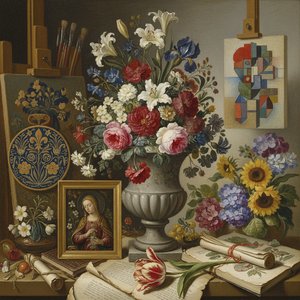
Blossoming Symbolism: A Historical Journey Through Flowers in Western Painting
Explore the rich history of flower symbolism in Western painting! Discover how artists from the Renaissance to Modernism used blossoms to convey meaning, emotion & beauty. Learn about iconic artworks and movements.

Blossoms of Time: A Historical & Aesthetic Exploration of Floral Painting Across Cultures
Explore the rich history of floral painting! Discover symbolism, techniques & masterpieces from Van Huysum to O'Keeffe. Expert insights for art lovers & collectors at OriginalUniqueArt.

Impressionism's Masterpieces: 10 Paintings That Defined a Movement | OriginalUniqueArt
Journey through Impressionism's heart with 10 iconic paintings by Monet, Renoir & Degas. Explore light, color & the stories behind these masterpieces. Find museum-quality art reproductions and elevate your home decor on OriginalUniqueArt.com.
