

 Preverite v realnem okolju
 Pošlji kot čestitko
 Deli
Deli
 Podrobnosti
 Priročnik

 Prenesi
 Podobni artefakti
 Rentgenski posnetek
 Predvajaj diaporama
 Statistika
Last Supper
 Early Renaissance
 1403
1403 39.0 x 39.0 cm
 Baptisterij Firenc
 Preberi več
Ročno izdelana oljna reprodukcija
Ročno slikano olje na platnu v vaši izbiri velikosti in okvirja, izdelano po naročilu naših umetnikov. ( Preklop na tiskanine Preklop na digitalno sliko)




P118B €10

P118H €10

P118W €10

P438Z €10

P508JH €12

P508YH €12

P805H €10

P805Z €10

P919BZ €10

P919G €10

P919XJ €10

P959ZH €10

P968JZ €12

W106C €8

W218G €10

W218JH €8

W218Y €10

W307PJ €10

W316G €10

W316PJ €8

W316Y €10

W398PJ €8

W4111J €10

W500HY €15

W500JH €15

W692G €12

W849H €8

W940BG €15

W953PJ €8




Izberite eno od naših vnaprej določenih velikosti, ki ustrezajo prvotnim proporcijam umetničkega dela.

Vnesite širino in višino, ki jih potrebujete, da se slika prilega vašemu okviru ali steni. Ker je delo ročno slikano, lahko umetnik pri različnih oblikih slik pri robovih doda malo več barve ali pa jih malo odreže — izberite sami. Pred začetkom slikanja vam pošljemo digitalni predogled za potrditev. Slika, prikazana na tej strani, ni končni rezultat — le predogled prikazuje dejansko podobo.
Po oddaji naročila bo ekipa OriginalUniqueArt.com stranki po e-pošti poslala navodila in predogled digitalnega predogleda.
Mednarodna dostava () v 3/4 tednih namesto običajnih 5 tednov. (23 oktober). Brez kompromisov pri kakovosti.

Brezplačna ekspresna dostava po vsem svetu

Visokokakovostno laneno platno

Popolno zavarovanje pošiljke

Garancija povračila carine in uvoznih davkov

Garancija popolnega barvnega ujemanja

Politika vračila v 100 dneh (le v primeru okvar)

Garancija 100% povračila denarja

Popust pri večjem naročilu
 Možnost stekla je na voljo le za velikosti pod 110 cm

Last Supper
Tehnika reprodukcije
Velikost reprodukcije
-


Skupna cena
€ 263
The Last Supper: A Florentine Masterpiece of Emotion and Perspective
Lorenzo Ghiberti’s “Last Supper,” painted between 1403 and 1424 for the north doors of the Florence Baptistery, isn't merely a depiction of a biblical event; it’s a profound exploration of human emotion, a revolutionary leap in artistic perspective, and a testament to the burgeoning spirit of the Early Renaissance. Far from a static representation, Ghiberti captures the very moment of revelation – Jesus announcing his impending betrayal – imbuing the scene with an intensity rarely seen in religious art of its time. The painting’s enduring power lies not just in its technical brilliance but also in its ability to evoke a visceral response from the viewer, drawing us into the drama unfolding within the confines of the Florentine Baptistery.
Ghiberti's mastery is immediately evident in his innovative use of linear perspective. Unlike earlier depictions which often presented the scene as a flattened tableau, Ghiberti employs a sophisticated system to create an illusion of depth and space. The vanishing point, subtly placed within Jesus’s figure, draws our eye directly to him, while the receding lines of the table and the figures themselves converge towards that central focus. This technique, groundbreaking for its time, was not only visually compelling but also demonstrated Ghiberti's deep understanding of mathematical principles – a hallmark of Renaissance humanism. The careful attention to detail in rendering each apostle’s face, their gestures, and their clothing further enhances this sense of realism and immediacy.
The Symbolism of Gesture and Expression
Beyond the technical innovations, “The Last Supper” is rich with symbolic meaning. Ghiberti doesn't simply record the event; he captures the emotional responses of each apostle to Jesus’s shocking announcement. The expressions range from disbelief and confusion to anger, denial, and sorrow – a carefully orchestrated tableau of human reaction. Judas Iscariot, often depicted as isolated and shadowed, is rendered with a subtle but unmistakable air of treachery, his face partially obscured by darkness. Conversely, figures like Peter, consumed by anguish, and John, radiating concern, powerfully convey the weight of the impending tragedy. Ghiberti’s ability to translate complex theological concepts into tangible emotional states elevates the painting beyond a historical record and transforms it into a universal meditation on betrayal, faith, and human nature.
A Renaissance Vision: Bronze Doors and Artistic Legacy
“The Last Supper” was conceived as part of a larger commission for two pairs of bronze doors that adorned the Florence Baptistery. These doors, known as the “Gates of Paradise,” represented the pinnacle of Ghiberti’s career and established him as one of the leading sculptors of his generation. The bronze panels were designed to depict scenes from the Old Testament, offering a visual narrative of salvation and redemption. The choice of bronze itself was significant; it symbolized durability, permanence, and divine authority – qualities highly valued by the Florentine elite. Ghiberti’s work on these doors profoundly influenced subsequent generations of artists, shaping the course of Renaissance sculpture and solidifying Florence's reputation as a center of artistic innovation.
A Timeless Masterpiece: Reproduction and Artistic Inspiration
Today, “The Last Supper” remains one of the most celebrated works of art in history. Its influence can be seen in countless paintings, sculptures, and other artworks across centuries. Reproductions, such as this meticulously crafted hand-painted version, offer a remarkable opportunity to experience the power and beauty of Ghiberti’s masterpiece firsthand. The careful attention to detail, the masterful use of perspective, and the profound emotional depth of the scene are all faithfully recreated, allowing viewers to connect with this iconic work on a deeply personal level. Whether displayed in a grand salon or a smaller study, a reproduction of “The Last Supper” serves as a constant reminder of the enduring legacy of Lorenzo Ghiberti and the transformative power of Renaissance art.
Vprašanja in odgovori
Ali so barve dela "Last Supper" avtorja Lorenzo Ghiberti živahne ali utemljene?
Barve dela "Last Supper" avtorja Lorenzo Ghiberti prikazujejo Muted zasičenost z intenzivnostjo Monochromatic.
Kolikšno je intenzivno barvno dojemanje v delu "Last Supper" avtorja Lorenzo Ghiberti?
Barve v delu "Last Supper" avtorja Lorenzo Ghiberti imajo Monochromatic intenzivnost.
Kdo je ustvaril "Last Supper" in v letu katerega?
Lorenzo Ghiberti je ustvaril "Last Supper" leta 1403.
Biografija umetnika
Florenca renesanca, ulita v bronzu: Življenje in dediščina Lorenza Ghibertija
Rodjen leta 1378 blizu Florence v Italiji, Lorenzo di Bartolo – ime, ki bo postalo sinonim za umetniško inovativnost pod imenom Lorenzo Ghiberti – se je odpravil na pot, ki bo ponovno določila možnosti v kiparstvu. Njegovo zgodnje življenje je bilo tesno prepleteno s praktično umetnostjo zlatarstva, ki jo je usposabljal pod mentorstvom očeta, Bartolo di Micheleja. Ta temeljita izobrazba mu je vgradila nepremočljivo obvladovanje obdelave kovine, veščino, ki jo bo kasneje dvignil na osupljive višine. Vendar pa so Ghibertijeve ambicije segale dlje od meja delavnice; uradne lekcije slikarstva pri Gherardu Starnini so razširile njegove umetnične obzorja in postavile temelje za večstran talent, ki bo kmalu očarjal Florence. Obdobje, preživljeno v Riminiju, kjer je med izbruhom plihe leta 1400 pomagal Carlo I Malatesti pri freskah, je še dodatno izpililo njegove čute in ga izpostavilo različnim umetniškim tokovom. Nje vedel, da te oblikovalne izkušnje pripravljajo njegovo pot v nesmrtnost skozi sklop tekmovanj.Vrata krstnice: Triumph veščine in vizije
Leta 1401 je Florence organizirala tekmovanje za izbiro umetnika, ki bi izdelal nova bronasta vrata za mestno krstnico – naročilo, ki se je veljalo za najbolj prestižno v regiji. Ghiberti se je v to areno vključil skupaj z nekaterimi najsvetnejšega uma tega obdobja, vključno s strahopljivim Filippo Brunelleschijem. Naloga je bila prikazati Žrtvovanje Isaka v reliefu. Ghibertijev panel ni bil le dokaz tehnične izobrazbe; bil je razodetje. Njegov inovativni pristop, ki ga odlikujejo graciozne figure in sofisticirano razumevanje perspektive, mu je zagotovil zmago. Ta triumf ni bil le zmagovalec naročila; bila je izjava nove umetniške občutljivosti. Začel je delati na severnih vratih, projektu, ki bo trajal več kot dve desetletji in spremenil krstnico v razstavnico renesančne umetnosti. Ghibertijeva delavnica je postala živahno središče za prihajajoče talente, gojint bodoča mojstre, kot so bili Donatello, Masolino in Paolo Uccello – kar je dokaz njegove velikodušnosti in vpliva kot mentorja."Vrata raja": Razkritje vrhunskega dela
Po neizmernem uspehu severnih vrat je bil Ghiberti zaupan za še bolj ambiciozno nalogo: izdelavo drugega seta za vzhodni vhod krstnice. Ta vrata, dokončana leta 1452, so postala njegovo magnum opus – in so mu prinesla pripetje, ki mu ga je podelil nihče drug, kot je bil sam Michelangelo: "Vrata raja". Vsak panel prikazuje scene iz Staremu zaveza z nepreverjeno stopnjo realizma, podrobnosti in čustvene globine. Ghibertijevo obvladovanje bronaste litije in reliefnega kiparstva je v teh delih doseglo svoj vrhunec. Paneli niso le prikazi biblijskih zgodb; so poglobljene pripovestije, ki oživijo skozi natančno pozornost do anatomije, draperij in prostorskih odnosov. Pionir je bil pri uporabi perspektive za ustvarjanje občutka globine in realizma, kar je bilo za njegov čas revolucionarno.Stil, vplivi in trajni vpliv
Ghibertijev umetniški slog predstavlja čudovito sintezo gotične elegance in vzrastajočih načel renesančnega humanizma. Čepol je bil zakoreninjen v tradicijo srednjoveškega okovanosti, je sprejel klasično antiko in v svoje delo vključil elemente rimske umetnosti in kiparstva. Ta zlitje je ustvarilo edinstveno estetiko, ki je bila hkrati prefinjena in čustveno odmevajoča. Ni le imitiral preteklosti; ponovno jo je interpretiral skozi jasno renesančno lečo. Poleg svojih umetniških dosežkov je Ghiberti pustil dragocen intelektualni dediščino v obliki Commentarii, avtobiografskega razpravljanja o zgodovini umetnosti, teoriji in tehniki – enega najstarejših primerov takšne vrste, ki ga je napisal umetnik. Umrl je v Florence leta 1455, za seboj pa je pustil korpus del, ki je globoko vplival na naslednje generacije umetnikov. Njegove inovacije so pavedile pot mojstrom, kot sta Leonardo da Vinci in Michelangelo, ter utrdile njegovo mesto kot ključne figure v zgodovini zahodne umetnosti. Ghibertijevi prispevki so bili instrumentalni pri vzpostavljanju Florence kot vodilnega umetniškega središča med renesanso, "Vrata raja" pa ostajajo trajen simbol florentanske občutljivosti in umetniškega dosežka.Dediščina, ulita v bronz
Zgodovinski pomen Lorenzo Ghibertija sega daleč čez njegovo tehnično briljantnost. Utelesil je duh zgodnje renesanse – obdobja, ki ga zaznamuje intelektualna radovednost, umetniška inovativnost in obnovljeno spoštovanje do klasičnega učenja. Njegovo del ni le spremenilo estetične pokrajine Florence, temveč je pomagalo tudi definirati humanistične ideale, ki bodo oblikovali zahodno kulturo skozi prihodnja stoletja. Ghibertijeva natančna pozornost do podrobnosti, njegovo obvladovanje perspektive in sposobnost, da v svoje skulpture vlije čustveno globino, so postavili nov standard za umetnično odličnost. Njegova dediščina še vedno navdihuje umetnike in ljubitelje umetnosti, nas opominjajoč na moč človeške ustvarjalnosti in trajno lepoto renesančne umetnosti.- Glavna dela: Severna vrata in Vzhodna vrata (Vrata raja) – Krstnica v Florence, bronaste statue za Orsanmichele.
- Ključni vplivi: Gotika, klasična antika, renesančni humanizem.
- Umetniški slog: Združevanje gotične elegance z prihajajočimi renesančnimi načeli; naturalistični prikazi, inovativna uporaba perspektive.
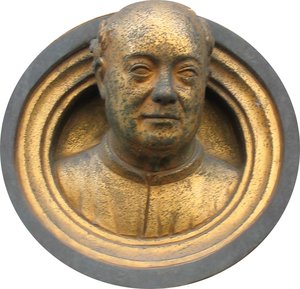
Lorenzo Ghiberti
1378 - 1455 , Italija
Ključne informacije
- Artistic Movement Or Style: Ranorenesančna umetnost
- Artists Or Movements Influenced By This Artist:
- Donatello
- Masolino
- Paolo Uccello
- Michelangelo
- Artists Who Influenced This Artist:
- Gherardo Starnina
- Bartolo di Michele
- Date Of Birth: 1378
- Date Of Death: 1455
- Full Name: Lorenzo Ghiberti
- Nationality: Italijan
- Notable Artworks:
- Vrata raja
- Izvor Isaka
- Odkritje zlate skodelice
- Krst Christa
- Place Of Birth: Firence, Italija
Sorodni članki

Bronze Age to Modern Masters: 10 Sculptures That Redefined Art | OriginalUniqueArt
Journey through art history with 10 legendary bronze sculptures – from Michelangelo's David to Rodin’s Thinker. Explore the stories, techniques & timeless beauty of these masterpieces. Find museum-quality reproductions & elevate your home decor on OriginalUniqueArt.com.

Timeless Strength: The Ultimate Guide to Bronze Art and Sculpture for the Discerning Collector
Discover the enduring elegance of bronze sculpture. Our expert guide explores lost-wax casting, patina mastery, and professional tips for collecting and commissioning museum-quality bronze art to create a lasting legacy in your private collection.

The Eternal Glow of Bronze: A Guide to Sculpting with Light, Strength, and Timeless Artistry
Explore the profound beauty of bronze sculpture. From the ancient lost-wax technique to the interplay of light and patina, discover how this enduring alloy captures human emotion and history through masterful artistry and strength.

The Enduring Legacy of Bronze: History, Technique & Artistic Expression for the Collector
Explore the rich history & enduring appeal of bronze sculpture with expert insights for collectors at OriginalUniqueArt. Learn about casting techniques, iconic artists, and collecting tips.

The Enduring Legacy of Bronze: A Historical & Artistic Exploration for the Collector
Explore the rich history & enduring appeal of bronze sculpture with expert insights for collectors at OriginalUniqueArt. Learn about casting techniques, iconic artists, collecting tips & contemporary interpretations.