- Domov

- Digitalna slika
- leopoldo gotuzzo
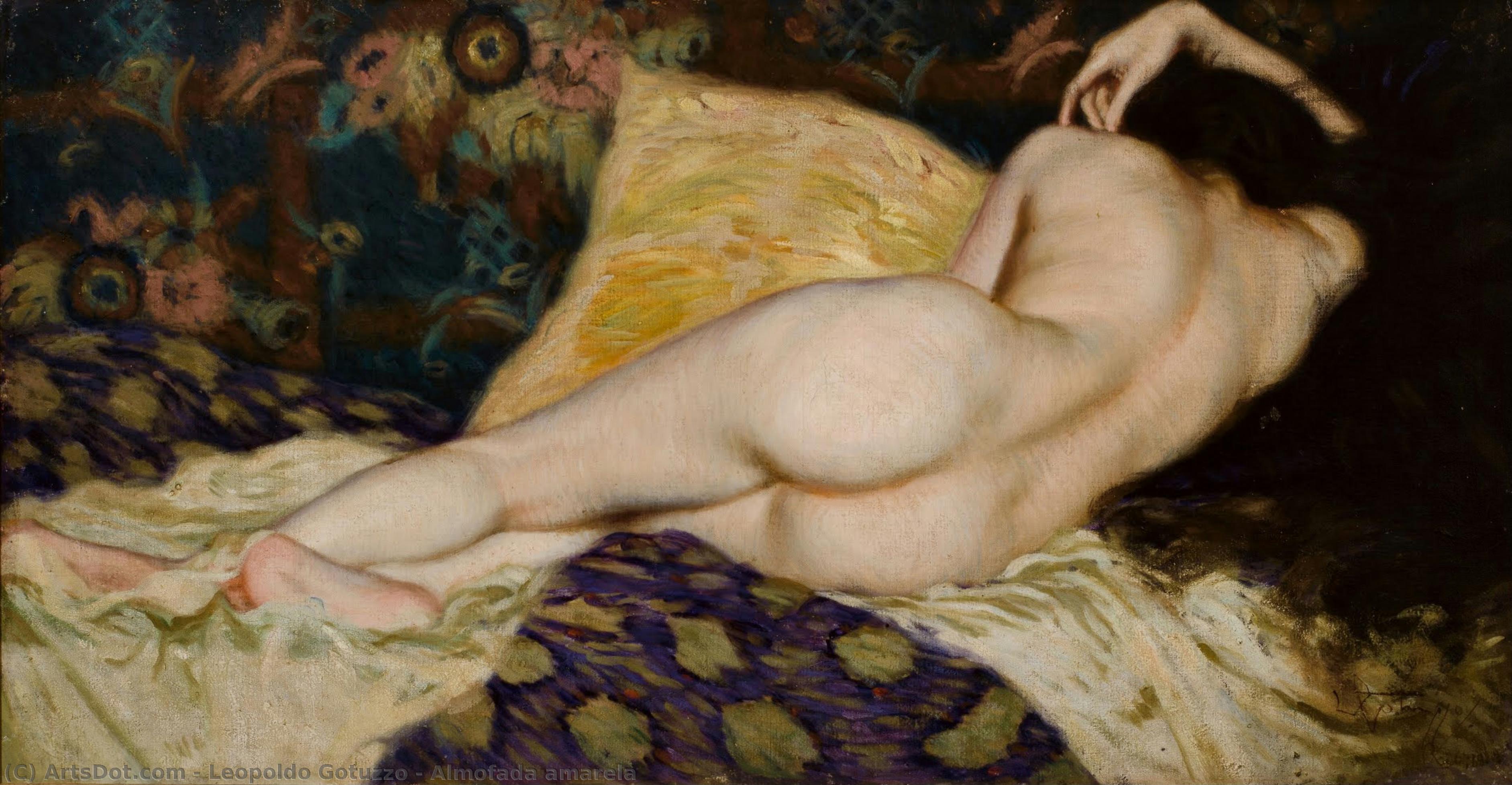
- Almofada amarela
 Preview
 Kupi tiskanino Naročite reprodukcijo
 Pošlji
 Deli
Deli
 Podrobnosti o delu
 Dodaj v priljubljene

 Prenesi
 Podobni izdelki
 Rentgenski posnetek
 Predvajaj diaporama
Almofada amarela
 1923
1923 60.0 x 115.0 cm
 Iberê Camargo Foundation
 Razviljaj več
Kupite digitalno sliko visoke ločljivosti z izboljšano kakovostjo, ki je precej boljša od spletnega predogleda.
Vsaka datoteka je pod natančnim nadzorom naših strokovnjakov, ki uporabljajo napredna orodja in strokovno ročno obdelavo. Zagotovimo, da ima vsaka slika izjemno jasnost, natančnost barv in fine podrobnosti.
Končna datoteka je po e-pošti dostavljena v 72 urah, optimizirana za takojšnjo uporabo v profesionalnem, uredniškem in tiskarskem okolju. To je kakovost, ki ji zaupajo vrhunska oblikovalna studia, založniki in galerije.
Digitalna slika
Prenesite datoteko visoke ločljivosti za osebno uporabo, tiskanje in kreativne projekte.
Vključeno v vsako naročilo digitalne slike
Zagotovljena strokovna digitalna dostava
Ko izberete OriginalUniqueArt.com, ne prejmete le slike – prejmete digitalno umetniško delo, ki je profesionalno urejeno, izdelano z natančnostostjo in zavestno zagotovljeno z garancijo za zadovoljstvo. Tukaj je vse, kar samodejno prejmete z vašim naročilom:

Hitra dostava prek e-pošte
Vaša digitalna slika visoke ločljivosti bo na vaš e-naslov poslana v roku 72 ur od zaklopa naročila – pripravljena za takojšnjo uporabo.

Digitalna datoteka z umetno inteligenco
Vaše umetniško delo je strokovno optimizirano z uporabo naprednih orodij umetne inteligence in ročne obdelave, kar zagotavlja največjo stopnjo podrobnosti, jasnosti in barvne natančnosti.

Brezplačna ponovna dostava za vse življenje
Ste zaradi nespremietne napake izgubili ali izbrisali svojo datoteko? Ni težav – vam jo bomo ponovno poslali kadar koli in brezplačno.

Brez uvoznih pristojbin – vedno
Uživajte v svojem umetniškem delu takoj, brez carin, davkov ali stroškov dostave – digitalni prenosi so vedno brezdavčni.

Zagotovilo natančnosti barv
Z uporabo profesionalnih orodij in upravljanja barv zagotavljamo, da vaša digitalna slika čim bolj natančno odraža prvotne barve.

60-dnevna garancija zadovoljstva
Če niste zadovoljni s svojo digitalno sliko, jo bomo uredili ali vam v 60 dneh povrnili 100% denarja – brez kakršnih koli vprašanj.

100% Garancija povračila denarja
Niste zadovoljni? Zagovрите popoln povračilo sredstev v 60 dneh po prejemu digitalne datoteke – brez kakršnih koli vprašanj.

Popusti pri večjem številu naročil
Kupite 3 slike, prihranite 10% - Kupite 5 slik, prihranite 15% - Kupite 10+ slik, prihranite 20%. Odlično za kreativne projekte, galerije in agencije.
Biografija umetnika
Early Life and Artistic Foundations
Marcel Duchamp, a figure of profound influence on the trajectory of modern art, was born Henri-Robert-Marcel Duchamp in Blainville, Normandy, France, on July 28, 1887. His family background—his father a notary and his older brothers both accomplished artists—provided an unusual confluence of creative heritage. Jacques Villon, the elder brother, established himself as a painter and printmaker, while Raymond Duchamp-Villon pursued sculpture. This artistic lineage instilled in Marcel a deep appreciation for visual expression from a young age, though he initially resisted embracing a conventional artistic path. He studied at the Académie Julian in Paris between 1904 and 1905, absorbing the techniques of traditional painting but quickly recognizing their limitations. Duchamp’s early work demonstrated an engagement with contemporary trends—he was influenced by Post-Impressionism, particularly Cézanne's emphasis on geometric forms and the vibrant colors of Fauvism—yet he sought a more personal and intellectual approach to art. Crucially, his encounter with Arthur Wesley Dow in 1911 proved transformative. Dow’s philosophy, advocating for abstraction as a means of expressing inner feelings rather than merely replicating external reality, liberated Duchamp from the constraints of representational painting and paved the way for his radical innovations.The Rise of Cubism and Early Innovations
Following Dow's guidance, Duchamp embarked on a period of intense experimentation, producing highly abstract charcoal drawings that explored fragmented forms and spatial relationships. These works, largely unseen during his lifetime, reveal a nascent artistic language characterized by dynamism and a deliberate rejection of traditional perspective. His breakthrough came in 1912 with *Nude Descending a Staircase, No. 2*, a large-scale painting exhibited at the Salon des Indépendants in Paris. The work’s fragmented depiction of a female nude moving down a staircase caused considerable controversy and ridicule, as it defied conventional notions of beauty and representation. Despite this initial rejection, *Nude Descending a Staircase* established Duchamp's reputation as a provocateur and signaled his departure from traditional painting techniques. He continued to refine his Cubist style in the following years, incorporating elements of Futurism’s emphasis on movement and dynamism into his compositions—as evidenced by works like *Nu Torse* (1912). However, Duchamp's artistic trajectory shifted dramatically with the introduction of his “readymades” in 1913.The Readymade Revolution
Duchamp’s most revolutionary contribution to art lies in the concept of the readymade—a pre-existing object designated as a work of art by the artist's selection and presentation. His first readymade, *Bicycle Wheel* (1913), consisted of a bicycle wheel mounted on a wooden stool, transforming an ordinary industrial artifact into a conceptual artwork. This act challenged the very definition of art—it questioned the role of skill, craftsmanship, and aesthetic beauty in determining artistic value. The subsequent readymade, *Fountain* (1917)—a porcelain urinal signed “R. Mutt”—caused a monumental scandal when it was submitted to an exhibition of the Society of Independent Artists in New York City. The work’s blatant disregard for conventional notions of art and its satirical commentary on the art world sparked intense debate and cemented Duchamp's position as a radical innovator. He continued to explore the possibilities of readymades throughout his career, utilizing everyday objects—snow shovels, bottles, bricks—to create works that invited viewers to reconsider their perceptions of art and its relationship to the mundane.Surrealism, New York, and Conceptual Art
During the 1920s, Duchamp became involved with the Surrealist movement, collaborating with Man Ray on *New York Dada*, a publication dedicated to exploring the possibilities of Dada in America. He spent several years living and working in New York City, where he continued his experiments with chance operations and explored new artistic mediums, including film. His monumental work, *The Bride Stripped Bare by Her Bachelors, Even (The Large Glass)*, undertaken between 1915 and 1923, represents a culmination of his intellectual and artistic explorations—a complex and enigmatic allegory that reflects his fascination with sexuality, desire, and the subconscious. Following World War II, Duchamp returned to New York and continued to develop his conceptual approach to art, culminating in *Etant donnés* (1966), a three-dimensional reconstruction of *The Bride Stripped Bare by Her Bachelors, Even*. Marcel Duchamp’s legacy extends far beyond the specific artworks he created. He fundamentally altered the way artists think about their practice, shifting the focus from technical skill to conceptual ideas and challenging traditional notions of beauty and value.Historical Significance and Lasting Influence
Marcel Duchamp died in Neuilly-sur-Seine, France, on October 2, 1968, leaving behind a body of work that continues to provoke, challenge, and inspire artists today. His concept of the readymade is considered one of the most influential developments in modern art, paving the way for Conceptual Art and other avant-garde movements. Duchamp’s emphasis on intellectual rigor, his willingness to question established conventions, and his embrace of chance operations have profoundly shaped the course of artistic practice. He remains a pivotal figure in the history of art, whose radical ideas continue to resonate with artists and audiences alike. His work serves as a constant reminder that art is not simply about aesthetics but also about ideas, concepts, and the very nature of creativity itself.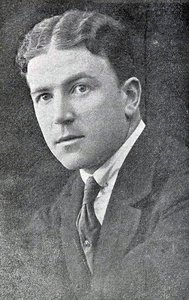
leopoldo gotuzzo
1887 - 1983 , Brazil
Ključne informacije
- Artistic Movement Or Style:
- Cubism
- Dada
- Surrealism
- Artists Or Movements Influenced By This Artist:
- Johnston
- Pollock
- Artists Who Influenced This Artist:
- Cézanne
- Matisse
- Villon
- Dow
- Date Of Birth: July 28, 1887
- Date Of Death: October 2, 1968
- Full Name: Henri-Robert-Marcel Duchamp
- Nationality: French American
- Notable Artworks:
- Nude Descending a Staircase (No. 2)
- Fountain
- Etant donnés
- Place Of Birth: Blainville, Normandy

