- Domov

- Digitalna slika
- leonhard kern
- The Three Graces
 Kupi tiskanino Naročite reprodukcijo
 Pošlji
 Deli
Deli
 Podrobnosti o delu
 Dodaj v priljubljene

 Prenesi
 Podobni izdelki
 Rentgenski posnetek
 Predvajaj diaporama
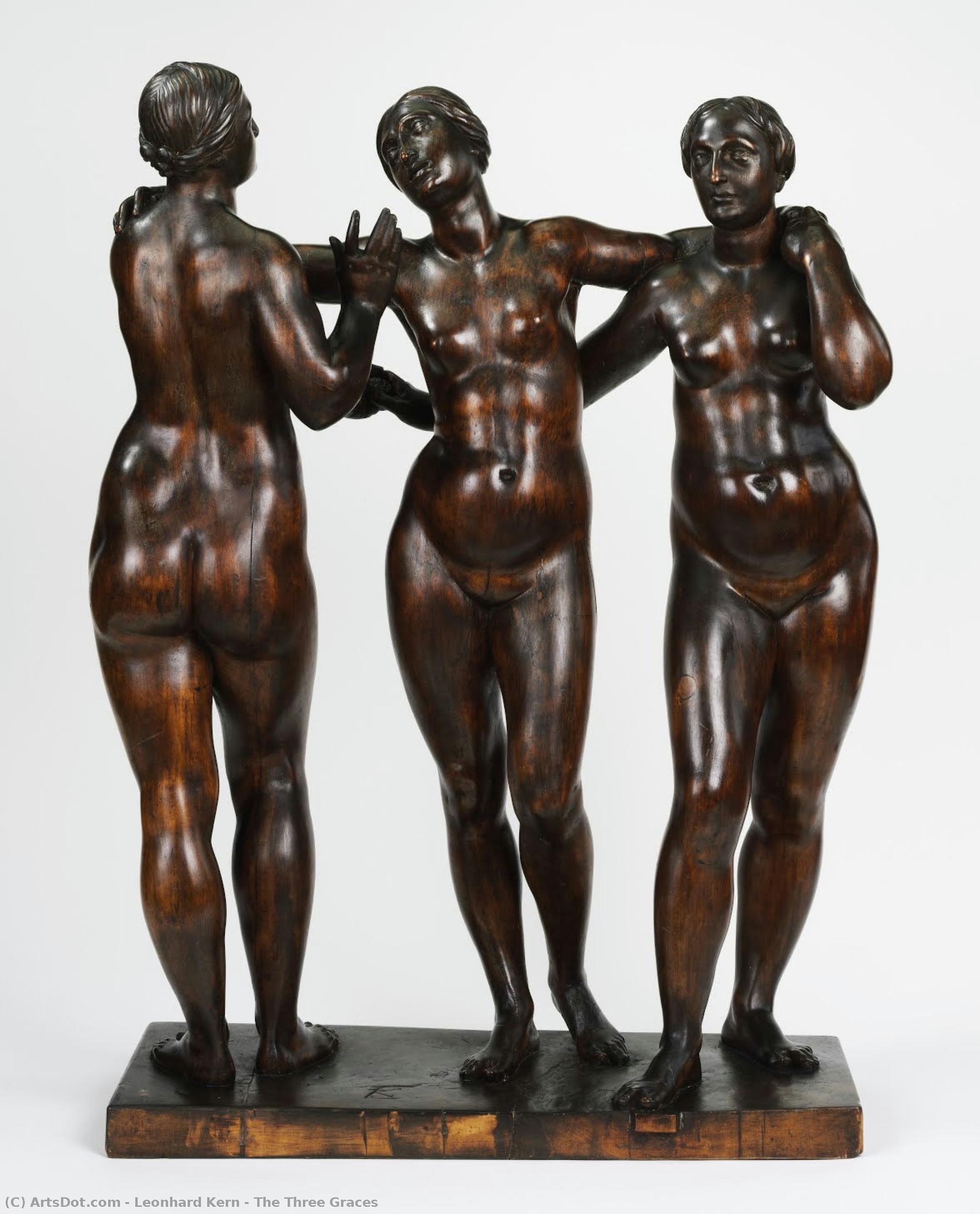
The Three Graces
 Wood
Wood- Sculpture
- Baroque
 1650
1650- Early Modern
 63.0 x 44.0 cm
 Szépművészeti Múzeum
 Razviljaj več
Kupite digitalno sliko visoke ločljivosti z izboljšano kakovostjo, ki je precej boljša od spletnega predogleda.
Vsaka datoteka je pod natančnim nadzorom naših strokovnjakov, ki uporabljajo napredna orodja in strokovno ročno obdelavo. Zagotovimo, da ima vsaka slika izjemno jasnost, natančnost barv in fine podrobnosti.
Končna datoteka je po e-pošti dostavljena v 72 urah, optimizirana za takojšnjo uporabo v profesionalnem, uredniškem in tiskarskem okolju. To je kakovost, ki ji zaupajo vrhunska oblikovalna studia, založniki in galerije.
Digitalna slika
Prenesite datoteko visoke ločljivosti za osebno uporabo, tiskanje in kreativne projekte.
Vključeno v vsako naročilo digitalne slike
Zagotovljena strokovna digitalna dostava
Ko izberete OriginalUniqueArt.com, ne prejmete le slike – prejmete digitalno umetniško delo, ki je profesionalno urejeno, izdelano z natančnostostjo in zavestno zagotovljeno z garancijo za zadovoljstvo. Tukaj je vse, kar samodejno prejmete z vašim naročilom:

Hitra dostava prek e-pošte
Vaša digitalna slika visoke ločljivosti bo na vaš e-naslov poslana v roku 72 ur od zaklopa naročila – pripravljena za takojšnjo uporabo.

Digitalna datoteka z umetno inteligenco
Vaše umetniško delo je strokovno optimizirano z uporabo naprednih orodij umetne inteligence in ročne obdelave, kar zagotavlja največjo stopnjo podrobnosti, jasnosti in barvne natančnosti.

Brezplačna ponovna dostava za vse življenje
Ste zaradi nespremietne napake izgubili ali izbrisali svojo datoteko? Ni težav – vam jo bomo ponovno poslali kadar koli in brezplačno.

Brez uvoznih pristojbin – vedno
Uživajte v svojem umetniškem delu takoj, brez carin, davkov ali stroškov dostave – digitalni prenosi so vedno brezdavčni.

Zagotovilo natančnosti barv
Z uporabo profesionalnih orodij in upravljanja barv zagotavljamo, da vaša digitalna slika čim bolj natančno odraža prvotne barve.

60-dnevna garancija zadovoljstva
Če niste zadovoljni s svojo digitalno sliko, jo bomo uredili ali vam v 60 dneh povrnili 100% denarja – brez kakršnih koli vprašanj.

100% Garancija povračila denarja
Niste zadovoljni? Zagovрите popoln povračilo sredstev v 60 dneh po prejemu digitalne datoteke – brez kakršnih koli vprašanj.

Popusti pri večjem številu naročil
Kupite 3 slike, prihranite 10% - Kupite 5 slik, prihranite 15% - Kupite 10+ slik, prihranite 20%. Odlično za kreativne projekte, galerije in agencije.
Opis digitalnega artefakta
The Poetic Embodiment of Grace: An Encounter with The Three Graces
To stand before this depiction of The Three Graces is to step into a moment suspended between earthly beauty and divine contemplation. These three figures, rendered in the evocative medium of wood, do not merely occupy space; they breathe narrative. They embody an idealized vision of feminine harmony, yet within their collective poise lies a beautiful tension—a dialogue enacted through gesture and gaze. The craftsmanship speaks immediately to the viewer, revealing the meticulous skill required to capture such ephemeral qualities in solid material.
A Study in Baroque Emotion and Technique
The work dates from 1650, placing it squarely within the vibrant, emotionally charged atmosphere of the late Baroque period. Leonhard Kern, the master sculptor behind this piece, was a figure whose career navigated the tumultuous waters of the Thirty Years' War. His ability to channel profound human emotion into wood, particularly in his smaller-scale works, marks him as a sensitive interpreter of the era’s spiritual and dramatic currents. Observe the material itself: carved from limewood, the sculptor has utilized variations in tone across the three statues, lending an immediate visual richness that prevents any single figure from dominating the composition. This careful handling of wood grain and color variation is a testament to Kern's technical mastery.
Symbolism of Triad and Direction
The grouping of three figures—the quintessential triad in Western art—is rarely accidental. In classical tradition, the Graces symbolized beauty, charm, and pleasure. Here, however, Kern elevates this symbolism by assigning distinct emotional vectors to each statue. The figure on the left, with her hands clasped near her chest, suggests piety or contained devotion. The central figure, gazing downward, invites introspection, perhaps contemplating a secret or a moment of quiet realization. Finally, the figure on the right, lifting her gaze toward an unseen zenith, points toward aspiration, divine connection, or future hope. Together, they map out a complete emotional spectrum—from humility to contemplation to transcendence.
Integrating Art into Modern Living
For the collector or designer seeking an object that transcends mere decoration, this reproduction offers profound depth. The Three Graces are not simply decorative accents; they are conversation starters and sources of quiet meditation. Their inherent drama allows them to anchor a room, whether placed in a formal salon where classical echoes are desired, or within a more intimate setting that appreciates narrative artistry. Owning this piece is acquiring a tangible link to the Baroque pursuit of capturing the soul’s most delicate movements.
Biografija umetnika
Leonhard Kern: Sculptor of Dramatic Emotion in the Baroque Era
Leonhard Kern, a name perhaps less familiar than some of his contemporaries, stands as a profoundly significant figure within the German Baroque artistic landscape. Born in Forchtenberg, Germany, in 1588, and passing away in Schwäbisch Hall in 1662, Kern’s life coincided with a period of immense upheaval – the Thirty Years' War – yet he managed to produce an extraordinary body of work characterized by intense emotionality, masterful technique, and a unique synthesis of Northern European realism with Italianate influences. His career, though often overshadowed by larger-than-life personalities like Rubens or Bernini, reveals a quiet dedication to exploring profound human themes through the evocative power of sculpture.Early Life and Artistic Training
Leonhard Kern’s artistic journey began within a family steeped in craftsmanship. His father, Michael Kern, was a stonemason and builder, providing him with an early grounding in materials and construction. This familial connection led to an apprenticeship under his elder brother, Michael Kern the Younger, a sculptor based in Würzburg from 1603 to 1609. This formative period exposed young Leonhard to the fundamentals of carving, modeling, and the established sculptural traditions of the region. Crucially, this early training wasn’t merely technical; it instilled within him a deep appreciation for the expressive potential of form and texture. Following his apprenticeship, Kern embarked on a crucial study tour through Italy between 1613 and 1614, a journey that fundamentally shaped his artistic vision. He immersed himself in the works of Italian masters – notably Giovanni Bologna (Michelangelo) – absorbing their dramatic compositions, dynamic figures, and sophisticated use of light and shadow. His travels extended to North Africa and Ljubljana, Slovenia, further broadening his exposure to diverse artistic styles and techniques.Themes and Style: Biblical Drama and Classical Echoes
Kern’s oeuvre is dominated by biblical narratives and classical mythological scenes, rendered with a remarkable sensitivity to human emotion. He wasn't interested in merely depicting events; he sought to capture the psychological states of his subjects – their grief, fear, faith, and despair. His most celebrated works, such as “Klagende Eva” (Wailing Eve) and "Abraham Leads Isaac" (Abraham Offering Isaac), are not simply historical representations but powerful meditations on morality, sacrifice, and the human condition. These pieces demonstrate a remarkable ability to convey profound emotional depth through subtle gestures, expressive faces, and carefully sculpted drapery. His style is characterized by a robust realism tempered with an elegant grace. He skillfully blended Northern European sculptural traditions – particularly the emphasis on detailed anatomy and realistic textures – with the dynamism and theatricality of Italian Baroque art. The influence of artists like Rubens, known for his dramatic lighting and emotionally charged figures, is clearly evident in Kern’s work.The Impact of War and a Shift Towards Private Commissions
The tumultuous Thirty Years' War profoundly impacted Kern’s career. The conflict disrupted artistic patronage, destroyed workshops, and forced many artists to seek refuge or employment elsewhere. He initially found work at the court of Frederick V, Elector Palatine in Heidelberg, creating monumental sculptures for city halls. However, the instability of the situation led him to relocate to Schwäbisch Hall in 1620, where he established his own workshop and focused on producing smaller, more intimate works – primarily ivory, alabaster, and beechwood figurines. This shift reflected a pragmatic response to the war’s devastation but also allowed him to maintain a degree of artistic independence. Remarkably, despite the challenges, Kern amassed a considerable fortune through these commissions, enabling him to acquire a castle in Tullau near Schwäbisch Hall, where he spent his final years.Legacy and Significance
Leonhard Kern’s legacy is one of quiet brilliance. While he may not have achieved the same level of widespread fame as some of his contemporaries, his work continues to be admired for its emotional intensity, technical mastery, and profound engagement with religious and classical themes. His sculptures are found in prestigious collections across Europe, testament to their enduring appeal. He is considered one of Germany’s most important sculptors of the 17th century, a master who skillfully blended Northern European realism with Italianate influences to create works that resonate deeply with viewers centuries later. The Kunsthandlung Julius Böhler continues to showcase his work, ensuring that this remarkable artist's dramatic and emotionally charged sculptures are appreciated by a new generation of art enthusiasts. His influence can be seen in the works of subsequent German sculptors who followed in his footsteps, solidifying his place as a pivotal figure in the development of Baroque sculpture.
leonhard kern
1588 - 1662 , Germany
Ključne informacije
- Artistic Movement Or Style: Baroque
- Artists Or Movements Influenced By This Artist:
- Italian Sculpture
- German Baroque
- Artists Who Influenced This Artist:
- Giovanni Bologna
- Adriaen de Vries
- Date Of Birth: November 22, 1588
- Date Of Death: April 4, 1662
- Full Name: Leonhard Kern
- Nationality: German
- Notable Artworks:
- Klagende Eva
- Abraham Leads Isaac
- Place Of Birth: Forchtenberg, Germany

