
 Predogled v realnem okolju
 Pošlji
 Deli
Deli
 Podrobnosti o delu
 Priročnik

 Prenesi sliko
 Podobni izdelki
 Rentgenski posnetek
 Predvajaj diaporama
 Vprašanja in odgovori
 Statistika
Oo La La

- 160.0 x 200.0 cm


 Preberi več
Umetniška dela, prikazana na tej strani, so zaščitena z avtorskimi pravicami, kar pomeni, da po zakonu ne moremo ustvarjati ali prodajati identičnih reprodukcij. Ta zaščita se izvaja v skladu z mednarodnimi sporazumi, kot so Bernska konvencija in po nacionalnih zakonih, vključno s tistimi, ki jih določa Zakon o avtorskih pravicah ZDA – naslov 17.
Ta način v celoti upošteva zakonodajo o avtorskih pravicah, saj ne vključuje kopiranja ali podvajanja zaščitenga umetniškega dela. Namesto tega gre za kreativno preinterpretacijo – novo sliko, ki je navdihnjen rezultat originala, vendar ni z njim identična.
Giclée tisk / Umetniški tisk
Giclée ali platnati odtis muzejske kakovosti z hitro proizvodnjo in prilagodljivimi možnostmi končne obdelave. ( Kupite ročno slikano delo Preklop na digitalno sliko)




P118B €10

P118H €10

P118W €10

P438Z €10

P508JH €12

P508YH €12

P805H €10

P805Z €10

P919BZ €10

P919G €10

P919XJ €10

P959ZH €10

P968JZ €12

W106C €8

W218G €10

W218JH €8

W218Y €10

W307PJ €10

W316G €10

W316PJ €8

W316Y €10

W398PJ €8

W4111J €10

W500HY €15

W500JH €15

W692G €12

W849H €8

W940BG €15

W953PJ €8




Izberite eno od naših vnaprej določenih velikosti, ki ustrezajo prvotnim proporcijam umetničkega dela.

Vnesite širino in višino, ki jih potrebujete za svoj okvir ali steno. Tiskanje se lahko le odreže, vendar ga ni mogoče narediti večjega od slike, zato format z drugačno obliko pomeni izgubo dela slike. Pred tiskanjem vam pošljemo digitalni predogled za potrditev. Slika, prikazana na tej strani, ne prikazuje dejanskega izrezka — le predogled to omogoča.
Globalna dostava () v 2 tednih namesto standardnih 4/5 tednov. (9 november)

Brezplačna ekspresna dostava po vsem svetu

Visokokakovostno laneno platno

Popolno zavarovanje pošiljke

Garancija povračila carine in uvoznih davkov

Garancija popolnega barvnega ujemanja

100-dnevna politika vračil (le v primeru okvar)

Garancija 100% povračila denarja

Popust pri večjem naročilu
 Možnost stekla je na voljo le za velikosti pod 110 cm

Oo La La
Giclée tisk / Umetniški tisk
Velikost reprodukcije
-


Skupna cena
€ 72
A Symphony of Motion and Memory
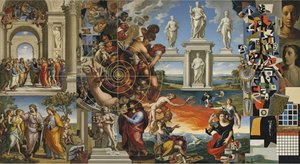
In the vibrant and enigmatic canvas of Oo La La, the viewer is immediately swept into a whirlwind of movement and fragmented reality. The painting presents a captivating tableau of three figures positioned at the heart of a dynamic composition, their arms outstretched as if caught in a moment of profound celebration or perhaps a desperate reaching for something fleeting. This central trio, rendered with a sense of theatrical flair, serves as the emotional anchor for a scene that feels both deeply personal and universally mythic. One figure, shielded by sunglasses, introduces a touch of modern cool, while another, crowned by a hat, adds to the layered narrative of identity and persona. The brushwork dances across the canvas, creating an atmosphere where the boundaries between the physical world and the realm of dreams begin to blur.
The brilliance of Kęstutis Grigaliūnas lies in his ability to weave disparate elements into a cohesive, rhythmic tapestry. Within this colorful expanse, seemingly unrelated objects—a clock, a handbag, a cell phone—are scattered like artifacts from a modern archaeological dig. These items act as symbols of time, vanity, and connectivity, grounding the surrealist energy of the piece in the tangible textures of contemporary life. The presence of birds, drifting near the corners of the frame, introduces an element of lightness and freedom, contrasting with the structured weight of the human figures. This interplay between the mundane and the ethereal creates a visual tension that keeps the eye wandering, discovering new details with every glance.
The Legacy of Lithuanian Expression
To understand the depth of Oo La La, one must look toward the rich artistic heritage of Lithuania and the profound influence of conceptual masters like Joseph Beuys. Grigaliūnas, a product of the Vilnius Academy of Arts, carries within his technique a unique blend of graphic precision and painterly spontaneity. His work is a chronicle of myth and memory, reflecting a generation of artists who navigated the transformative era of Lithuania's restoration. The painting does not merely depict a scene; it evokes a sense of historical layering, where the echoes of the past meet the frantic pulse of the present. This connection to the Beuysian tradition is felt in the way the artist treats every element—whether a person or an object—as a vessel for symbolic meaning.
For the discerning collector or interior designer, this piece offers much more than mere decoration; it provides a focal point of intellectual and emotional stimulation. The large-scale presence of 160 x 200 cm allows the artwork to command a room, transforming a living space into a gallery of thought. The bold use of color and the intricate composition make it an ideal centerpiece for modern, eclectic, or avant-garde interiors, where art is intended to spark conversation and invite introspection. Owning a reproduction of such a significant work means bringing a piece of contemporary Lithuanian history into one's home—a fragment of a larger, beautiful mystery that continues to unfold.
Vprašanja in odgovori
Kakšna tehnika in slog značilita "Oo La La" avtorja Kęstutis Grigaliūnas?
"Oo La La" avtorja Kęstutis Grigaliūnas združuje tehniko Painting s slogom Contemporary Art. Tehnika in umetnostno smer opredeljata način izdelave ter slog dela.
Na kakšen način je opisan vzdušje v delu "Oo La La" avtorja Kęstutis Grigaliūnas?
"Oo La La" avtorja Kęstutis Grigaliūnas je po vzduju opisan kot Playful. Ta razvrščitev lahko pomaga pri izbiri ustreznega okolja za delo.
Ali se delo "Oo La La" nahaja v državi svojega ustvarjalca?
Ne – umetniško delo se nahaja v tujini. Rodna država umetnika Kęstutis Grigaliūnas je Litvanija, original dela "Oo La La" pa se nahaja v muzeju v državi Lithuania.
Biografija umetnika
Kęstutis Grigaliūnas: Kronika mitov in spomin
Rodjen v Litvi, v mestu Kaunas, leta 1957, je Kęstutis Grigaliūnas ena iz tistih umetnikov, ki s svojo prisotnostjo v sodobni litovski umetnosti ne da le navdihuje, temveč močno vpliva na razumevanje umetnostne identitete. Njegovo del presega preproste kategorizacije; z virtuozno mešanji grafične umetnosti in slikarstva ustvarja plastne pripovest dije, ki se pogosto soočajo s temami zgodovine, mitov in kulturne dediščine. Grigaliūnasova umetniška pot se je začela na Vilniški akademiji umetnosti, kjer je ne le izpil svoje tehnike, temveč kot spoštovani pedagog še danes prenaša znanje na nove generacije umetnikov. Njegov edinstven pristop je prinesel širsko priznanje, kar potrjuje vključitev njegovih del v prestižne zbirke, kot je MO Museum / Mo Muziejus v Vilnu, ter njegove izložbe po vsem svetu.
Bejusov odmev: Osrednja tema
Umetniška pot Grigaliūnasa je neločljivo povezana z dediščino Josepha Beuysa, nemškega umetnika, katerega konceptualne in avantgardne prakse so na njega globoko vplivale. Ta povezava se najmočnejše izraža v seriji »Resnica o Josephu Beuysu«, projektu, ki s svojo globino raziskuje življenje in izkušnje te ključne osebnosti. Serija ni le biografska; gre za raziskovanje Beuysovih idej, njegovih nekonvencionalnih metod in pogosto spregledanih kompleksnosti njegove umetniške vizije. Dela, kot je »Resnica o Josephu Beuysu št. 3«, ki prikazuje fašističnega nemškega vojaškega pilota kot Beuysa, takoj izzivajo gledalca k zastavljanju vprašanj in soočanju z neprijetnimi resnicami. Takšna namerna dejavnost poudarja Grigaliūnasovo sposobnost uporabe umetnosti kot orodja za kritični komentar in zgodovinsko preiskavo.
Pomembna dela in tehnike
- „Resnica o Josephu Beuysu št. 3“ (Akril, 99 x 106 cm): Del zbirke MO Museum / Mo Muziejus, ki prikazuje Grigaliūnasovo sposobnost spreminjanja zgodovinskih osebnosti in dogodkov v močna vizualna metaforična znamenja.
- „Resnica o Josephu Beuysu št. 5“ (Akril, 81 x 130 cm): Prav tako del zbirke MO Museum / Mo Muziejus, ki s svojo silovito vizualno pripovedovanjem – »rdeči pilot je ustrelil svoj letalo. Letalo pade in se razbije« – še naprej raziskuje dvomljivosti Beuysovega življenja in dediščine.
- „Resnica o Josephu Beuysu št. 25“ (Akril, 62 x 77 cm): To sliko poglobi raziskovanje pogosto neprepoznanih prispevkov Beuysa, ko ga prikazuje v sceni, ki poudarja gostoljubnost in spomin, z referenco na krimske Tatare.
Grigaliūnasov slog zaznamuje značilna mešanica grafičnih elementov – linij, znakov, ornamentov in figurativnih motivov – prepletenih z tehnikami akrila in mešane medije. Pogosto uporablja kompozicije »cut-up«, ki spominjajo na umetnost Fluxus, s čimer ustvarja fragmentirane pripovesti, ki vabijo k večinterpretacijam. Njegovo del odraža postmoderno občutljivost, vključuje vplive Pop Art in se opira na raznolike kulturne reference.
Poza Beuysem: Vplivi in zgodovinski kontekst
Čeprav je vpliv Josepha Beuysa neoiden, Grigaliūnasova umetniška vizija presega to edino povezavo. Navdih črpa iz širokega spektra virov, vključno s zgodovinskimi dogodki, folklorom in sodobnimi družbenimi vprašanji. Njegovo del se pogosto sooča s temami spomina, izselitev in kompleksnosti nacionalne identitete – kar je še posebej relevantno v kontekstu postsovjetske zgodovine Litve. Umetnikova natančna raziskovanja in sposobnost sinteze različnih elementov v kohezivne vizualne pripovedi sta ključni njunemu uspehu.
Priznanje in dediščina
Del Kęstutis Grigaliūnasa je bil izlagan tako v Litvi kot na mednarodni sceni, s čimer je utrdil svoj položaj pomembnega sodobnega umetnika. Njegova dela so shranjena v prestižnih zbirkah, kot so Litvanski narodni muzej umetnosti, Narodni muzej umetnosti M. K. Čiurlionis in celo knjižnica Mozaika moderne umetnosti (MoMA) v New Yorku. Leta 2011 je prejel prestižno nacionalno nagrado za kulturo in umetnost zaradi svojega prispevka k litovski umetnosti. Njegov tekoči projekt »1946«, ki se trenutno predstavlja na platformi NOBA Nordic Baltic, še naprej raziskuje pogosto boleč reality litovske preteklosti prek močne kombinacije zgodovinske dokumentacije in umetniškega izražanja. Grigaliūnasovo del služi kot vitalen opomin na pomembnost spominjanja zgodovine in soočanja z težkimi resnicami – dokaz njegove trajne dediščine.

Kęstutis Grigaliūnas
1957 - , Litvanija
Hitri podatki
- Artistic Movement Or Style: Grafična umetnost in slikarstvo
- Artists Or Movements Influenced By This Artist:
- Fluxus
- Postmodernizem
- Artists Who Influenced This Artist: ['Joseph Beuys']
- Date Of Birth: 1957
- Full Name: Kęstutis Grigaliūnas
- Nationality: Litvanec
- Notable Artworks:
- Resnična zgodba… št. 3
- Resnična zgodba… št. 5
- Resnična zgodba… št. 25
- Place Of Birth: Kaunas, Litvanija
Sorodni članki

25 Mojstrovin Hermitaža: Umetniški biseri za vaš dom | OriginalUniqueArt.com
Odkrijte 25 čudovitih mojstrovin Hermitaža v Sankt Peterburgu! Preberite zgodbe Rembrandta, Leonarda da Vincija in drugih velikih umetnikov. Reprodukcije slik za vaš dom – ekskluzivno na OriginalUniqueArt.com.

Claude Monet: 25 Mojstrovin Impresionizma za Vaš Dom | OriginalUniqueArt
Odkrijte 25 mojstrovin Claude Moneta – impresionističnih biserov, ki so spremenile svet umetnosti. Preberite zgodbe za slikami, tehniko in navdih. Kvalitetne reprodukcije na OriginalUniqueArt.com! Raziskajte celotno zbirko online.

Mastering Abstraction: The 25 Most Iconic Works by Wassily Kandinsky
Explore 25 iconic Kandinsky masterpieces and the birth of abstraction. Discover the full collection online at OriginalUniqueArt.com.
The Eloquence of Arrangement: Compositional Strategies in Western Art from the Renaissance to Modernism
Explore the evolution of compositional strategies in Western art! Discover how masters like Raphael & Zurbaran used perspective, proportion, and dynamic arrangement to create timeless masterpieces. Enhance your art appreciation today!

Paul Cézanne: 25 Mojstrovin, ki so spremenile svet umetnosti | OriginalUniqueArt
Odkrijte 25 mojstrovin Paula Cézanna – od impresionističnih krajin do revolucionarnih tihožitij. Preberite zgodbe za vsako sliko, tehnike in navdih. Kvalitetne reprodukcije slik na OriginalUniqueArt.com!