 Predogled v realnem okolju
 Pošlji
 Deli
Deli
 Podrobnosti o delu
 Priročnik

 Prenesi sliko
 Podobni izdelki
 Rentgenski posnetek
 Predvajaj diaporama
 Vprašanja in odgovori
 Statistika
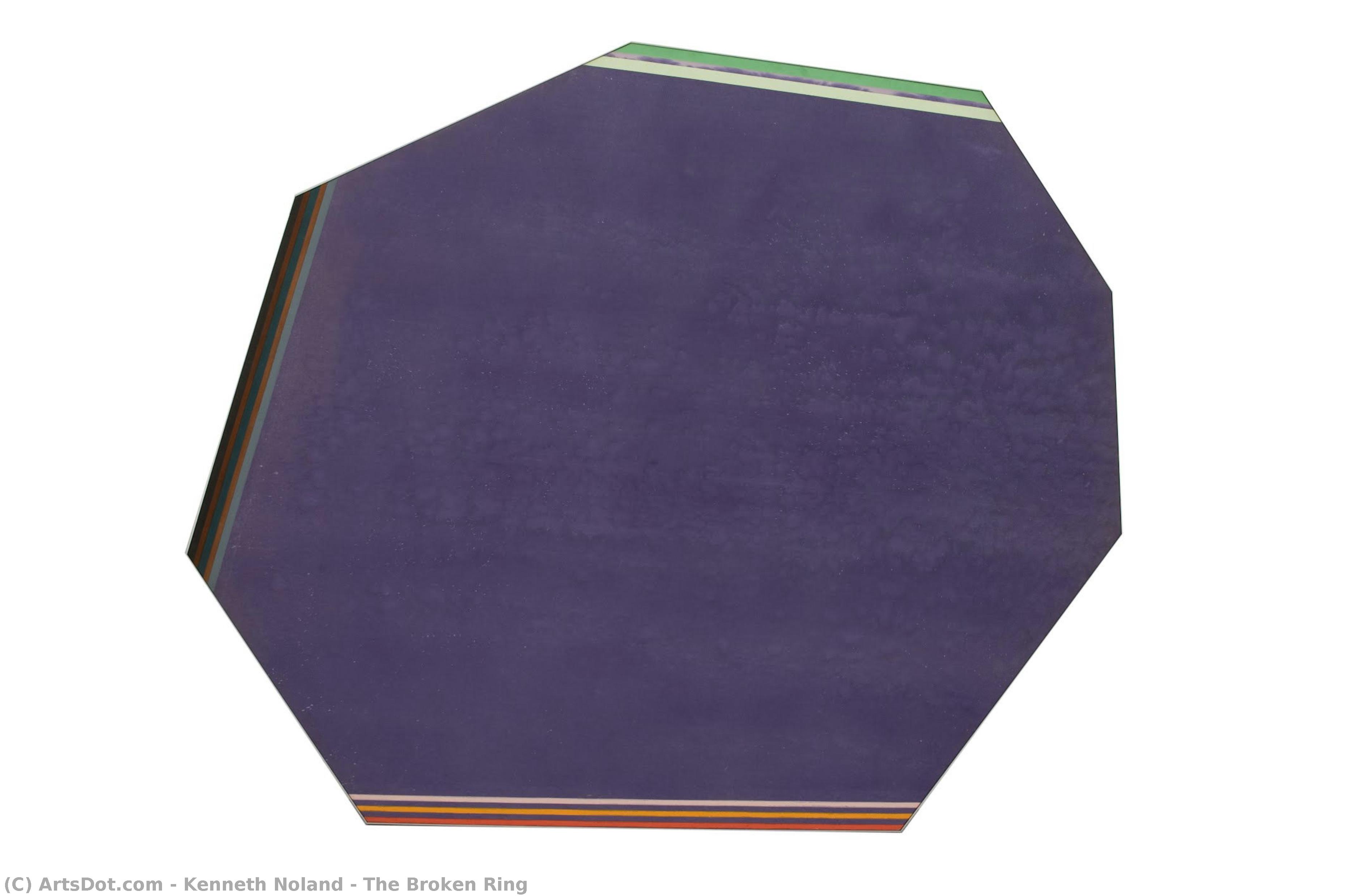
The Broken Ring


 Preberi več
Pridobite datoteko, pripravljeno za tiskanje, ki presega kakovost spletnega predogleda. Vsaka digitalna slika v naši ponudbi izvira iz visoko ločljive izvirne datoteke v naši bazi — običajno široke od 5.000 do 15.000 pikselov — zato lahko z zaupanjem tiskate v večji format, tesno izrezujete ali reproducirate fine podrobnosti.
Nobena datoteka ne zapusti našega studia nedotiknjena. Digitalni strokovnjak preveri barve v primerjavi z izvirno sliko in jih po potrebi popravi, nato pa s profesionalnimi orodji za retuširanje izboljša jasnost in podrobnosti — pri čemer vedno ostaja zvest umetnikovim potezam in slogu. Rezultat je slika, ki izgleda kot samo slikarstvo, ne pa kot le filtriran sken.
Potrditev pred dokončanjem dela: naš strokovnjak vam v roku 72 ur pošlje sliko po e-pošti na pregled. Niste zadovoljni? Zahtevajte izboljšave ali popravke ali prosite za povračilo denarja, če kakovost ni v skladu z pričakovanimi standardi.
To je kakovost, po kateri temeljijo založniki, oblikovalni studii, galerije in tiskarne.
Digitalna slika
Prenesite datoteko visoke ločljivosti za osebno uporabo, tiskanje in kreativne projekte. ( Preklop na tiskanine Kupite ročno slikano delo)
Vključeno v vsako naročilo digitalne slike
Zagotovljena strokovna digitalna dostava
Z izbiro OriginalUniqueArt.com ne prejmete le slike – prejmete profesionalno urejeno digitalno umetniško delo, izdelano z največjo natančnostjo in zavestno podprto z garancijo za zadovoljstvo. Tukaj je vse, kar bo z vašim naročilom samodejno priloženo:

Hitra dostava prek e-pošte
Vaša digitalna slika visoke ločljivosti bo na vaš e-naslov poslana v roku 72 ur od zaklopa naročila – pripravljena za takojšnjo uporabo.

Digitalna datoteka z uporabo AI
Vaše umetniško delo je strokovno optimizirano z uporabo naprednih orodij umetne inteligence in ročne obdelave, kar zagotavlja največjo stopnjo podrobnosti, jasnosti in barvne natančnosti.

Brezplačna doletna ponovna dostava
Ste datoteko zaradi nespremietne napake izgubili ali izbrisali? Ni težav – vam jo bomo ponovno poslali kadar koli in brezplačno.

Brez uvoznih pristojbin – vedno
Svoje umetniško del uživajte takoj, brez carin, davkov ali stroškov dostave – digitalni prenosi so vedno brezdavčni.

Zagotovilo natančnosti barv
Z uporabo profesionalnih orodij in procesov upravljanja barv zagotavljamo, da vaša digitalna slika čim bolj natančno odraža prvotne barve.

100-dnevna garancija zadovoljstva
Če niste zadovoljni s svojo digitalno sliko, jo bomo uredili ali vam v 100 dneh povrnili 100% denarja – brez kakršnih koli vprašanj.

100% Garancija povračila denarja
Niste zadovoljni? Zagotavljamo vam popoln povračilo sredstev v 100 dneh po prejemu digitalne datoteke – brez dodatnih vprašanj.

Popusti pri večjih naročilih
Kupite 3 slike, prihranite 10% - Kupite 5 slik, prihranite 15% - Kupite 10+ slik, prihranite 20%. Odlično za kreativne projekte, galerije in agencije.
The Broken Ring: A Study in Color and Fragmentation
- Artist: Kenneth Noland (1924-2010)
- Date: 2000
- Medium: Likely oil or acrylic on canvas
“The Broken Ring,” created in 2000 by the renowned American Color Field painter Kenneth Noland, is a captivating abstract artwork that explores themes of fragmentation and harmony through vibrant color relationships. This piece exemplifies Noland's later work, building upon his established exploration of geometric forms and chromatic interplay.
Composition and Style: Echoes of Minimalism
The painting’s composition centers around a large, irregular octagon that dominates the canvas. This shape isn't perfectly symmetrical; its slight imperfections contribute to the artwork’s dynamic energy. The central area within the octagon is filled with a deep, resonant purple hue, providing a grounding visual anchor. A striking border of thin bands in orange, yellow, green, and blue encircles the octagon, creating a vibrant frame that draws the viewer's eye around the composition. Noland’s style aligns firmly with Abstract Expressionism and Color Field painting, movements characterized by non-representational forms and an emphasis on color as the primary subject matter. There are echoes of Minimalism in its reduction to essential shapes and colors, yet it retains a distinct expressive quality.
Technique and Materials: Layering and Staining
Noland’s technique involved layering paint to achieve the depth and richness within the purple field. The subtle texture visible suggests multiple applications or variations in pigment density. The color bands along the edges are applied with a controlled hand, creating crisp lines that define their boundaries. While the precise materials used aren't definitively documented, it is highly probable that oil or acrylic paints were employed on canvas, given the appearance and texture of the surface. Noland was known for experimenting with staining techniques, allowing paint to soak into the canvas rather than sitting thickly on top, which contributes to the painting’s luminous quality.
Symbolism and Emotional Impact: Fragmentation and Harmony
The title "The Broken Ring" immediately introduces a sense of incompleteness or disruption. This is visually reflected in the irregular form of the octagon and the fragmented nature of the color bands, which don't flow seamlessly but rather exist as distinct segments. However, despite this fragmentation, there’s an underlying harmony achieved through the carefully chosen color palette. The purple evokes feelings of calmness and introspection, while the vibrant orange, yellow, green, and blue inject energy and optimism. The interplay between these colors creates a complex emotional landscape – one that acknowledges disruption but ultimately seeks balance and visual resolution. Noland's work invites viewers to contemplate the relationship between order and chaos, wholeness and fragmentation, within the realm of pure color and form.
Vprašanja in odgovori
Kje lahko vidim predogled za "The Broken Ring"?
Stran Predogled dela za delo "The Broken Ring" vam omogoča ogled umetnin pred naročilom.
Kakšna barvna paleta je uporabljena v delu "The Broken Ring" avtorja Kenneth Noland?
Paleta dela "The Broken Ring" avtorja Kenneth Noland je opisana kot Neutrals, kar predstavlja jedinkaven povzetek barv v tem delu.
Kateri umetniški slog pripada "The Broken Ring"?
"The Broken Ring" je del umetniškega sloga Abstract Expressionism, ki predstavlja umetniško tradicijo, v katero je delo vključeno.
Biografija umetnika
Življenje potopljeno v barvo: Svet Kennetha Nolandov
Kenneth Clifton Noland, ime, ki je postalo sinonim za živahno energijo barvnega polja (Color Field painting) in ključna figura Washington Color School, je svoje življenje posvetil izvlečenju umetnosti na njene najbistnejše elemente – barvo, obliko in prostorske odnose. Rodjen v Ashevilleju v Severni Karolini leta 1924, je Nolandova pot bila pot nenega raziskovanja in inovacij, ki se je razvijala od zgodnjih vplivov ekspresionizma do revolucionarne uporabe oblikovanih platn, ki so ponovno določila meje abstraktnega slikarstva. Njegovo del ni bilo le znotraj tega, kaj je slikal, temveč kako je razkrival samo barvo, omogočil ji, da diha in resonira znotraj skrbno premišljenih kompozicijo.
Zgodnji vplivi in umetniška oblikovanje
Nolandove umetniške nagnjenosti so se razvijale že od mladega sta, saj je odrastal v družini, kjer sta glasba in umetnost bili visoko cenjeni. Ta zgodnja izpostavljenost je postavila temelje za njegovo življenjsko iskanje estetske izraznosti. Njegov formalni eğitim se je začel po službi v Združenih državah v zračni vojski med drugo svetovno vojno, ko je s pomočjo G.I. Billu obiskal Black Mountain College – institucijo, znano kot tlavarica umetniškega eksperimentiranja. Prav tukaj je Noland naletel na preobrazbne vplive. Mentorji, kot je Ilya Bolotowsky, so ga uvedli v načrte neoplasticizma in delo Pieta Mondriana, medtem ko mu je Josef Albers vdel globoko razumevanje teorije Bauhaus in močnega vpliva percepcije barve. Ti temeljni učinki so postali stebri njegove umetniške filozofije.
Kasnejši obdobje študija vprskavanja v Parizu z Ossipom Zadkinom je še dodatno razširilo Nolandove obzorja, označilo njegovo prvo samostojno razstavo in ga izpostavilo evropski umetniški sceni. Vendar pa je šele ključen srečanje v Ameriki njegove pot postavilo na pot njegove značilne umetnosti. Leta 1953 je Clement Greenberg Nolandu – skupaj z Morrisom Louisom – predstavil revolucionarno tehniko "potapljanja in barvenja" (soak-stain) Helen Frankenthaler. Ta metoda, ki vključuje nanašanje razredčene barve neposredno na nepredelano platno, se je izkazala za pomembno prelomnico, saj je osvobodila barvo iz okležev tradicionalnega čezlinjanja in ji omogočila, da postane nerazdružen del samega tkiva.
Evolucija sloga: Krogi, čevroni in oblikovana platna
Noland in Louis sta z navdušenjem sprejela tehniko Frankenthalerjeve in se lotila skupnega raziskovanja barvnega polja. Nolandova zgodnja dela v tem obdobju zaznamajo osupljivi koncentrični krogi – pogosto imenovani "tarč". To niso bile le slike tarč; bili so raziskavi odnosa med podobo in robom platna, pri čemer so uporabljali nepričakovane in drzne barvne kombinacije za ustvarjanje vizualne napetosti in optičnih učinkov. Del Beginning (1958) stoji kot vrhunski primer te faze, ki prikazuje njegovo mojstrstvo v interakciji barv in prostorske dinamike.
Okoli leta 1958 se je Noland začel oddaljevati od Louisove umetniške poti in se podaja v raziskave čevranov in črt. To je označilo premik k bolj strukturiranim kompozicijam, pri čemer je ohranil poudarek na čisti barvi. Vendar pa je prav njegova pionirska uporaba oblikovanih platn, ki so dejansko utrdile njegovo mesto v zgodovini umetnosti. Sprva eksperimentirajući z rombi ali čevrani, se je Noland postopoma razvijal proti visoko nepravilnim oblikam, pri čemer robove platna ni videl kot meje, temveč kot integrirane strukturne elemente – ki aktivno sodelujejo v celotni kompoziciji in izzivajo tradicionalne predstave slikovnega prostora.
Prepoznavnost in trajna dediščina
Nolandovo inovativno del je skozi svojo kariero pridobilo pomembno priznanje. Osebno je bil vključil v vplivno razstavo Clementa Greenberga iz leta 1964, Post-Painterly Abstraction, ki je utrdila barvno polje kot glavno moč v sodobnem umetniškem svetu. V istem letu je zasedal polovico ameriškega paviljona na Bienalu v Benetkah, kar je dokazalo njegovo mednarodno priznanje. Sledile so velike retrospektivne izložbe, vključno s tisto v Solomon R. Guggenheim Museumju leta 1977, ki je obiskala druge prestižne institucije, kot sta Hirshhorn Museum in Sculpture Garden ter Toledo Museum of Art. Mednarodne izložbe, vključno z razstavo v Tate galeriji v Londonu leta 2006, so še naprej slavile njegov prispevek.
V 70. in 80. letih je Noland neustrašno izpiloval svoj pristop k oblikovanim platnom in ustvarjal vse bolj kompleksne strukture z dovršenim nadzorom nad barvo. Ostal je predan premikanju meja abstrakcije in navdihoval generacije umetnikov. Kenneth Noland je umrl leta 2010 in za pustil dediščino osrednje figure barvnega polja, voditelja Washington Color School in inovatorja, ki je temeljito razširil možnosti abstrakcije. Njegovo del še vedno resonira danes in nas opominja na moč barve, da vzbudi čustva, izzove percepcijo in ponovno določi naše razumevanje prostora.
Trajni vpliv
- Nolandov vpliv sega dlje od njegovih neposrednih sodobnikov in navdihuje umetnike, ki še danes raziskujejo abstrakcijo, teorijo barv in prostorske odnose.
- Njegova pionirska uporaba oblikovanih platn je izzivala konvencionalne predstave slikarstva in odprila nove poti za umetniško izražanje.
- Kot ključna figura Washington Color School je pomagal vzpostaviti ločen ameriški glas znotraj širšega konteksta abstrakcija.

Kenneth Noland
1924 - 2010 , Združene države Amerike
Ključne informacije
- Artistic Movement Or Style: Barvno polje (Color Field painting)
- Artists Or Movements Influenced By This Artist: ['Washington Color School']
- Artists Who Influenced This Artist:
- Ilya Bolotowsky
- Josef Albers
- Helen Frankenthaler
- Date Of Birth: 1924
- Date Of Death: 2010
- Full Name: Kenneth Clifton Noland
- Nationality: Ameriški
- Notable Artworks:
- Beginning
- Magic Box
- October
- Place Of Birth: Asheville, ZDA