
 Predogled v realnem okolju
 Pošlji
 Deli
Deli
 Podrobnosti o delu
 Priročnik

 Prenesi sliko
 Podobni izdelki
 Rentgenski posnetek
 Predvajaj diaporama
 Vprašanja in odgovori
 Statistika
Demon


 Preberi več
Giclée tisk / Umetniški tisk
Giclée ali platnati odtis muzejske kakovosti z hitro proizvodnjo in prilagodljivimi možnostmi končne obdelave. ( Kupite ročno slikano delo Preklop na digitalno sliko)




P118B €10

P118H €10

P118W €10

P438Z €10

P508JH €12

P508YH €12

P805H €10

P805Z €10

P919BZ €10

P919G €10

P919XJ €10

P959ZH €10

P968JZ €12

W106C €8

W218G €10

W218JH €8

W218Y €10

W307PJ €10

W316G €10

W316PJ €8

W316Y €10

W398PJ €8

W4111J €10

W500HY €15

W500JH €15

W692G €12

W849H €8

W940BG €15

W953PJ €8




Izberite eno od naših vnaprej določenih velikosti, ki ustrezajo prvotnim proporcijam umetničkega dela.

Vnesite širino in višino, ki jih potrebujete za svoj okvir ali steno. Tiskanje se lahko le odreže, vendar ga ni mogoče narediti večjega od slike, zato format z drugačno obliko pomeni izgubo dela slike. Pred tiskanjem vam pošljemo digitalni predogled za potrditev. Slika, prikazana na tej strani, ne prikazuje dejanskega izrezka — le predogled to omogoča.
Globalna dostava () v 2 tednih namesto standardnih 4/5 tednov. (5 november)

Brezplačna ekspresna dostava po vsem svetu

Visokokakovostno laneno platno

Popolno zavarovanje pošiljke

Garancija povračila carine in uvoznih davkov

Garancija popolnega barvnega ujemanja

100-dnevna politika vračil (le v primeru okvar)

Garancija 100% povračila denarja

Popust pri večjem naročilu
 Možnost stekla je na voljo le za velikosti pod 110 cm

Demon
Giclée tisk / Umetniški tisk
Velikost reprodukcije
-


Skupna cena
€ 72
A Stark Vision of the Unseen: Kazimir Malevich's 'Demon'
Kazimir Malevich’s 1914 painting, “Demon,” is not merely a depiction of a monstrous figure; it’s a visceral exploration of primal fear and the unsettling power of suggestion. Rendered in a deceptively simple style—bold black outlines against a bleached-white backdrop—the artwork immediately commands attention with its raw intensity. This isn't the polished, idealized representation of art history; instead, we encounter a world stripped bare to its essential elements, echoing the nascent principles of Suprematism and hinting at the anxieties simmering beneath the surface of early 20th-century Europe.
The composition is dominated by the central demon itself. Its elongated form, with disproportionately large head, pointed ears, and a gaping mouth, evokes a sense of grotesque power. Malevich’s deliberate use of thick black lines doesn't simply define the figure; they pulsate with energy, creating an immediate and unsettling visual impact. The simplification of features—the vacant eyes, the sharp angles—heightens the feeling of otherworldliness, as if we are glimpsing a being from beyond our comprehension. Crucially, the painting’s stark palette – primarily black and off-white – amplifies this effect, creating an atmosphere of profound isolation and dread.
The Language of Symbols: Cyrillic Text and Spiritual Weight
What initially appears as a minimalist composition is profoundly enriched by the dense field of Cyrillic text that dominates the right side of the canvas. This isn’t mere decoration; it's integral to understanding the artwork’s meaning. While the exact translation remains debated, scholars believe this incantation or narrative likely served as a key to unlocking the demon’s nature and purpose within Malevich’s artistic vision. The inclusion of text adds layers of mystery, suggesting a connection between the visual image and a deeper spiritual or occult context – reflecting the prevalent interest in mysticism and the supernatural during that period.
The choice of Cyrillic script is particularly significant given Malevich's Ukrainian heritage and the painting’s creation during a time of shifting national identities. It subtly connects the artwork to Eastern European folklore and traditions, hinting at ancient beliefs surrounding demons and spirits. The text acts as a conduit, inviting the viewer to actively participate in deciphering the demon’s story – transforming the image from a static representation into an interactive experience.
Roots in Expressionism and the Dawn of Suprematism
“Demon” sits at a fascinating crossroads within art history. While undeniably influenced by the raw emotionality of Expressionism—evident in its distorted forms and unsettling subject matter—it also anticipates the revolutionary principles of Suprematism, which Malevich would later fully develop. The painting’s emphasis on pure form, reduced to its essential elements, foreshadows his later explorations of geometric abstraction. Malevich's early exposure to folk art, combined with a desire for modern expression, formed the foundation of his unique style. This piece demonstrates that journey—a deliberate move away from representational forms towards a purely abstract and spiritual realm.
Considering Malevich’s biography – born in Kyiv Oblast, Ukraine – adds another layer of complexity to the work. The painting can be viewed as a reflection on the anxieties and uncertainties of a nation undergoing rapid change and grappling with its identity. The demon, therefore, becomes not just a supernatural entity but also a symbol of internal conflict and the darker aspects of human nature.
A Legacy of Shadow and Form
“Demon” is more than simply a depiction of a frightening figure; it’s a profound meditation on fear, spirituality, and the power of visual language. Reproductions of this artwork offer a unique opportunity to experience Malevich's groundbreaking vision – a stark reminder that art can be both unsettling and deeply evocative. Its enduring appeal lies in its ability to tap into our primal anxieties while simultaneously pushing the boundaries of artistic expression.
Vprašanja in odgovori
Kakšen čustveni ton ima "Demon" avtorja Kazimir Severinovič Malevič?
"Demon" je povezano z Mysterious občutkom. Čustveni ton opisuje vtis, ki ga delo pusti.
Koliko je izražen kontrast v delu "Demon" avtorja Kazimir Severinovič Malevič?
Svetlo-temni kontrast dela "Demon" je zabeležen kot Statement. Kontrast opisuje stopnjo razlike med svetlim in temnimi conami.
Ali so barve v delu "Demon" avtorja Kazimir Severinovič Malevič nasičene ali utemeljene?
Barve dela "Demon" avtorja Kazimir Severinovič Malevič imajo Muted zasičenost. Zasičenost opisuje, kako živahne ali utišane so barve.
Biografija umetnika
Kazimir Malevich: A Pioneer of Abstract Art
Kazimir Severinovič Malevič (ukrajinsko Казимир Северинович Малевич, poljsko Kazimierz Malewicz) (* 23. februar (11. februar, julijanski koledar) 1878, Kijev, Ruski imperij (sedaj Ukrajina), † 15. maj 1935, Leningrad, Sovjetska zveza (sedaj Sankt Petersburg)) je ruski slikar, likovni teoretik in filozof ukrajinskega rodu in poljskega porekla. Znano je tudi njegovo ime Kazimir Malewicz.Early Life and Influences
Kazimir Malevič se je rodil v Kijevu kot Kazimierz Malewicz v družini Poljakov. Otroštvo je bilo oblikovano slovenskimi pokrajinskimi krajami in bogatojo folklorno kulturo. Ta okolje je ustvarilo temelj za njegovo kasnejšo umetniško raziskovanje, kjer so se pojavila prvih znakov občutka za tradicionalne umetnosti izražanja. Še kot mladenič je Malevič začel študirati v Moskvi in pozidal se k evropskim avantgardnim gibanjem. Čisloma pomembno je bila njegova pot v Pariz leta 1912, kjer je srečal najnovejšega evropskega umetništva. Želel je osvojiti znanje o različnih umetniških slogih in teh željah ga je vodilo k raziskovanju umetnosti impresionizma, simbolizma, fauvizma ter kubizma. Časna sreča z ruskimi tradicionalnimi umetnostmi je bila ključna za njegovo zgodbo.Artistic Development & Key Movements
Že v zgodnji fazi svoje kariere Malevič ni zavračal različnih umetniških stilov, vendar je kmalu našel svojo pot v abstraktno umetnost. Najpomembnejši trenutek njegove umetniške raziskave je bilo ustanavljanje Suprematizma leta 1915 – gibanja, ki je postavilo pravo znanje o čistemu čustviju umetnosti. Malevič je zavračal vse poskuse prikazovanja svetovnega sveta kot predmet umetnosti in se osredotočil na osnovne geometrijske oblike kot kvadrat, krog ter pravokotnik. Čisto abstraktna umetnost je bila rezultat njegove filozofije življenja. Suprematizem je zaviral tradicionalno umetniško gledišče. Želel je ustvariti novo estetiko, ki bi spremenila način razmišljanja o umetnosti.Major Achievements & Notable Works
Najbolj znan Malevičev del je Črni kvadrat (1915), ki je simbolična sprememba od tradicionalne umetnosti. Ta kvadrat je predstavoval vrh abstrakcije in temelji za razvoj ruskega abstraktnega slikanja. Črn kvadrat je izjemno pomembna stvaritev, ki jo je Malevič ustvaril v času velikih sprememb v evropskem umetništvu. Poleg Črnega kvadrata sta še Bela kvadrat (1918) ter Hiša pod gradnjo (1916) ključni primeri njegove zgodnje abstrakcije. Malevič je tudi voditelj ruskega intelektualnega gibanja, ki je zavračalo tradicionalno umetniško gledišče.Historical Significance & Legacy
Kazimir Malevič je pustil nezbrisno sled v zgodovini umetnosti 20. stoletja. Njegovo delo je bilo velikokrat vzgled za druge umetnike ter oblikovalo temelje za nove umetniške gibanja kot Minimalizem ter Konstruktivizem. Črni kvadrat je simbol revolucije v umetnosti, ki jo je Malevič začel voditi že leta 1915. Zavračanje tradicionalnega umetniškega gledišča je bilo ključno za njegovo filozofijo življenja. Malevičevo delo še vedno navdija umetnike danes.
Kazimir Severinovič Malevič
1878 - 1935 , Ukrajina
Hitri podatki
- Datum Rojstva: 23. februar 1878
- Kraj Rojstva: Kijev, Ukrajina
- Nacionalnost: Ukrajinski/Ruski
- Pod Vplivom:
- Minimalizem
- Konstruktivizem
- Polno Ime: Kazimir Severinovič Malevič
- Umetniški Slog: Suprematizem, Abstrakcijska umetnost
- Vplivneži:
- Kubizem
- Fauvizem
- Impresionizem
- Znani Dela:
- Črni kvadrat
- Belo na belem
Sorodni članki

Kazimir Malevich: 25 Mojstrovin Suprematizma za Navdih v Vašem Domu | OriginalUniqueArt
Odkrijte 25 mojstrovin Kazimirja Maleviča, pionirja suprematizma! Raziskajte zgodbe za črnim kvadratom in belo na belem. Umetniške reprodukcije vrhunske kakovosti za vaš dom – OriginalUniqueArt.

Geometrična Abstraktna Umetnost: 10 Mojstrovin za Vaš Dom | OriginalUniqueArt.com
Odkrijte 10 mojstrovin geometrične abstrakcije! Mondrian, Malevich, Kandinsky in drugi. Zgodbe umetnikov, tehnike ter navdih za vaš dom. Kvalitetne reprodukcije slik na OriginalUniqueArt.com. Raziskajte celotno zbirko online!

Mastering Abstraction: The 25 Most Iconic Works by Wassily Kandinsky
Explore 25 iconic Kandinsky masterpieces and the birth of abstraction. Discover the full collection online at OriginalUniqueArt.com.

Absolutni Izrazi: 10 Mojstrin Del, Ki So Definirali Gibanje
Odkrijte 10 mojstrin del abstraktnega ekspresionizma! Pollock, Rothko & De Kooning - zgodbe za kulise ikoničnih umetnin. Inspirirajte se in poiščite reprodukcije na OriginalUniqueArt.com!
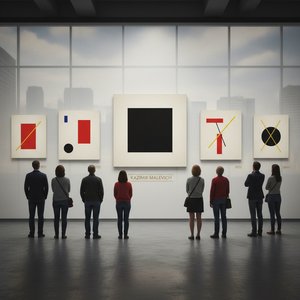
Kazimir Malevich: Pioneering Suprematism & the Quest for Non-Objective Art
Explore the revolutionary art of Kazimir Malevich & his groundbreaking Suprematism movement. Discover the origins, core principles, and lasting impact of this pivotal force in modern abstract painting.


