Preverite v realnem okolju
 Pošlji kot čestitko
 Deli
Deli
 Podrobnosti
 Priročnik

 Prenesi
 Podobni artefakti
 Rentgenski posnetek
 Predvajaj diaporama
 Statistika
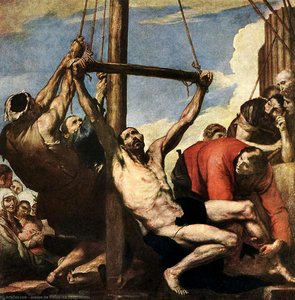
St. Jerome and the Angel


 Preberi več
Giclée tisk / Umetniški tisk
Giclée ali platnati odtis muzejske kakovosti z hitro proizvodnjo in prilagodljivimi možnostmi končne obdelave. ( Naročite ročno slikano reprodukcijo Preklop na digitalno sliko)




P118B €10

P118H €10

P118W €10

P438Z €10

P508JH €12

P508YH €12

P805H €10

P805Z €10

P919BZ €10

P919G €10

P919XJ €10

P959ZH €10

P968JZ €12

W106C €8

W218G €10

W218JH €8

W218Y €10

W307PJ €10

W316G €10

W316PJ €8

W316Y €10

W398PJ €8

W4111J €10

W500HY €15

W500JH €15

W692G €12

W849H €8

W940BG €15

W953PJ €8




Izberite eno od naših vnaprej določenih velikosti, ki ustrezajo prvotnim proporcijam umetničkega dela.

Vnesite širino in višino, ki jih potrebujete za svoj okvir ali steno. Tiskanje se lahko le odreže, vendar ga ni mogoče narediti večjega od slike, zato format z drugačno obliko pomeni izgubo dela slike. Pred tiskanjem vam pošljemo digitalni predogled za potrditev. Slika, prikazana na tej strani, ne prikazuje dejanskega izrezkov — le predogled to omogoča.
Globalna dostava () v 2 tednih namesto standardnih 4/5 tednov. (22 oktober)

Brezplačna ekspresna dostava po vsem svetu

Visokokakovostno laneno platno

Popolno zavarovanje pošiljke

Garancija povračila carine in uvoznih davkov

Garancija popolnega barvnega ujemanja

Politika vračila v 100 dneh (le v primeru okvar)

Garancija 100% povračila denarja

Popust pri večjem naročilu
 Možnost stekla je na voljo le za velikosti pod 110 cm

St. Jerome and the Angel
Giclée tisk / Umetniški tisk
Velikost reprodukcije
-


Skupna cena
€ 70
Saint Jerome and the Angel of Judgement - A Study in Dramatic Realism
Jusepe de Ribera’s *Saint Jerome and the Angel of Judgement*, completed in 1626, stands as a cornerstone of Baroque painting—a testament to Ribera's mastery of tenebrismo and his profound engagement with religious iconography. Executed for Santa Trinità delle Monache in Naples, this monumental canvas immediately commands attention through its masterful use of chiaroscuro, plunging the scene into deep shadows punctuated by brilliant highlights that sculpt the figures with breathtaking precision.
- Subject Matter: The painting depicts Saint Jerome, renowned for his ascetic devotion and biblical scholarship, confronted by an angel bearing the trumpet of divine judgment. This juxtaposition embodies a central theme of Baroque art—the confrontation between earthly mortality and eternal salvation.
- Style & Technique: Ribera’s signature tenebrist style – derived from Caravaggio – dominates the composition. Light is strategically employed to illuminate key elements, creating dramatic contrasts that heighten emotional intensity and emphasize textural detail. The artist meticulously renders every wrinkle of Jerome's face, every fold in his robe, conveying a palpable sense of physicality and psychological torment.
- Historical Context: Naples under Spanish rule during Ribera’s lifetime fostered an artistic environment characterized by patronage from the Medici family and a fervent devotion to Catholicism. The painting reflects this cultural climate, aligning with prevailing theological concerns about divine retribution and spiritual redemption.
- Symbolism: Beyond its biblical narrative, *Saint Jerome* is laden with symbolic significance. The angel’s trumpet signifies impending judgment, while Jerome's posture—seated on the ground, hands clasped together—represents humility and prayerful contemplation. The inclusion of St. Jerome’s robe draped over his leg serves as a visual reminder of the saint’s ascetic life and unwavering faith.
- Emotional Impact: Ribera succeeds in conveying profound emotional depth through his depiction of Saint Jerome's anguish. The artist captures not merely physical suffering but also psychological torment—a palpable sense of dread and despair that resonates powerfully with viewers centuries later. This masterful portrayal underscores the Baroque preoccupation with portraying human emotion as a conduit for divine grace.
The Genius of Tenebrismo: Ribera’s Innovative Approach
Ribera's innovative use of tenebrism—the dramatic interplay between light and darkness—revolutionized painting technique during the Baroque period. Unlike earlier artists who favored softer, diffused lighting, Ribera deliberately employed stark contrasts to create a theatrical effect, emphasizing sculptural form and amplifying emotional impact. This approach was not merely stylistic; it served as a powerful tool for conveying theological ideas about God’s judgment and humanity's vulnerability.
- Light & Shadow: The artist meticulously sculpts the figures using light and shadow, creating an illusion of three-dimensionality that transcends conventional representation. Ribera’s masterful manipulation of chiaroscuro draws inspiration from Caravaggio’s groundbreaking style, establishing him as a pivotal figure in Baroque art history.
- Texture & Detail: The painting's surface is covered in densely textured brushstrokes—a hallmark of Ribera’s technique—that capture the materiality of the drapery and Jerome’s flesh with astonishing realism. This meticulous attention to detail underscores Ribera’s commitment to portraying human experience with uncompromising honesty.
- Dramatic Effect: The tenebrist style generates a dramatic effect that intensifies the emotional impact of the scene, immersing viewers in a realm of psychological torment and spiritual apprehension. Ribera's technique elevates the painting beyond mere visual depiction—it becomes an embodiment of theological contemplation.
A Legacy of Spiritual Intensity: Ribera’s Influence on Baroque Art
Jusepe de Ribera’s *Saint Jerome and the Angel of Judgement* exerted a profound influence on subsequent Baroque artists, establishing him as one of the era's most celebrated masters. His uncompromising realism combined with his masterful use of tenebrismo—a technique that would become synonymous with Baroque painting—inspired generations of painters to explore similar stylistic approaches.
- Caravaggio Connection: Ribera’s debt to Caravaggio is undeniable, mirroring the artist's penchant for dramatic lighting and unflinching portrayal of human emotion. This stylistic kinship cemented Ribera’s position as a successor to Caravaggio’s artistic legacy.
- Continuing Tradition: Ribera’s influence extended beyond Caravaggio, shaping the aesthetic sensibilities of artists across Europe who embraced tenebrismo—a technique that would become a defining characteristic of Baroque art.
The Museo di Capodimonte and Its Masterpiece
Currently housed in the Museo di Capodimonte in Naples, *Saint Jerome and the Angel of Judgement* remains one of Ribera’s most iconic works—a testament to his artistic genius and a cornerstone of Neapolitan Baroque art history. Visitors can experience firsthand the breathtaking beauty and emotional depth of this monumental canvas, appreciating its masterful execution and enduring significance.
- Location: The Museo di Capodimonte offers an unparalleled opportunity to examine Ribera’s *Saint Jerome* alongside other masterpieces of Neapolitan Baroque painting.
- Conservation Efforts: Ongoing conservation efforts ensure that the painting retains its vibrancy and integrity for future generations of art enthusiasts.
Further Exploration
For those interested in delving deeper into Ribera’s artistic oeuvre, numerous scholarly resources are available—including monographs, exhibition catalogues, and critical analyses. Examining these materials provides invaluable insight into Ribera's stylistic innovations, biographical details, and broader cultural context.
Vprašanja in odgovori
Kje lahko kupim tiskanino dela "St. Jerome and the Angel" avtorja Jusepe De Ribera?
Če želite naročiti tiskanino dela "St. Jerome and the Angel" avtorja Jusepe De Ribera, jo preprosto naročite na njegovi strani Kakovostna tiskanina: umjetnička grafika na bombažnem platnu ali arhivskem papirju za platno.
Koliko je izražen kontrast v delu "St. Jerome and the Angel" avtorja Jusepe De Ribera?
Stopnja kontrasta dela "St. Jerome and the Angel" avtorja Jusepe De Ribera je Bold.
Ali je "St. Jerome and the Angel" tipično za dela, ki jih Jusepe De Ribera običajno ustvarja?
Med zabeleženimi temami umetnika Jusepe De Ribera – ki jih zastopajo dramatic realism, religious iconography, neapolitan patronage, caravaggisti style, moral allegory – prinaša "St. Jerome and the Angel" lastno pozornost na saint jerome, angel, judgement, religious art, biblical scene, renaissance painting, neapolitan baroque.
Biografija umetnika
Življenje v senci in svetlobi
Jusepe de Ribera, znan tudi kot Lo Spagnoletto – “Mali Španec” – je bil izjemna osebnost baročne dobe, slikar čigar platna so pulzirala z dramatično intenzivnostjo in neomilostnim realizmom. Rojstni kraj mu je bila Xàtiva v Španiji leta 1591. Njegova pot ga je od valencijanskih korenin popeljala daleč, končno pa se je uveljavil kot eden najpomembnejših slikarjev 17. stoletja v Neaplju, mestu tedaj pod špansko vladavino. Ribera’s življenje ni bilo zgolj kronika umetniškega razvoja; to je bila zgodba prepletena s težavami, ambicijami in neomajno zavzetostjo za upodabljanje človeške narave v vsej njeni surovi kompleksnosti. Čeprav zgodnji biografski detajli ostajajo obdani z določeno skrivnostjo, vemo, da je okoli leta 1607 prispel v Italijo in se sprva naselil v Rimu, preden se je leta 1616 usmeril proti Neaplju – mestu, ki je postalo njegov umetniški dom in žarišče za njegov edinstven slog. Poroka s Caterino Azzolino, hčerko lokalnega slikarja, je še okrepila njegove vezi z neapeljanskim umetniškim svetom in mu omogočila uspevanje v živahnem, a pogosto turbulentnem ozračju.Sprejemanje tenebrizma in realistične vizije
Ribera’s umetniška formacija je bila globoko oblikovana s prevladujočimi tokovi italijanskega slikarstva. Vpliv Caravaggia je nesporno prisoten; Ribera je absorbiral revolucionično uporabo tenebrizma – dramatične igre svetlobe in sence – ustvarjal pa je prizore, nabite z čustveno močjo. Vendar se ni omejil na posnemanje. To tehniko je sintetiziral z elementi, ki jih je pridobil od drugih mojstrov, kot je Guido Reni, v svoje kompozicije vključil klasično občutljivost, hkrati pa ohranil visceralni učinek Caravaggiovega realizma. Ta fuzija je povzročila slog, edinstven za njega: značilen s ostrimi kontrasti, intenzivno osredotočenimi figurami in skoraj brutalno iskrenostjo pri upodabljanju človeškega trpljenja in duhovnega ekstaza. Njegova zgodnja dela, kot je Mučeništvo svetega Bartolomeja, ponazarjajo ta pristop – grozljiv prikaz bolečine, upodobljen z neomilostnimi podrobnostmi. Ni se izogibal prikazu fizičnih realij mučeništva, zvitemih telesih, napetih mišicah, teksturi kože in kosti. Ta zavzetost realizmu se je razširila tudi na verske teme; njegovi portreti prosjakov in navadnih ljudi, pogosto upodobljeni kot filozofi ali sveti, so v tistem času bili pionirski, saj so marginalizirane dvignili na raven dostojanstva in pomembnosti, ki je bila redko opažena v umetnosti.Kariera med žanri in razvijajočimi se stili
Ribera’s umetniška produkcija je bila izjemno raznolika. Čeprav je najbolj znan po svojih verskih slikah – prizorih mučeništva, upodobitvah svetnikov in dramatičnih biblijskih pripovedih – je odlično uspel tudi v portretiranju, tihožitjih in celo krajinskem slikarstvu. Njegov Sveti Jerom in angel na primer prikazuje mehkejšo, bolj kontemplativno plat njegove umetnosti, hkrati pa ohranja značilno dramatično osvetlitev, ki definira njegovo delo. Čez celotno kariero se je Ribera’s slog subtilno, a pomembno razvijal. Njegova zgodnja dela so zaznamovana skoraj asketičnim realizmom in ostrim uporabljanjem tenebrizma. Ko se je trdno uveljavil v Neaplju, je postala bogatejša njegova paleta barv, kompleksnejše kompozicije in nekoliko mehkejšo osvetlitev. Vendar so jedrni elementi njegove baročne estetike – čustvena intenzivnost, dramatične pripovedi in neomajna zavzetost za upodabljanje človeške izkušnje z iskrenostjo – ostali nespremenjeni. Bil je mojstrski obrtnik, sposoben prikazati teksture z osupljivo natančnostjo, od grobe tkanine prosjakovega plašča do gladke kože mladega svetiša.Zapuščina in trajni vpliv
Ribera’s vpliv na umetniški svet se je razširil daleč onkraj njegove neapeljanske delavnice. Postal je ključna osebnost španskega baročnega slikarstva, ob mojstrih kot so Velázquez, Zurbarán in Murillo. Njegova inovativna uporaba tenebrizma in neomilostni realizem sta vplivala na generacije umetnikov po vsej Evropi. Njegovo delo je odmevalo pri tistih, ki so želeli prelomiti z idealiziranimi oblikami renesančne umetnosti in sprejeti bolj visceralni, čustveno nabojni slog. Tudi kasnejši umetniki so se navdihnili pri njegovih dramatičnih kompozicijah in močnem upodabljanju človeškega trpljenja. Danes so Ribera’s slike shranjene v prestižnih muzejih po vsem svetu – Museo del Prado v Madridu, National Gallery of Art v Washington D.C. in številnih institucijah po Evropi, kar zagotavlja, da njegova zapuščina še naprej navdihuje in očara občinstvo stoletja po njegovi smrti leta 1652. Stoji kot dokaz moči umetnosti soočati se s težkimi resnicami, raziskovati globine človeških čustev in osvetliti trpežno dušo vere in odpornosti.Trajna privlačnost mojstra
Stalna fascinacija z Ribera’s delom leži v njegovi sposobnosti preseči čas in kulturne meje. Njegove slike niso zgolj zgodovinski artefakti; so močne izjave o človeškem stanju – o trpljenju, veri, upanju in obupu. Njegov neomilostni realizem nas sili soočiti se z neprijetnimi resnicami, medtem ko njegove dramatične kompozicije in mojstrska uporaba svetlobe in sence ustvarjajo vzdušje intenzivne čustvene resonance. Lo Spagnoletto, kot so ga ljubeče imenovali, je za seboj pustil delo, ki je hkrati globoko ganljivo in intelektualno spodbudno – zapuščino, ki zagotavlja njegovo mesto med največjimi mojstri baročne dobe. Njegove slike niso samo namenjene občudovanju; so namenjene izkušnji—čutiti v globinah svojega bitja.
Jusepe De Ribera
1591 - 1652 , Španija
Ključne informacije
- Datum Rojstva: 1591
- Datum Smrti: 1652
- Državljanstvo: Španec
- Kraj Rojstva: Xàtiva, Španija
- Polno Ime: Jusepe de Ribera
- Pomembna Dela:
- Mučeništvo sv. Bartolomeja
- Sv. Jeremija in angel
- Umetniki Pod Vplivom: ['José de Ribera']
- Umetniški Slog: Barok
- Vplivi Umetnikov:
- Caravaggio
- Guido Reni
Sorodni članki

Giclée Prints: Archival Quality & Aesthetic Nuances for the Discerning Collector
Explore the world of giclée prints with OriginalUniqueArt. Learn about archival quality, aesthetic nuances & investment potential. Expert guidance for discerning art collectors seeking museum-quality reproductions and lasting value.
Jusepe de Ribera: Dramatic Realism & Spiritual Intensity in the Spanish Golden Age
Explore the powerful Baroque paintings of Jusepe de Ribera, master of tenebrism and dramatic realism. Discover his spiritual intensity, influence on Spanish art, and considerations for collectors. Expert insights at OriginalUniqueArt.

Echoes of Time: Exploring the Enduring Appeal & Historical Context of Vintage Art Prints
Explore the captivating world of vintage art prints! Discover their history, collecting tips & enduring appeal. Expert insights on chromolithography and building a legacy collection with OriginalUniqueArt.

The Visceral Stage: Exploring Dramatic Narratives & Emotional Intensity in Baroque Art
Explore the dramatic world of Baroque art! Discover iconic masters like Caravaggio & Rembrandt, their techniques, and the movement's lasting impact. Expert insights for collectors & enthusiasts at OriginalUniqueArt.

Baročne mojstrovine: 10 umetnin, ki so definirale obdobje | OriginalUniqueArt
Odkrijte 10 baročnih mojstrovine, ki so zaznamovale umetnost! Karavaggio, Bernini & Rubensovi deli v zgodovinskem kontekstu. Navdih za notranjost in reprodukcije slik na OriginalUniqueArt.com. Raziskujte polno zbirko online!